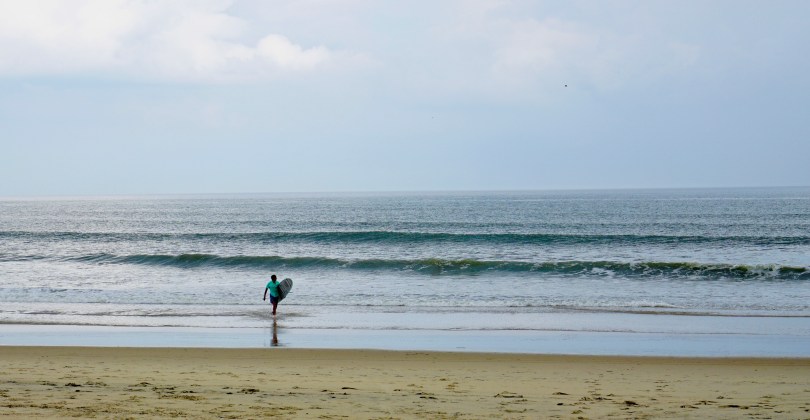
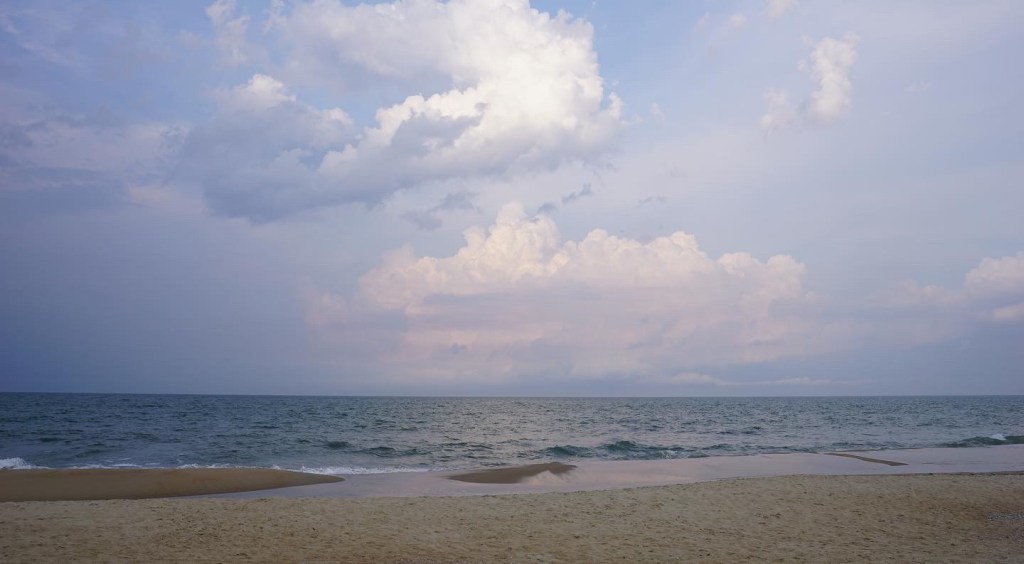
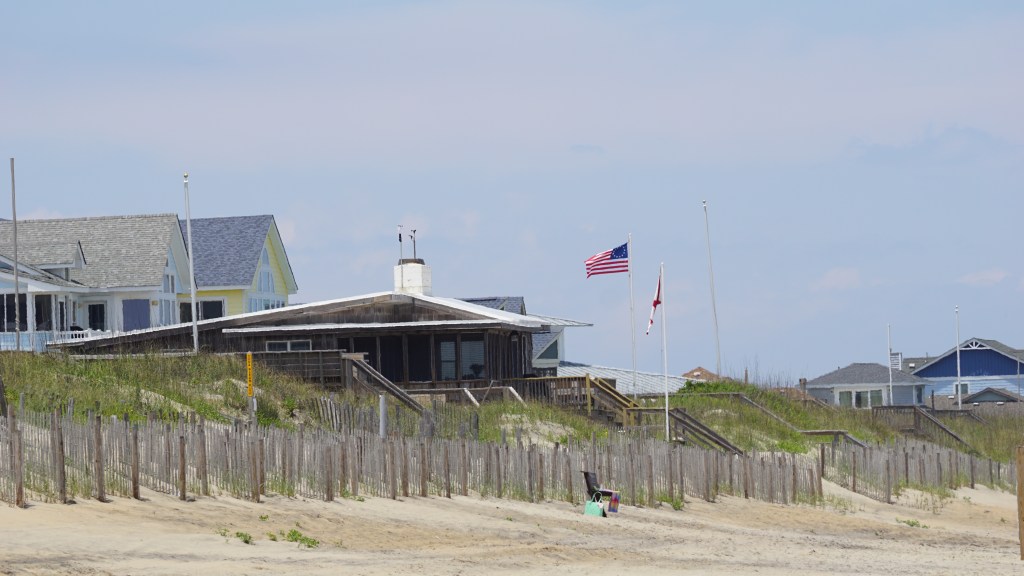
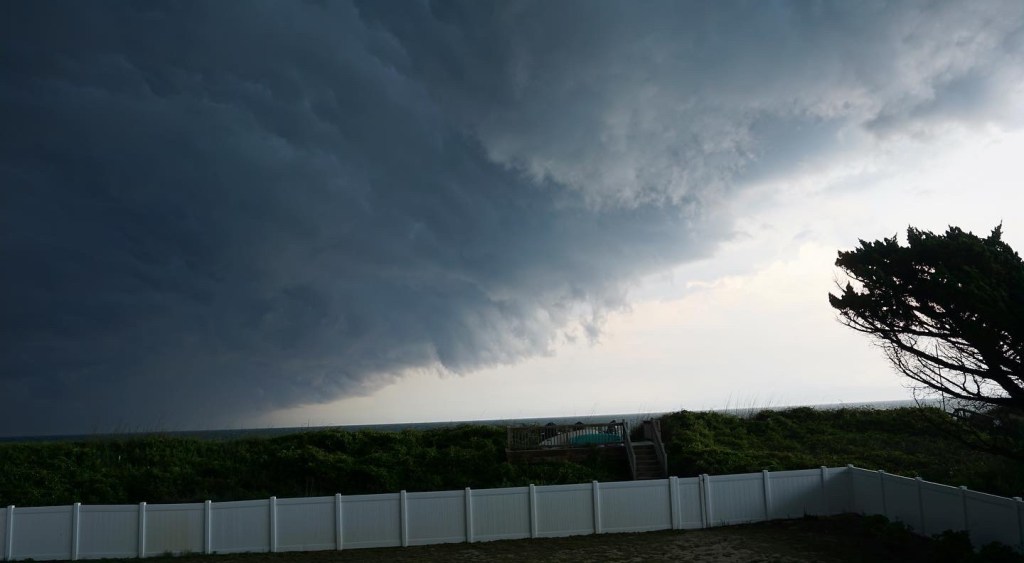
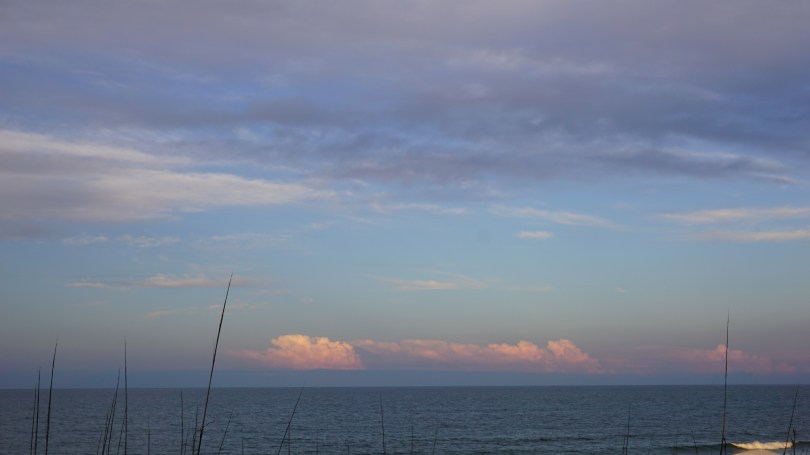
I was tracking Hurricane Franklin for a few days and it arrived to Virginia Beach on August 29-30 of 2023. I booked it out on a wednesday to catch the swell with my brother. The waves were about 3-4 feet with an offshore wind, made for a few dreamy waves.
Shot on sony a6000 with sony 35mm North End Beach, Virginia Beach, Virginia.
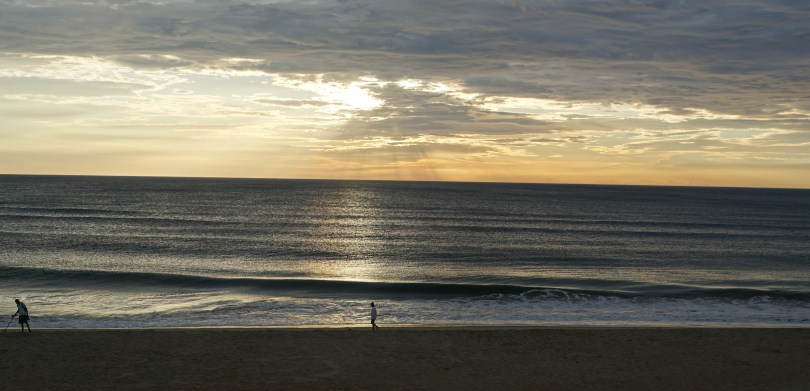
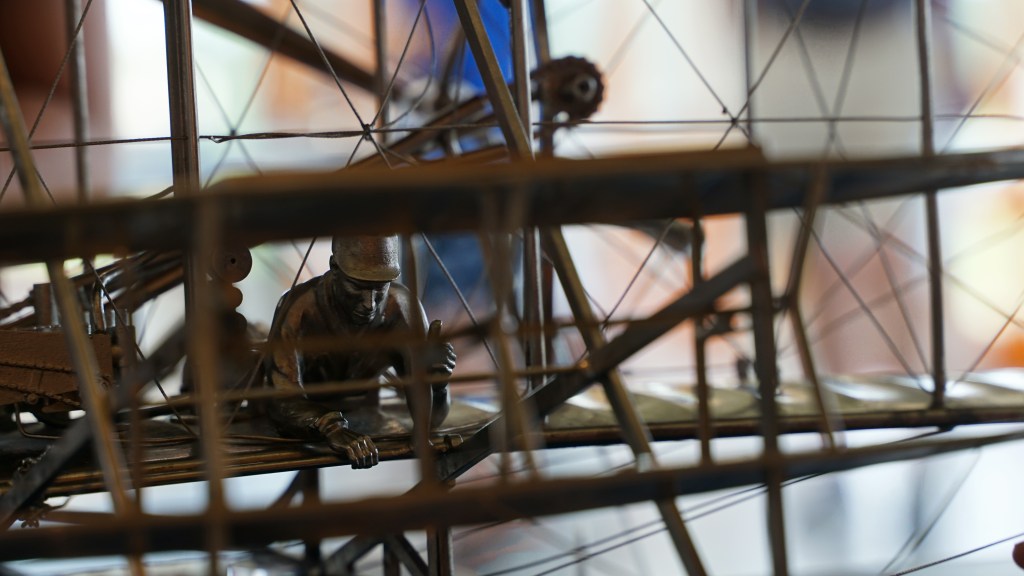
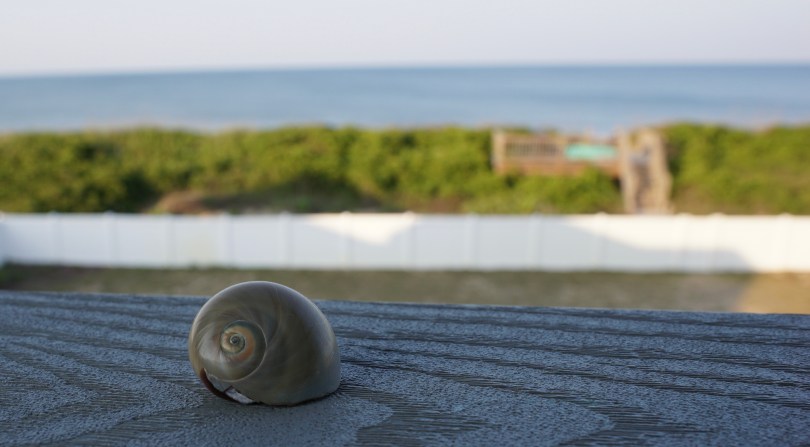
Kittyhawk, North Carolina is small town in the barrier islands of North Carolina known as the outer banks. It’s claim to fame is that it is the town where the Wright Brother’s launched the world’s first successful motor operated flight. Hence North Carolina’s license plate “first in flight”. Today, the town has a population of less than 4000. We spent a beautiful week there with lots of sunshine and temperatures from the low to high 80s. The surf wasn’t great, but that’s just the way of the ocean. Over the past few years, it is something that I find myself gravitating towards more. It reminds me learning how to ride a bike for the first time, you fall time and time again, but the pursuit of riding a wave is too fun to stop. I plan on going back in the fall time, the prime surfing (hurricane season) time in the outer banks. I was able to get some photos with my trusty a6000. I occasionally look up the latest Sony alpha cameras from the full frame to the crop sensored and nothing has really made me feel like it was time to upgrade, UNTIL, the release of the Sony a6700, I’m really considering this one. Hope everyone stays cool, safe and healthy.
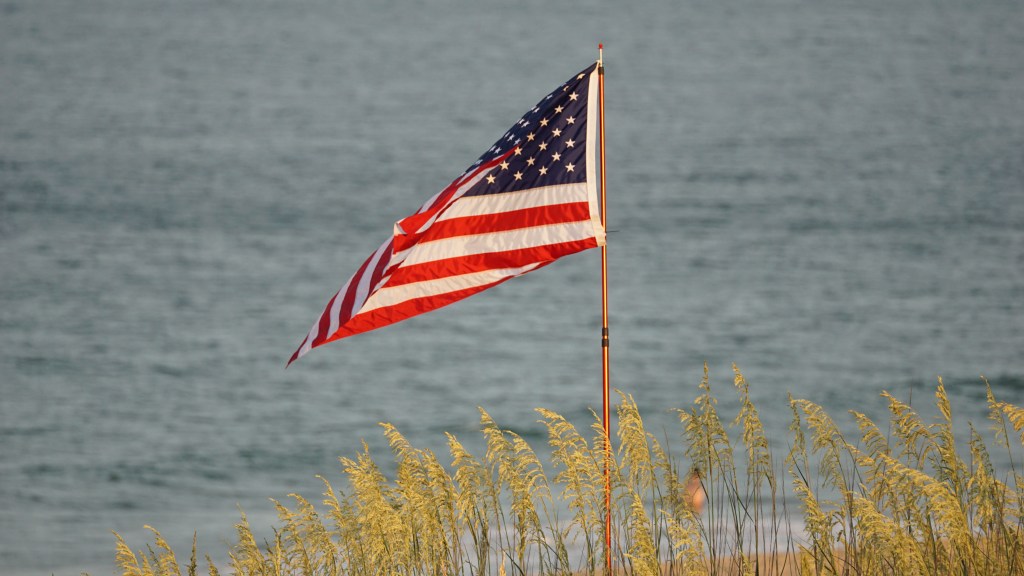
The foamie line up (except for a 6,6 chili mid strength)Arrivaloffshore windSunsetsQueen of the ocean SunriseWright brothers memorial cruising toddlerNorth Carolina, first in flight Sunsetsswell lines
For my purposes, the a6000 is doing everything I could ask of it. I’m drawn to the 6700 for mostly the new video capabilities.
A fascinating documentary about legendary surfer, Gerry Lopez.
A beautiful week in the outerbanks of North Carolina. We had good weather, good sun, good waves and a killer time. Photos taken with Sony a6000
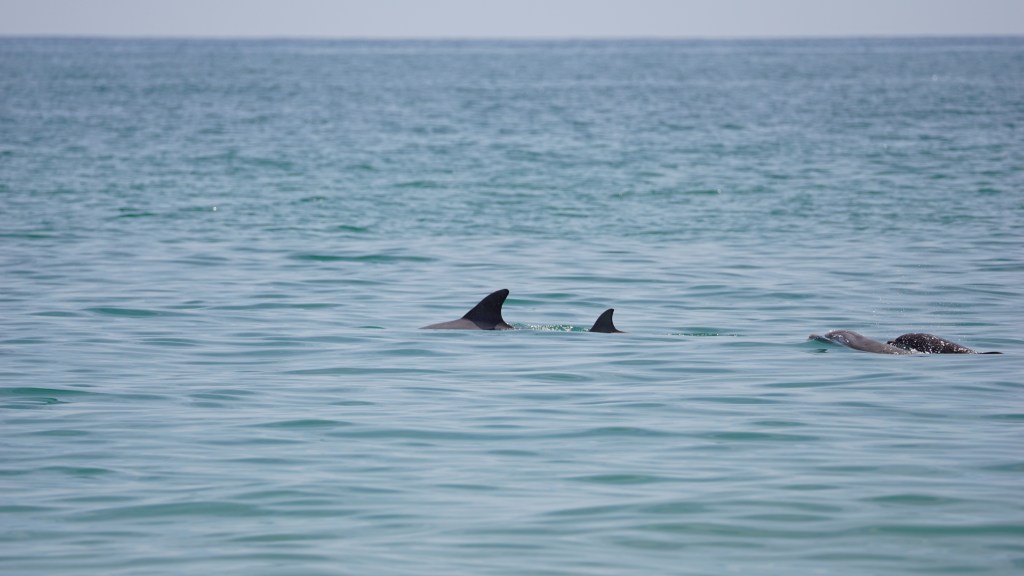
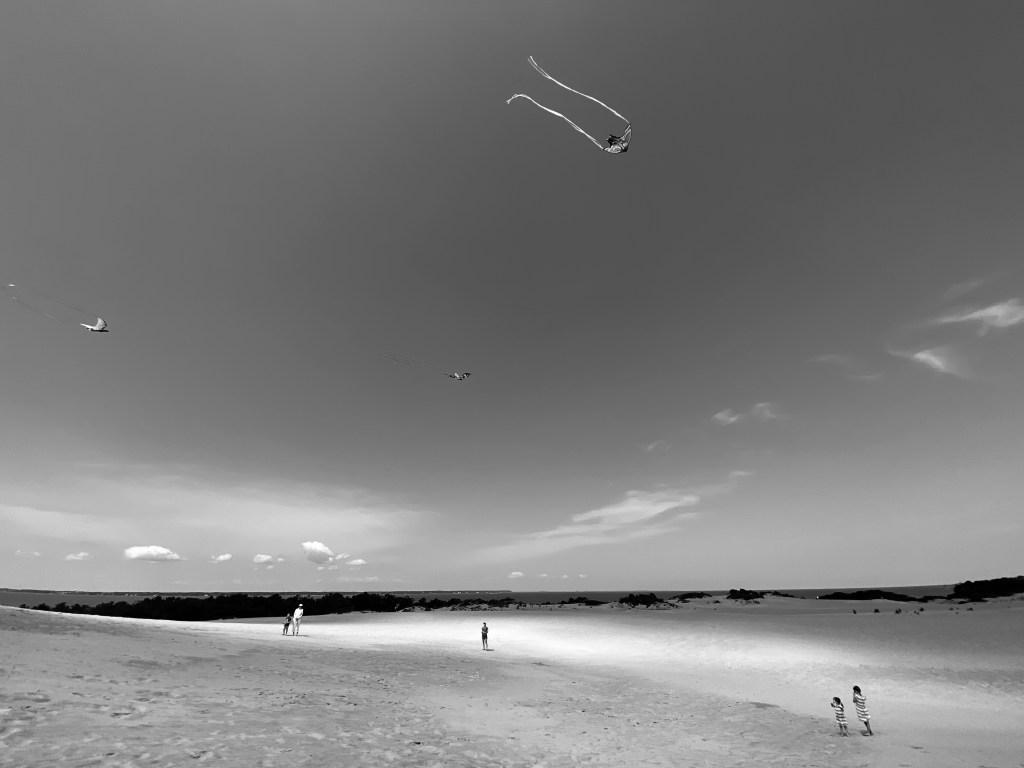
Beach sunsetsThe dolphins were out in full force!The mighty AtlanticFlying kites at Jockey’s Ridge, North Carolina The Outerbanks, North Carolina Storm clouds Praying visitor Getting ready to fly Learning to ripHome for the next week
A week in the Southern Shores, Outerbanks, North Carolina
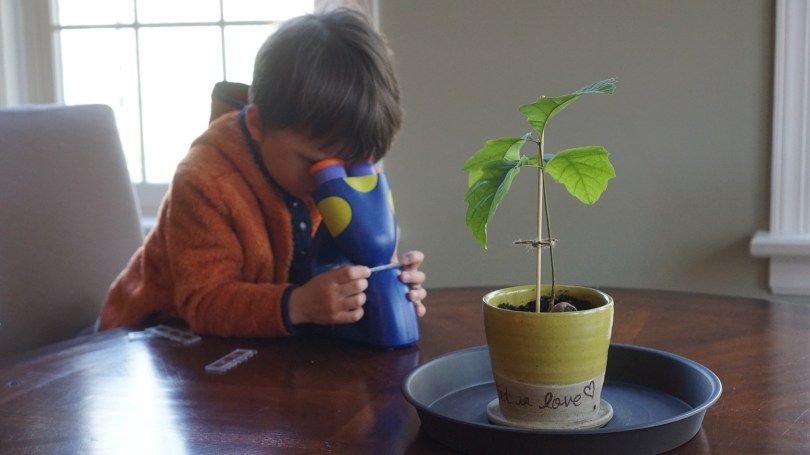
As our two oldest children, (ages 5 and 3) have gotten older, their fascination with the outside world has only blossomed. They are in awe at the size of trees, they dig and search for rocks and gemstones, they wonder about the dinosaurs and the search for animals of all types. They love all of it. They learned about the Smithsonian Institution in Washington DC through their children’s books and have been itching to go. What would be cooler than visiting the world’s largest museum, education and research complex?
the anticipation….this place is as cool as it gets
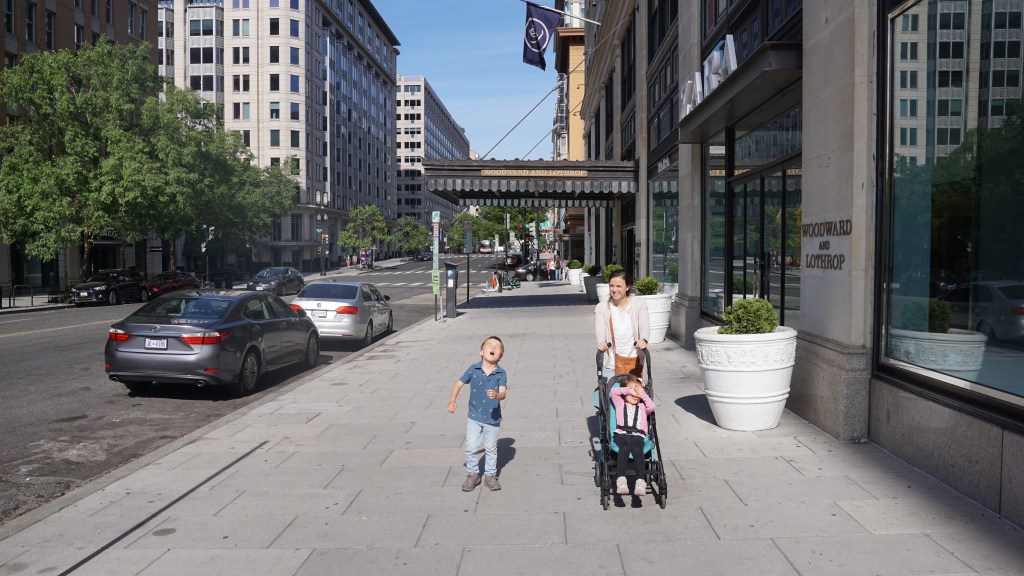
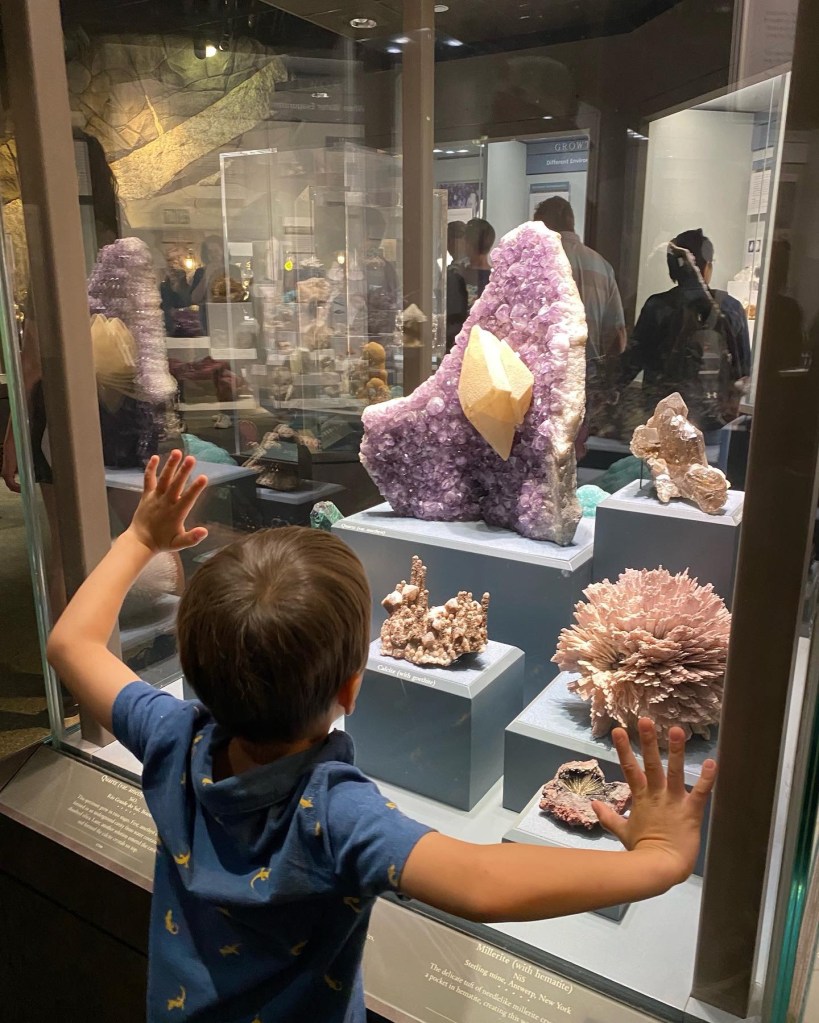
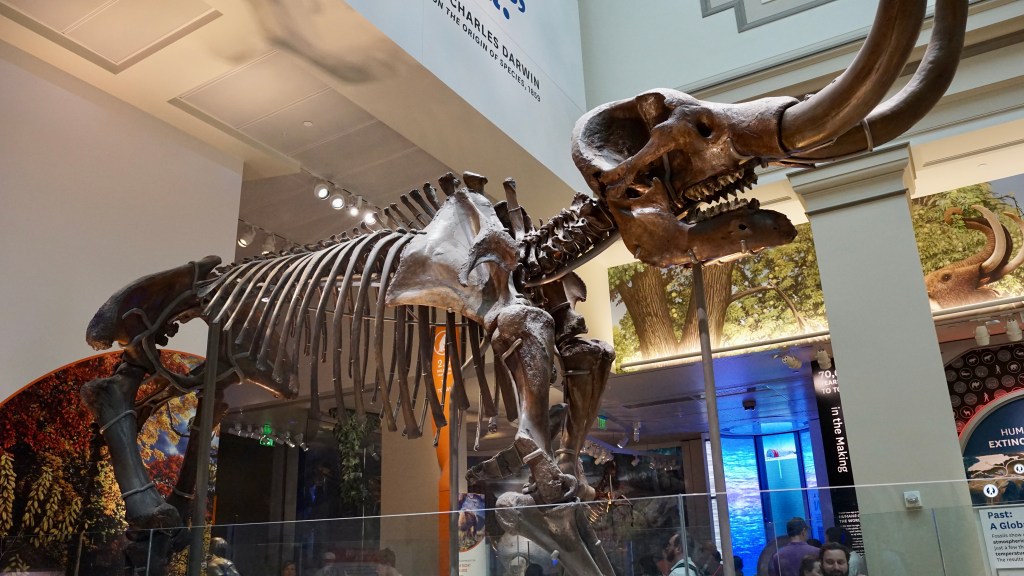
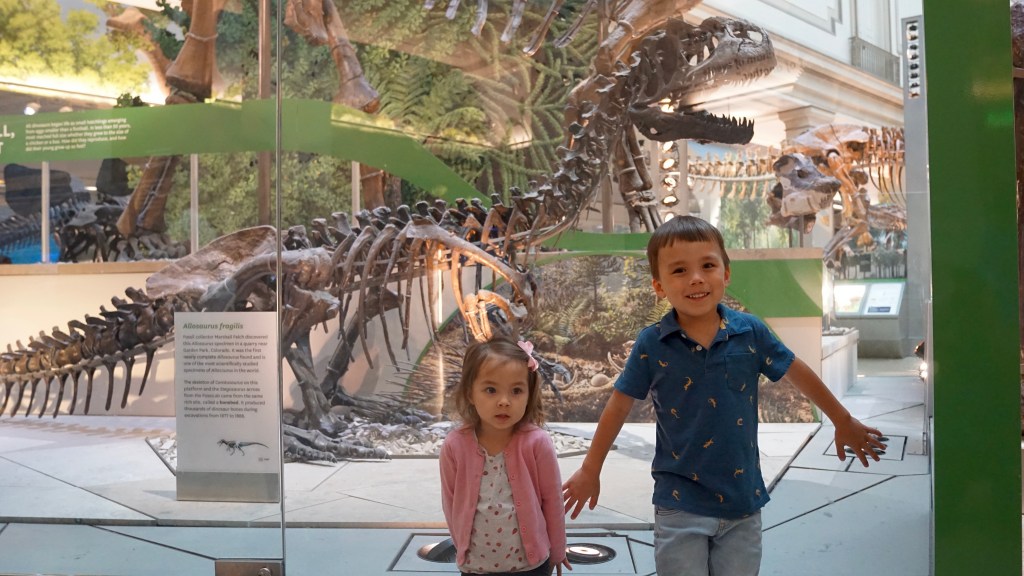
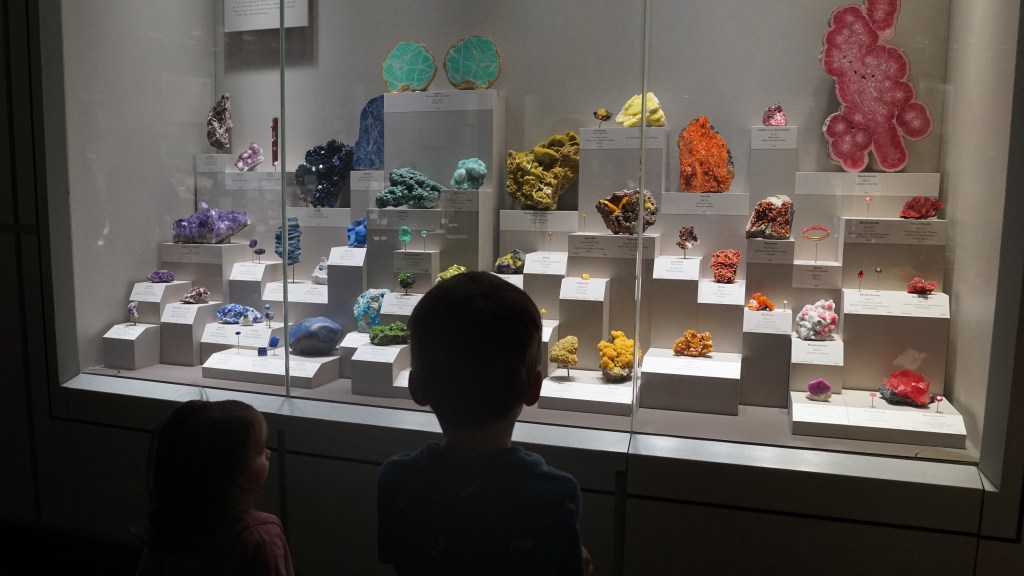
So on a Friday night before Memorial Day weekend, we set off for our Nation’s Capital, Washington D.C. We arrived in the heart of the city just blocks away from the National Mall. After a good night’s sleep, we awoke to 2 giddy children eager to walk over to the Smithsonian National Museum of Natural History. The kids marveled at pretty much everything. From the stunning rock and gem collections to the towering full scale dinosaur skeletons, it was everything they had hoped for and more.
gemsAllosaurus, an all time favorite.Camarasarus
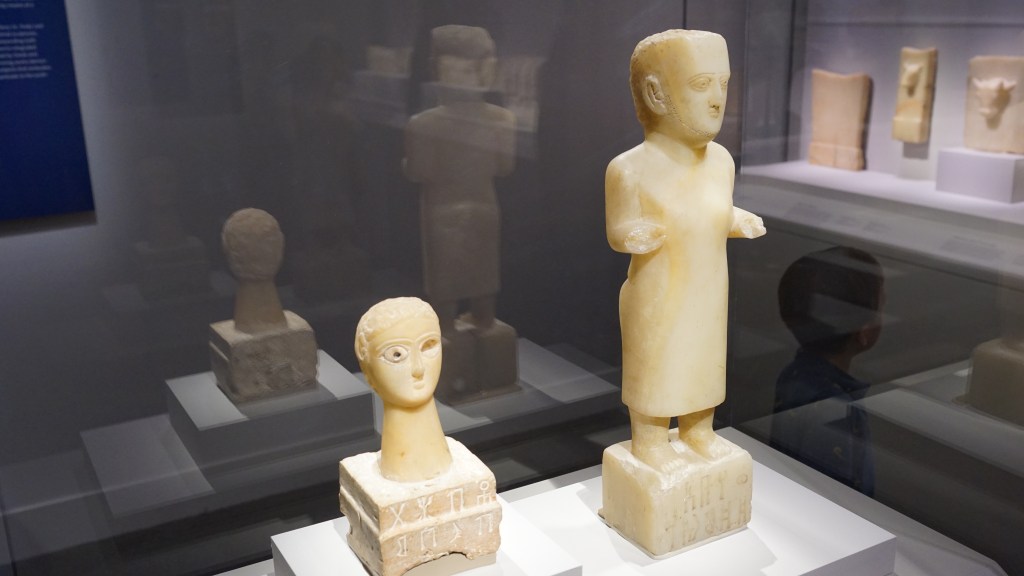
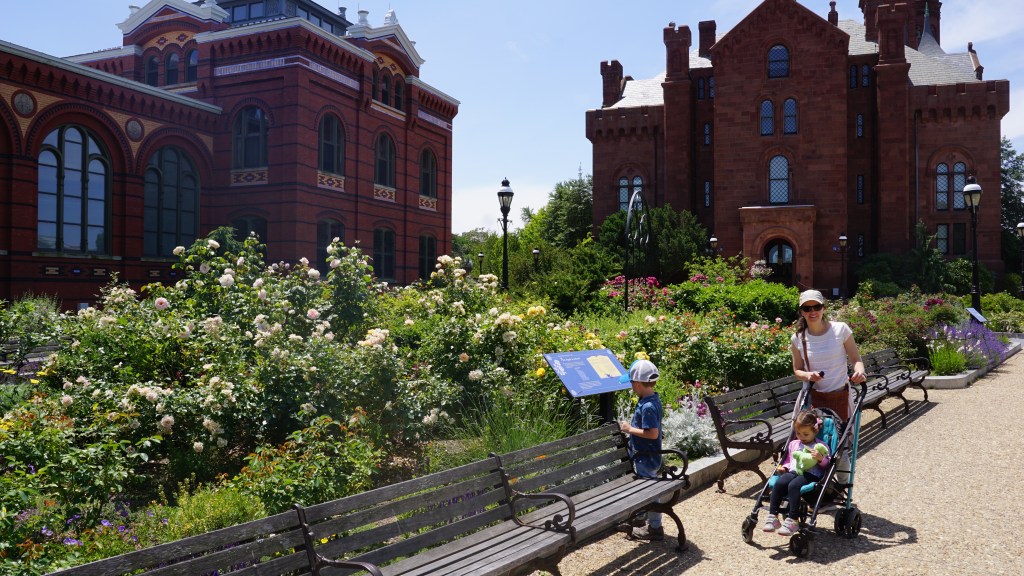
We ventured through an area I haven’t visited, the Smithsonian gardens. In a busy city, this section was a nice escape from the crowds as we enjoyed the vast array of plants, flowers and trees. Our meandering took us through the gardens and into the National Museum of American Art, where we were once again just amazed by the beautiful collections, and the history behind each piece.
taking a breather at the national mall lawn
We spent our next couple days, exploring the national mall, the national monument, the Lincoln memorial. The wonderful part of it all was the fact that we just walked and took the very easy to access Metro subway.
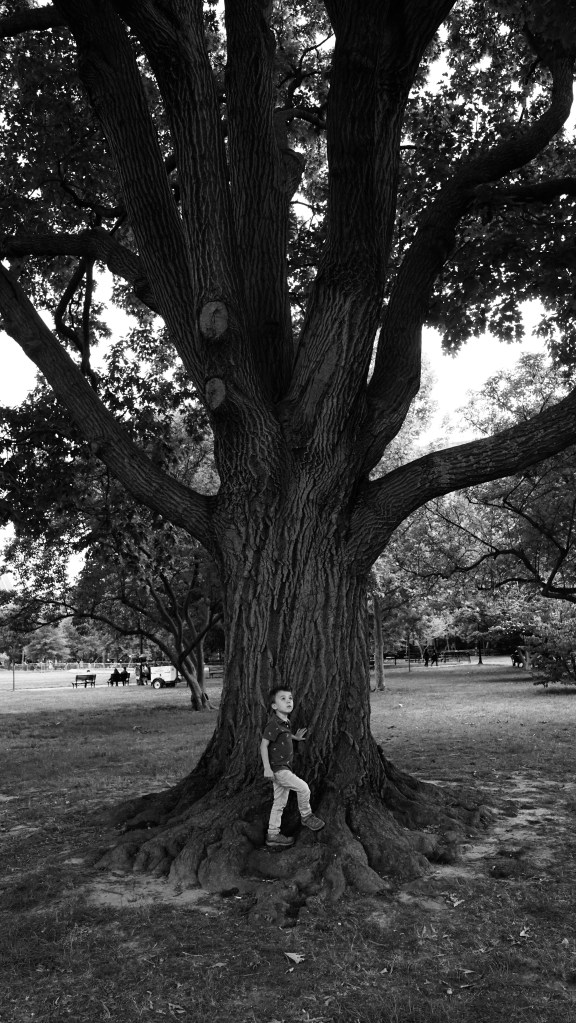
The metro was a great way to get aroundThe National Mall area has an impressive collection of old trees. Lots of old oak and American elm. Lincoln Memorial in the distance. The walkway was lined with very old elm trees.
It had been decades since I’ve been to the Smithsonian Museums, National Mall and all of the memorials, and I feel like I was just as amazed as I was as a child. I think visiting this area can be described as both powerful and uplifting. This is a beautiful country – the combination of memorials, monuments, bustling federal buildings and museums really paint a landscape of history, present and future. Our monuments and memorials celebrate the thousands of lives lost to give us our freedom. A strong reminder that freedom is very fragile. The museums demonstrate what we are able to discover and learn under the blanket of that freedom. This knowledge will hopefully help us to provide a better future, and the very active federal buildings show the day to day work which keeps the country running. Washington D.C. is a remarkable place for all ages.
Happy Earth Day everyone! A typical hardwood tree could remove up to 48lbs of carbon from our atmosphere per year. The kids have gotten to work to do their part!
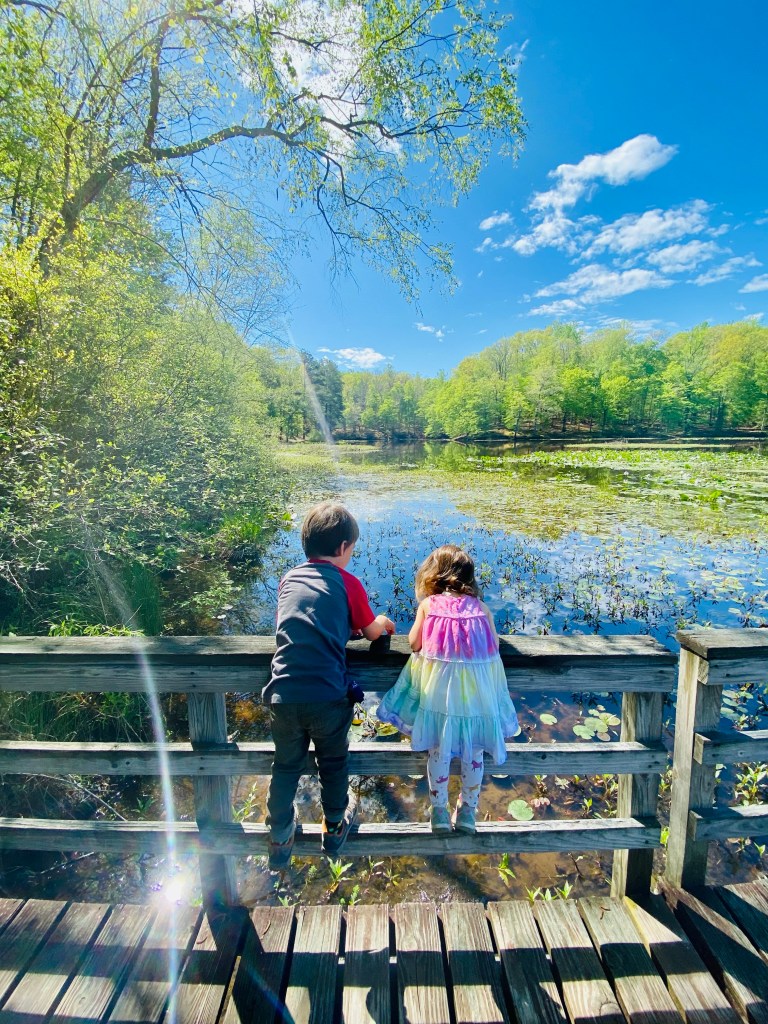
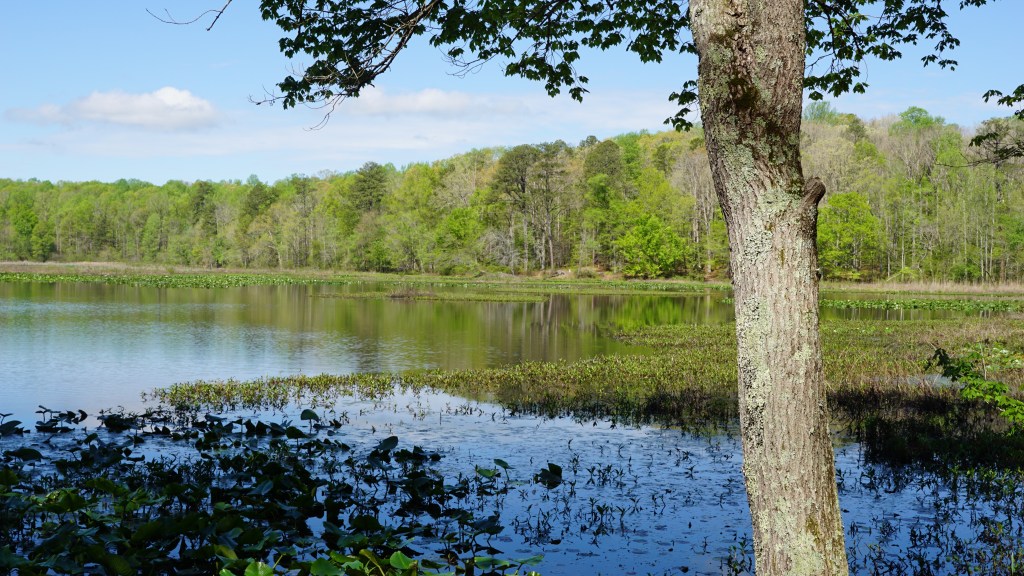
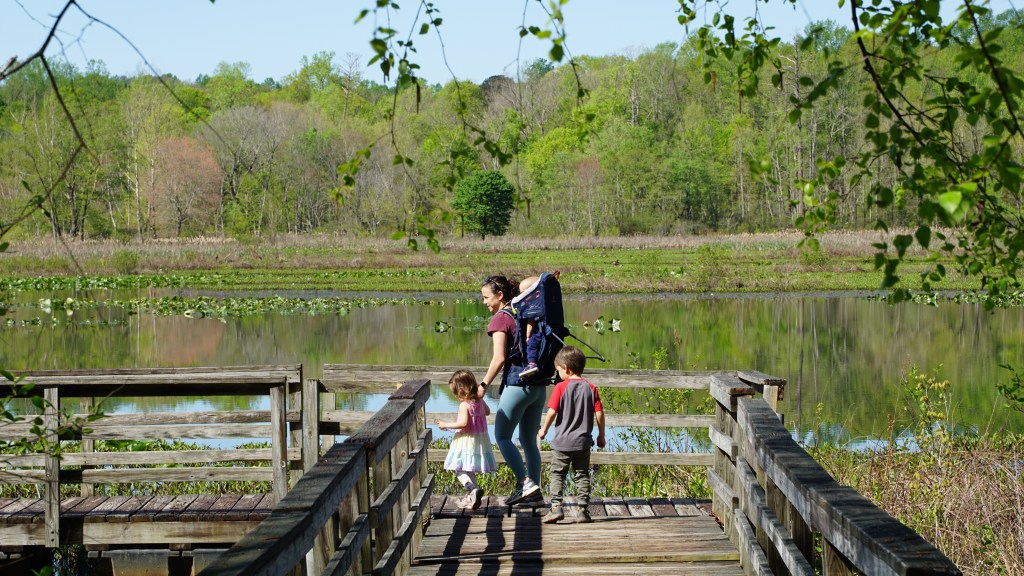
This past Saturday, we were blessed with a beautiful Spring day in Virginia. We rounded up the rugrats and headed to our favorite local park – Pocahontas State Park! It would be our one year old’s first time in the ol backpack and he seemed to enjoy it quite a bit. There is something certainly magical and calming about the beauty of the forest. Have you ever noticed that after spending time in the forest, you just generally feel better? Well there’s a good amount of published medical literature regarding the biophysiological changes that happen after spending time in the forest. This area of research has been picking up steam in the past several decades in several countries, linking it to positive effects on your immune system, heart rate, blood pressure, and mood. The Japanese have actually come up with a term called: Shinrin-yoku (taking in the forest atmosphere or forest bathing). Studies demonstrate that spending time in the forest (not necessarily exercising), is linked to improve natural immunity cell function, blood pressure, sleep, anti-anxiety and more benefits that we have still not come to understand as of yet.
In many countries where preventative and primary care is strongly developed, many physicians actually prescribe their patients “time in the forest”. The positive effects of shinrin-yoku “forest bathing” seemed to last for several weeks after the time in the forest. There is certainly something primordial about reconnecting with the earth by spending time in the forest. Have you ever stared at a tree, it’s trunk and it’s branches and wondered how this shape came to be? This branching shape is ubiquitous to everything that is life. In the human body for instance, the blood vessels that course through our lungs (pulmonary artery tree) and through our eyes (the retinal vasculature) share the same branching shapes. The rivers that flow through our land are another example. This arterial network throughout the earth and life is truly amazing.
Photograph of the fundus of the eye. This recurring architecture of branching vessels is seen throughout the natural world in trees, rivers and plants.
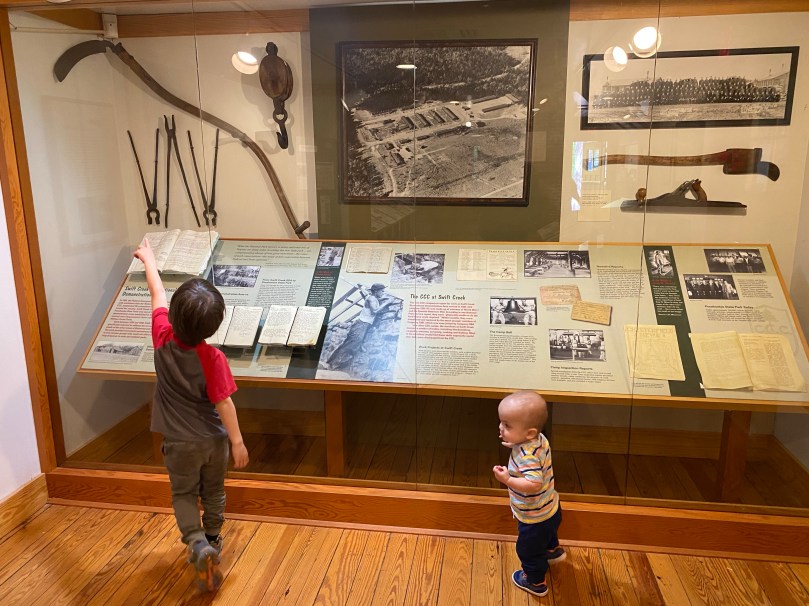
For our children, they are truly in their element in the woods. Chasing the sounds of the bull frogs, the woodpeckers, the wind through the trees, watching them marvel at everything is a joy. Pocahontas also has a pretty amazing nature center, where children can learn about rocks, live animals (snakes and snapping turtles), furs, campsites, camp gear, and loads more. We also visited the CCC (Civilian Conservation Corps) museum for the first time. They all had a blast. I’m hoping the effects of shinrin-yoku linger till our next trip back outdoors. I wish everyone good health and be safe when exploring.
The CCC (Civilian Conservation Corps) was a voluntary government work relief program that ran from 1933 to 1942, initiated by Franklin D. Roosevelt. They helped to establish many parks such as Pocahontas State Park. We are grateful for their efforts and foresight to allow future generations to enjoy these treasures.
Interesting video about the Civilian Conservation Corps
Time to get to business. We needed to replicate the heart of this canoe…..the stem. This is the curved edge of the boat, made from solid wood that extends from the keel below to the gunwale of the canoe. Structurally it is a critical piece, that provides strength, and unites the port and starboard planks. It is also tapered to provide the aerodynamic shape of the canoe, allowing the boat to cut through the water. We are starting at the stern, where most of the work lies ahead of us.
The original stem, pictured here is nearly 100 years old. The tip is rotted and the remainder is in rough shape. We decided to replace the whole thing.
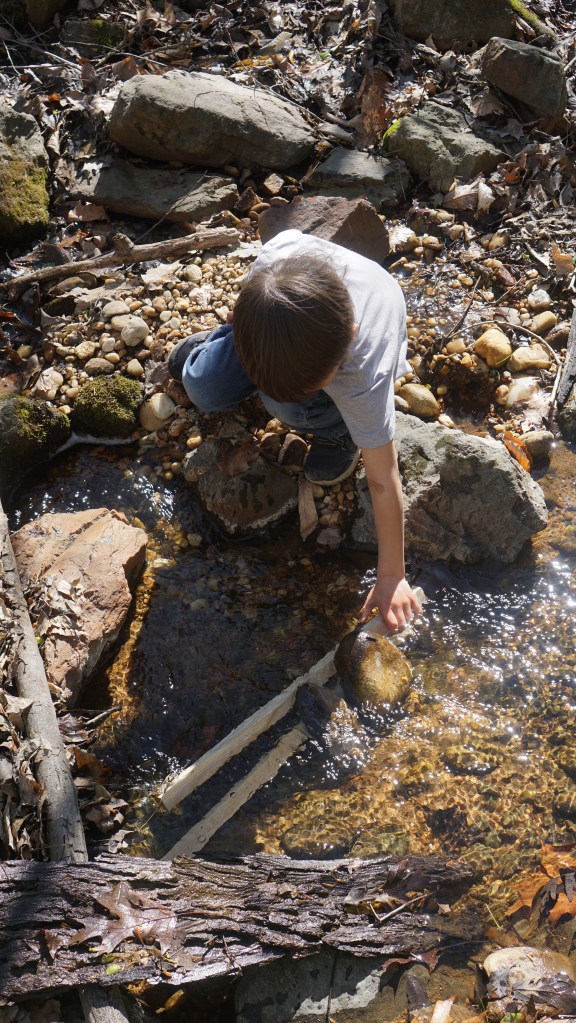
In many instances, the entire stem does not need to be replaced. The rotted section (usually the top) can be cut off and a new piece can be scarfed in. In our case, the whole thing seemed pretty worn out, so I decided to construct a new one. We used white ash (Fraxinus americana) to create this. I went to our local Woodcraft store to select the board that I needed. It was critical to find a board that had very straight grain, either quarter sawn or rift sawn. Having the grain run straight will reduce the chance of fracturing during the wood bending process. This piece was ripped on the bandsaw and then soaked in a creek for 5 days.
rift sawn white ashsoaking the stem
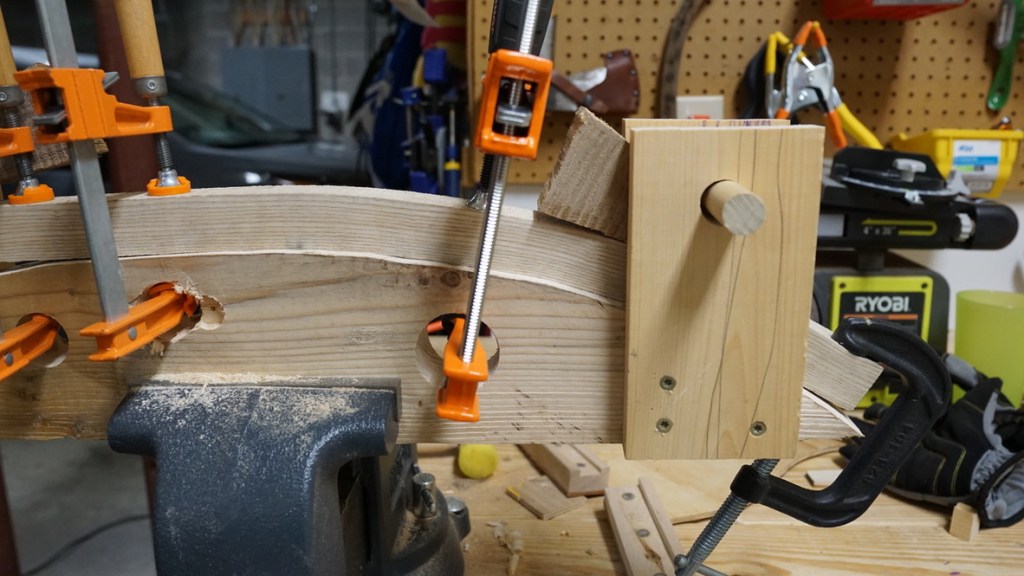
In order to bend the piece of wood, you will have to create a jig (or a form) to bend the wood over. The jig does not have to be pretty, but it has to be functional and accurate. I constructed ours using lumber from a pallet. I glued these pieces together and let it dry. I would use the original stem to create the outline for this jig. It is important to note that the radius of curvature for the jig will actually be tighter than the original stem. This is because we have to account for spring-back, once the piece of wood is removed from the jig.
After the 5 days of soaking in a creek, I fired up our wood steaming box and steamed the piece of ash for 1 hour. Once the wood is removed from the steamer, you have 60 seconds to bend it onto the form before it loses it’s elasticity as it cools. This part can be a pretty harrowing experience if you’ve never steam bent – I’ve never steamed bent anything. I was very fortunate to have the first attempt succeed. For any critical part of canoe building, I often practice the motions before I actually do it. All the clamps were at the ready, my path was clear, I made sure I had enough ceiling clearance etc. I ran through the steps with a mock piece of scrap wood. I also used a piece of steel strapping to help reduce the chance of fracture.
rough planing to get it into the planer and jointer
After a week in the jig, I removed the stem from the form and began to notch out the slots for the ribs using a dove tail saw, a coping saw and chisel. This is where we spent alot of time, measuring angles of tapers to get it just right. I used a block plane to get it to the right thickness and then a spokeshave for the beveling.
notching grooves for the ribsreplica stem made of white ash
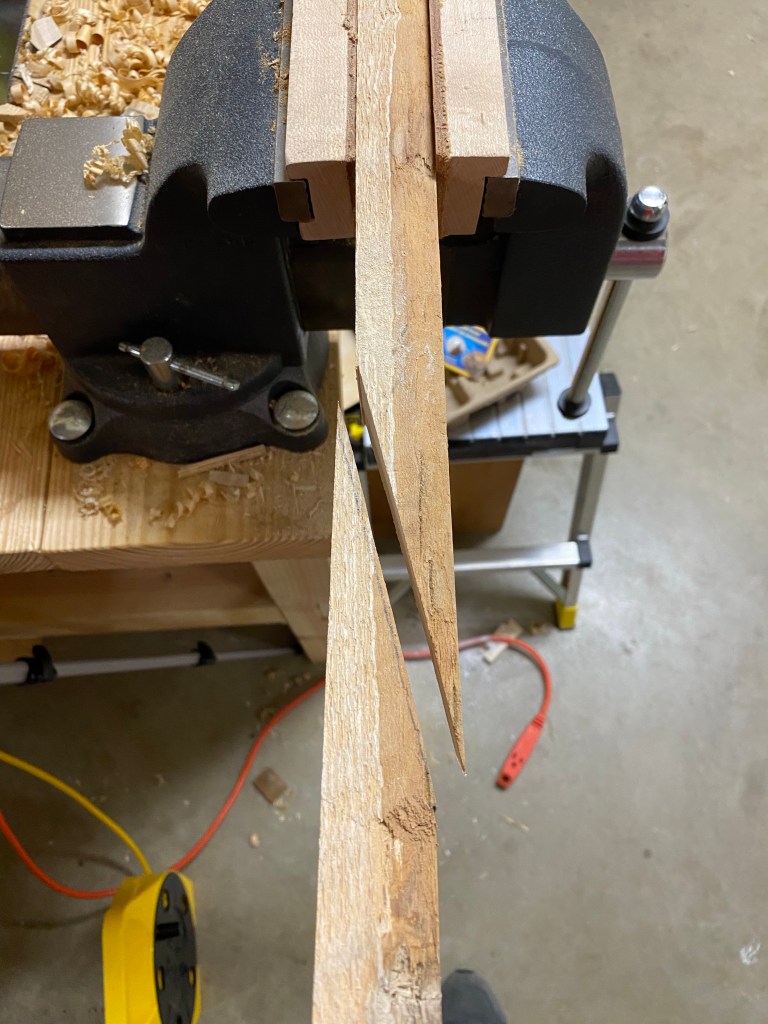
In the meantime, I steam bent some pieces of ash for the 2 inwales that would need replacing. I created another small jig for these as well. I cut them roughly to size and then used a block plane and spokeshave to get it to the proper dimensions. Ash is very satisfying to work with. These pieces will need to be scarfed into place and glued together using System Three T-88 epoxy. The length of the scarf joint is approximately 4 inches to allow for as much surface area contact as possible.
soaking white ash in the creek, we bury it with rocks to keep it submergeda test scarf jointdry fit looks good
One of the ribs in the stern end also needed complete replacing so we soaked some eastern white cedar boards in the creek for 5 days and then stem bent these for 20 minutes prior to bending them on the form. This step is fun because a jig does not need to be created. We have an intact hull to bend it over! As with any steam bending step, you have to account for springback once the wood is removed from the form. So in order to replace the rib that you want to fix, you actually will use the rib form adjacent to it (with a steeper angle) to bend over. These worked out well thank goodness.
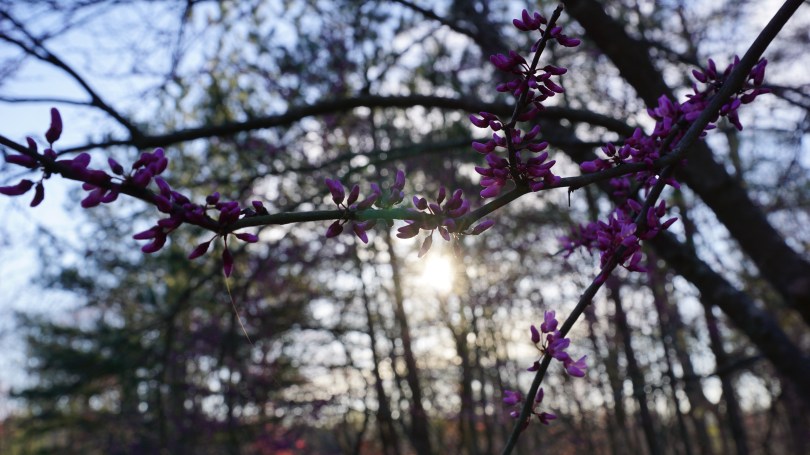
A local creek is perfect for soaking long boardsFlowering dogwood, Virginia’s state flower.Fun at the creekRaising oak trees for the next generation of boat buildersChestnut Oak, we are planting a dozen oaks for the next few generations.The cedar bent well, even at the more acute angles. Fingers crossed.This is a job for the whole family
So everything right now is just dry fitted and held together by clamps, the next step will be to fit the stem in place, glue in the inwales and get the ribs and planking changed at the stern. Progress! Spring has been absolutely beautiful as well and we are taking full advantage of that! Wishing everyone good health.
The first flowers from our Yoshino Cherry BlossomsThese cherry blossoms are growing big.