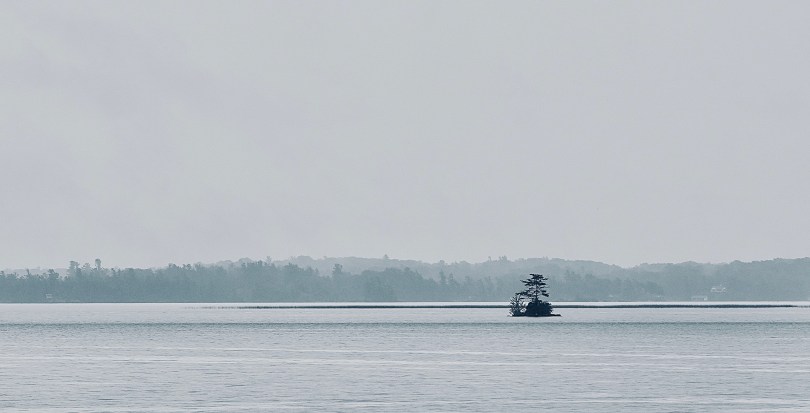
In the Thousand Islands region between Ontario and New York , there are over 1800 islands. To qualify as an island, there must be at least one square foot (0.93m squared) above water, 365 days per year, and the landmass must support at least 2 living trees.
I particularly liked this island, with its Jack Pine standing proud.
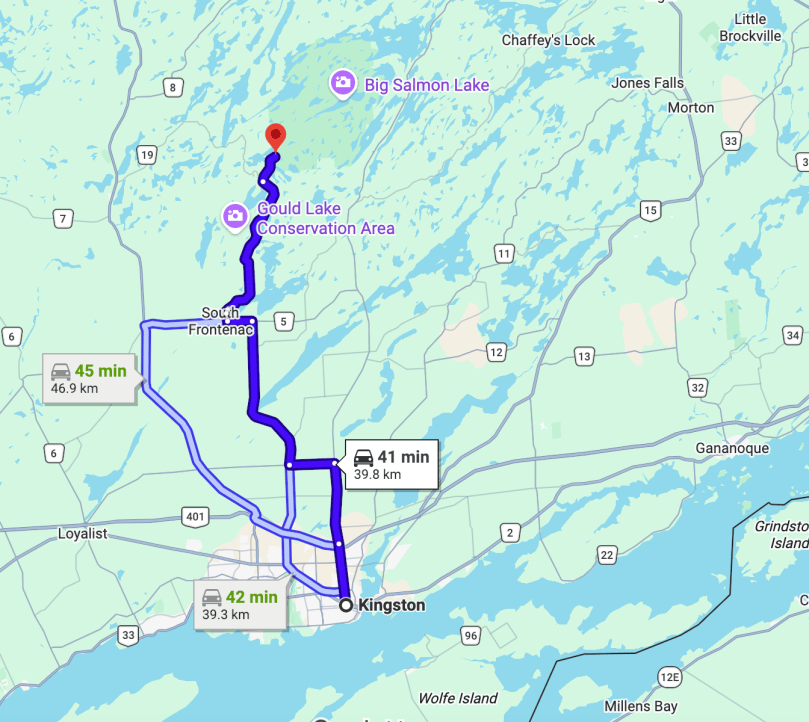
Frontenac Provincial Park is a short 40 minute drive from Kingston, Ontario
August is such a beautiful month to explore in Ontario. The black flies and mosquitoes are not quite as bad as the early summer. Wild flowers adorn the road sides and sweeten the air and hundreds of bird species take flight.
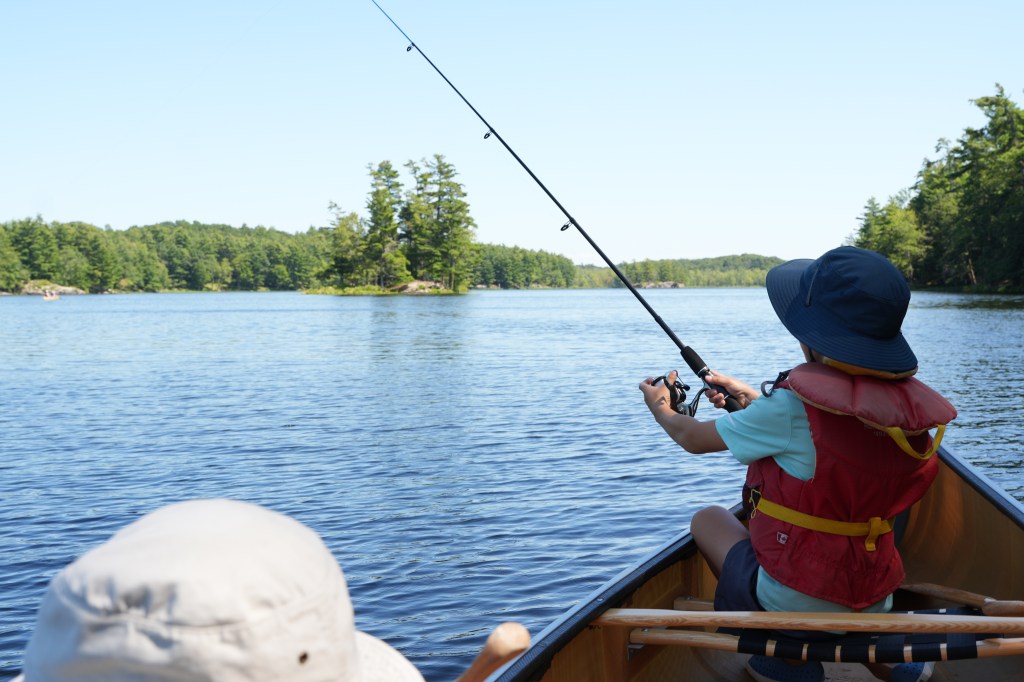
It’s been 11 years since I have canoed in Ontario. My last trip was in 2015 to Killarney Provincial Park. I recently returned, years later and with 3 children in tow. They have been eager to dip their paddles in Canadian waters. A summer trip to Kingston and Gananoque, Ontario brought us to the front doorsteps of Frontenac Provincial Park. Located just 40 minutes away from Kingston, Ontario, this beautiful 5,350 ha (13,200-acre) provincial park is perfect place to escape the city life.
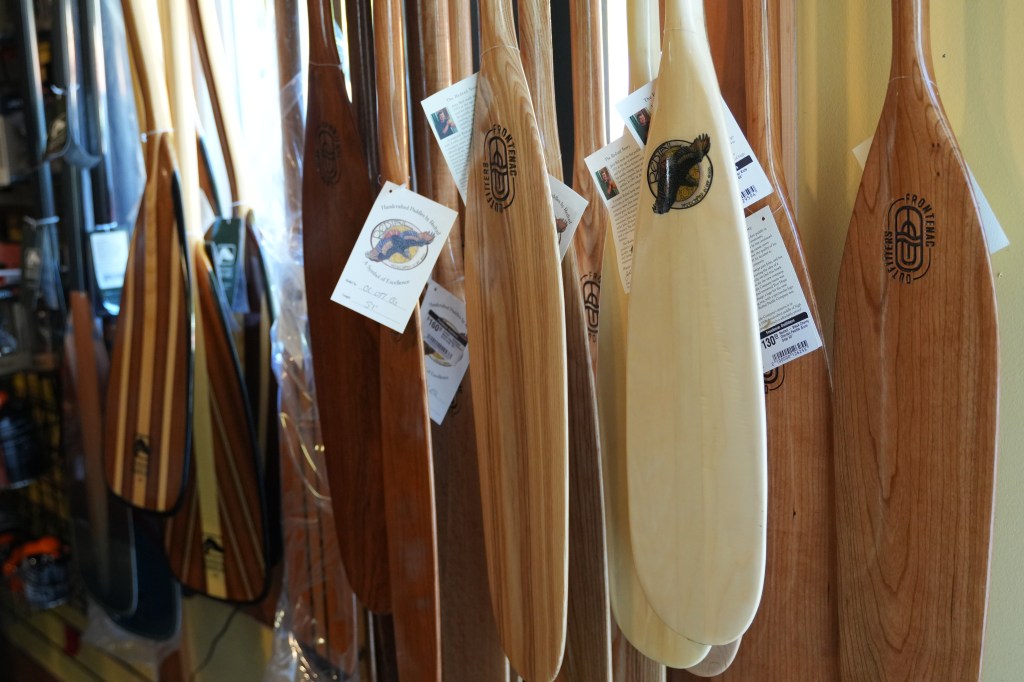
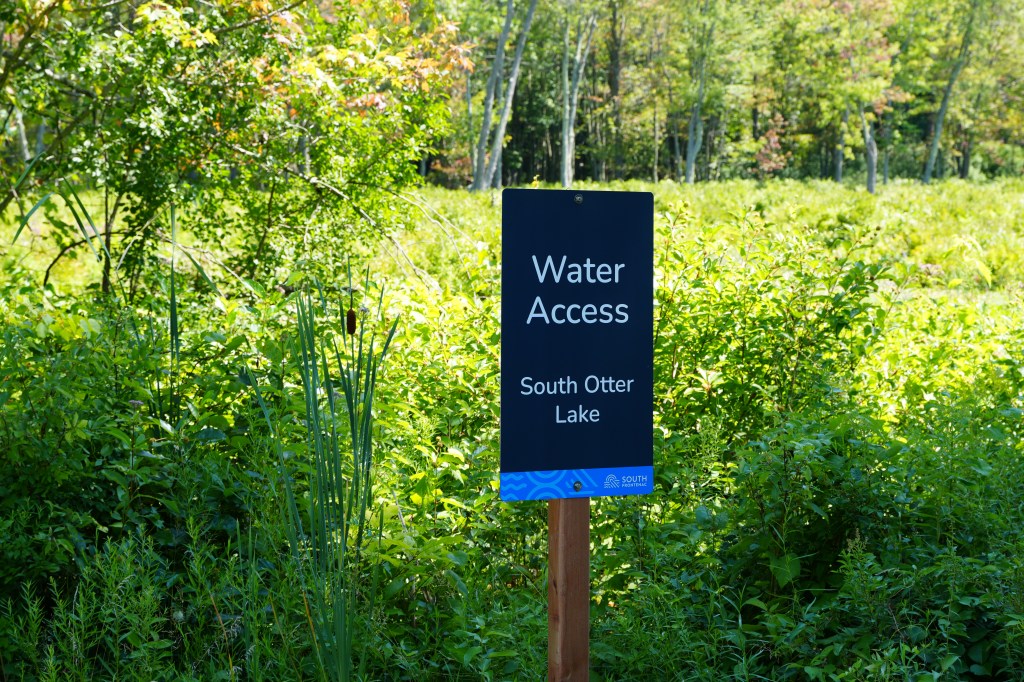
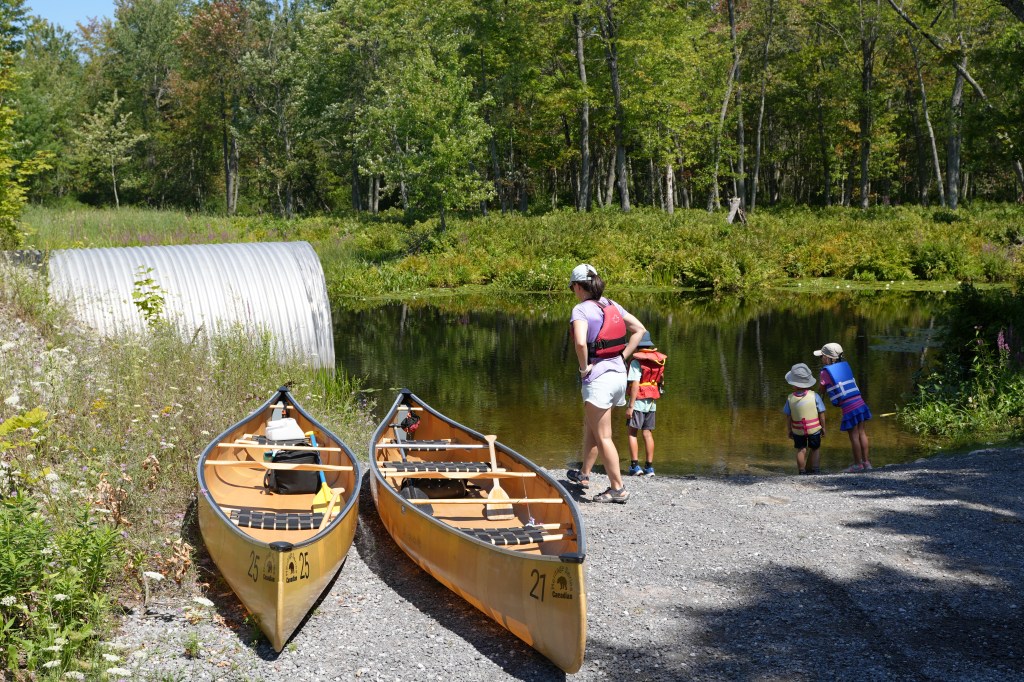
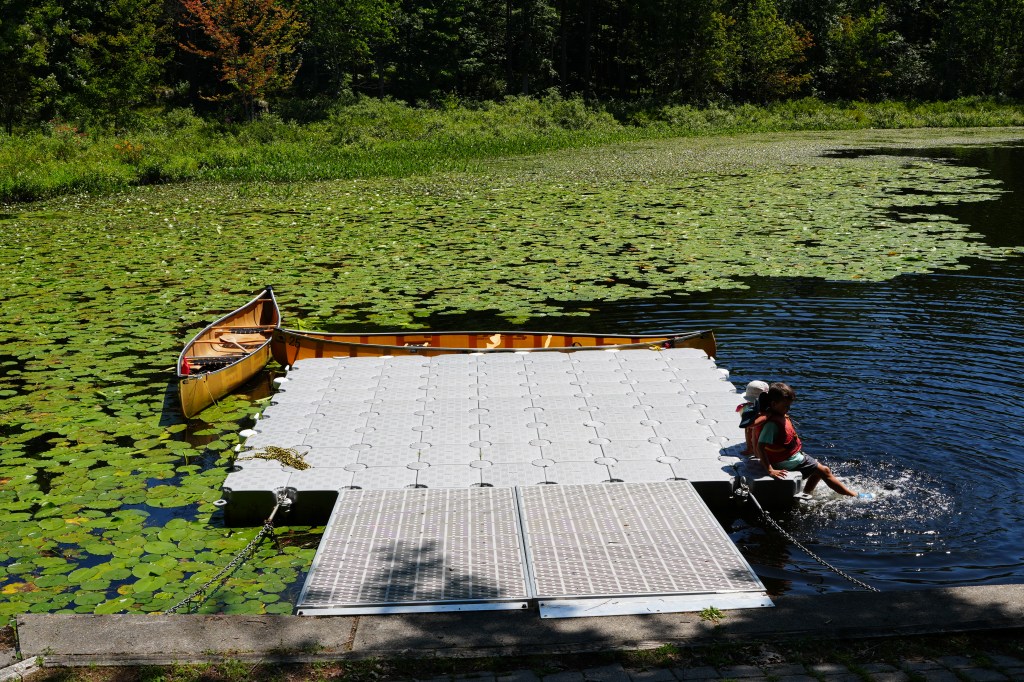
Frontenac is quieter than your most well known provincial parks (Algonquin and Killarney) and I appreciated it for this reason. We were outfitted by Frontenac Outfitters Canoe and Kayak Centre, located just 10 minutes before the park. Their team was very helpful and brought our canoes to the put in at South Otter Lake boat launch off of Salmon Lake Road.
Outfitter vibesFrontenac Outfiffters will have what you need to paddle in the park.South Otter Lake put in
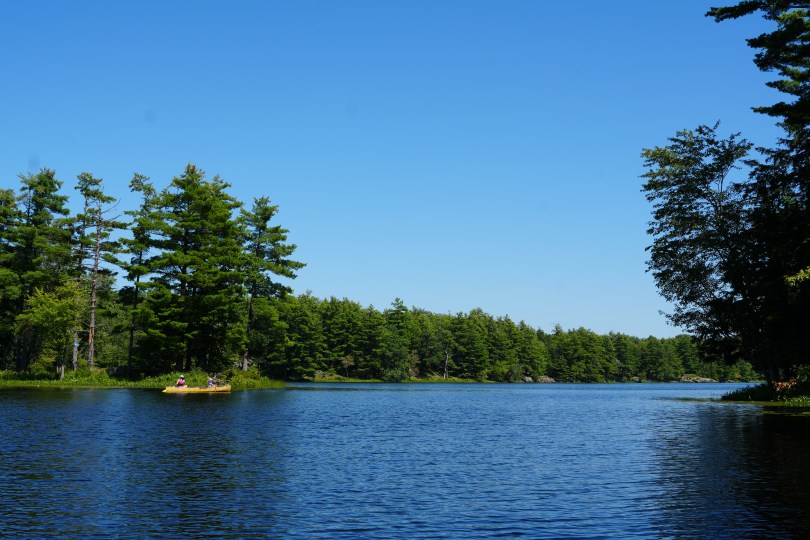
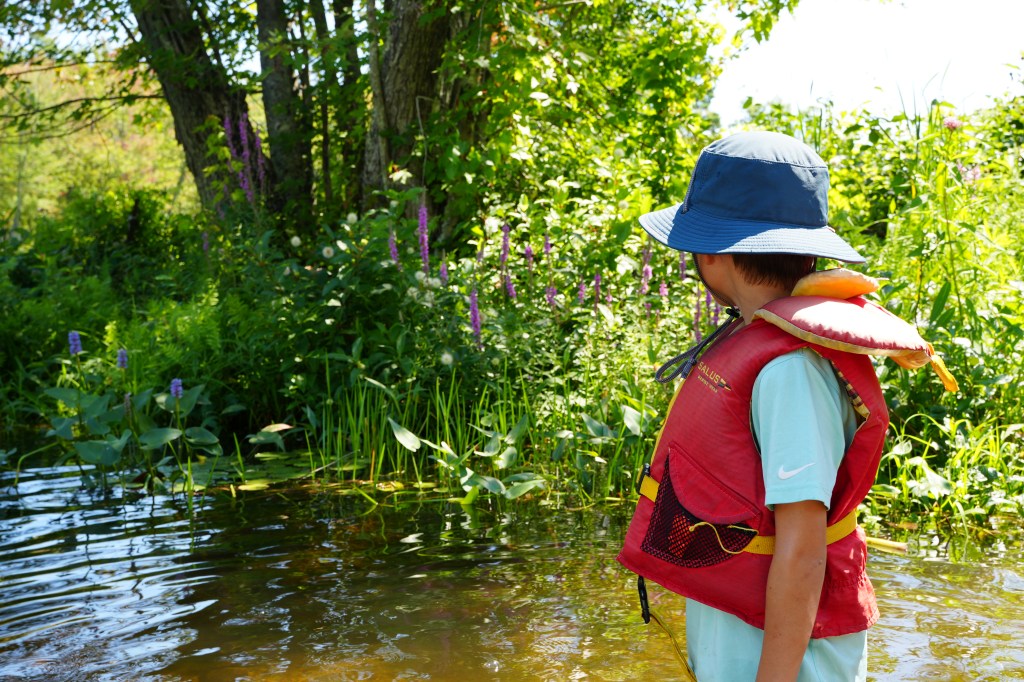
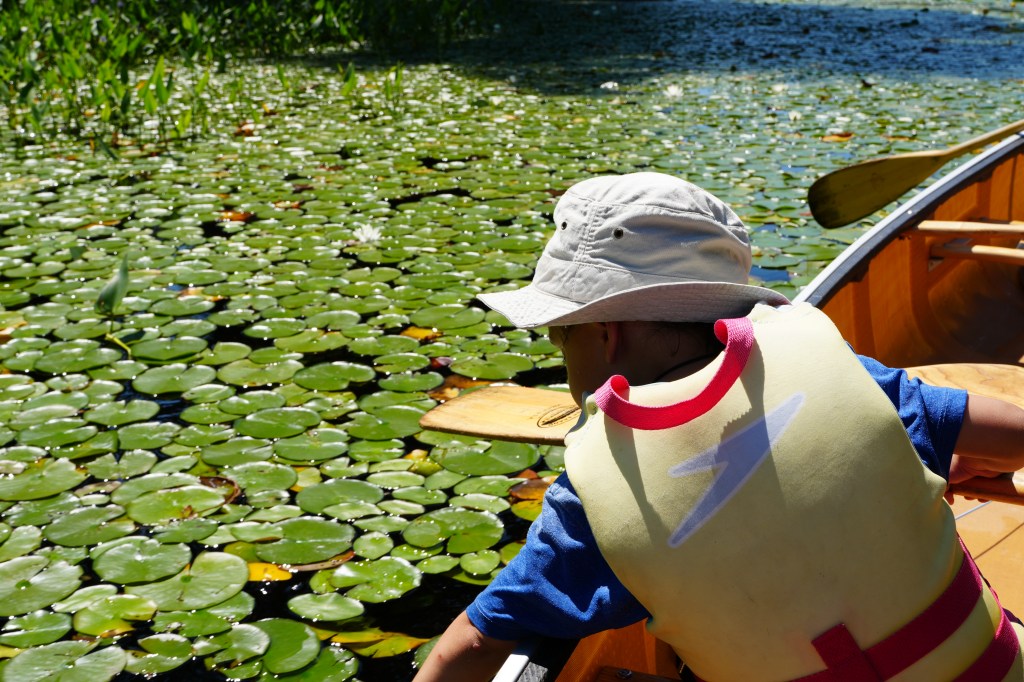
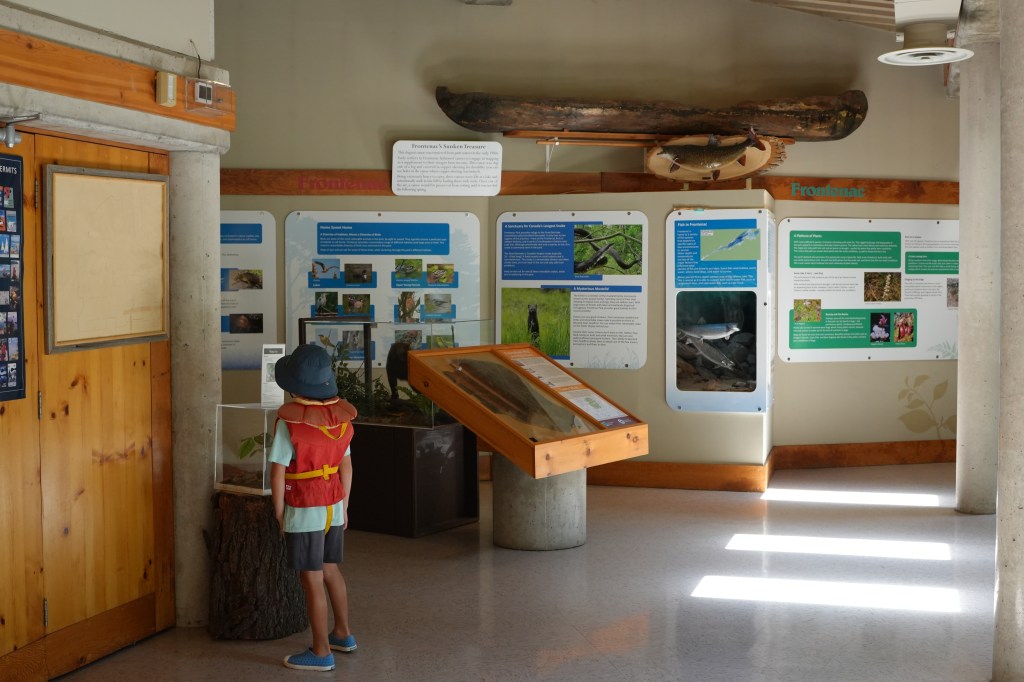
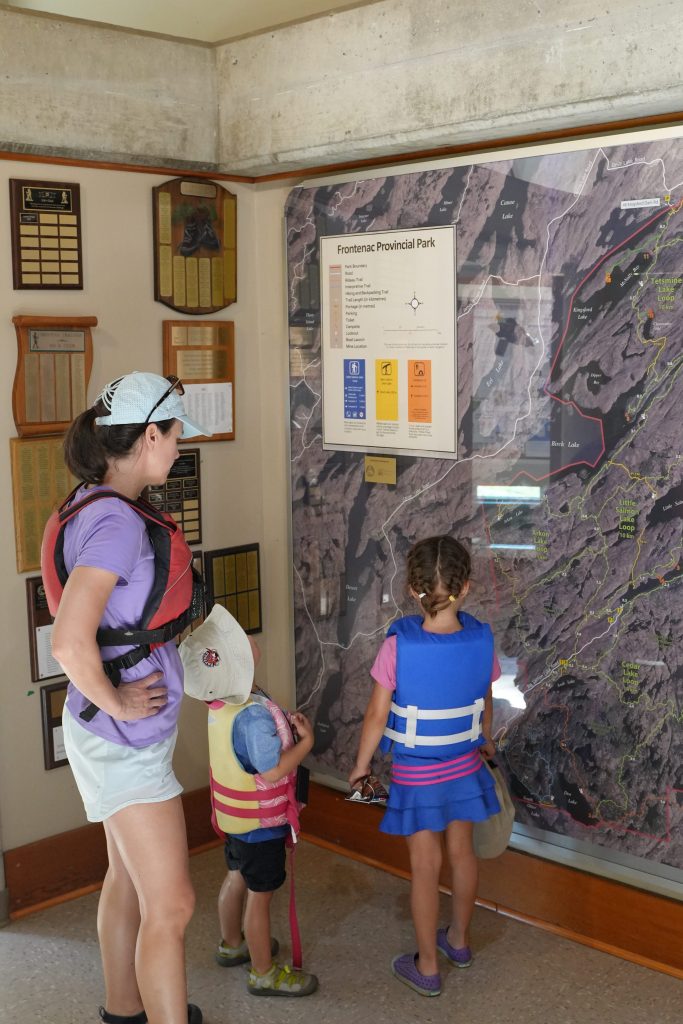
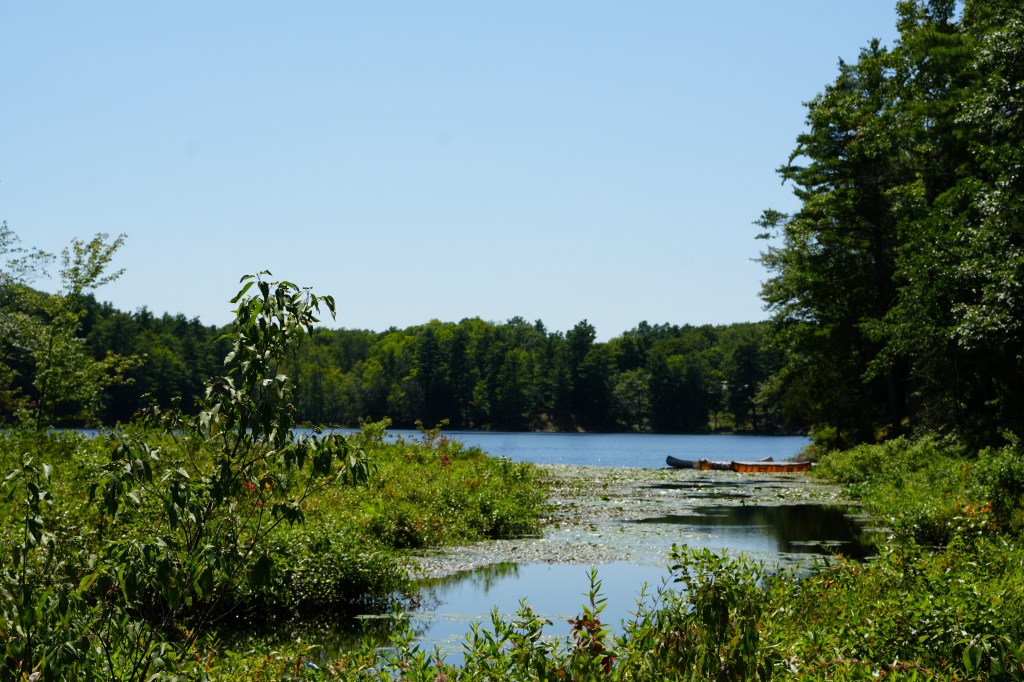
The conditions were perfect. A sunny day with minimal wind. The clean and cool waters were exhilirating to the children. They remarked at the clarity of the lake and the visibility. Lily pads filled sections of the lake and they loved to run their fingers under the slippery undersides of the lily pads. We paddled into the welcome center to check in and explore their exhibits. These were very well done.
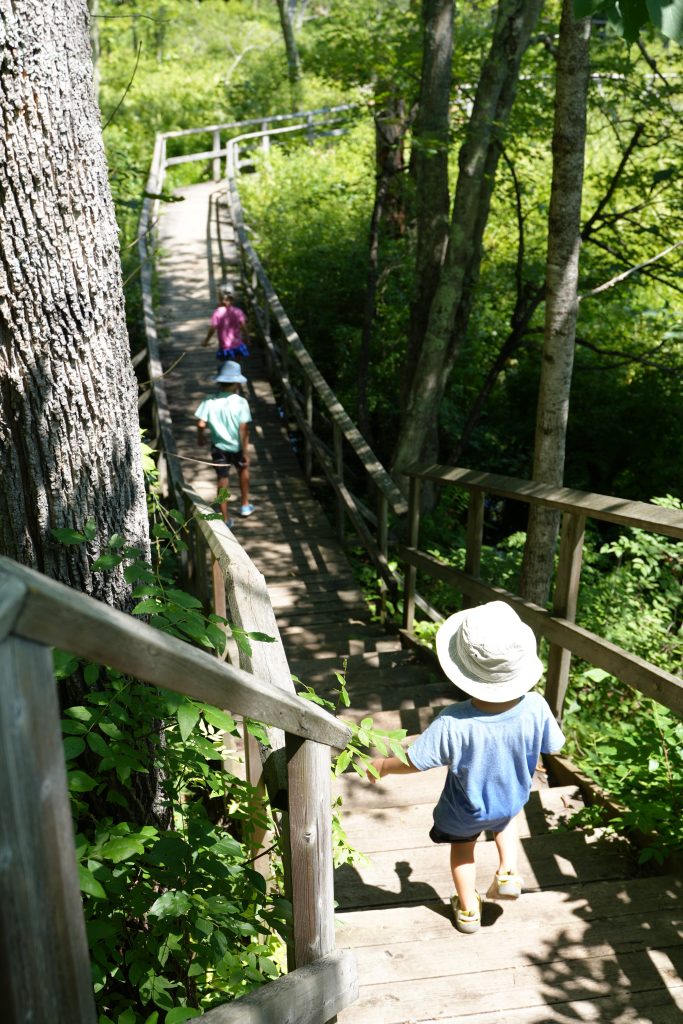
We took on the short Arab Gorge Hiking Trail (0.8miles) which toook us through valley-bottom marshes, granite rock faces adn wooden boardwalk areas through the low gorge. The highlight of this trail was finally finding some silver birch bark for the children.
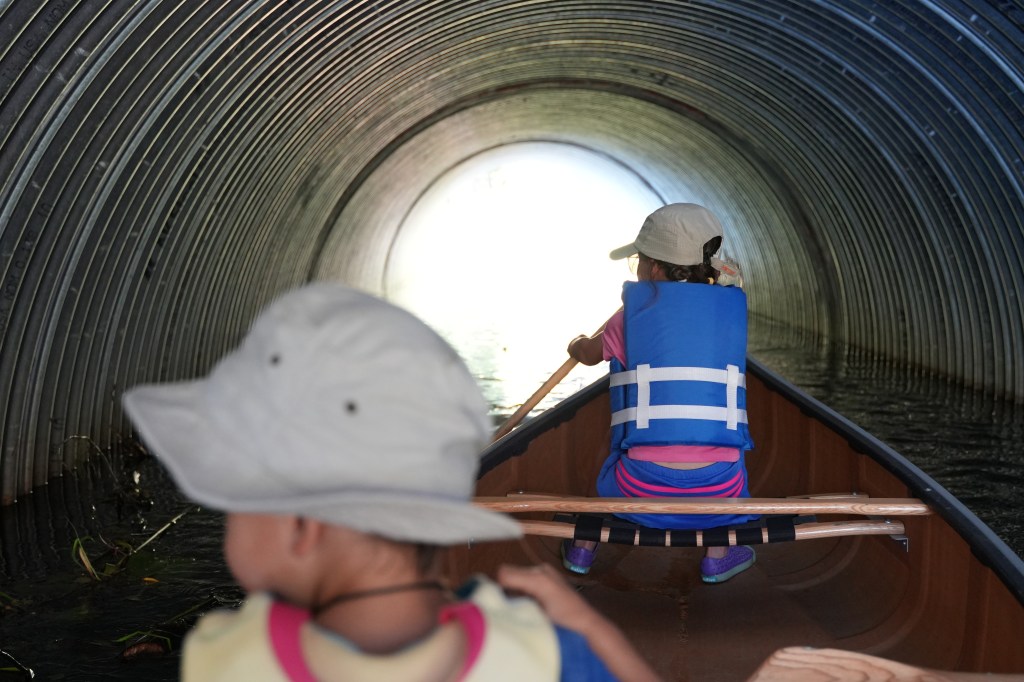
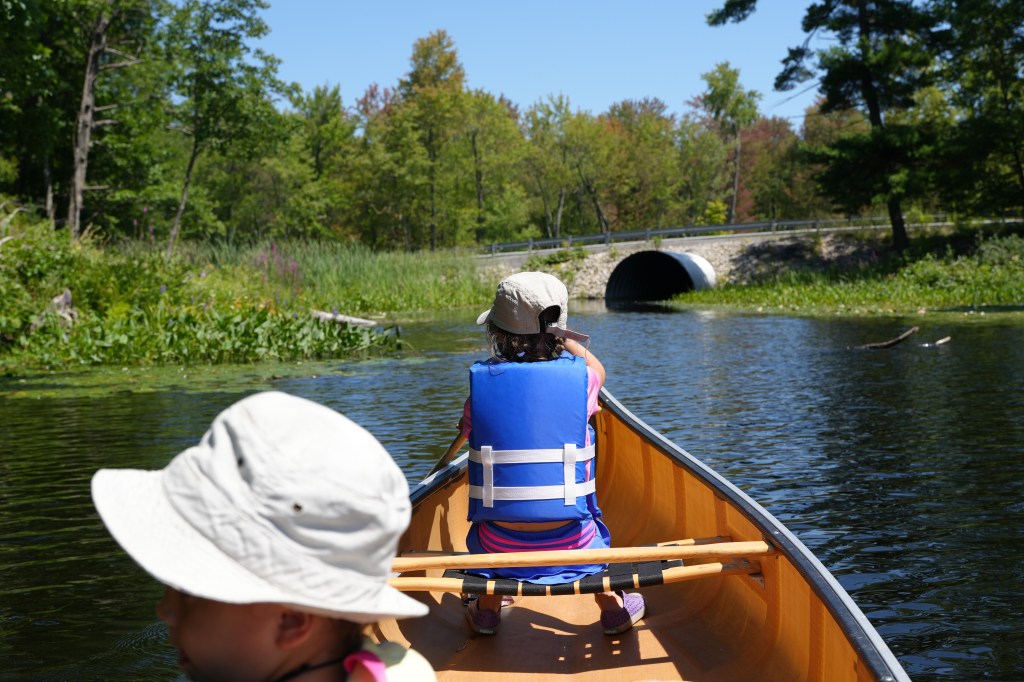
Salmon Road tunnel
After eating some lunch under the canopy of large jack pines, we launched the canoes again to explore more of South Otter Lake. The park was vacant that day apart from some canoe campers and swimmers. We stopped to chat with a nice couple in their mid to late 70s. They both appeared strong and filled with vigor as they loaded up their canoes with traditional canoe packs, and gear. They were heading out for a 5 night trip. This was a team that knew what they were doing. I asked them how long they have been canoe camping, to which the man grinned “ever since we started dating in our 20s”. He remarked that as the decades have passed, he had to make some modifications to this canoe setup, swapping out his old canoe for a new kevlar light weight canoe to portage. We wished them luck on their trip and good weather.
Arab Gorge TrailSouth Otter Lake
Spending time in Frontenac Provincial Park made me remember just how much Canadians appreciate and love their outdoor environment. May we continue to conserve and protect the lands and waterways for future generations.
Thank you to all the staff at Frontenac Provincial Park.
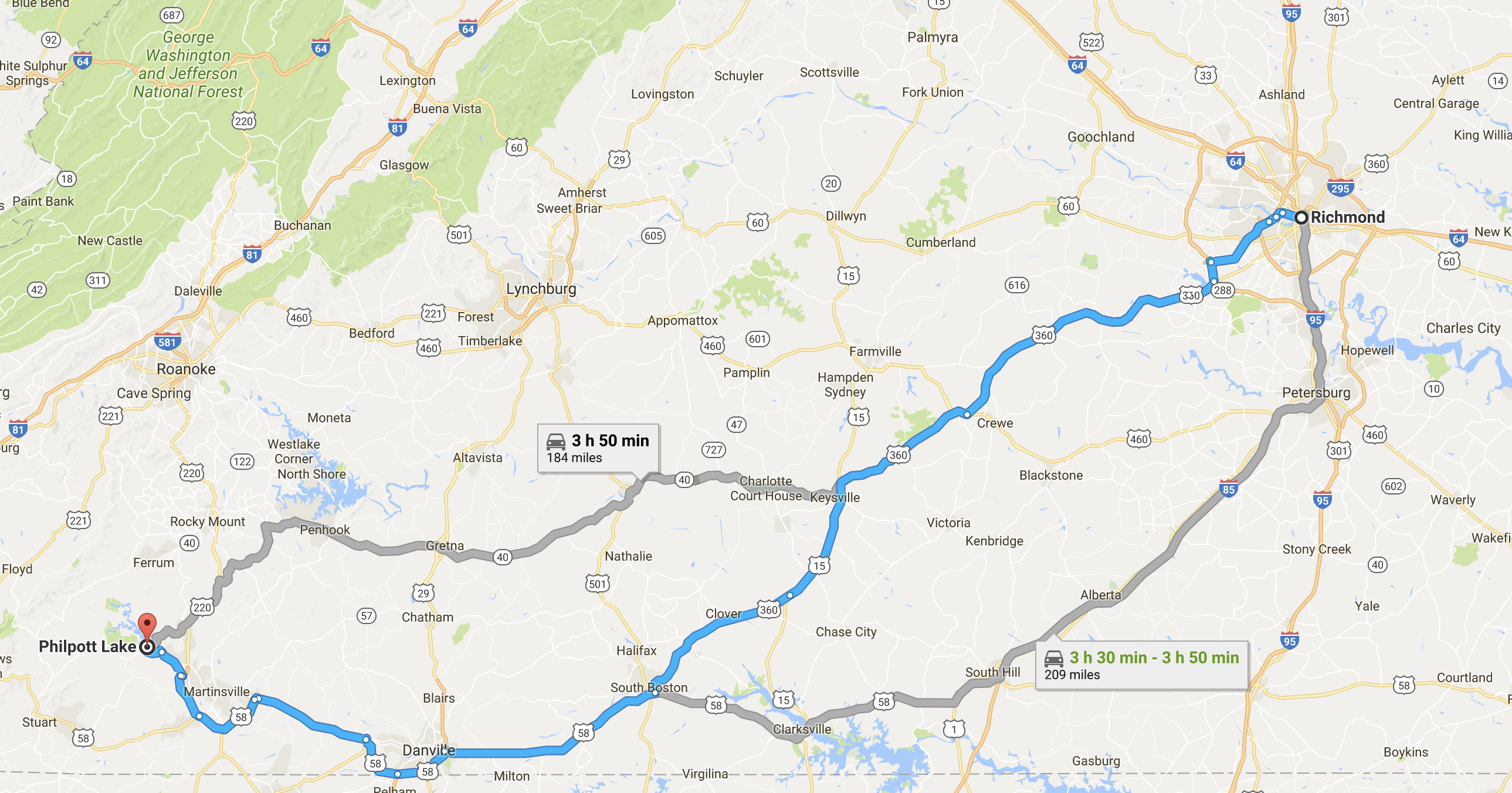
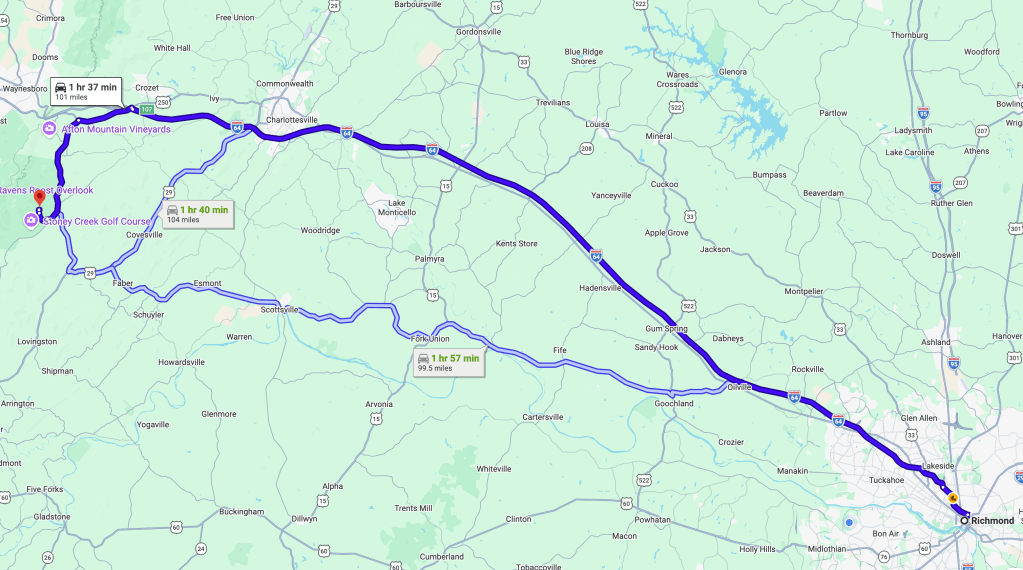
The drive to Philpott Lake, is about 3.5 hours from Richmond, Virginia.
Some of my most vivid memories as a child are from family camping trips. I remember the first time my father rented a canoe and took us onto Mew Lake in Algonquin Park in Ontario. We camped there for a several nights and had a blast. I took it all in. The novelty of camp gear was fascinating to me. Camp stoves, chairs, and axes – nothing out of the ordinary, but these pieces of gear allowed us to live comfortably in the thick of the wilderness. I remember being awe-struck by the natural world of Ontario in the peak of summer. The days were long, the bugs were out, and the lake was teeming with life. The feel of a slick lily pad as you dip your hands through the cool clear waters. Such memories have lasted a lifetime for me.
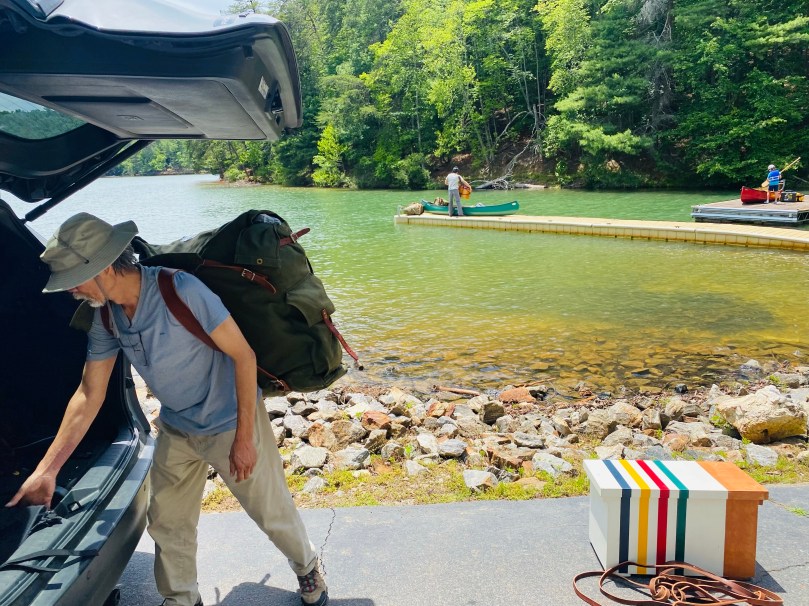
Loading up our gear was easy at the Salt House Branch Access Point. From here, it is a short paddle (less than 0.25 miles) to Deer Island. We still use traditional Duluth Canoe Packs on our trips. Pictured in front: Our wannigan (camp kitchen box) that we constructed in the Hudson Bay Tradition. We brought two canoes on this trip, both royalex. Old Town Camper in green and Nova Craft prospector in red.
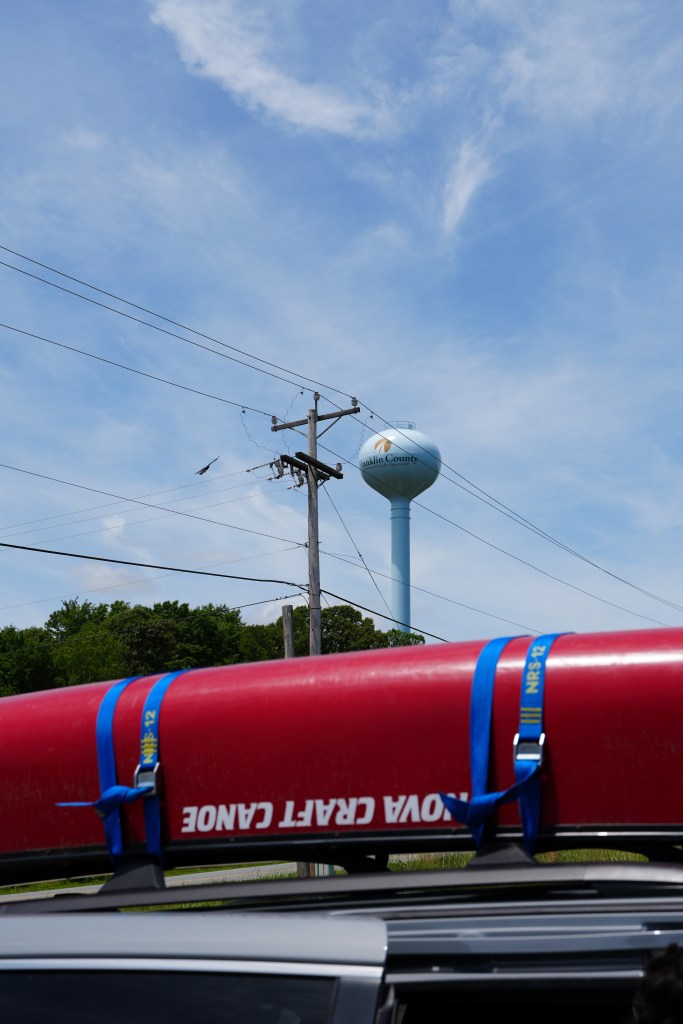
We approached Philpott Lake from the east and crossed into Franklin county. The large lake spans 3 counties total. Pictured: NRS straps have been a staple piece of gear for our canoe trips. They are thick and sturdy, and have made strapping canoes down a breeze.
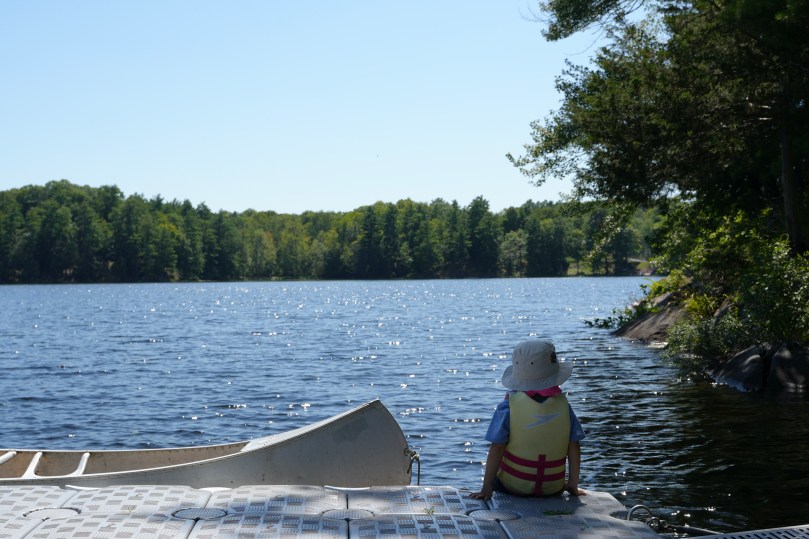
My youngest son (4 years old) has been begging to go on a canoe camping trip ever since his older siblings were allowed to camp on Lake Moomaw in 2024. The time was now! We had a beautiful weekend coming up in June 2026, so we rallied the troops and recruited my parents and older brother. With 3 kids in tow, I wanted my son’s experience to be a little more accommodating than the back country of Lake Moomaw in the Allegheny highlands. The logical choice was Philpott Lake, near Martinsville, Virginia. My last time here was in 2017. I remember the lake being clear, and clean with easy to access facilities. For those interested in trying to learn how to canoe camp, I think Philpott Lake may be the best place. I made our reservation online and paid the $26 per day fee.
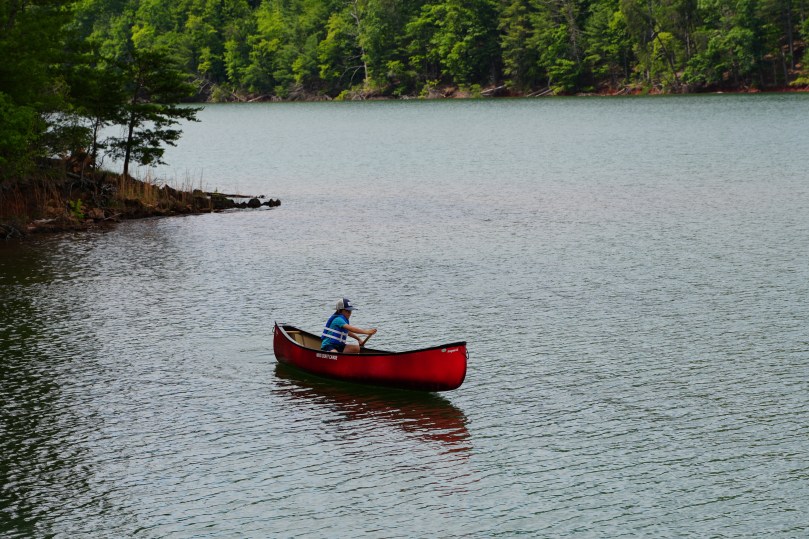
Practicing his solo paddling in a 17ft nova craft prospector in royalex.
We would be camping on Deer Island in the South East section of the lake. There are 21 boat-in campsites on Deer Island as well as 2 clean portable toilets in the center of the island. The paddle to the island is less than 0.25miles. We picked campsite 20, facing the west. Philpott Lake is large, with numerous access points! So pick your access point ahead of time. To access Deer Island, we arrived at the Salt house branch access point. The park ranger recognized our reservation and we just parked our car next to the beach area. We loaded our gear and made the easy paddle to the island.
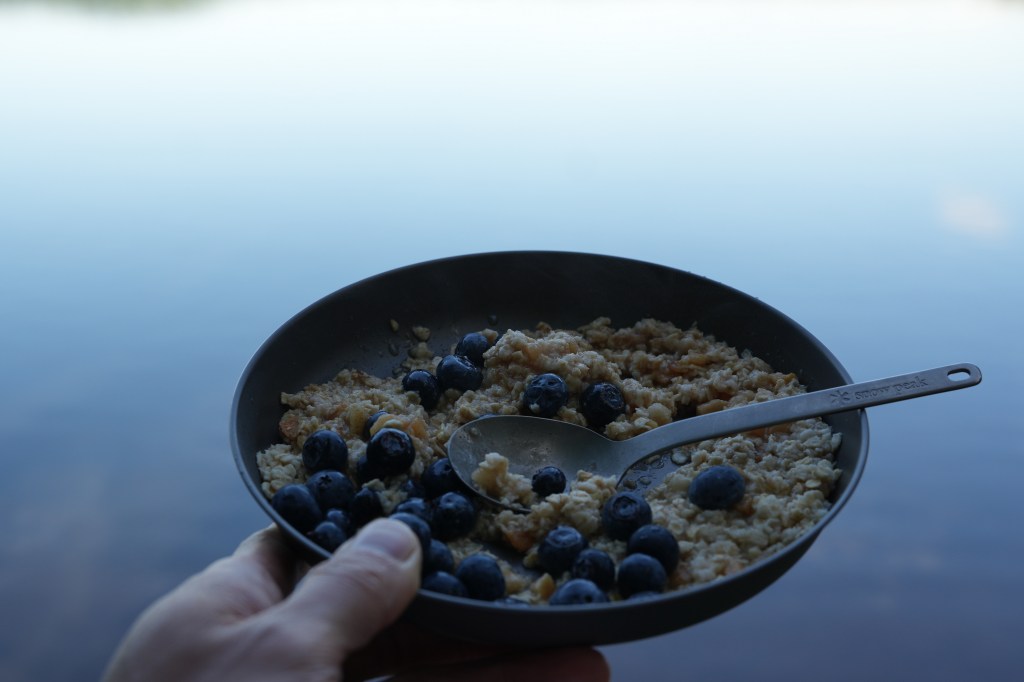
The boys tried their hand at catching the infamous walleye of Philpott Lake.A camp breakfast favorite for us, oatmeal and blueberries.
This massive 3000 acre reservoir spans across three counties (Henry, Franklin and Patrick counties) and was constructed by the U.S. Army Corps of Engineers (from 1948-1952) in order to help control flooding from the Smith River as well as generate hydroelectric energy and serve as a place for recreational activities.
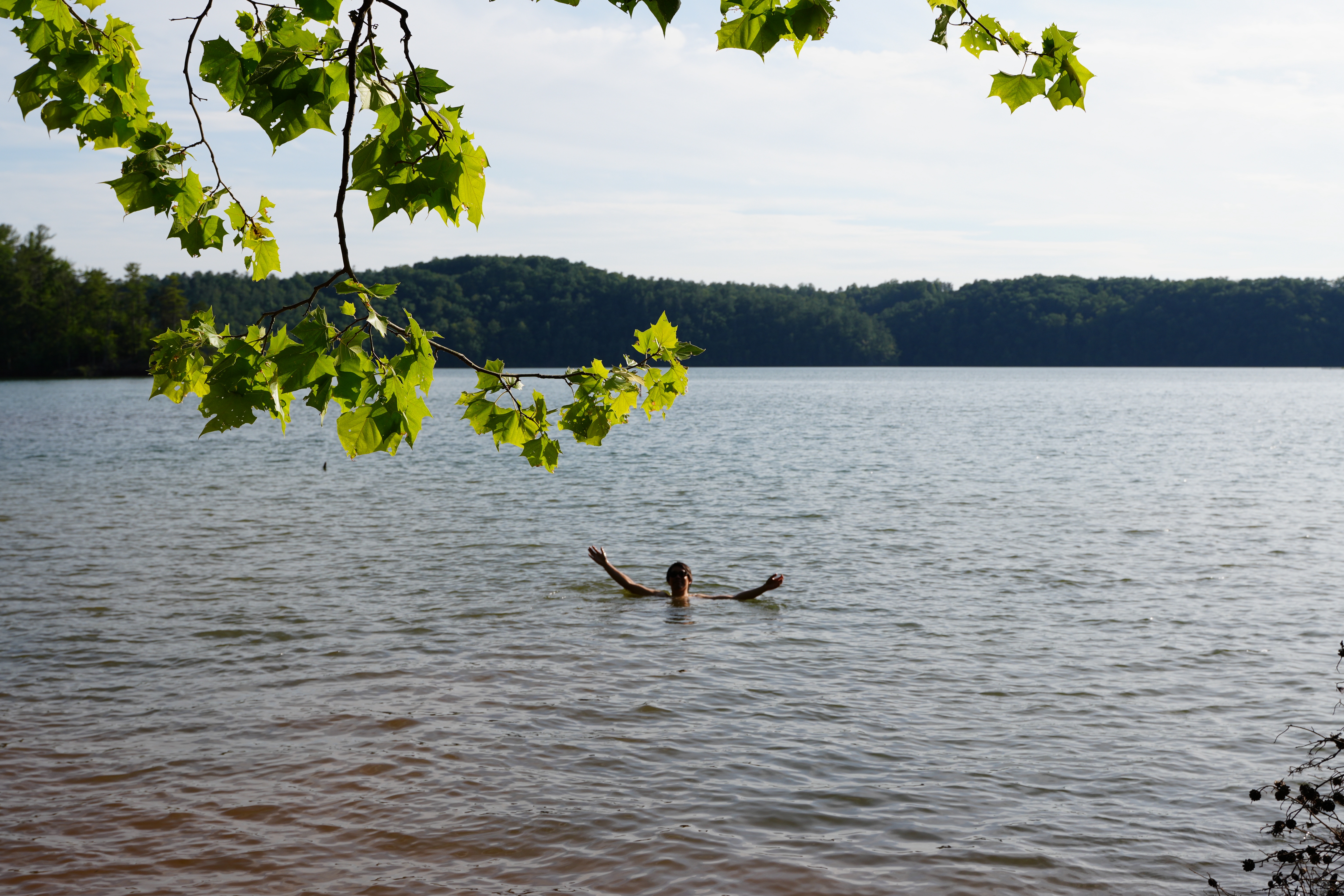
Not much has changed here since we have lasted visited. The park appeared well maintained and the park rangers seemed very helpful like last time. The water temperature was perfect and we spent our time recreating in the beautiful outdoors.
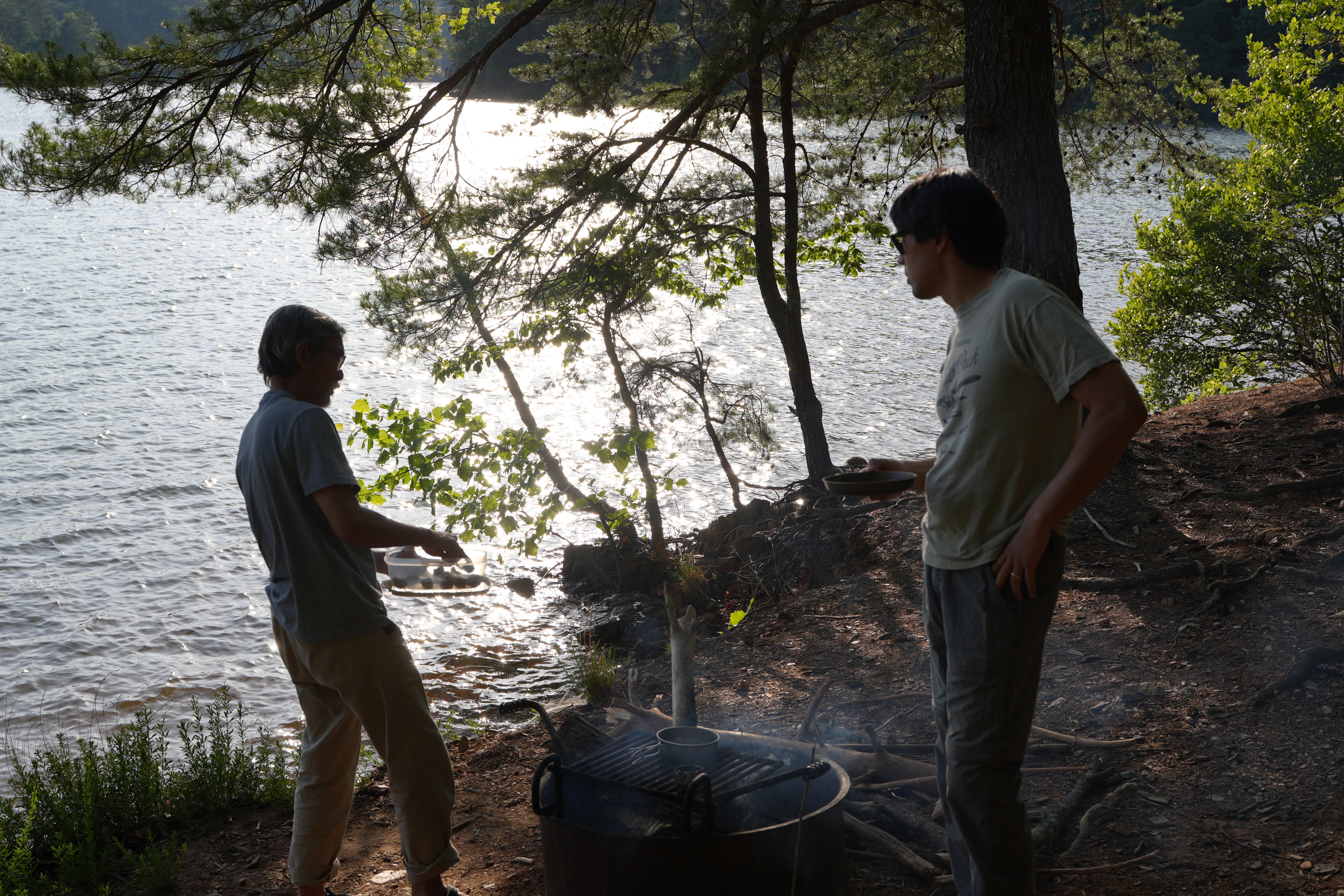
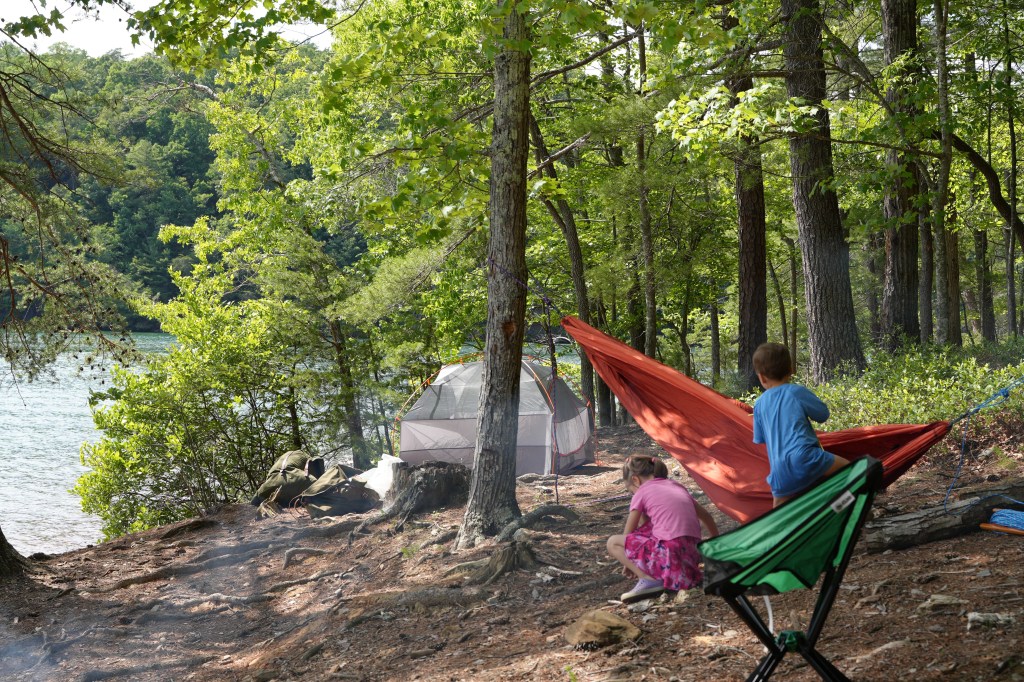
We had 3 tents and set them up at three different elevation levels on Deer Island. The kids enjoyed cooking by campfire, practicing their canoe paddle strokes and of course fishing. Philpott Lake is pretty massive, we wanted to paddle to Fairy Stone State Park to the east although it wasn’t in the cards for us.
The peaceful lake helped us usher in the summer season. We played until sunset, the kids roasted their marshmallows and watched the swallows dive right over the glassy water as they gracefully hunted for insects.
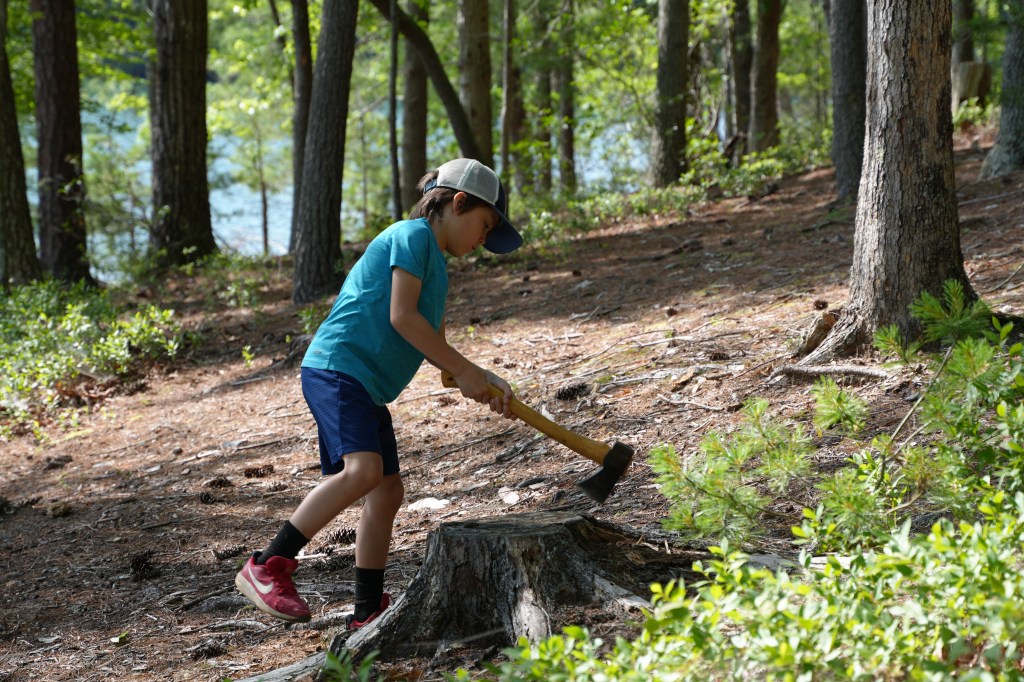
practicing some axe skills The hammock is was a new addition to our camp gear.
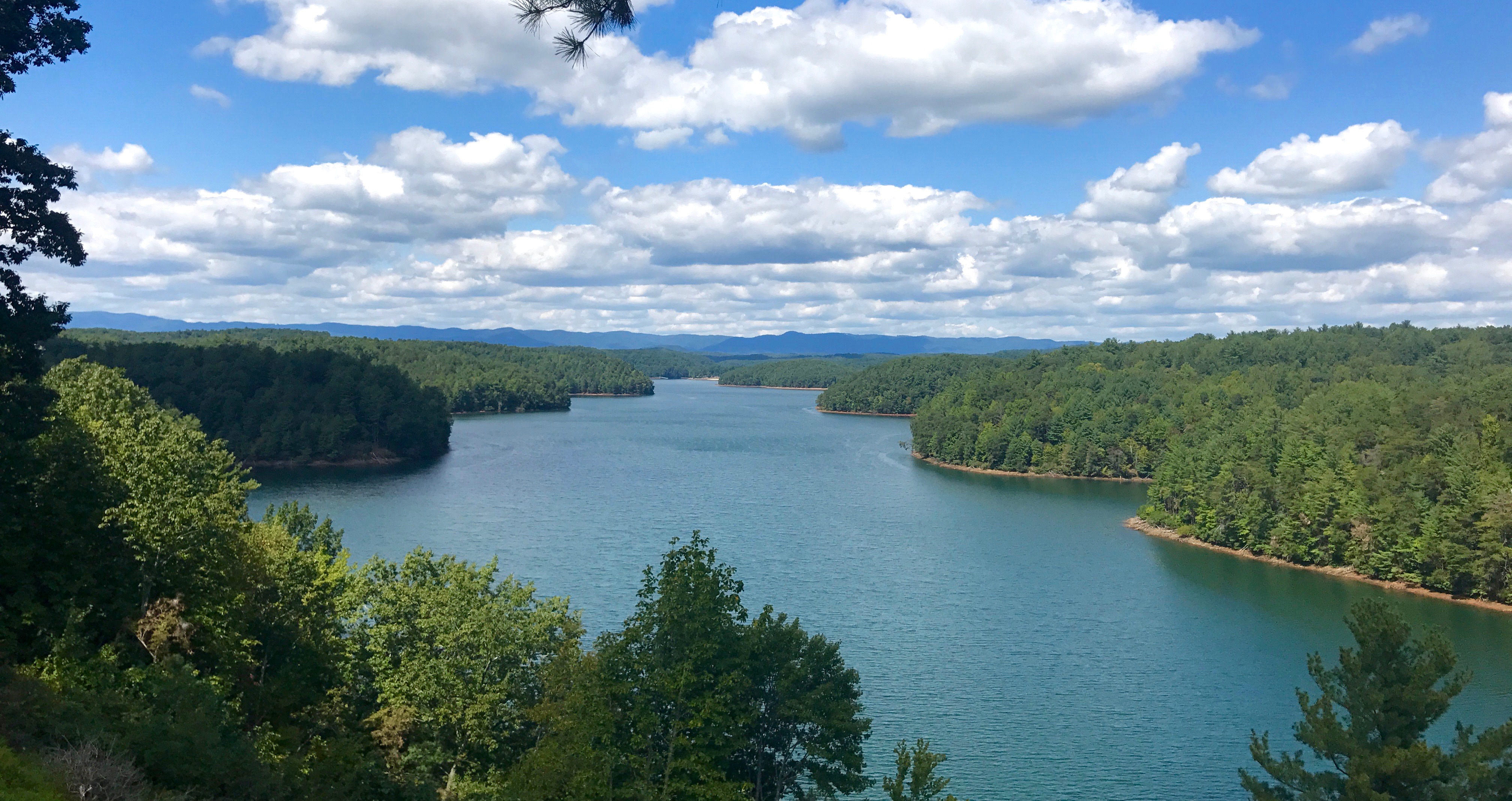
Philpott Lake is a gem of a lake that sits at the foothills of the blue ridge mountains
My son’s first canoe trip was a success. We were blessed with perfect weather, no rain and no bugs. He particularly loved sleeping in the tent and cooking by the fire. My older two kids also loved showing him all of the camp wonders. As we made the easy drive home, I looked in the rear view mirror at him as he asked: “Can we go again, for a week next time?” – I think he’s hooked.
*As always, for all visitors and campers, please remember to pack out whatever you bring in. Please keep this beautiful lake clean for all to enjoy and for future generations to come.
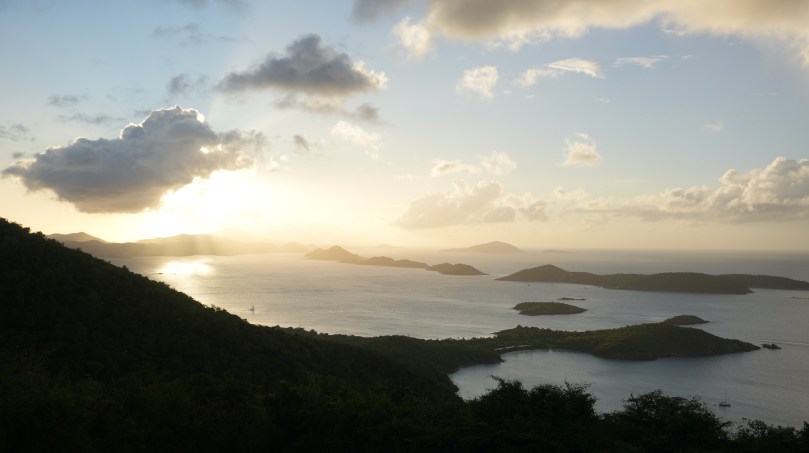
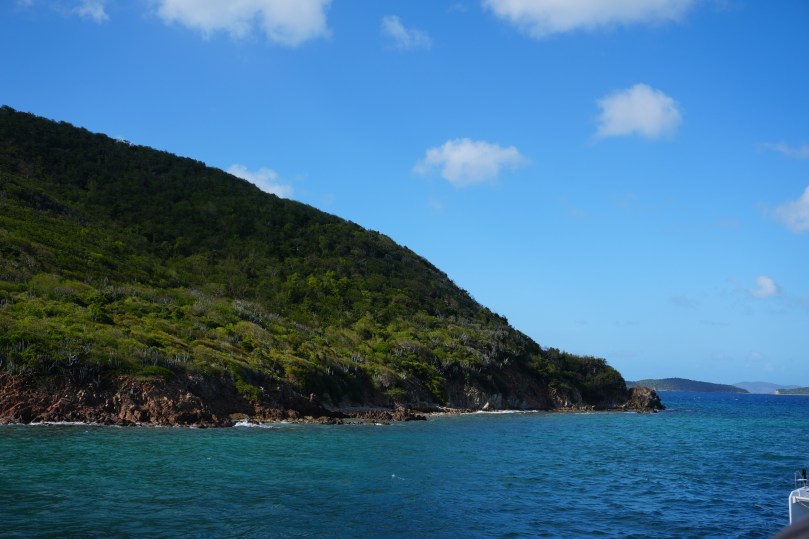
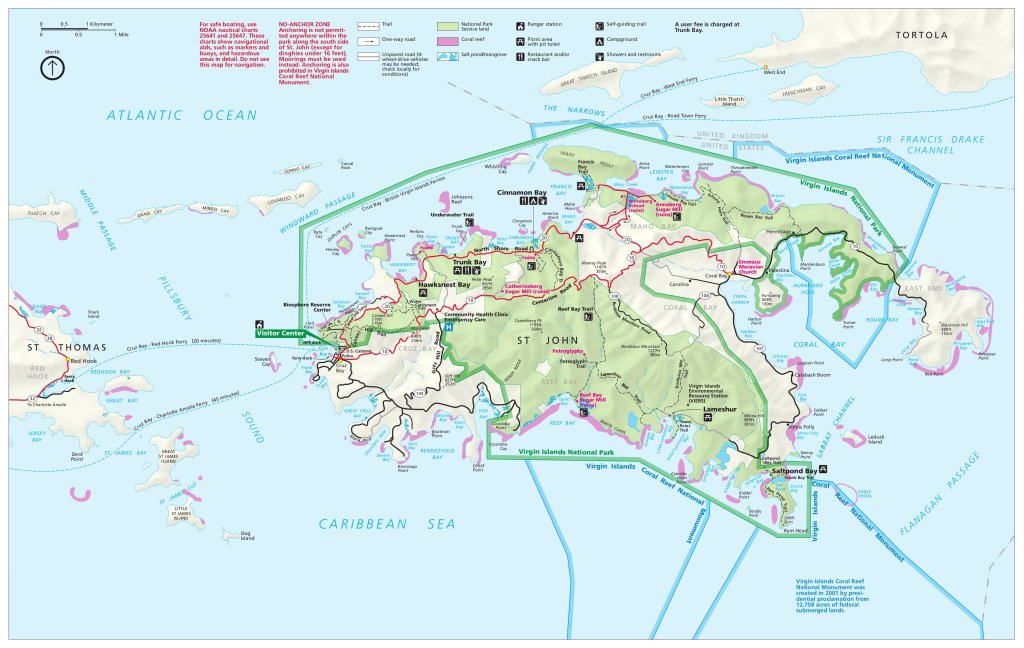
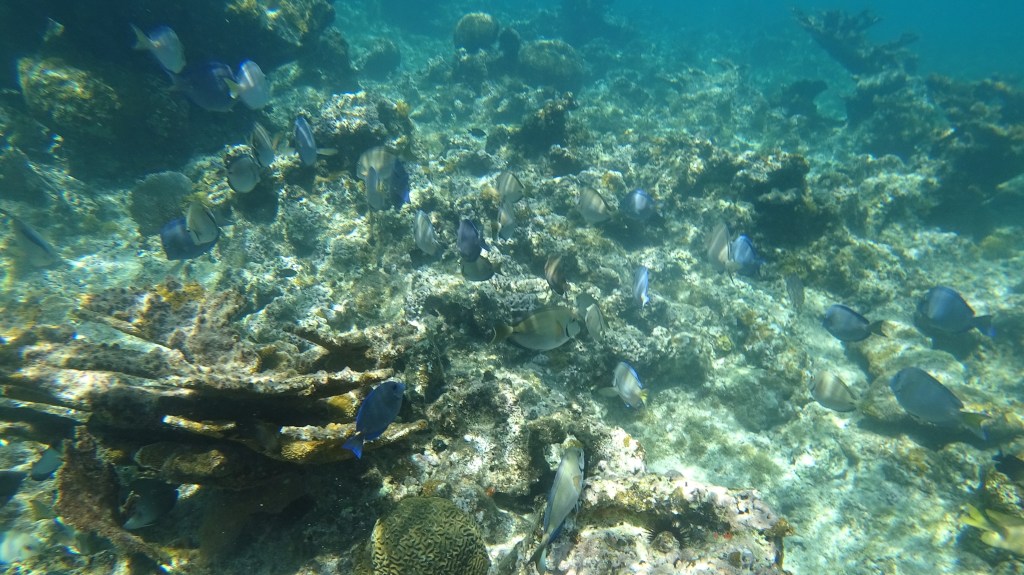
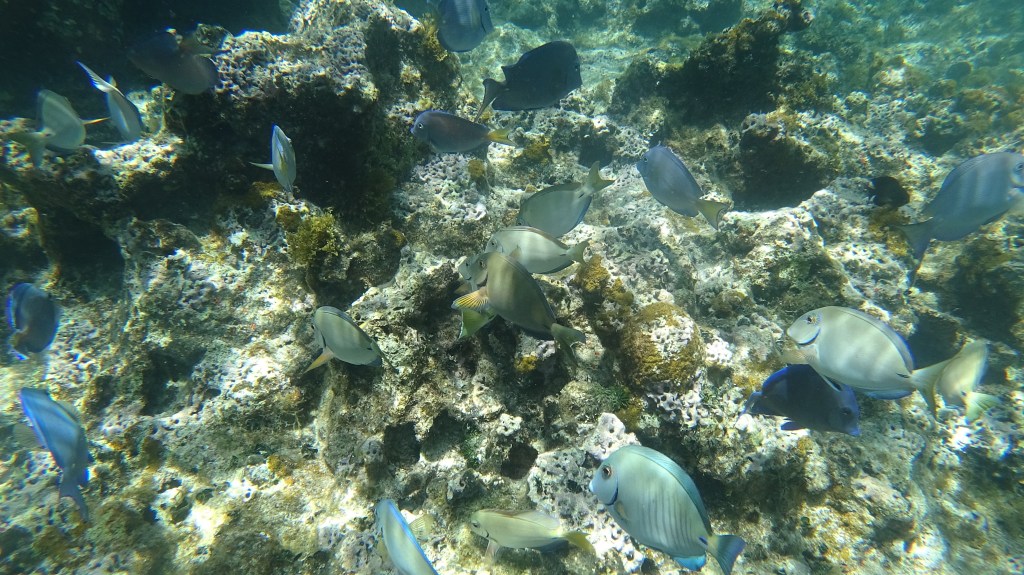
Of all 63 national parks of the United States, Virgin Islands National Park is one of the most remote. Located on Saint John, an island in the Caribbean Sea, Virgin Islands National Park covers nearly 15,000 acres of lush tropical forests, white sand beaches, mesmorizing snorkeling and a thriving wildlife scene. The national park covers approximately 60% of the island of Saint John and is protected under the national parks system.
Our last big trip to a national park was years ago when we took on Utah’s Mighty 5 National Parks. Six years and two more kids later, we felt like we finally had the gumption to go on another big adventure.
In the last week of March we embarked on two flights and arrived in Charlotte Amalie, the capital of the Virgin Islands on St. Thomas Island.
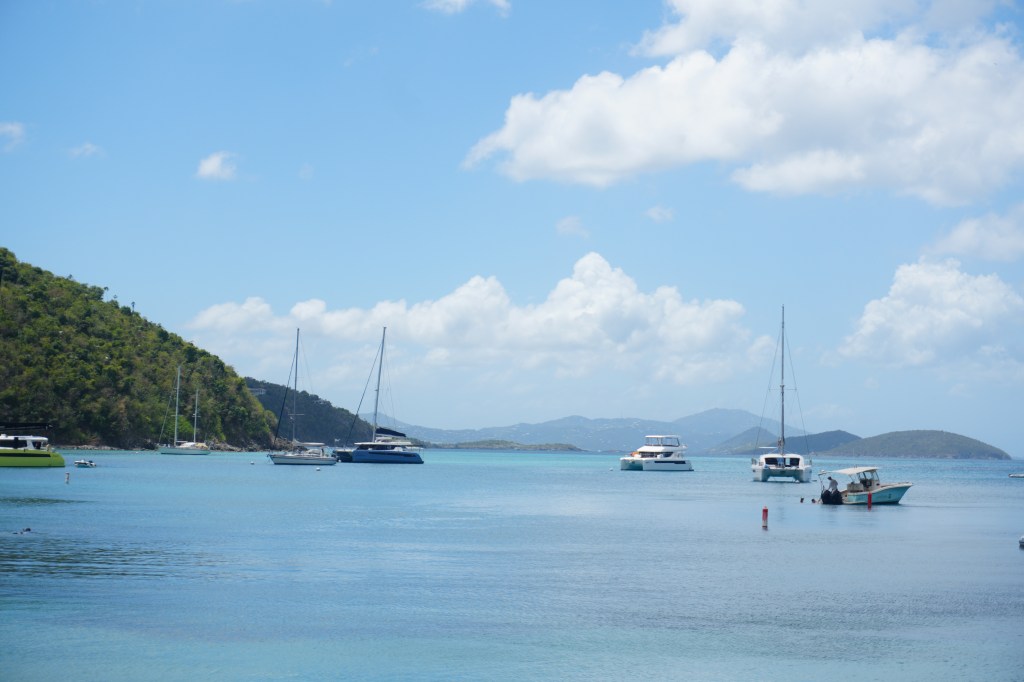
From here we took a ferry across the Pillsbury Sound to reach St. John. Upon arrival, the warm and humid air hits you in a pleasant way after a long winter. Colorful homes are situated in all layers of the island, giving you a sense of the mountainous terrain to be traveled ahead. Influenced by its Danish colonial background, the cars drive on the left hand side of the road. The people are nice and the bugs are out at night. We made it. We stayed in the Cruz Bay area, where several local markets, made it easy to get food and supplies for the week.
As beautiful as the islands are, the Virgin islands bear a dark history of Danish colonialism. In the 1600s, Denmark fought and cliamed St. Thomas and St. John for its West Indies colony. Their plan was to grow cotton and sugar, powered by a labor force of indentured Europeans. This proved to be not viable, based on supply and demand. Supplied by a Danish fort in Ghana, slaves were sold to the Virgin island colonies. Over the 200 years, 85,000 slaves were sent to the Virgin islands.
After years of rebellion and reckoning, the United States purchased the Danish West Indies after world war 1 in 1917. The Virgin Islands National Park was established in 1956.
In the last week of March, the weather in the Virgin Islands was sunny, with lows of 78 degrees high of 81 degrees. We explored mostly the northern end of Virgin Islands National Park.
Day 1 – Maho Bay – North Shore
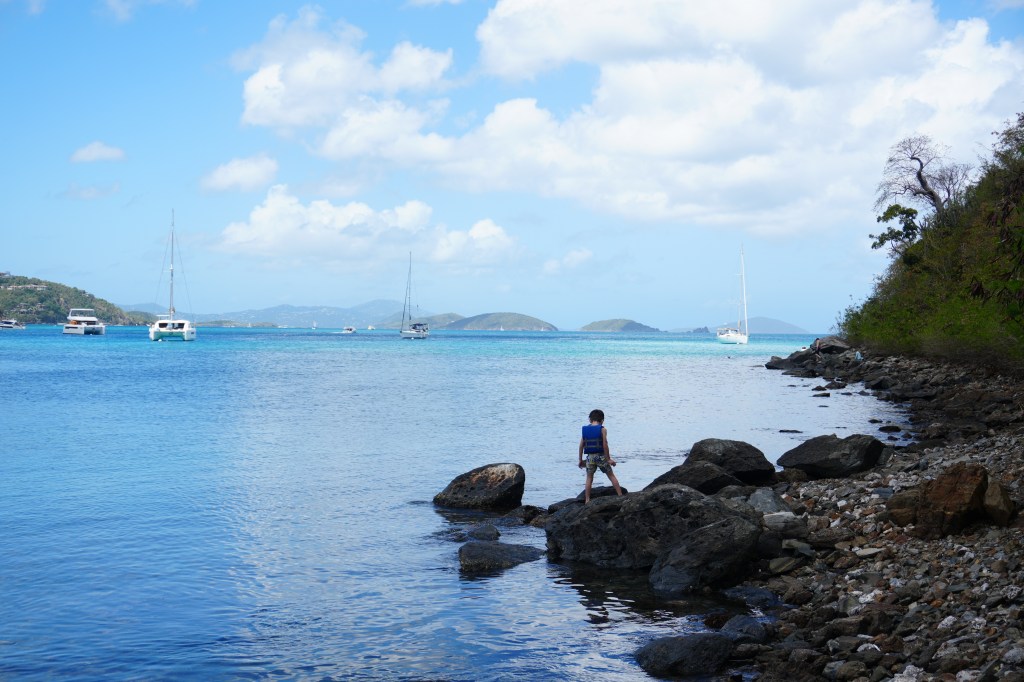
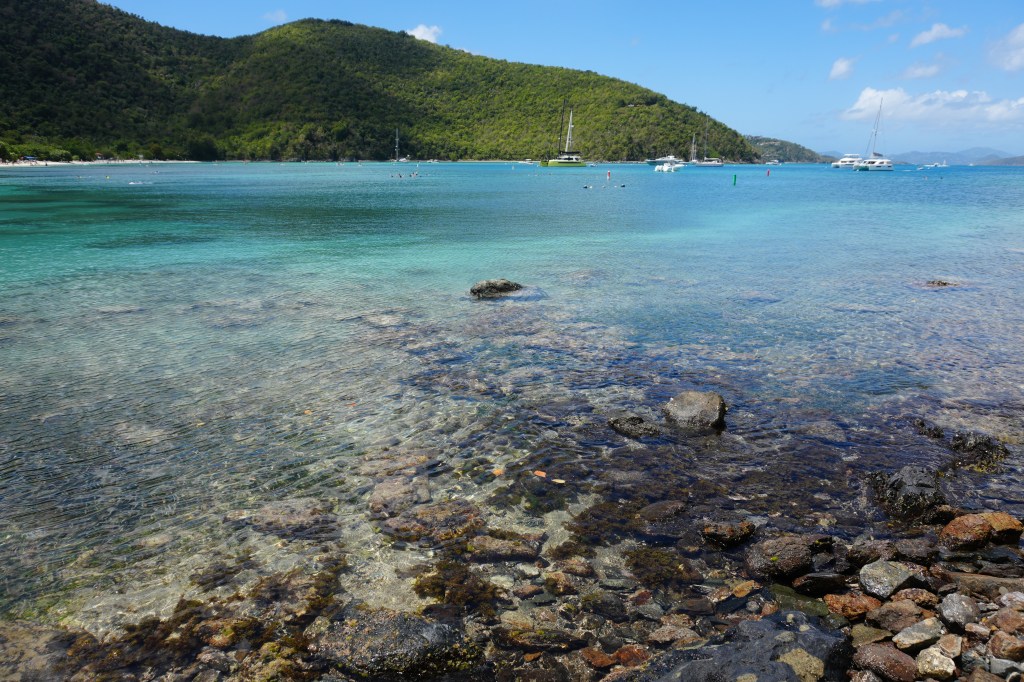
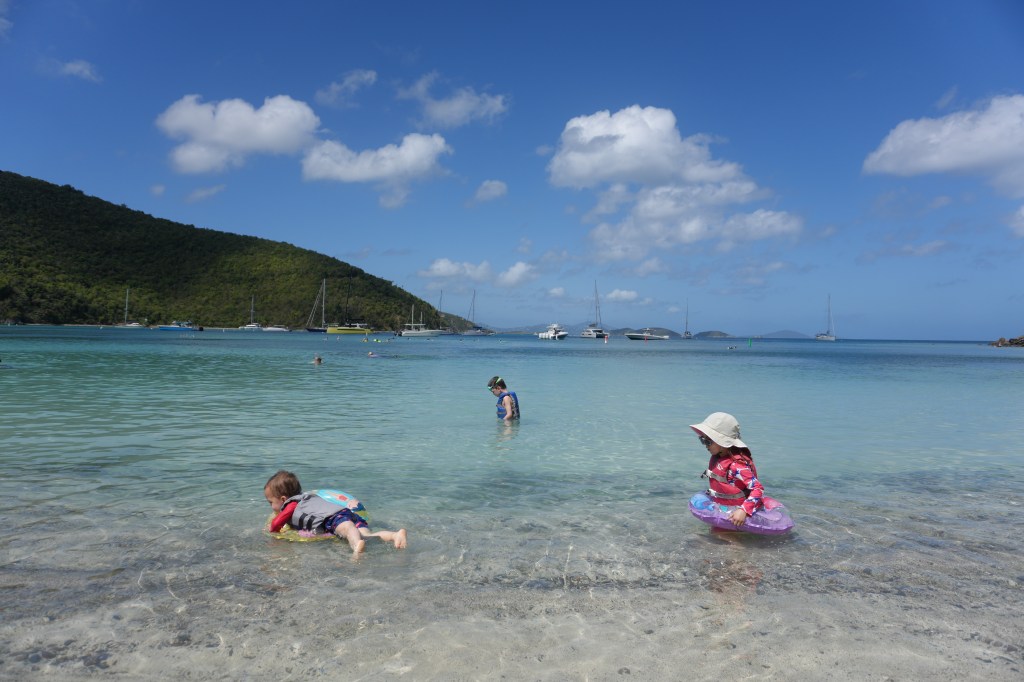
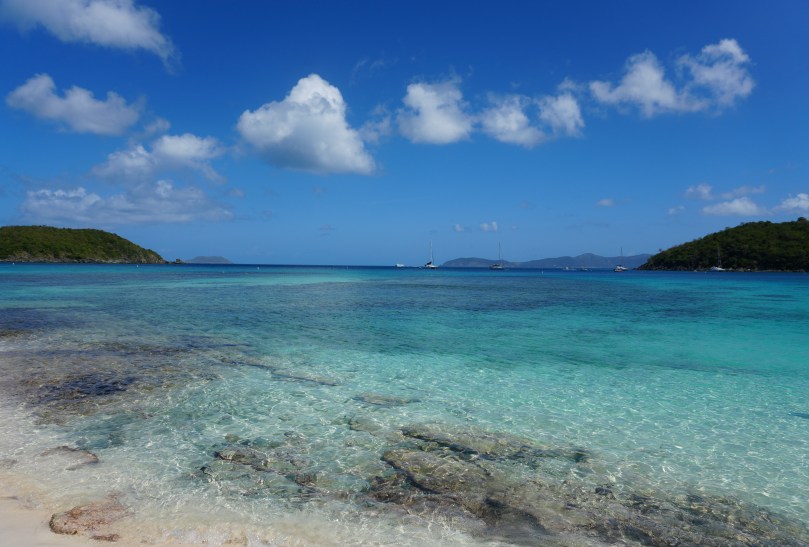
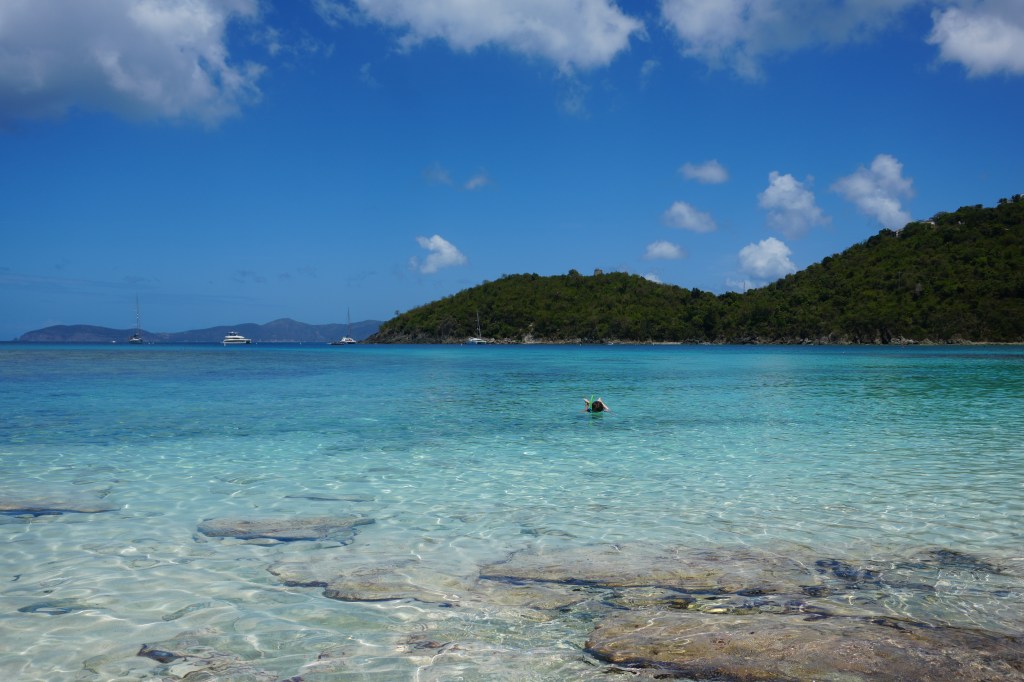
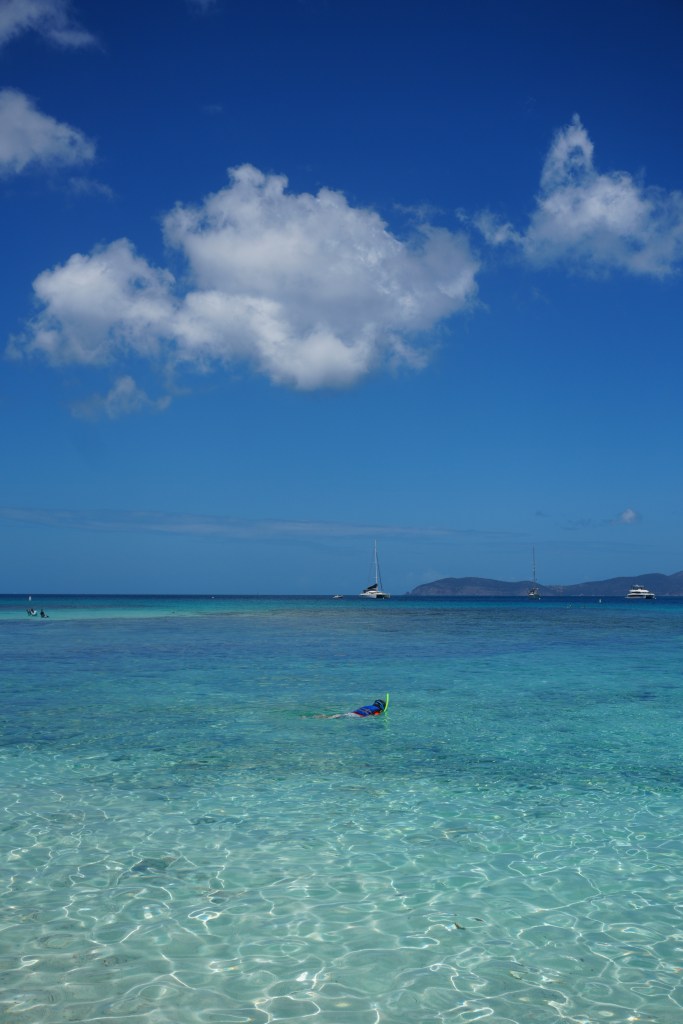
Maho beach features 0.3 miles of white sandy beach, and is known for its larger areas of seagrass, attracting sea turtles. The calmer waters of Maho bay make it a popular destination for families. There are several food and drink vendors across the street offering snorkel gear and kayaks. This spot was a good introduction to the national park, it showed us what was in store for the rest of the island.
Day 2 Hawks Nest Bay
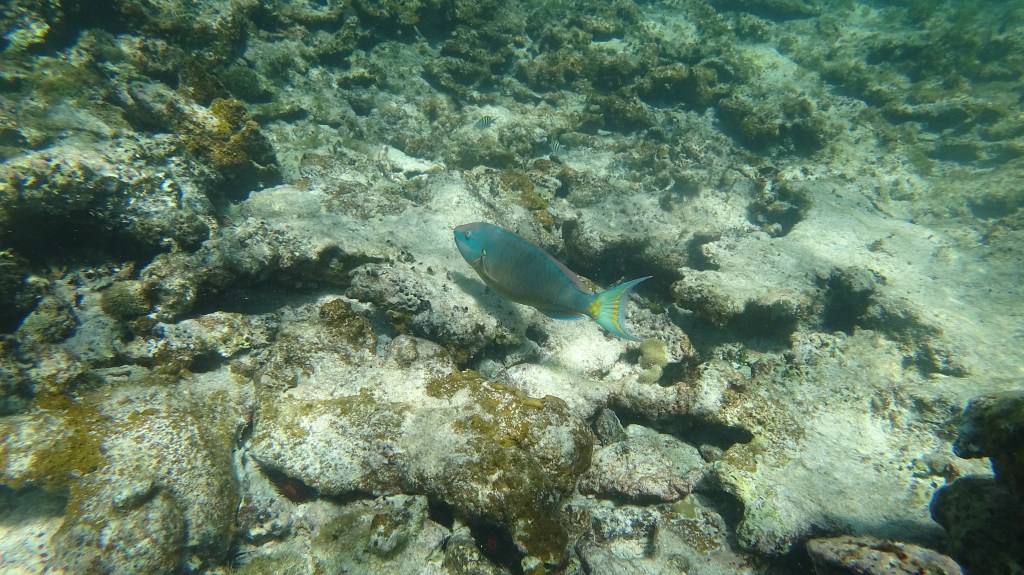
Hawks Nest Bay was one of our favorite spots. It is one of the closest access points to the entrance which led me to believe that it would be crowded. Surprisngly, it turned out to be a very peaceful spot with excellent snorkeling. The stretch of beach was also home to many small hermit crabs that scuttled around. Hawks nest was where I was able to first begin to understand the rich wildlife and amazing network of the coral reefs.
Day 3 Hike to Waterlemon Cay (Leinster Bat Trail) – high 82, low 77 occasional showers
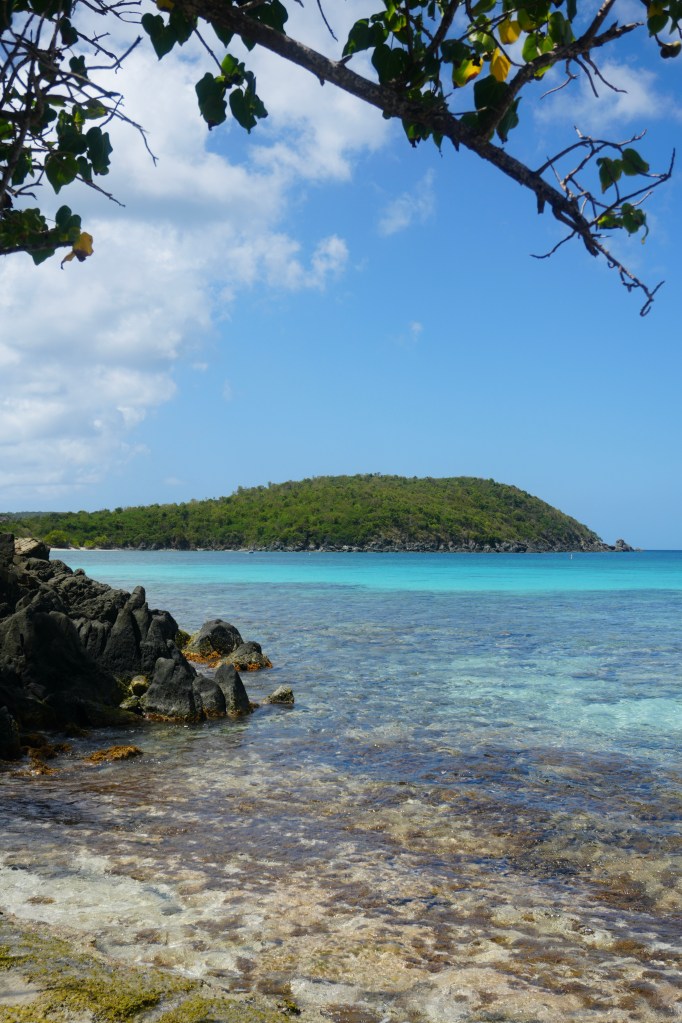
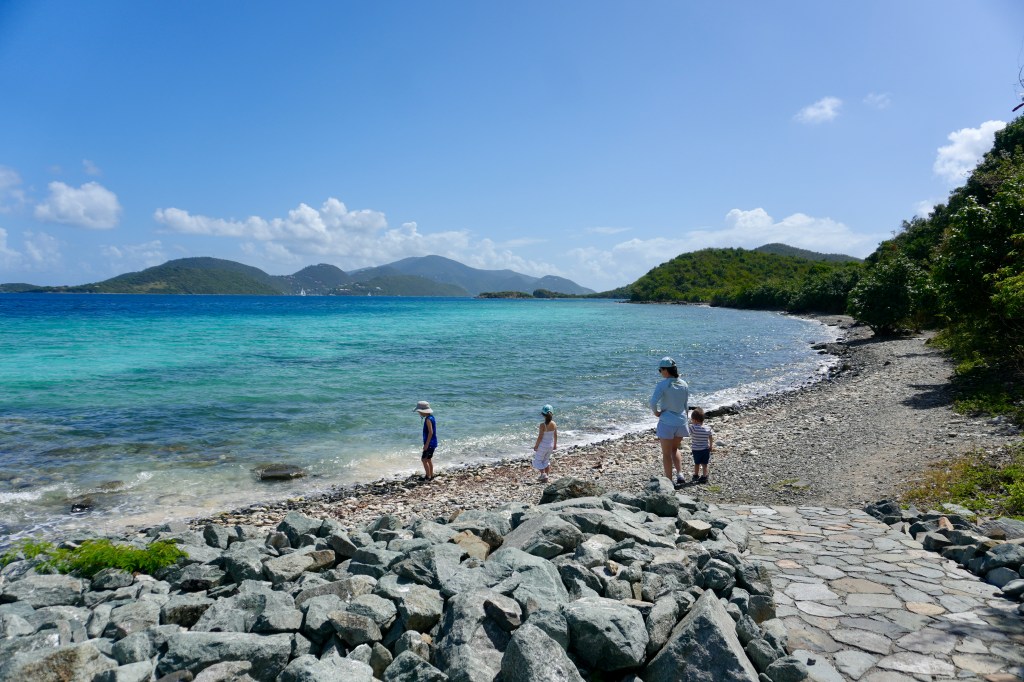
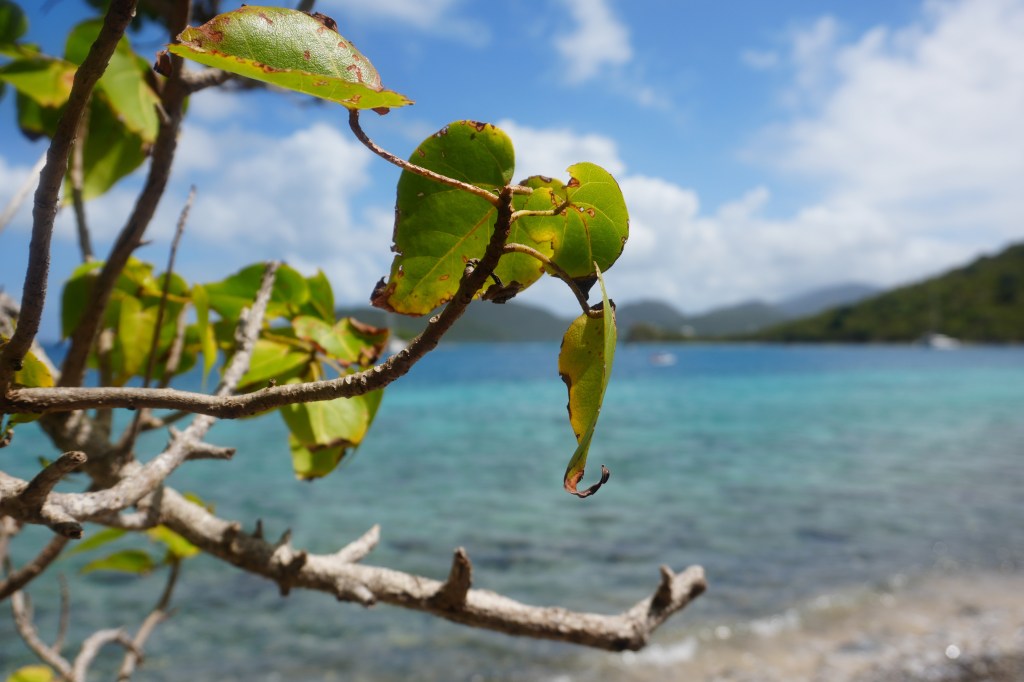
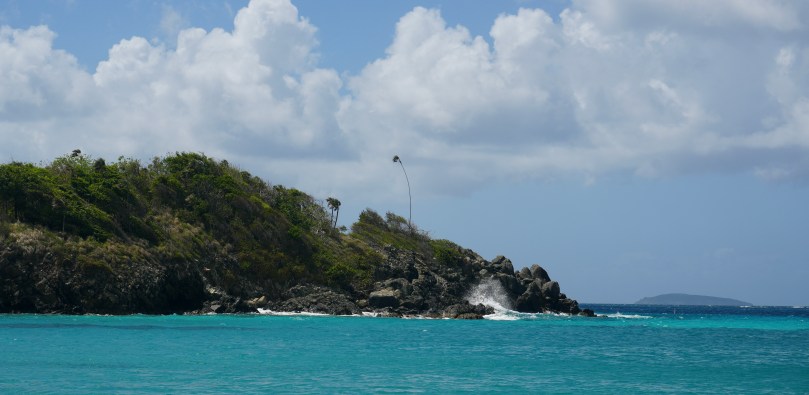
With a forecast predicting heavy showers throughout the day, we decided to venture out to the waterlemon cay to bay hiked the Leinster Bay trail. This was an easy 0.8 mile flat hike along the coast. It is one of the few flat hikes in the national park and perfect for little kids as well. This hike takes you through some shady areas, with beautiful flowers, and wildlife along the way. The hike along the coast certainly makes you feel small as we gazed out to the vast sea. The pelicans, sea turtles and hermit crabs were all out to play. Most people hike the Leinster Bay Trail to get access to Waterlemon Cay (boasting some of the best snorkeling on St. John.)
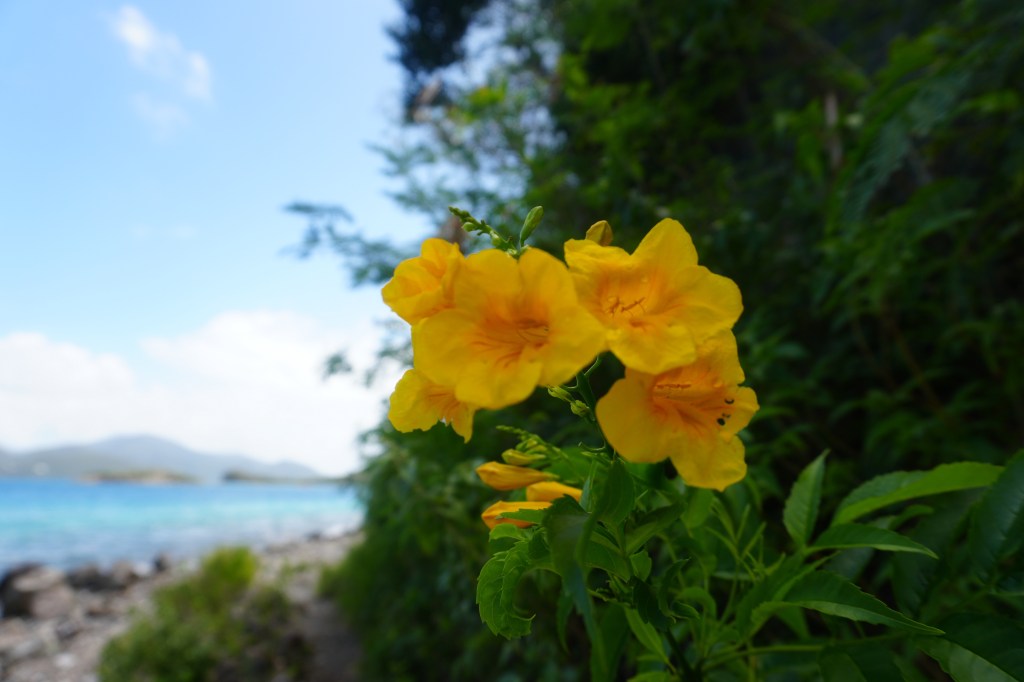
Pictured above: The yellow flower of Tecoma Stans (aka: Ginger Thomas, Yellow Elder) is the official flower of the US Virgin Islands. Interestingly, it is not a native flower, however the species has been highly successful in the caribbean.
Day 4 – Trunk Bay – High 81F, low 77F windy
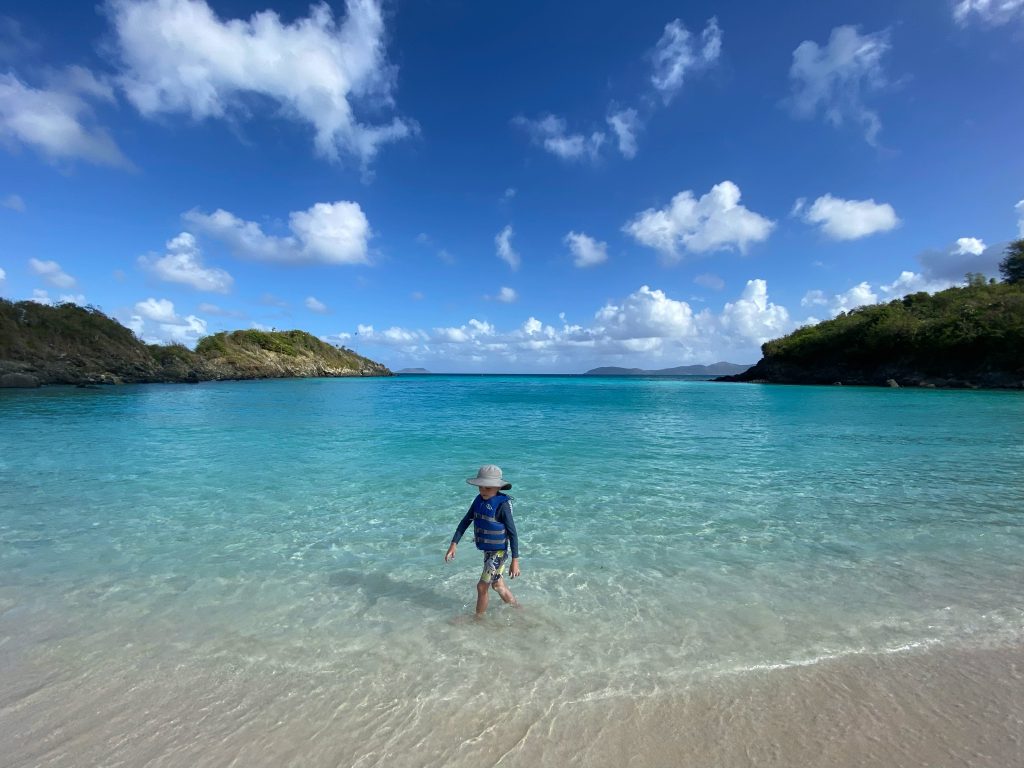
Probably one of the busiest beaches in the beach, Trunk Bay is known for it’s snorkeling and an underwater snorkel trail. With a larger opening to the sea, the water was choppier here and it looked like good generate enough swells for some surfers on certain days. This area of the park had plenty of food, drink, rentals chairs, and sports equipment for rent.
We live on such a beautiful planet, and Virgin Islands National Park is a prime example of that beauty. Please remember to respect the land, water and reefs when you pay a visit to this spectacular national park.
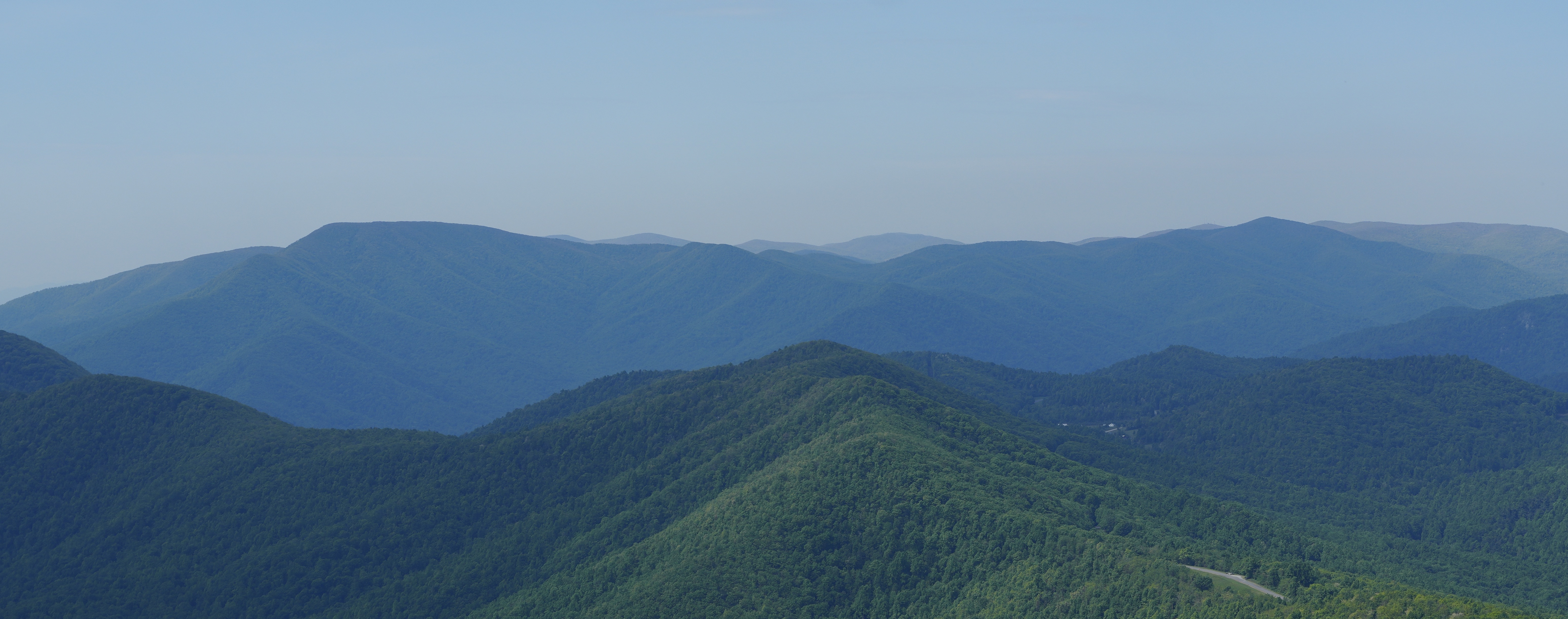
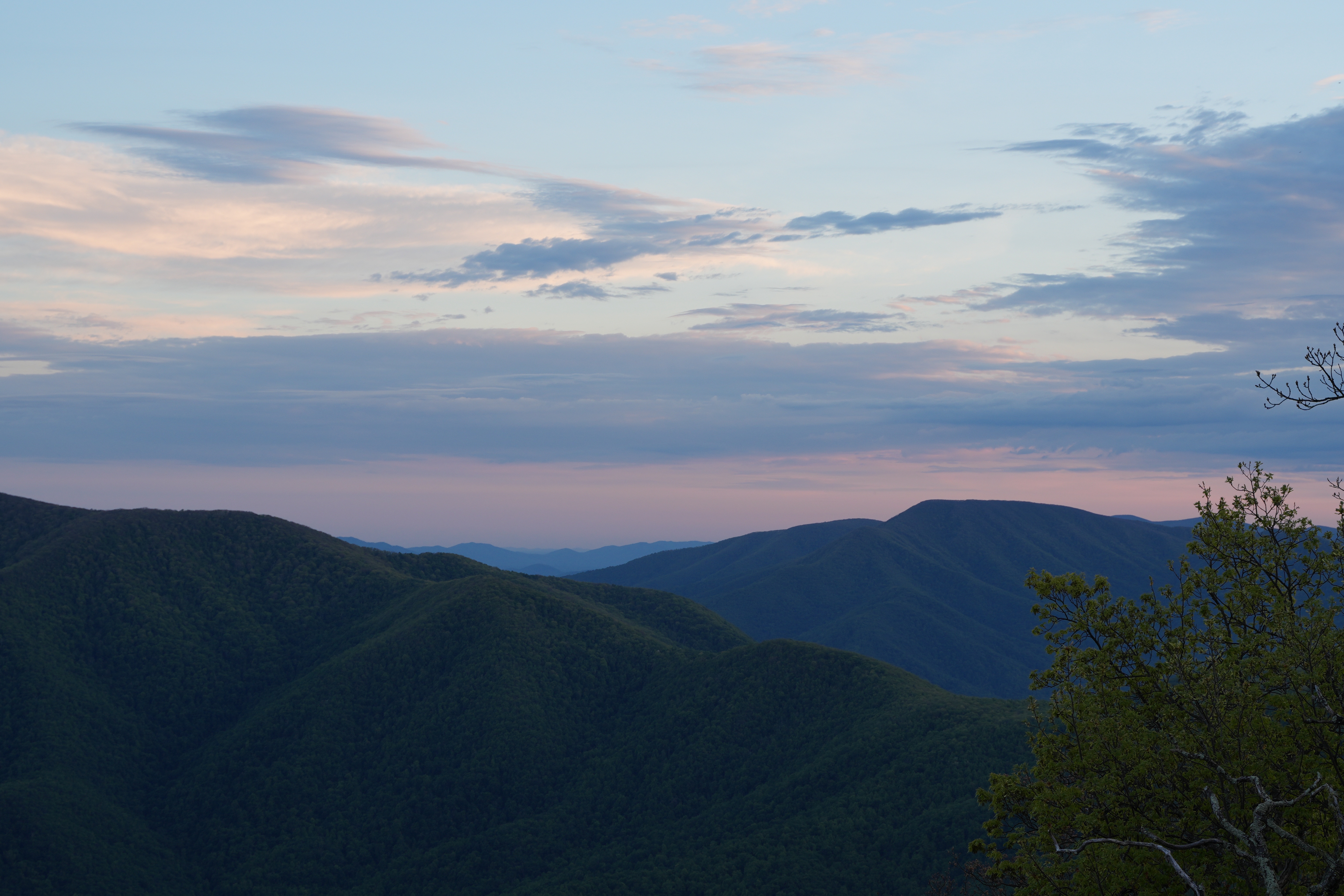
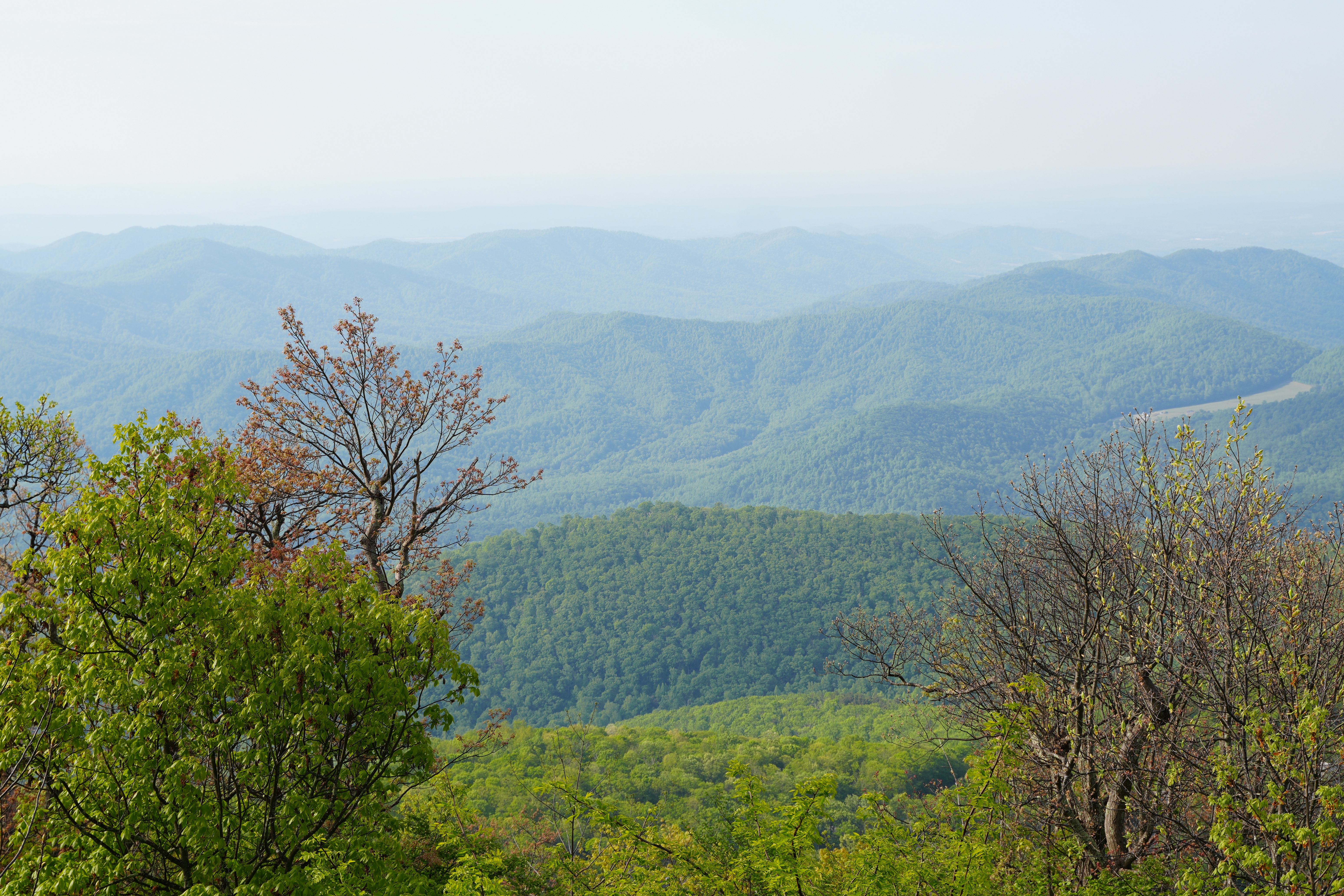
No matter how many times I lay eyes on the Blue Ridge Mountains, its vastness and splendor never ceases to amaze me. I have been hiking this range for over 20 years, and it has always been a place where I can realign myself, clear the mind, and recharge the soul. When I was younger, during tough years of schooling, I remember coming up to this place to help me navigate difficult crossroads and decisions. I always found the crisp, mountain air and the rigor of a tough hike, rejuvenating and it never failed to bring me clarity.
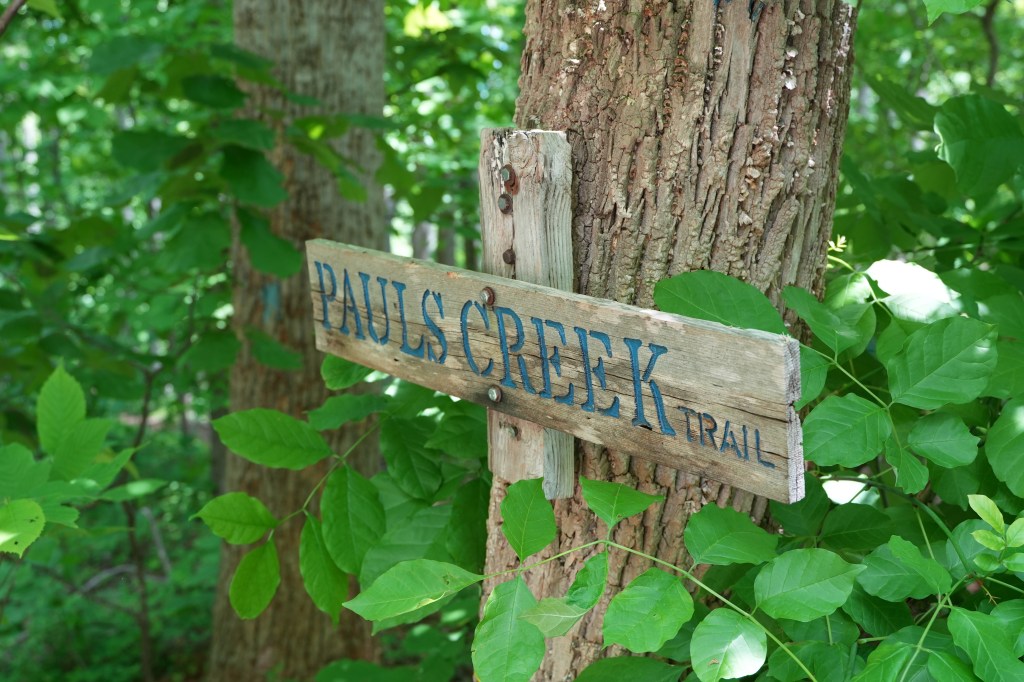
Paul’s Creek Trail is located in the Wintergreen Resort area
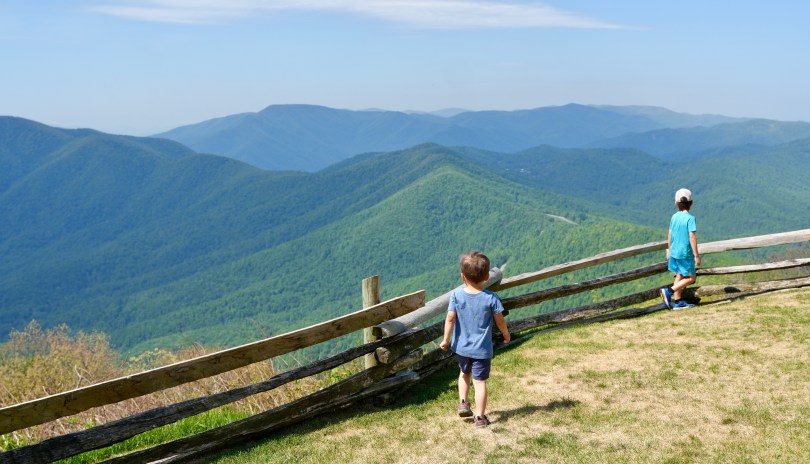
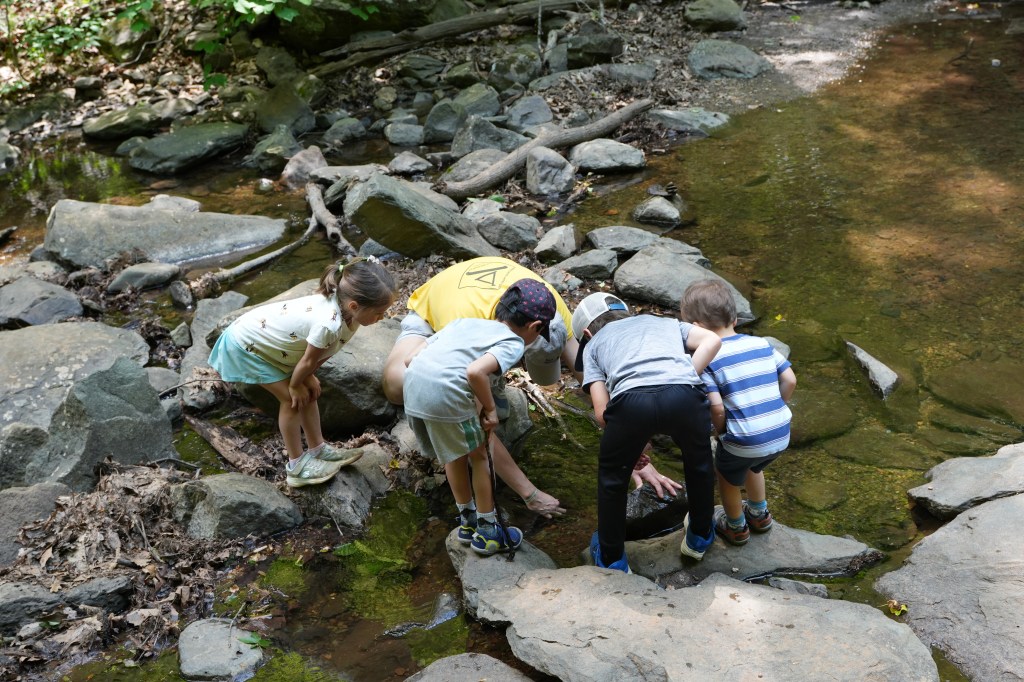
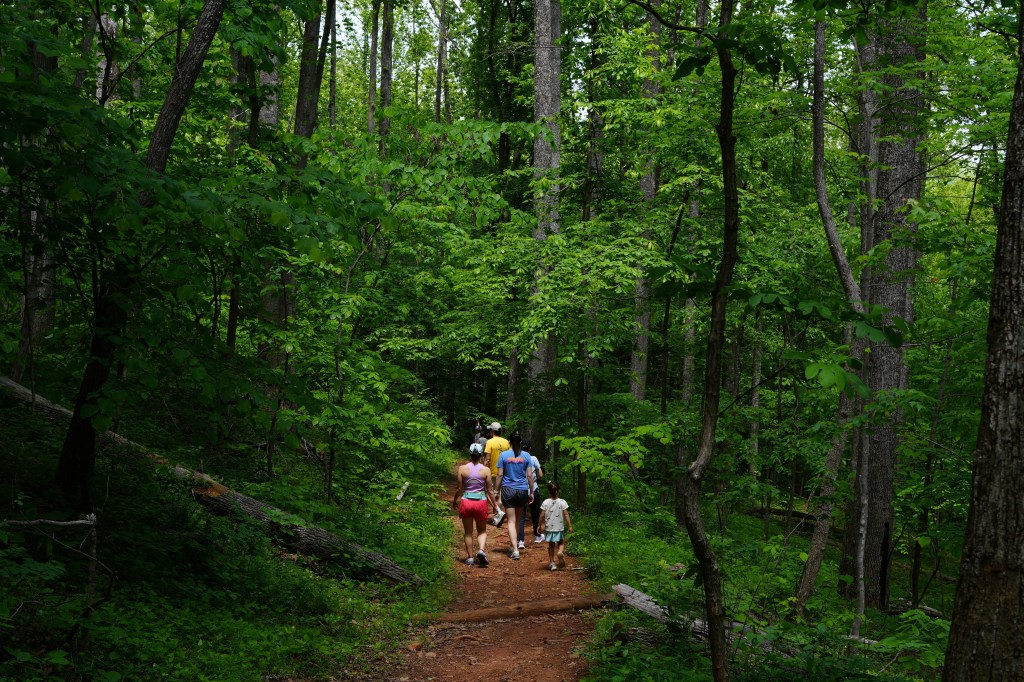
We found a perfect weekend in May to bring the whole family to enjoy the mountain air in the Wintergreen Mountain area of Virginia. We took a platoon of young children and found a very relaxing and peaceful trail called Paul’s Creek Trail. The trail is an easy 1.2 mile in and out trek through a gentle cascading creek. During times of heavy rain fall it serves as a natural water slide as well with a couple of good wading areas.
It’s certainly nice to get off the busier hikes in Virginia (Old Rag Mountain, Dragon’s Tooth, McAffee’s Knob) once in a while. The distance was appropriate for young toddlers and the elevation change was only 328ft.
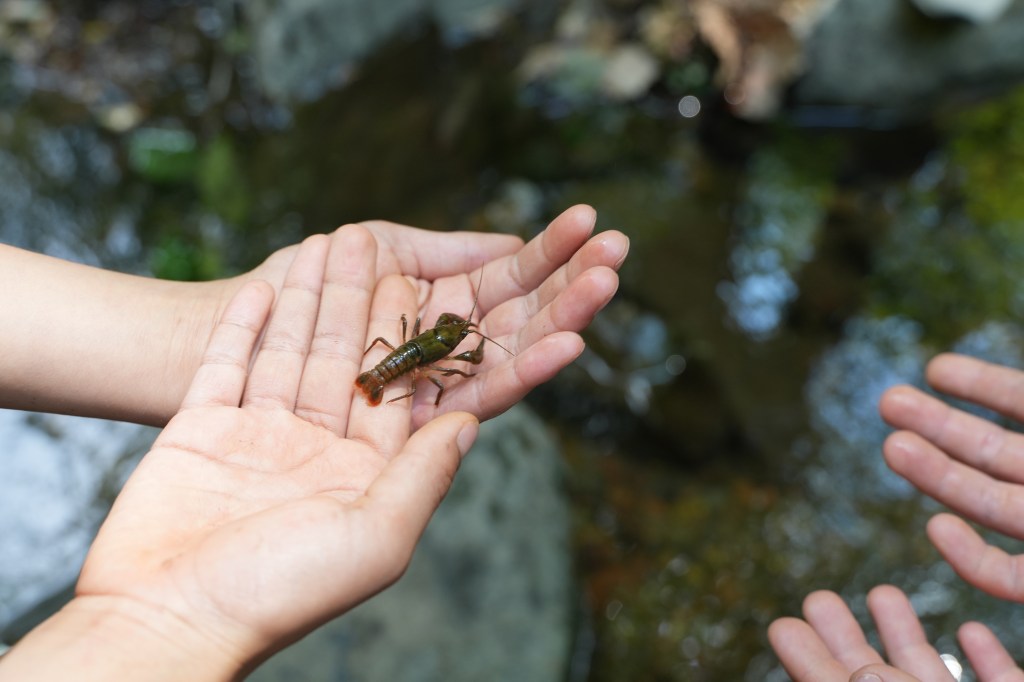
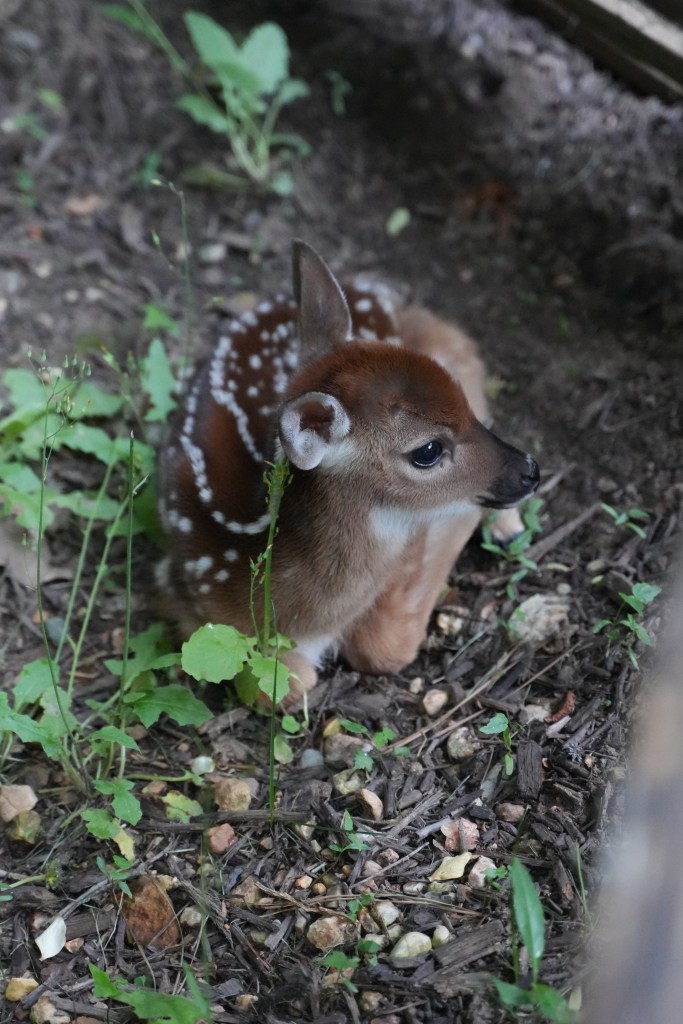
We encountered alot of wild life during our time in the mountains. May to June is typically when the white tailed deer give birth to new fawns. The month of May is also a big one for migratory birds making their way back up north. The Blue Ridge was alive. We spent the days watching the sun light up the valleys, and listened to the sounds of the mountain range. Virginia is a beautiful place.
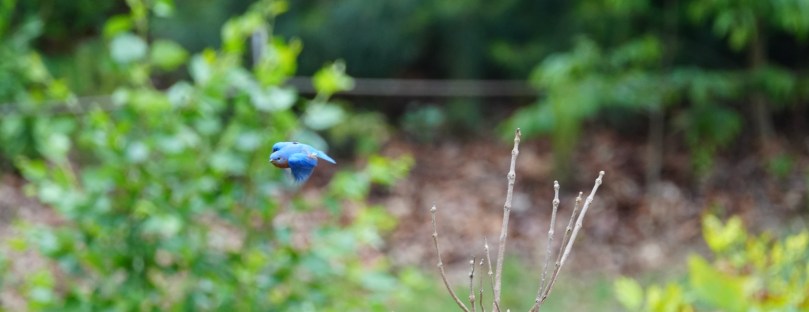
Catching a busy bluebird mid flight
Photos taken on a Sony A6700 with a Tamron lens 28-75mm.
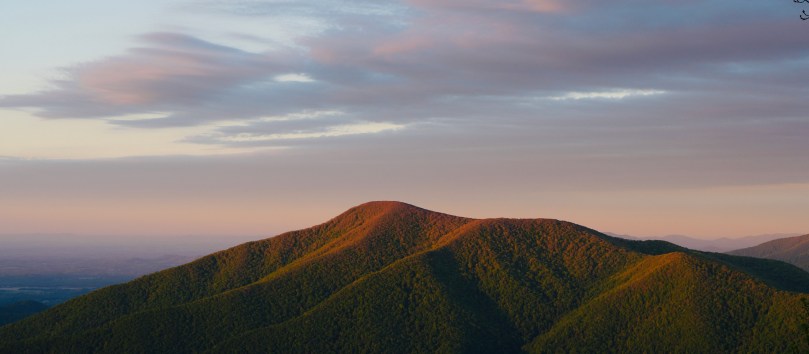
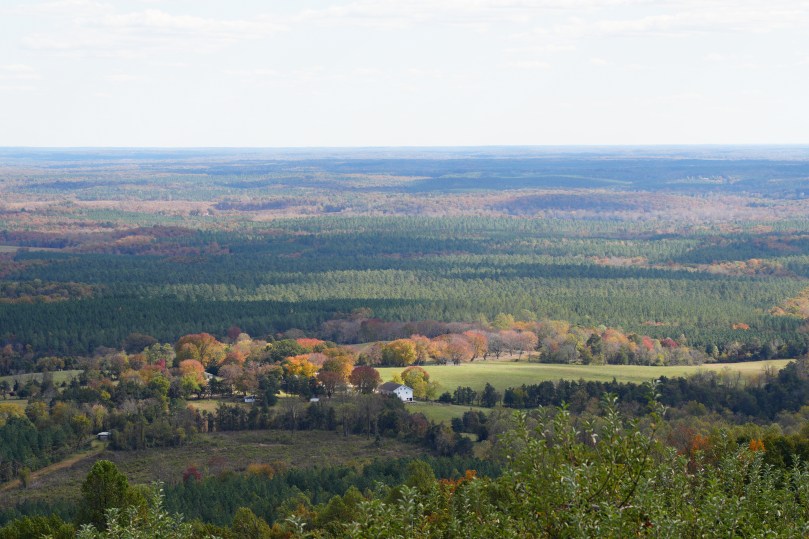
The view from on top of Carter Mountain Orchard, in Charlottesville, Virginia. A good pit stop for apples, apple cider and donuts.
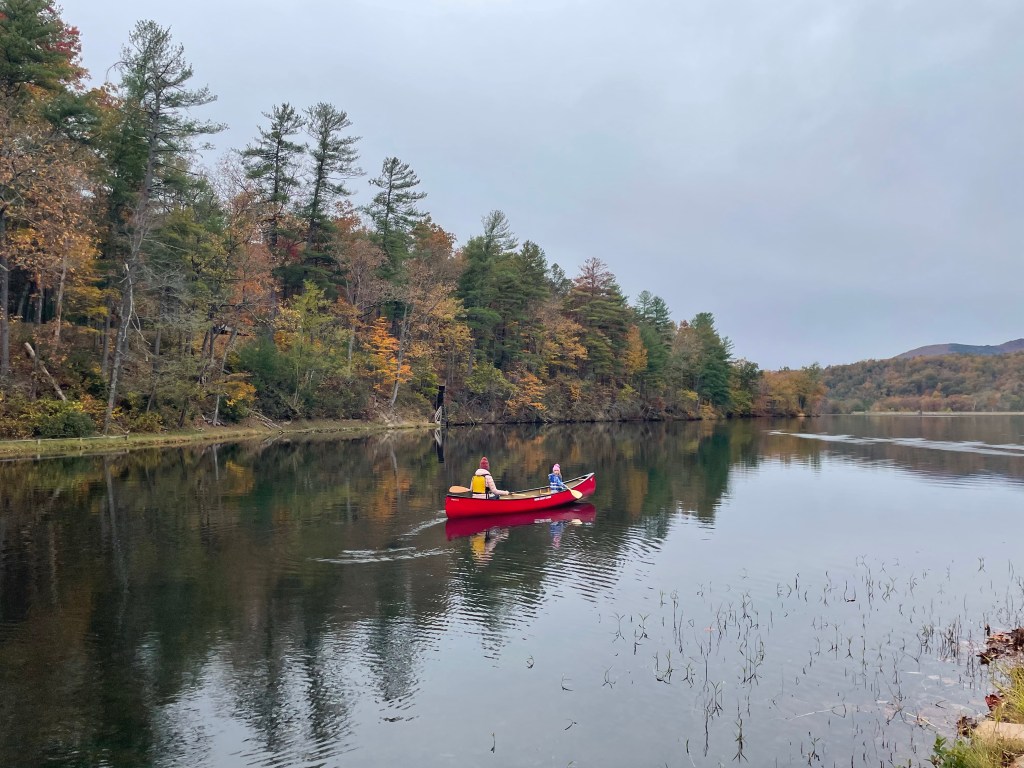
“Virginia State Parks are a tonic for the mind, body and spirit”. This creedo is printed on Virginia State Park trail guides, and I couldn’t agree more. I’ve heard so many great things about the Virginia State Park cabins but I have never actually stayed in one. They are also known to book up very quickly so I reserved a cabin at Douthat State Park about a year in advance. Situated near the Virginia and West Virginia border, Douthat, is one of Virginia’s oldest state parks, featuring miles of fishing streams, a 50 acre lake and loads of trails.
The jewel of Douthat State Park is a clear, 50 acre mountain lake. The lake is fed by a Wilson Creek, a park of the mighty Jackson River watershed. We brought along our Nova Craft Prospector canoe to paddle the glassy waters. It’s remarkable how noisy day to day life can be. You don’t really notice such a thing, until you sit on an empty lake, hearing a woodpecker rap on a tree, miles away. I do think such experiences are important to our soul and nervous system, to help reset and get away from the bustle of day to day life. As someone who sees dozens of patients per day, it is such a welcoming feeling.
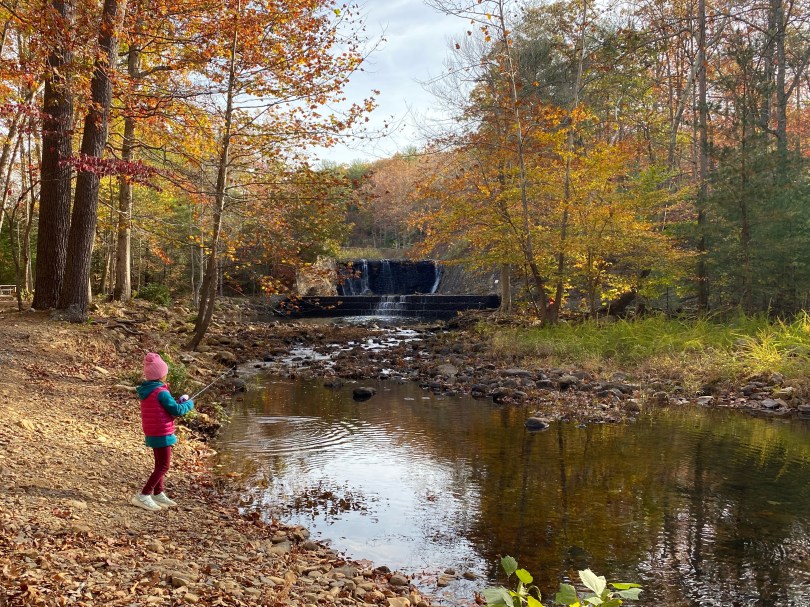
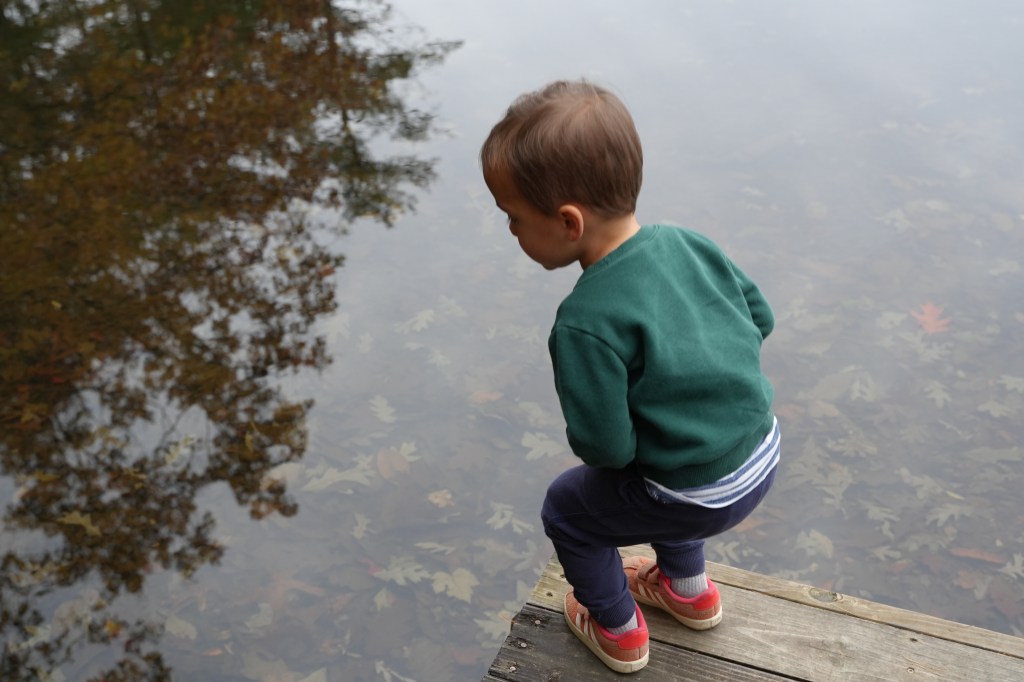
The kids particularly loved the trout fishing streams at Douthat State Park. They are stocked with rainbow trout, and the kids spent hours just casting and reeling. The leaves were at peak color change, the wind was sharp and crisp and the falling leaves around us made for such a mesmerizing backdrop. It hadn’t rained in several days so the water was particularly clear. The slim outline of the trout were visible underneath the shadows cast but moving leaves. This perpetuated the excitement of the children.
We spent time exploring the trails, bike trails, cabins, and the well stocked camp stores. The kids also loved the cabin as well. Douthat State park was thoughtful enough to provide a bundle of firewood waiting for us at the cabin. I suspect that most visitors don’t use all of their wood, because there was an accumulation of it at our cabin. We put it to good use, especially when it dipped near freezing at night. I brought my old Wetterlings axe to split it into kindling. I can’t believe I’ve had that axe now for over 15 years. Still working just as good.
The cabins do not have wireless internet or cellular service, and this is a great thing. We filled our time, reading, painting, photographing the landscapes, enjoying the wood burning fireplace and playing board games.
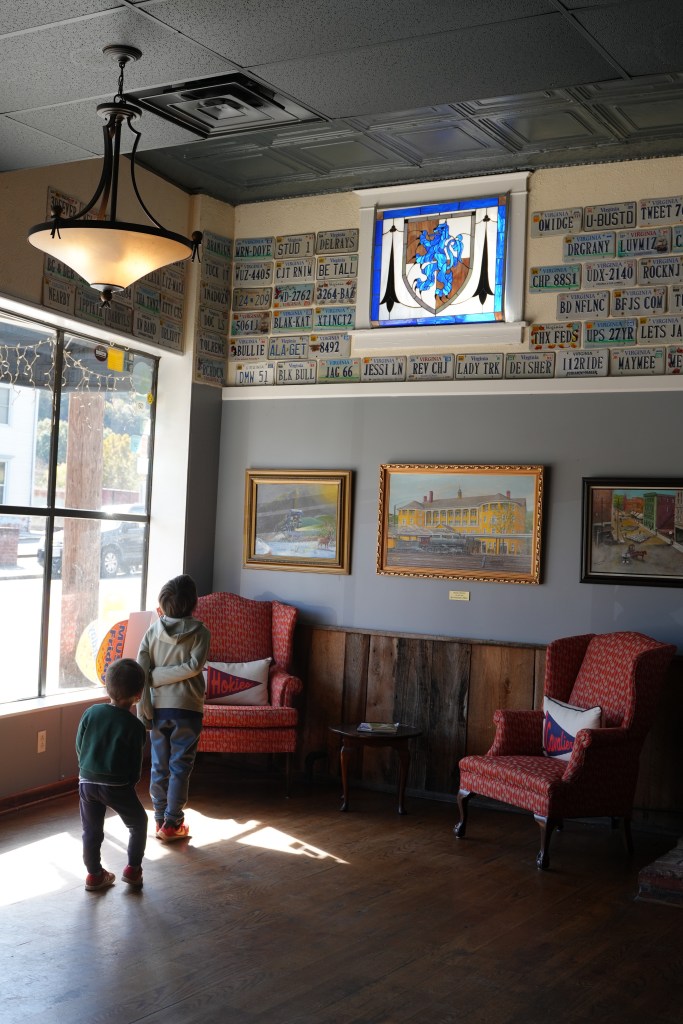
Exploring small towns in the Virginia mountains, is always time worth well spent. Douthat State Park is only 15 minutes away from Clifton Forge where we had lunch at Jack Mason’s tavern and picked up some local provisions. Their warm food and dark ales were especially welcoming on a chilly fall day. On the way home, we stopped in Lexington, Virginia for coffee and picked up some books at the “The Bookers”. THis quaint book store is like a scene out of Harry Potter, the books were stacked up to the ceiling and in every which direction. Very cool book store.
Jack Mason’s tavern was very warm and welcomingexploring a maze of books in “The Bookers” in Lexington, VA.
Douthat State Park is simply beautiful. The park is well laid out, the facilities are accessible and clean and the cabin was stellar. There are plethora of activities to partake, trails to hike, streams to fish, paths to bike, a lake to paddle, not to mention the excellent visitor center and camp stores and structured activities – an outdoor enthusiast could easily spend a week here. Thank you to the Virginia Department of Conservation and Recreation and to all the staff at Douthat State Park.
Wishing everyone a safe and happy holiday season ahead!
Photos taken with Sony a6700 (tamron 17-28mm lens)
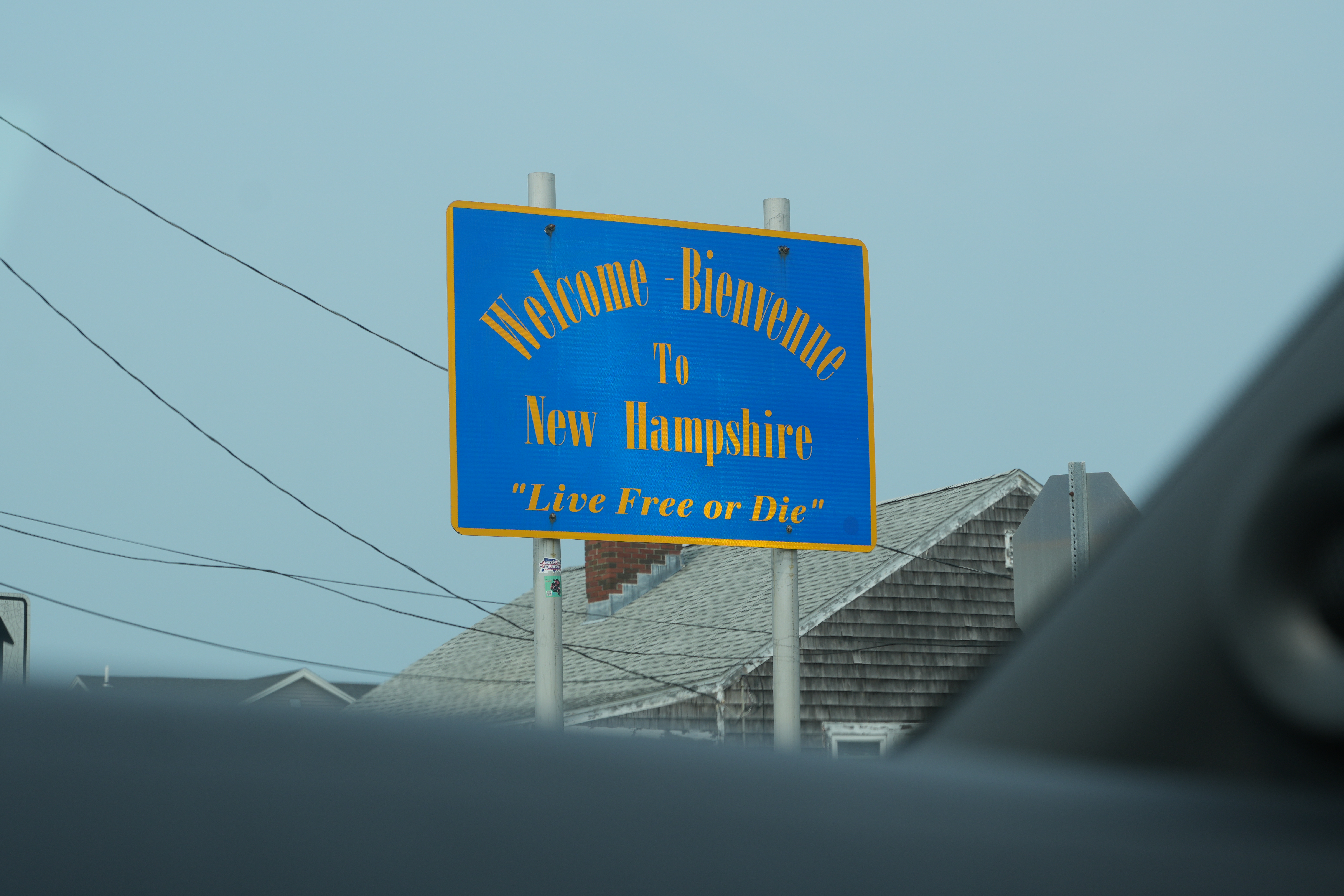
Our annual family beach trip typically has us driving to the Outerbanks of North Carolina, however we took a detour from our usual plans. Instead, we went to visit my sister up north and hit the New England beach scene. We were going to Seabrook Beach in southern, New Hampshire. Situated between two very busy beaches (Hampton beach to the north and Salisbury beach to the South), Seabrook Beach spans only a few miles of a sandy, peaceful and residential beach. The drive up there would be around 10.5 hours. Even with our mini-van packed up with surfboard and all, it was a comfortable and easy drive. Leaving early in the morning helps to beat the D.C. traffic out of Richmond.
A road trip through New England would not be complete with stopping in the pizza capital of the U.S. We stopped in New Haven, to enjoy some classic New Haven “apizza”. With the thin crust and minimal amounts of cheese, the kids were big fans. We went to “Modern Apizza”, one of the “Big Three” apizza establishments in New Haven. (Frank Pepe Pizzeria, Modern Apizza and Sally’s Apizza”).
No beach trip is complete without a trip to the local beach store. Catalano’s Market (Seabrook, New Hampshire)
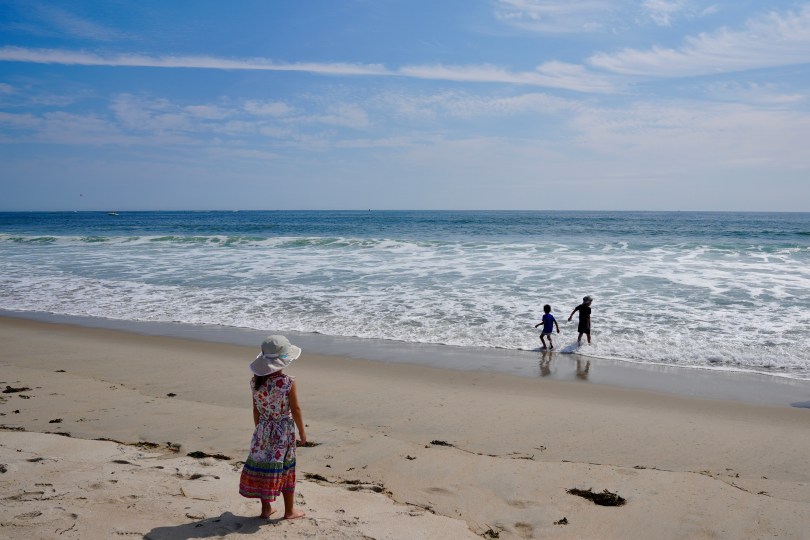
The kids were road warriors. We spent 5 days there soaking in Vitamin D, relaxing, breathing in the salty air, and swimming in the clear, chilly waters. During this time of year (early August), Seabrook waters have reach their peak temperatures which is still a chilly 68 degrees. We went for the full New England coastal experience, diving into local lobster roll excursions and visiting the town of Portsmouth, where the kids enjoyed the boat town vibes, food, sea shell shops, art and of course ice cream.
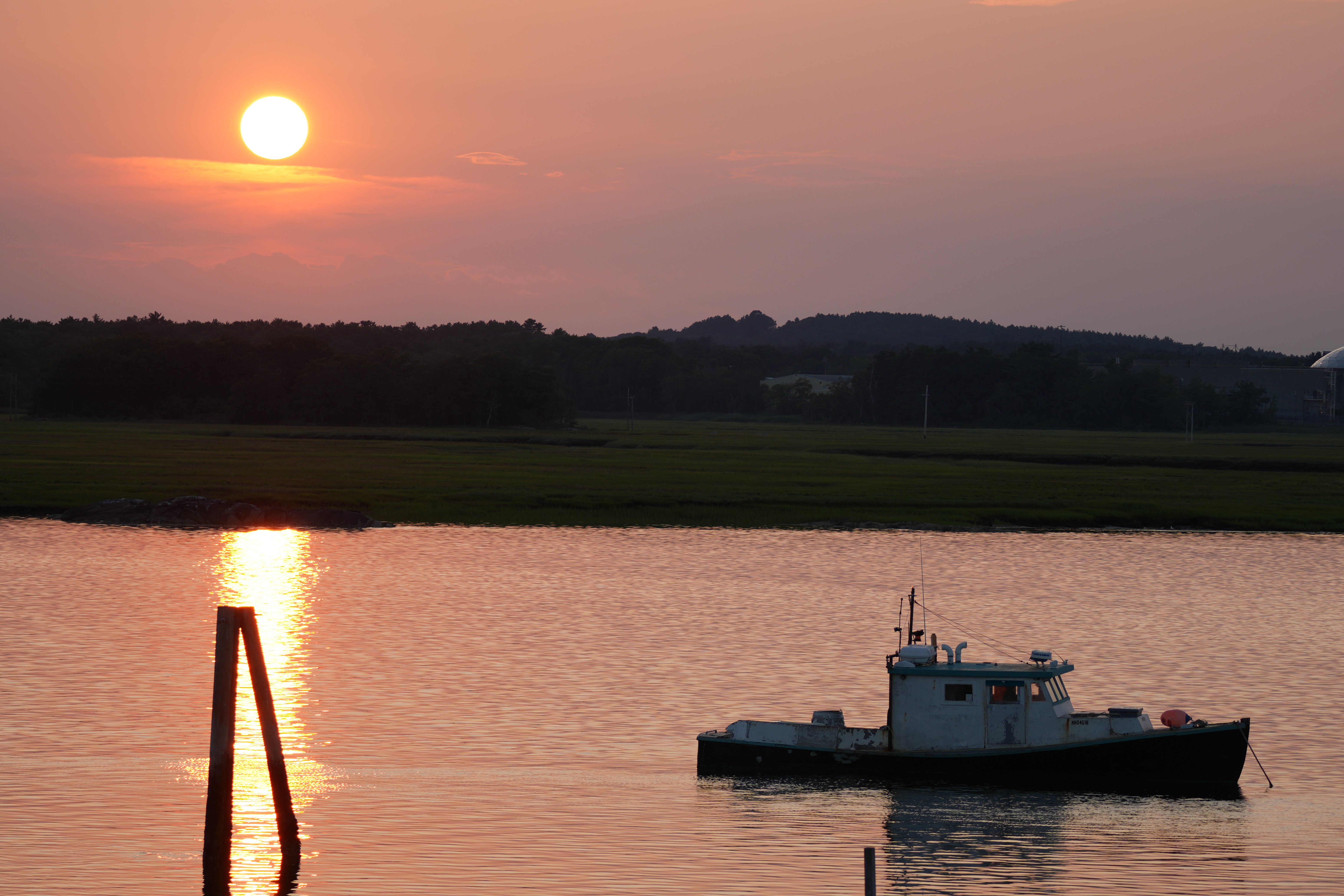
Far from the beach, rocky shoals created a calming view of white caps and gulls
I really loved the vibes at Seabrook, what you see is what it is. It is a residential area with a view cafes, markets and restaurants, that’s pretty much it. I remember asking a local if there was anything here to see. “The beach is pretty much it!”. Perfect for us, as we just wanted to relax and catch a few waves. The water was very glassy on our last day, and the waves rolled beautifully. The Seabrook beach scene was really what we needed. As much as we love the Outerbanks of North Carolina, it was getting a little hectic there for us, and in some areas, way too overdeveloped.
As with all time near the water, it passed by too quickly. It felt like one beautiful wave of memories. The kids noted it as one of their favorite vacations, so mission accomplished. We hope to come back one day.
David Hartman is one of my favorite film makers. Based out of Ontario, Canada, his messages and themes hit close to home for me. His filming style is thoughtful, well-paced, beautiful and a breath of fresh air compared to the overstimulating films and movies of today. I came across “The Mini Forest” and thought I would share. The film speaks to sustainability, growth, and how our individual actions can have profound effects on the earth. It has certainly got me thinking about my own lawn…
“Terrell Wong is about to plant 100 trees in her small Toronto backyard, a dense mini forest based on the Miyawaki Method. What at first seems like a simple act soon evolves into a complex story about dirt, lawns, fungus, wildlife, native species, and finally the human brain. An anti-lawn anthem from director David Hartman, The Mini Forest explores this innovative form of afforestation and the importance of restoring the native woodlands that once covered so much of Canada and the World.”