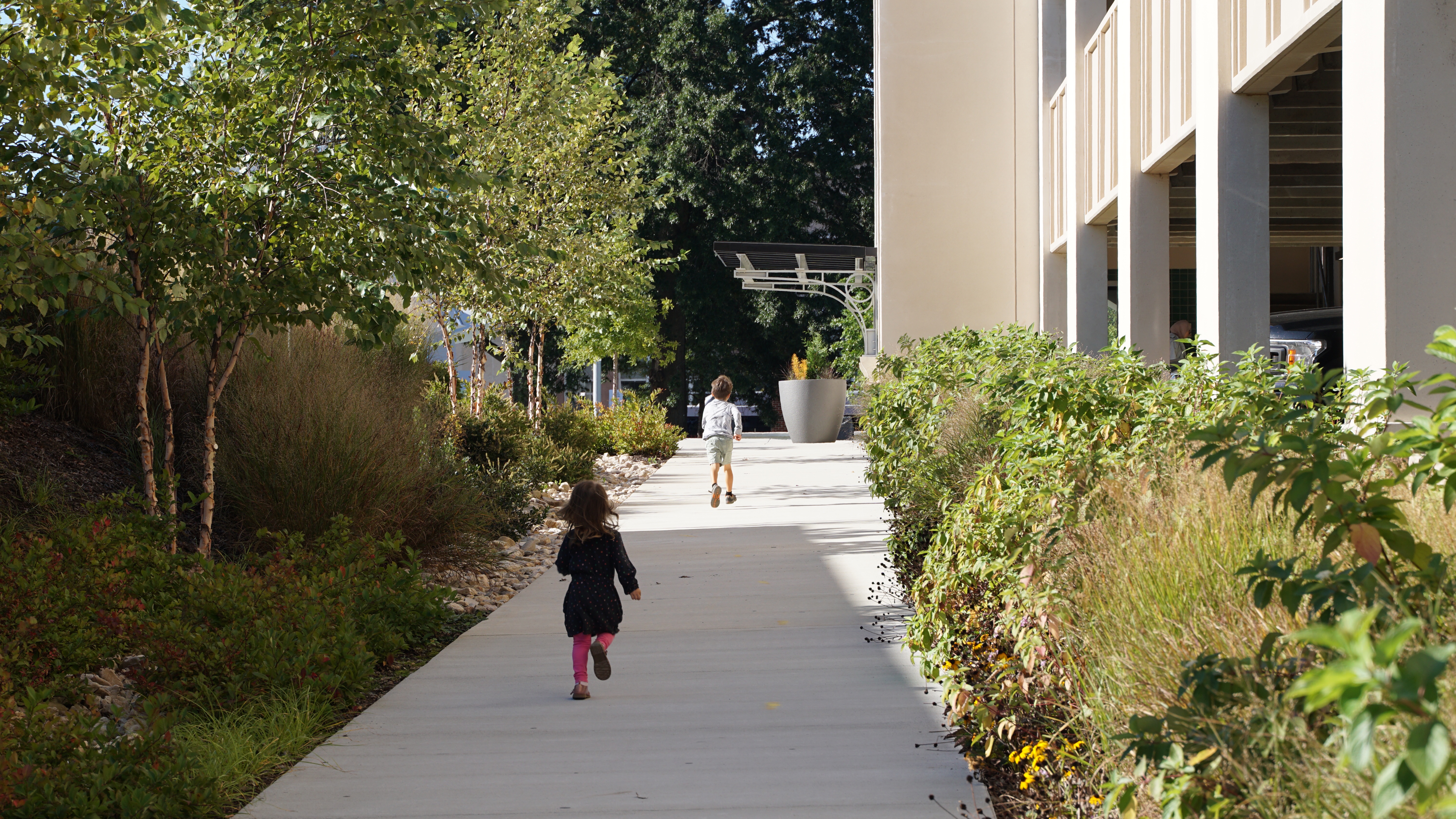
One of our kids’ favorite places in Richmond, is the Science Museum of Virginia. We haven’t been back however since our youngest son was born so it’s been a couple of years. Since then, we were pleased to learn that the museum had completed some projects to improve the experience. A new parking deck was finished in 2021 and makes museum access much easier and safer. The old parking lot was turned into a green area with a new art display. The kids were a big fan of this.
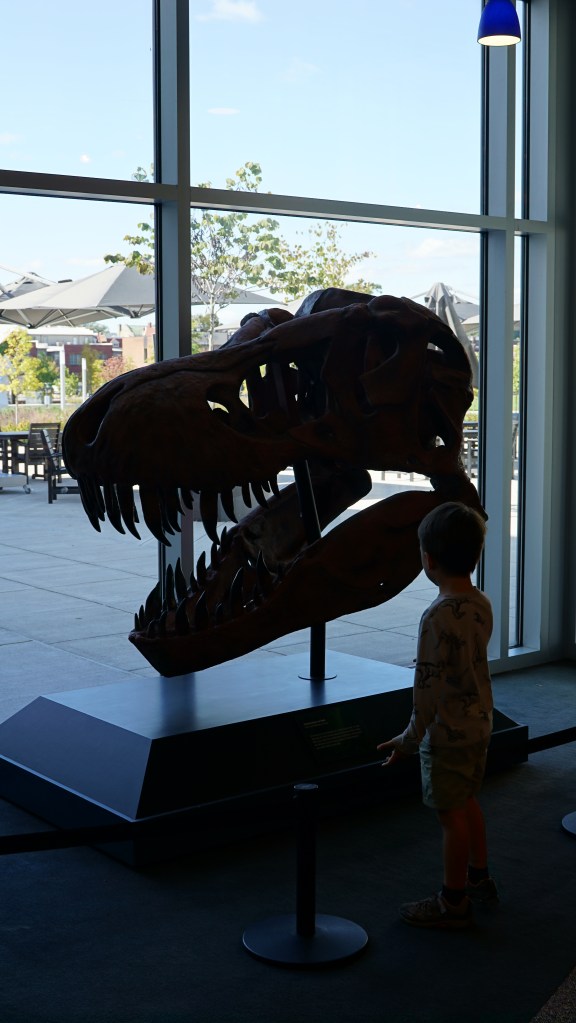
The museum offers a plethora of hands on and interactive experiences for everyone. From a race track where you time yourself against t-rex, Usain bolt and a cheetah, to playing air hockey against a robot. There’s plenty to keep yourself engaged. For children 5 and under there is a kids zone, with fun activities and climbing area.
See live animals like this Bearded Dragon in the animal laboratory.A model SR 71 blackbird hands from the ceiling at the Science Museum of Virginia. Richmond, Virginia.A kids play area for children under 5, provides ample activities to keep the young minds wondering.
I love museums because they always inspire me to think differently. It make me question “how?” when it comes to the functioning of the world around us. As I watch my kids interact with each exhibit, I know their fears are turning and I can see the wonder in their eyes. They always leave the museum a little bit wiser and with new eyes to experiment in this fascinating world around us.
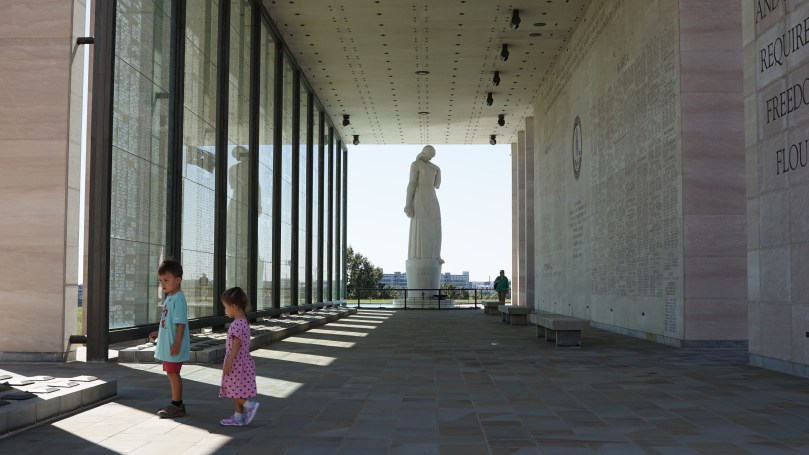
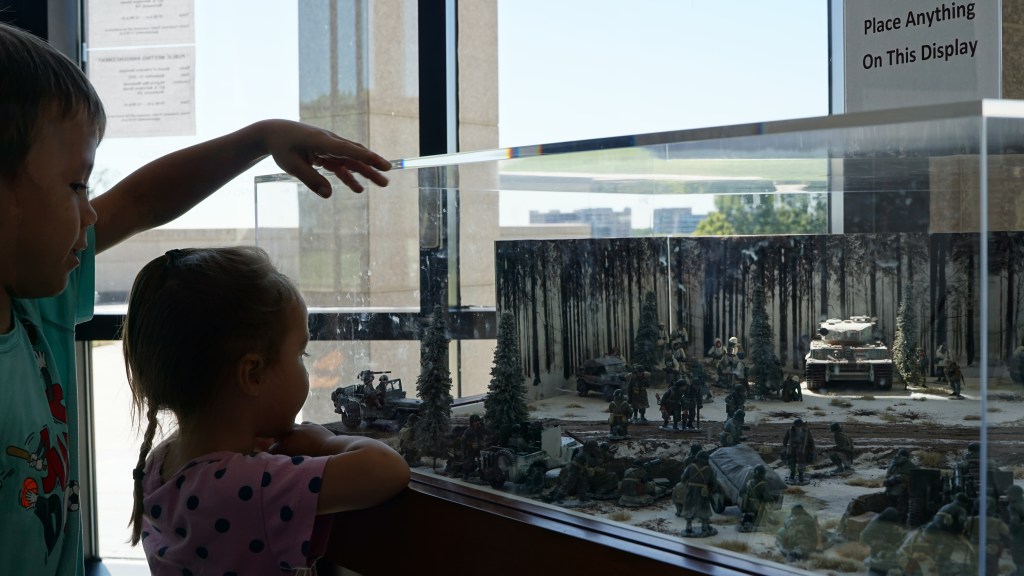
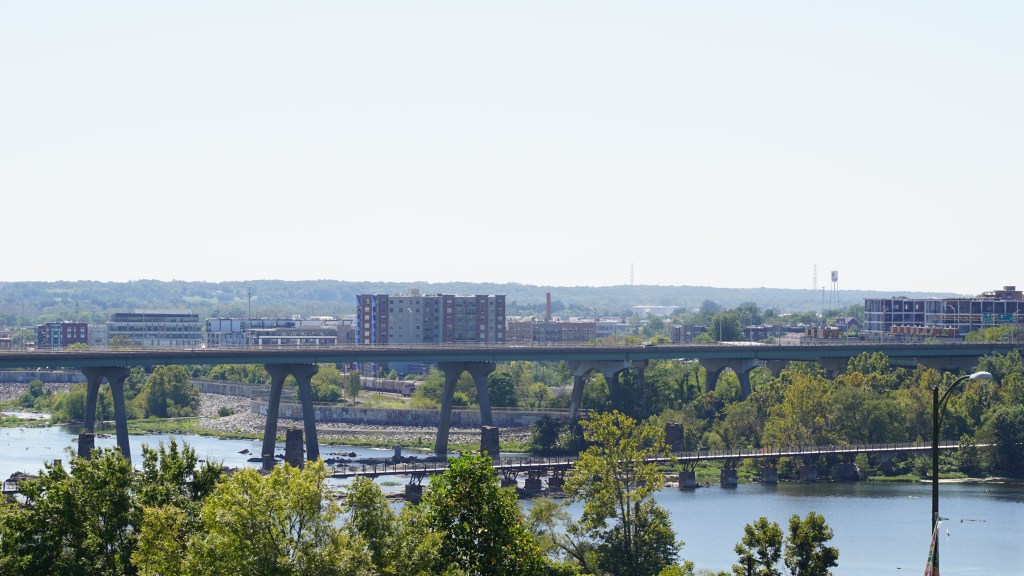
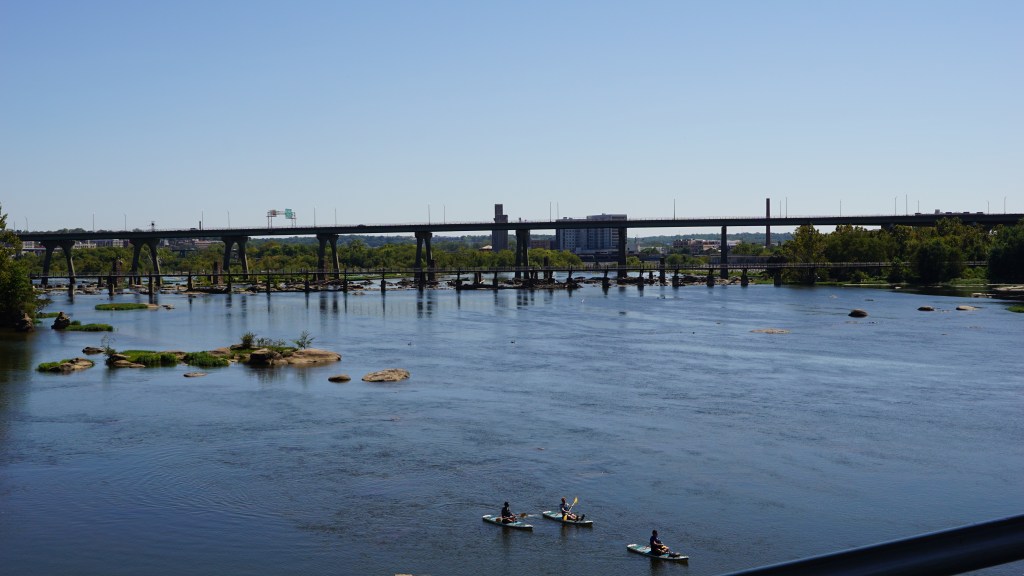
Change is in the air. In Virginia we’ve finally had a break in the heat. The kids are back in school and they are transitioning well. We spent a sunny Saturday morning to explore our own backyard, in River City, Richmond, Virginia. The kids wanted to explore the James River off of Belle Isle and we made a quick trip to the Virginia War Memorial located in the same vicinity. I have been to the memorial before, but never inside. I was surprised to learn that there were several exhibits and learning centers, all free to the public.
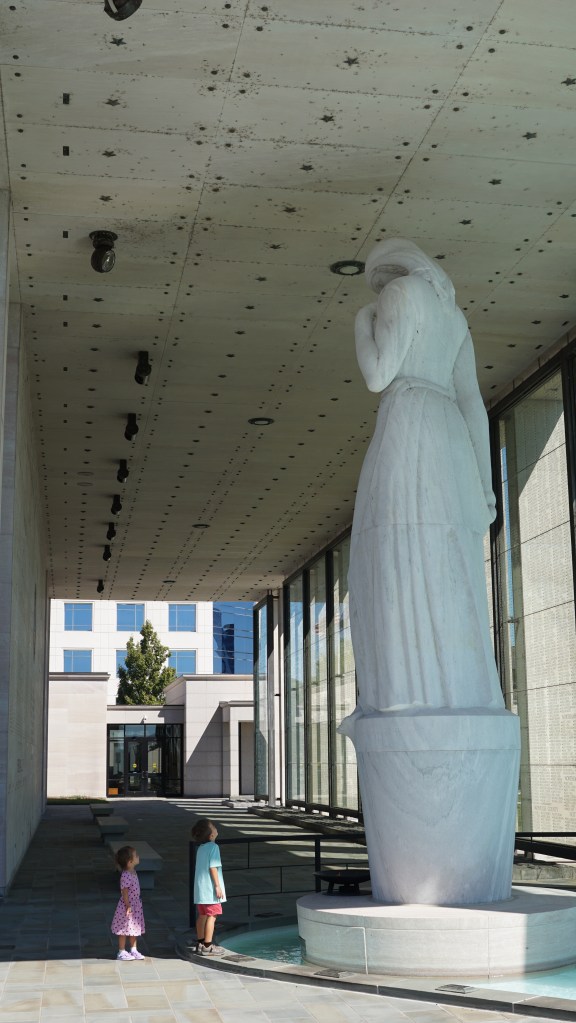
The Virginia War Memorial was established in 1955 dedicated to Virginians killed in World War II and the Korean War, it was later enlarged in 1980 to honor those killed in the Vietnam War. In 1996 the names of Virginians killed in Desert Storm were added. There are almost 12,000 Virginians whose names are on the memorial. There was an additional shrine honoring over 250 Virginians killed in the Global War on Terror. The memorial is certainly worth a visit.
Virginia War Memorial, on a Saturday morningThe Virginia War Memorial’s Motto: “Honoring our Veterans, Preserving our History, Educating our Youth, and Inspiring Patriotism in All”.
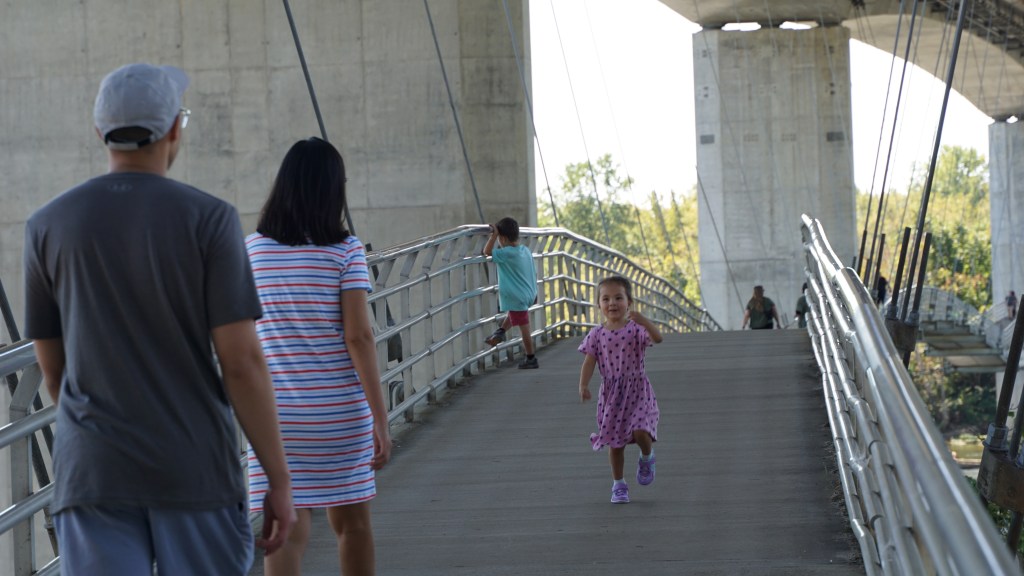
From the Virginia War Memorial it is a short and beautiful walk to the Belle Isle suspension bridge, and over to Belle Isle. The kids enjoyed the short hike and exploring the life of the James River. As they transition back into school mode, we’ve been making some updates in the workshop. Here’s to another upcoming fall season in Virginia. With COVID on the uptick again, please stay staff and healthy out there.
This past Saturday, we were blessed with a beautiful Spring day in Virginia. We rounded up the rugrats and headed to our favorite local park – Pocahontas State Park! It would be our one year old’s first time in the ol backpack and he seemed to enjoy it quite a bit. There is something certainly magical and calming about the beauty of the forest. Have you ever noticed that after spending time in the forest, you just generally feel better? Well there’s a good amount of published medical literature regarding the biophysiological changes that happen after spending time in the forest. This area of research has been picking up steam in the past several decades in several countries, linking it to positive effects on your immune system, heart rate, blood pressure, and mood. The Japanese have actually come up with a term called: Shinrin-yoku (taking in the forest atmosphere or forest bathing). Studies demonstrate that spending time in the forest (not necessarily exercising), is linked to improve natural immunity cell function, blood pressure, sleep, anti-anxiety and more benefits that we have still not come to understand as of yet.
In many countries where preventative and primary care is strongly developed, many physicians actually prescribe their patients “time in the forest”. The positive effects of shinrin-yoku “forest bathing” seemed to last for several weeks after the time in the forest. There is certainly something primordial about reconnecting with the earth by spending time in the forest. Have you ever stared at a tree, it’s trunk and it’s branches and wondered how this shape came to be? This branching shape is ubiquitous to everything that is life. In the human body for instance, the blood vessels that course through our lungs (pulmonary artery tree) and through our eyes (the retinal vasculature) share the same branching shapes. The rivers that flow through our land are another example. This arterial network throughout the earth and life is truly amazing.
Photograph of the fundus of the eye. This recurring architecture of branching vessels is seen throughout the natural world in trees, rivers and plants.
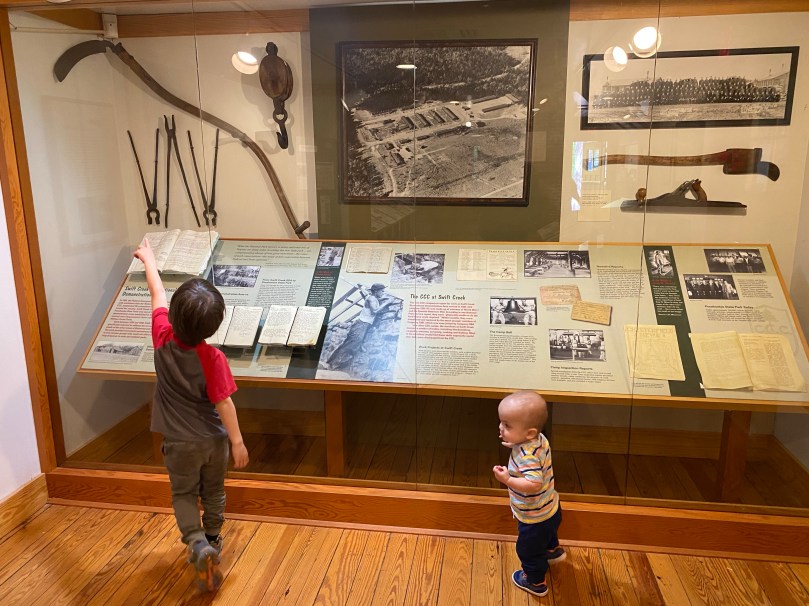
For our children, they are truly in their element in the woods. Chasing the sounds of the bull frogs, the woodpeckers, the wind through the trees, watching them marvel at everything is a joy. Pocahontas also has a pretty amazing nature center, where children can learn about rocks, live animals (snakes and snapping turtles), furs, campsites, camp gear, and loads more. We also visited the CCC (Civilian Conservation Corps) museum for the first time. They all had a blast. I’m hoping the effects of shinrin-yoku linger till our next trip back outdoors. I wish everyone good health and be safe when exploring.
The CCC (Civilian Conservation Corps) was a voluntary government work relief program that ran from 1933 to 1942, initiated by Franklin D. Roosevelt. They helped to establish many parks such as Pocahontas State Park. We are grateful for their efforts and foresight to allow future generations to enjoy these treasures.
Interesting video about the Civilian Conservation Corps
Time to get to business. We needed to replicate the heart of this canoe…..the stem. This is the curved edge of the boat, made from solid wood that extends from the keel below to the gunwale of the canoe. Structurally it is a critical piece, that provides strength, and unites the port and starboard planks. It is also tapered to provide the aerodynamic shape of the canoe, allowing the boat to cut through the water. We are starting at the stern, where most of the work lies ahead of us.
The original stem, pictured here is nearly 100 years old. The tip is rotted and the remainder is in rough shape. We decided to replace the whole thing.
In many instances, the entire stem does not need to be replaced. The rotted section (usually the top) can be cut off and a new piece can be scarfed in. In our case, the whole thing seemed pretty worn out, so I decided to construct a new one. We used white ash (Fraxinus americana) to create this. I went to our local Woodcraft store to select the board that I needed. It was critical to find a board that had very straight grain, either quarter sawn or rift sawn. Having the grain run straight will reduce the chance of fracturing during the wood bending process. This piece was ripped on the bandsaw and then soaked in a creek for 5 days.
rift sawn white ashsoaking the stem
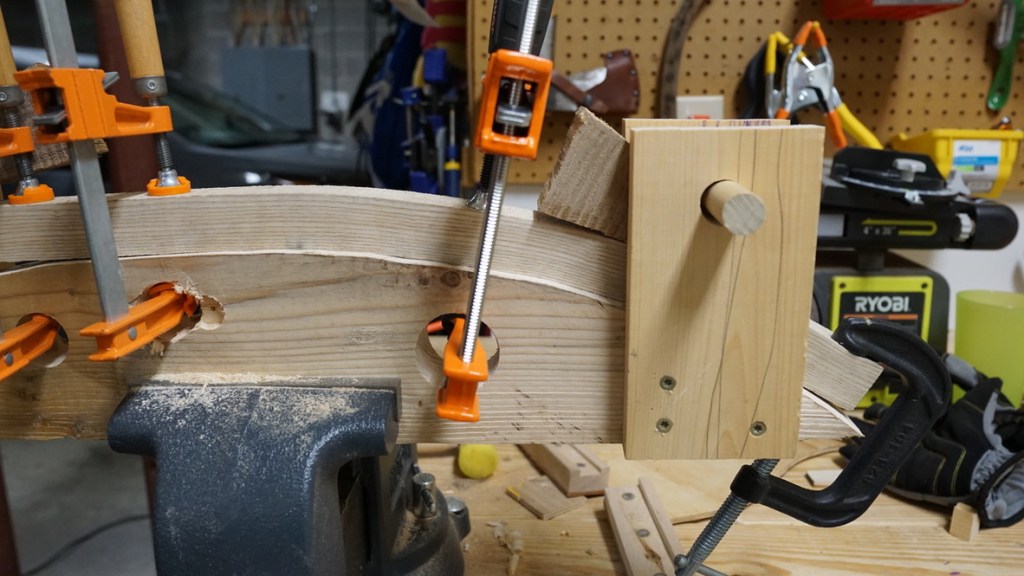
In order to bend the piece of wood, you will have to create a jig (or a form) to bend the wood over. The jig does not have to be pretty, but it has to be functional and accurate. I constructed ours using lumber from a pallet. I glued these pieces together and let it dry. I would use the original stem to create the outline for this jig. It is important to note that the radius of curvature for the jig will actually be tighter than the original stem. This is because we have to account for spring-back, once the piece of wood is removed from the jig.
After the 5 days of soaking in a creek, I fired up our wood steaming box and steamed the piece of ash for 1 hour. Once the wood is removed from the steamer, you have 60 seconds to bend it onto the form before it loses it’s elasticity as it cools. This part can be a pretty harrowing experience if you’ve never steam bent – I’ve never steamed bent anything. I was very fortunate to have the first attempt succeed. For any critical part of canoe building, I often practice the motions before I actually do it. All the clamps were at the ready, my path was clear, I made sure I had enough ceiling clearance etc. I ran through the steps with a mock piece of scrap wood. I also used a piece of steel strapping to help reduce the chance of fracture.
rough planing to get it into the planer and jointer
After a week in the jig, I removed the stem from the form and began to notch out the slots for the ribs using a dove tail saw, a coping saw and chisel. This is where we spent alot of time, measuring angles of tapers to get it just right. I used a block plane to get it to the right thickness and then a spokeshave for the beveling.
notching grooves for the ribsreplica stem made of white ash
In the meantime, I steam bent some pieces of ash for the 2 inwales that would need replacing. I created another small jig for these as well. I cut them roughly to size and then used a block plane and spokeshave to get it to the proper dimensions. Ash is very satisfying to work with. These pieces will need to be scarfed into place and glued together using System Three T-88 epoxy. The length of the scarf joint is approximately 4 inches to allow for as much surface area contact as possible.
soaking white ash in the creek, we bury it with rocks to keep it submergeda test scarf jointdry fit looks good
One of the ribs in the stern end also needed complete replacing so we soaked some eastern white cedar boards in the creek for 5 days and then stem bent these for 20 minutes prior to bending them on the form. This step is fun because a jig does not need to be created. We have an intact hull to bend it over! As with any steam bending step, you have to account for springback once the wood is removed from the form. So in order to replace the rib that you want to fix, you actually will use the rib form adjacent to it (with a steeper angle) to bend over. These worked out well thank goodness.
A local creek is perfect for soaking long boardsFlowering dogwood, Virginia’s state flower.Fun at the creekRaising oak trees for the next generation of boat buildersChestnut Oak, we are planting a dozen oaks for the next few generations.The cedar bent well, even at the more acute angles. Fingers crossed.This is a job for the whole family
So everything right now is just dry fitted and held together by clamps, the next step will be to fit the stem in place, glue in the inwales and get the ribs and planking changed at the stern. Progress! Spring has been absolutely beautiful as well and we are taking full advantage of that! Wishing everyone good health.
The first flowers from our Yoshino Cherry BlossomsThese cherry blossoms are growing big.
We try to make it out to the Blue Ridge Mountains of Virginia for vacation during peak fall foliage time each year — a chance to breathe in the cold mountain air, watch the colors change and reset as a family.
We stayed this time in Massanutten (a census designated place), in the heart of Shenandoah Valley of Virginia. Much of the attraction to this area centers around the ski-resort, however during the fall time it served as a great base for us to explore the surrounding region.
Massanutten, VA
One of the first adventures took us to the Massanutten Story Book Trail, located in Shenandoah County. It was a short, paved hike about 0.7 miles long. It was perfect for our family with kids of ages 5, 2.5 and 8 months. The trail is paved and very accessible for the most part. There are numerous boulders and a wide array of oak species to explore. The view at the end is pretty spectacular – with Shenandoah National Park in the far distance. We took this trail on in late October and I was surprised that there were a lot of gnats about, so be sure to pack some bug spray.
Parking area for the Story Book Trail. These mountain mites are ready to explore.The view atop the Story Book Trail. Shenandoah National Park is visible in the far distance.
One of the highlights of our trip for the kids was visiting Showalter’s Orchard and Greenhouse in Timberville, Virginia. On a weekday, we found that we had the orchard mostly to ourselves. The kids got to enjoy some donuts, cider and apple treats. The trees in the orchard were packed with apples and were low lying. Fuji apples were in season at the time and the kids had no trouble filling up the bags. Old Hill Ciders are also pressed and made at this same farm in Timberville. We were blessed with spectacular clear skies.
Showalter’s Orchard in Timberland, VA
The Massanutten ski resort area still had plenty of activities for the kids in the off season. There were playgrounds, ponds to fish, a water park, trails to explore, restaurants and even an area for gem hunting. The kids were never bored.
Painter’s Pond in Massanutten, VAPainter’s Pond in Massanutten, VA
On our way back home, we made a stop in the small town of Gordonsville, Virginia for a lunch break. A local recommended The Jackson and Company Market and I’m glad that they did. It was a chilly fall day and it was the perfect place for the kids to warm up with soup and for the grown ups to have coffee. With a population of approximately 1500, the main street was where all of the action seemed to be. Shops were busy and people were getting ready to put up the town’s Christmas lights. There was even a blacksmith shoppe that we unfortunately didn’t have time to check out, but I guess it’s just more reason for us to come back to the mountains. We’ve been coming to the Virginia blue ridge and Shenandoah for years, and maybe we’re just simple folk, but it just seems like there’s endless things to see, do, and enjoy in this special place.
Main Street of Gordonsville, VirginiaA warm place for soup, quiche and coffee. The Jackson and Company Market in Gordonsville, Virginia was perfect on this chilly fall day.
In traditional dad fashion, I filmed our trip on my trusty a6000. I’ve had the camera for 8 years, and it’s still going strong.
In the shenandoah valley, autumn rain falls on our cabin. Sitting inside, I got a great view of all the different oak leaves falling. I shot this leaf with my telephoto lens. No tree represents Virginia better than the white oak.
With the final weeks of summer upon us, I’m glad to say that we’ve finally broken ground on canoe rebuilding. I’ve been delving into the depths of wood canvas canoe construction books, YouTube videos, discussions forums and phone calls, to figure out the next steps. Of course, we spent a lot of times outdoors as well. It’s been a pretty mild summer in Virginia thank goodness.
BlackberriesEastern Kingbird on the PIankatank RiverEastern KingbirdPiankatank River
We spent a good amount of time, first doing some careful demolition. Removing one piece at a time to get to the guts of the canoe. The outwales were rotted for the most part, these came off pretty easily. What was left of the stem bands and the keel were removed next. I was just amazed that overall, the wood seemed to hold up well, despite being stored in the Virginia elements uncovered for several years.
We had to cut out some of the old bolts to remove thwarts and seats.
The keel proved to be rather tricky to remove because the heads of the screws were corroded. Once upon a time, they were flat heads. Using a utility knife to carefully score out the old slot and then a few gentle raps on the head with a hammer loosened it enough to get purchases with a screw driver. Another approach would have been to use a Dremel tool to basically create a new slot in the screw head.
Screws that held the keel in place were a pain to get out
After numerous trips to lumberyards, Facebook marketplace searches, I made the decision to purchase my lumber already milled from a canoe builder. When it comes to Old Town Wood Canvas canoes, why not go straight to the source. Island Falls Canoe in Atkinson, Maine is run by legendary canoe builder Jerry Stelmok. He wrote the book: The Wood and Canvas Canoe: A Complete Guide to its History, Construction, Restoration and Maintenance (1987). I had a few pleasant discussions with him on the phone and after a few weeks, our supplies arrived! It was like Christmas, boxes of white cedar planking, ribs, new thwarts, tacks, bolts, canvas and much more. We also had to acquire some new tools as well as a clinching iron, purchased from Northwood Canoe Co.
It’s like Christmasclinching ironCanvas and goodies
One of the issues I ran into, that I haven’t really come across in any of the discussion forums or videos, is the fact that probably 80% of the canoe plank tacks were so severely corroded that they were literally falling off the canoe. When the canoe was first constructed, eastern white cedar was used to plank the canoe. These are thin 5/32″ thick boards that were steamed and tacked onto the ribs to create the shape of the hull. After 90 years, most of these were literally popping right off! As a result, the planking unstable. To preserve the shape of the hull, I started removing these corroded tacks and placed a few tacks to stabilize the hull, until they can be addressed properly. I did NOT fully clinch these tacks.
Clinching basically means that these specialty tacks (designed with a taper) are hammered into the plank and into the rib. A large piece of iron (the clinching iron) is held against the rib on the other end where the tack would exit. As the tack is exiting the rib, the tack hits the clinching iron and it curls upon itself back into the rib. The problem with working with nearly 100 year old white cedar, is the risk of splitting the planking. So to prevent this, I wetted the planks with water and then steamed it using a fabric steamer. Some people use irons. This softens the wood, making it less brittle, and less prone to splitting. The thwarts and seats were relatively easy to take out, once again, corrosion left very little to work with for the nut sand bolts. I ended up cutting several of the bolts to get the seats out.
Restoring 90+ year old canoe seats, on an Old Town OTCA.
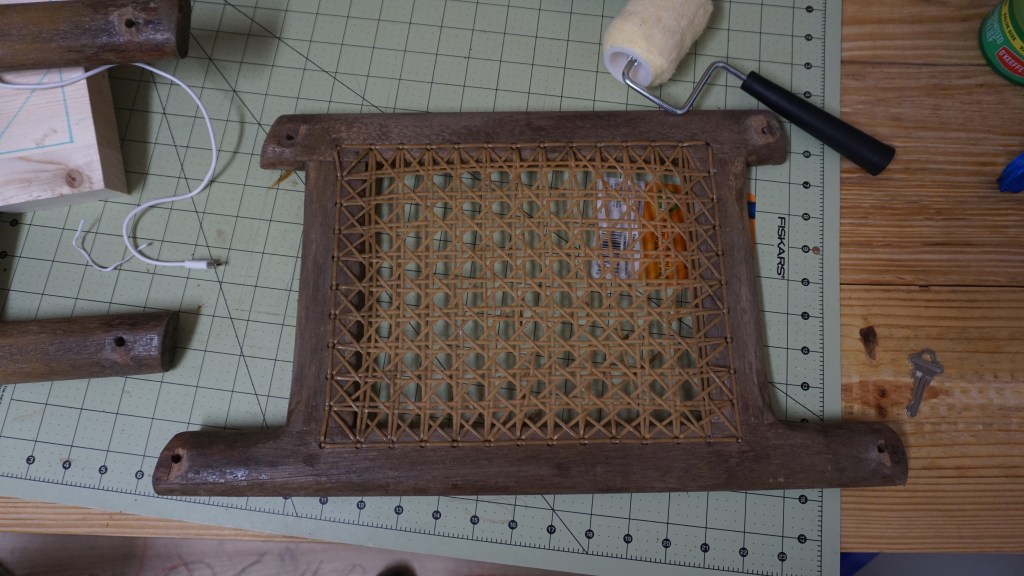
My son got to work cutting out the old cane, and we stripped the old finish and got to sanding. The seats seemed to still be in decent shape and we worked on bringing them back to their old glamor. We were actually working on the seats while we waited for the lumber to arrive from Maine.
After a few trips to the local lumber mills, I decided to purchase my lumber, right from Maine. Island Falls Canoe, in Atkinson.
Once the hull was decently stabilized, we were now looking at taking out the stern, stem of the canoe . This is especially difficult to do, because the canoe was essentially built around the stem. This area of the canoe is especially prone to rot. In many scenarios, only one section of the stem would need to be replaced (perhaps 1/3 or 1/4 of the stem). There are different ways to scarf the new stem into the old, however, gauging from the amount of rot, I knew I needed a whole new stem. This is the part I’m working on currently.
Was it necessary to fill all of the old tack holes in the ribs? Probably not, but it gave the shop mites something fun to do.
It is becoming more apparent to me that there is no cookie cutter way to restore/rebuild a wood canvas canoe. I found this interesting posted on the “Wooden Canoe Heritage Association” YouTube channel. It details the restoration of an “Old Town Ruston” wood canvas canoe. Through watching these videos, I gather different types and tricks to help with my restoration.
Interesting video posted on the WCHA channel about the restoration of an Old Town Rushton.
The weather has been getting milder and we spent many grand days outdoors. My daughter was able to go on her first canoe trip and I do believe she is hooked. She is asking for her own paddle like her brother’s. We will probably have to carve one of those as well one day. Alas, fall is approaching and we are ready for more! Stay safe and healthy everyone!
Taking my daughter out for her first canoe trip this past summer.Canoeing in Pocahontas State Park, Virginia.Side projects keep the kids interested. Like this canoe sign made from a CNC machine.Fall is approaching with cooler temperatures. We are looking forward to spending more time in the shop.
As a father of 3 little children, I find that I appreciate the Virginia state parks more and more each year. Before kids, I loved trekking, camping and canoeing in wilderness areas, far from civilization. Although this can still certainly be done with kids, mine are still a little too young. For now, they are absolutely loving the state parks and all of their amenities, such as pools, bathrooms and showers. The trails are always well kept and the parking lots allow for easy transport of the munchkins.
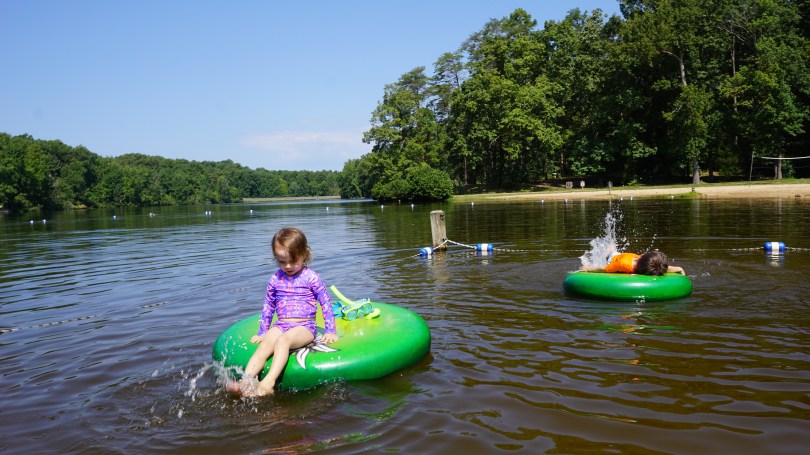
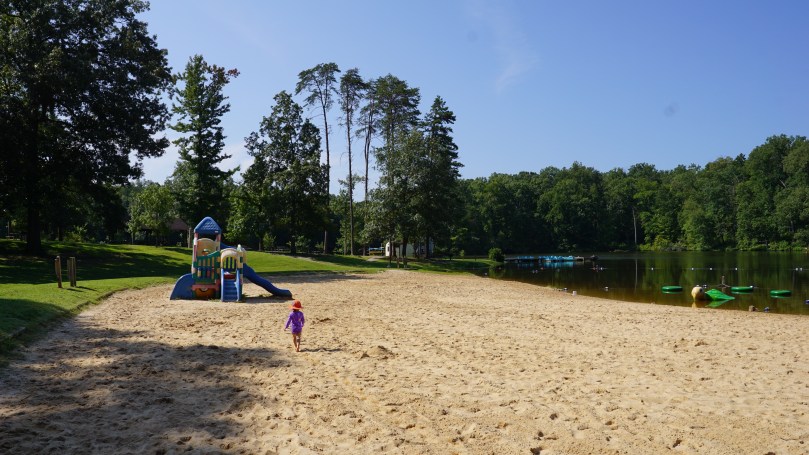
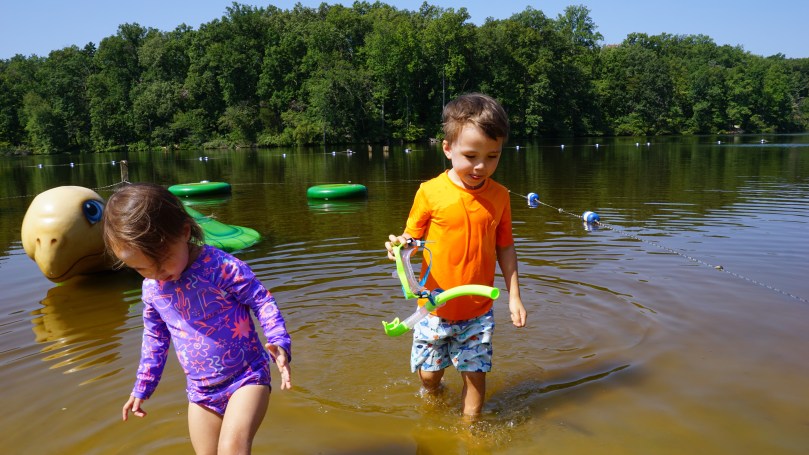
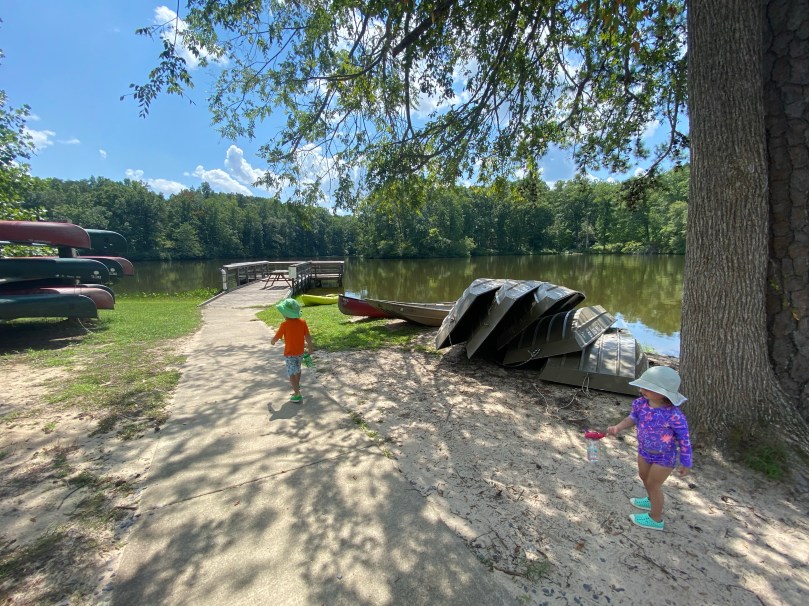
We’ve had a few chilly mornings lately, signifying the near arrival of autumn and the school year. I wanted to get outside with them before they started school. The weather forecast was set for a high of 87F and sunny, it was our chance to explore Bear Creek Lake State Park in Cumberland, Virginia. The drive was easy, less than 1 hour from Richmond and the empty lake on a Wednesday was perfect.
The park is a modest 329 acres, but the beach lake access and boat ramp with playgrounds was perfect. As true Canucks, these guys overheat easily, so we were stoked about the ample shade provided by the towering oaks and tulip poplars. The beach area was well kept with canoes, kayaks and paddle boats for rent. The spent their day swimming and playing in the sand. These little guys played their hearts out as the final days of summer approach. School is around the corner!
St Mary’s Road is very well maintained, with a parking area before the trail head.
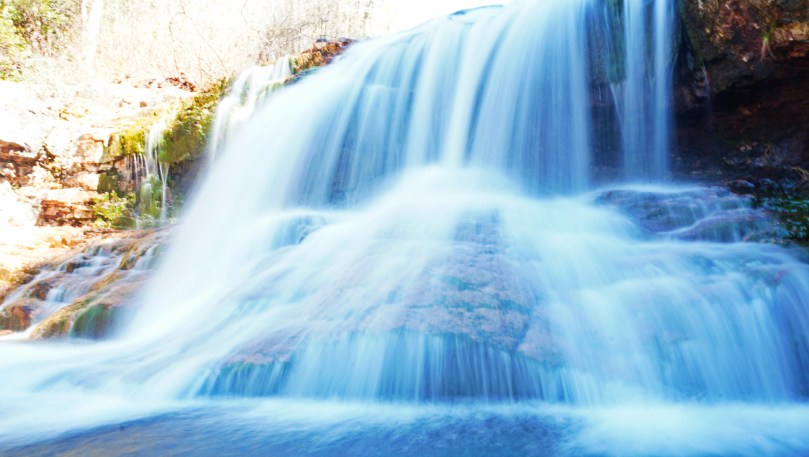
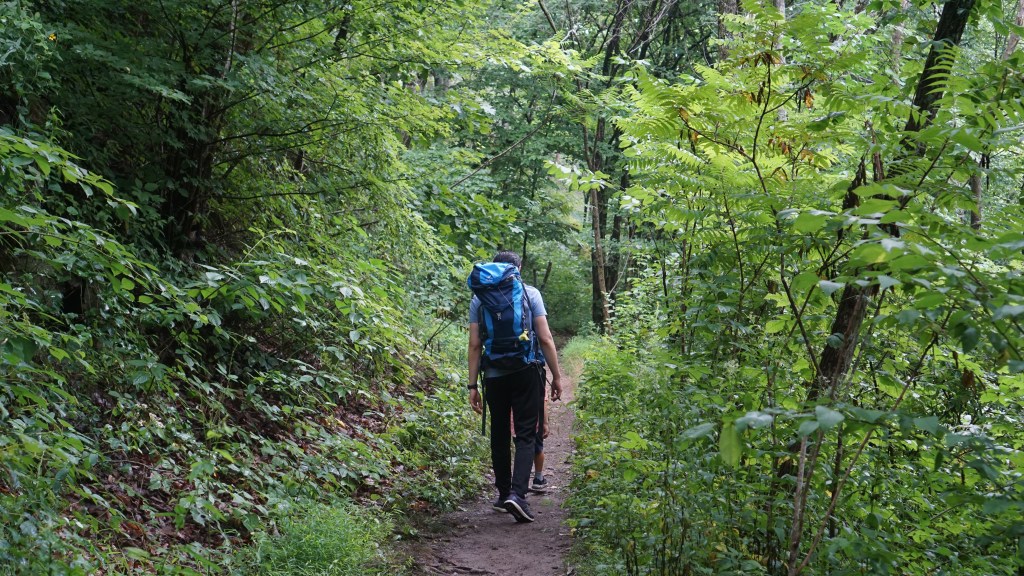
8/6/2022 – It’s been 6 years since I’ve stepped foot in St. Mary’s Wilderness, located in the vast and spectacular George Washington National Forest. I’ve hiked and camped here before in the Spring and Fall however I’ve never hiked through in the heart of summer – for good reason. The trail on this hike is generally poorly maintained because it is a designated wilderness area. Pink ribbons tied to branches outline the trail and most easily visible during spring and winter when the trees are bare. I wanted to take my son and my brother to this area to beat the summer heat and swim in the cold spring waters and to get to the St. Mary’s waterfall – where there are deep pools and cliff jumping.
St. Marys Wilderness Falls – April 2016St. Mary’s Wilderness – October 2016
We arrived on Saturday morning at approximately 10:00am. The parking lot was full but we had no trouble finding parking on the side of the roads. The directions to the trail are very straight forward and the road is well maintained. The summer heat brought numerous visitors, all with towels and bathing suits ready to dip in the ice cold spring waters. The lush green vegetation blanketed everything including parts of the trail.
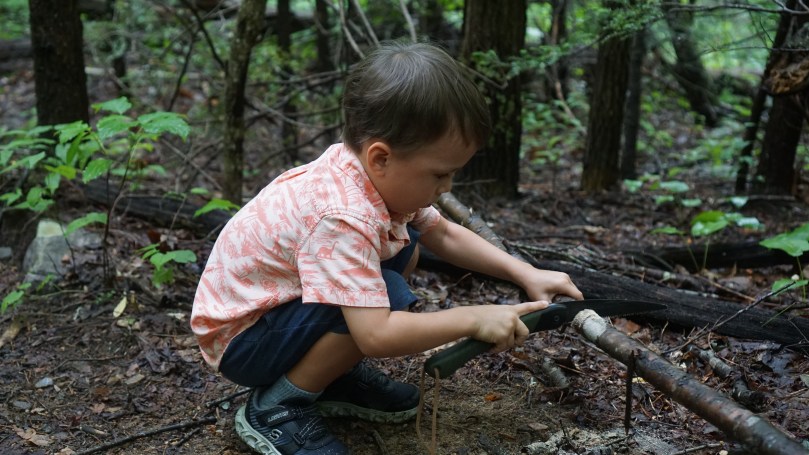
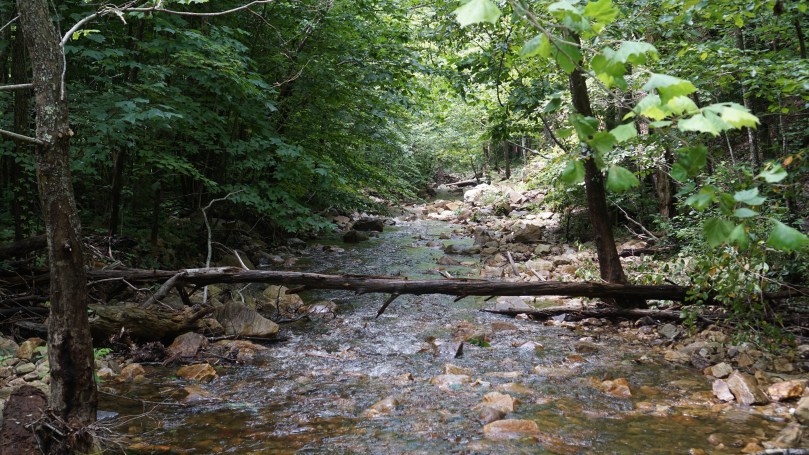
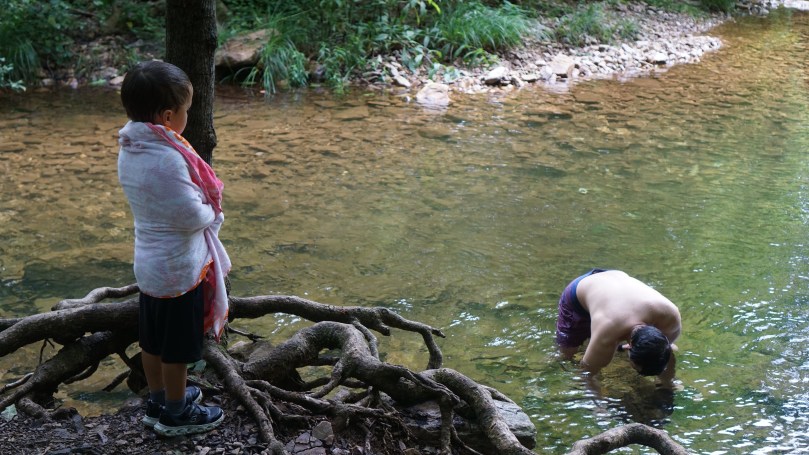
I realized early into the hike that we were not going to make it to the waterfall. There was heavy rain the days prior and everything was wet and it took plenty of time to navigate with my son. So we decided to just take it slow and enjoy the hike. He’s currently into mushroom identification, and he spent a good amount of time combing the forest floor. The butterflies were also in full force, so he marveled at the sight of dozens of them near the stream. He made hiking sticks with his trusty laplander folding saw. I let him pick one of the deeper pools to swim in as promised before the trip. He was thrilled at the idea of swimming in ice cold spring water.
After a much needed swim and some lunch. We slowly made our way back to the car. As we left, my son reassured me that we were coming back to get to the falls next time. He had an awesome time in St. Mary’s Wilderness.










































 WAY NORTH