Baking Bannock (winter holiday version)

Setting up a stove in Temagami, Ontario

Bannock is a popular food item for us to make on canoe and camping trips. It is a simple, warm and tasty bread that can be easily baked over an open fire / oven. From the recipes of the First Nations people to the Scottish, there are innumerable ways to prepare bannock. Some involve leavening agents and some don’t. Some people bake it and others fry it. Over the years, I’ve learned to keep it simple, light and fluffy.
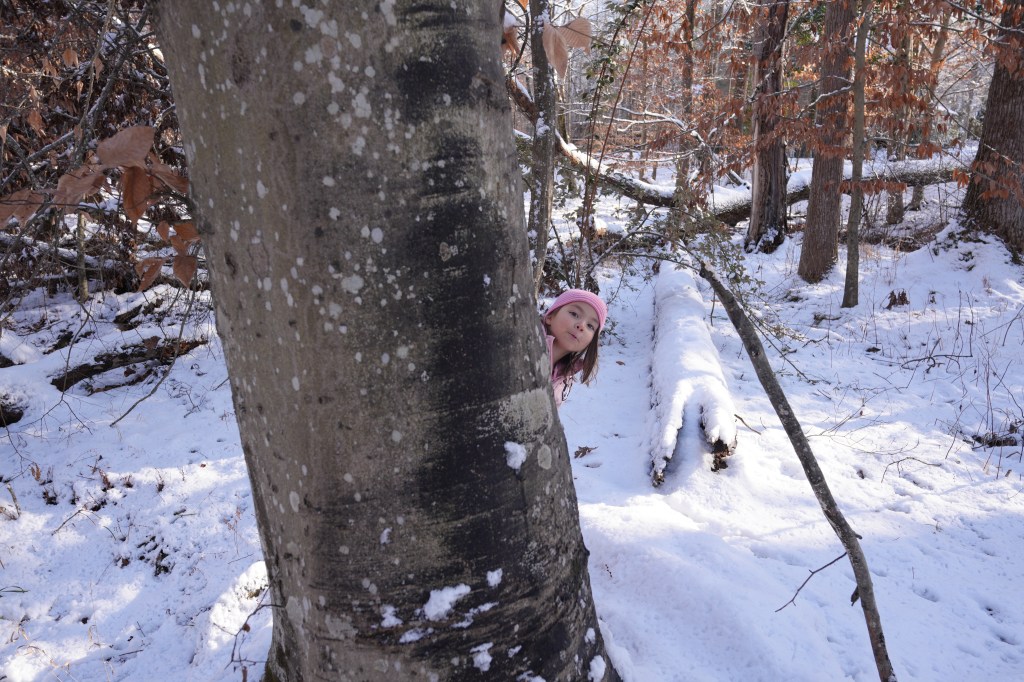
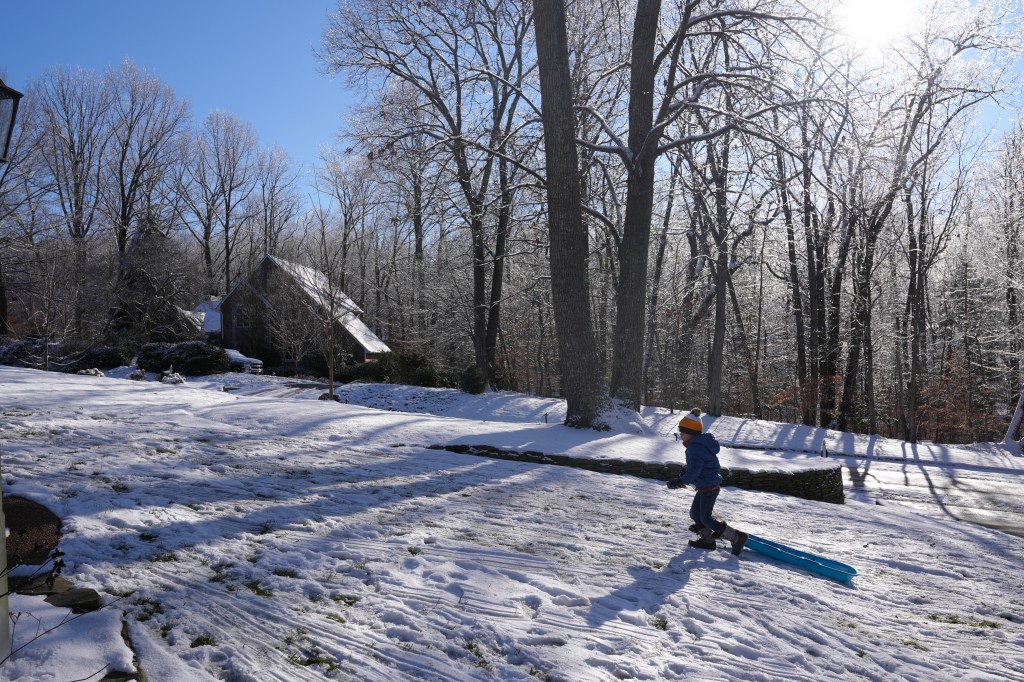
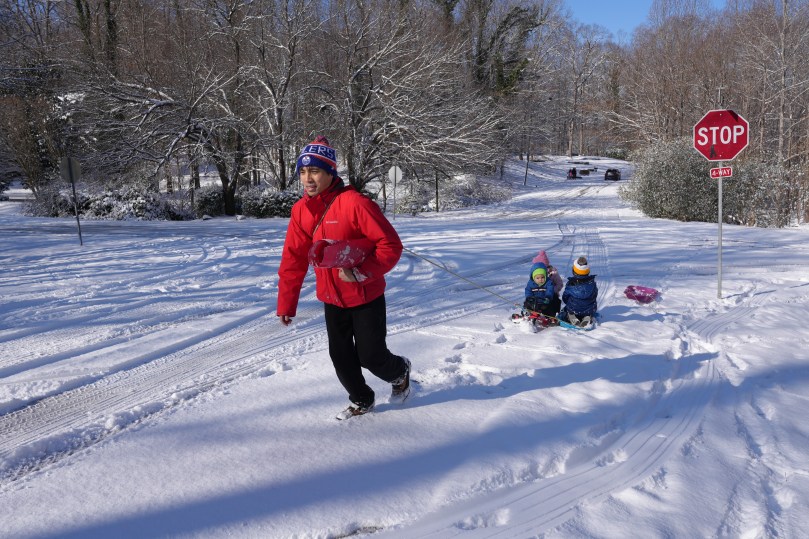
Over the winter season of 2025, Richmond, Virginia received snowfall on January 5-6 (approx 3 inches) and then subsequently January 10-11 (another 3 inches), we decided to was the perfect chance to make some winter holiday bannock (with cranberries). The kids did not mind the extended holiday break. Let’s get started.

INGREDIENTS
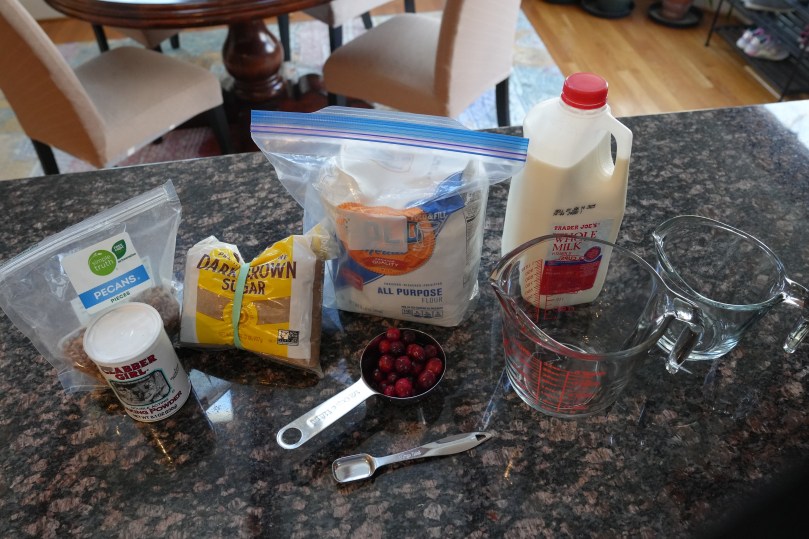
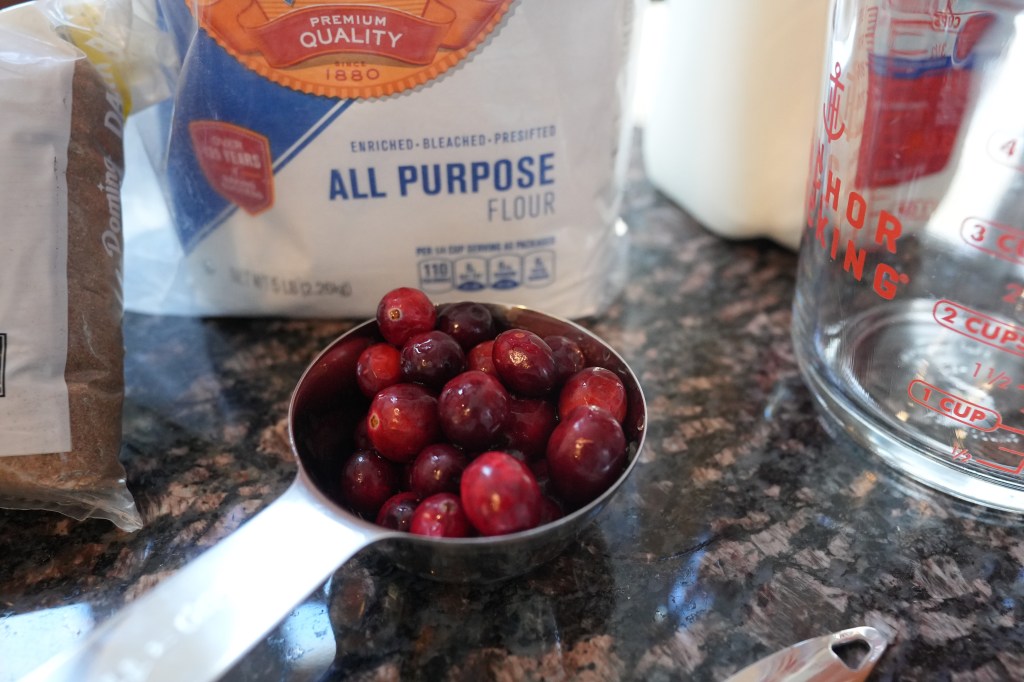
  • 2 cups of all purpose flour
  • 2 teaspoons of baking powder
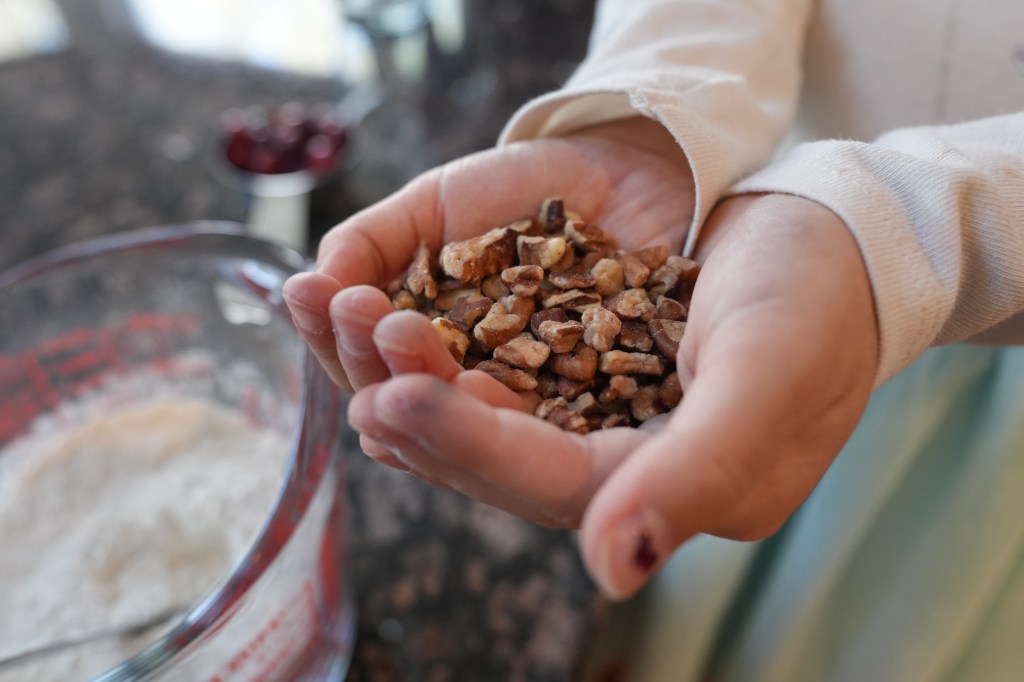
  • 1/4 cup of pecans
  • 1/2 cup of fresh cranberries
  • 2 teaspoons of brown sugar
  • oil
  • 1 cup of milk (can also use dry milk powder and water as a replacement)

INSTRUCTIONS

  1. Dry mix the flour, baking powder, pecans and brown sugar
  2. pour in the cup of milk and add the cranberries
  3. gently mix all of it together to disperse the milk evenly. (You don’t want to over mix it because this will punch out all of the gas)
  4. If you’re cooking with an oven, oil the cast iron skillet and get the oven temp to 350F. Place the contents into the skillet and bake until ready (usually approx 25min to 30min)
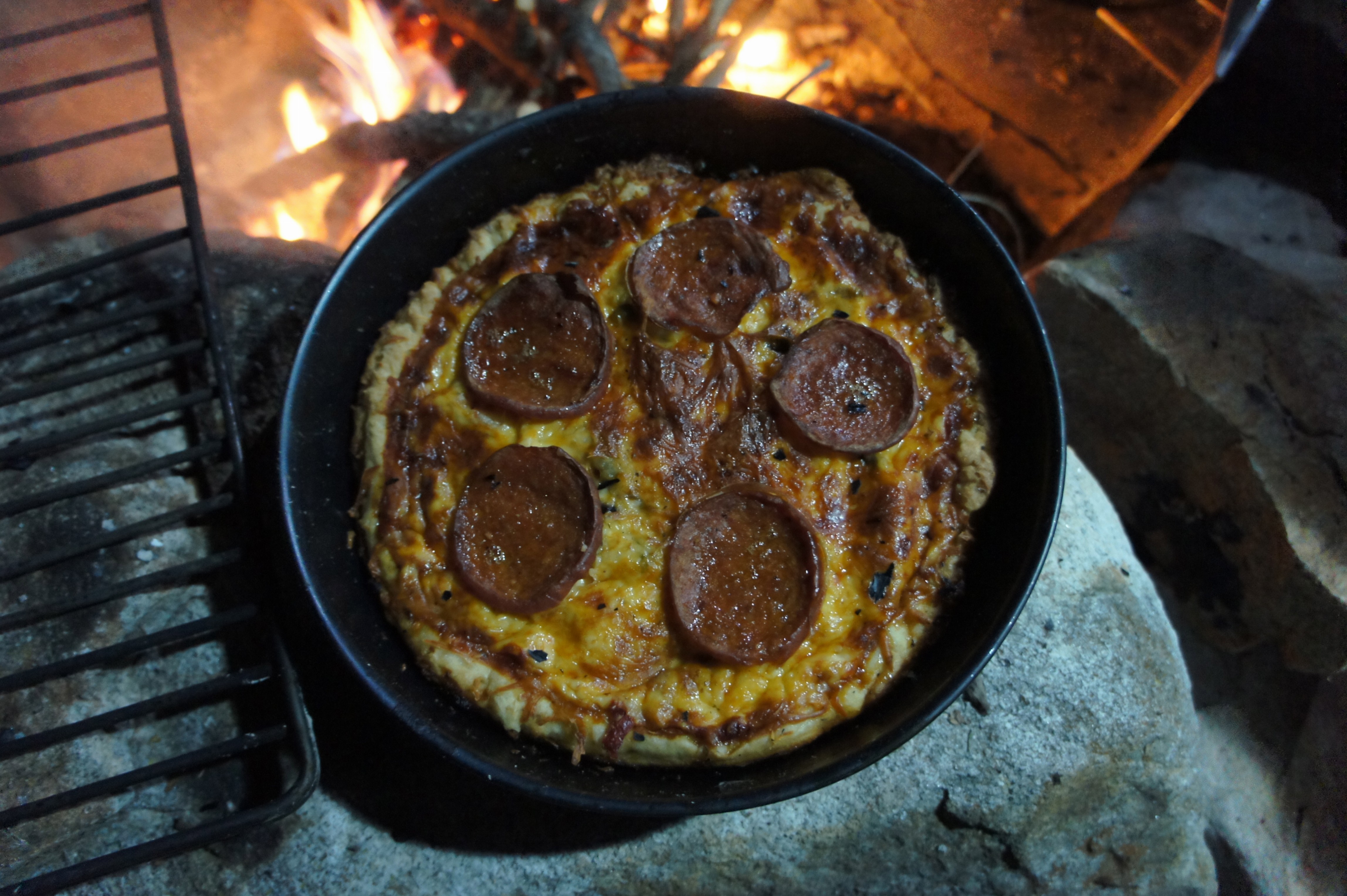
  5. If you’re cooking over an open fire, keep your skillet facing the fire, you can usually use a stick to prop it up. Based on the weather conditions, it will be done when it’s ready, the surface will become slightly brown and hardened.
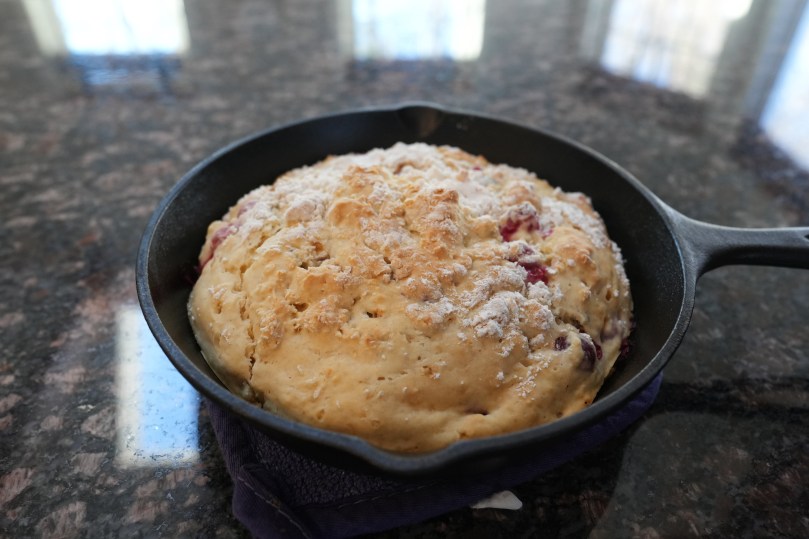
  6. FINISHED

ENJOY

Cranberry bannock

Enjoy! Hope everyone stays safe and healthy this winter!


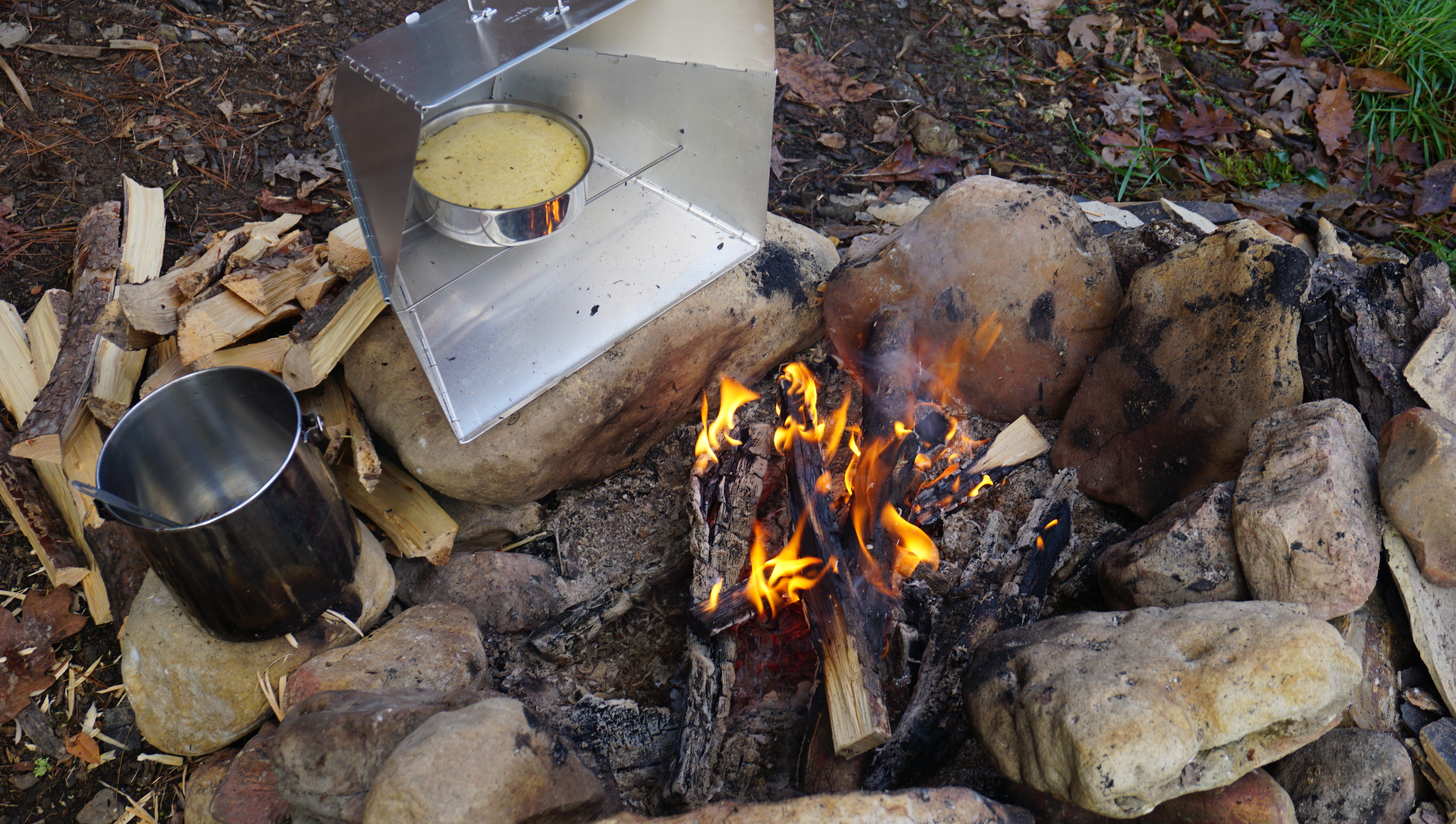
Outdoor baking tip: (consider a reflector oven!)

If you spend a reasonable amount of time baking outdoors, you could consider getting a reflector oven. The reflector allows for a more even heat distribution and easier to control temperatures than an open fire. Svante Freden of Sweden, makes an excellent, lightweight, aluminum reflector oven for baking in the outdoors. https://www.canadianoutdoorequipment.com/reflector-oven-by-svante-freden.html?srsltid=AfmBOoqjuGjAky6FZN4tMEjufelaGKQlVISv6CPWfuRRWCOc3bn41gn-

Over the years, we’ve gotten alot of use out of our reflector oven from Svante Freden.

Johnston Canyon Falls – Banff National Park, Alberta

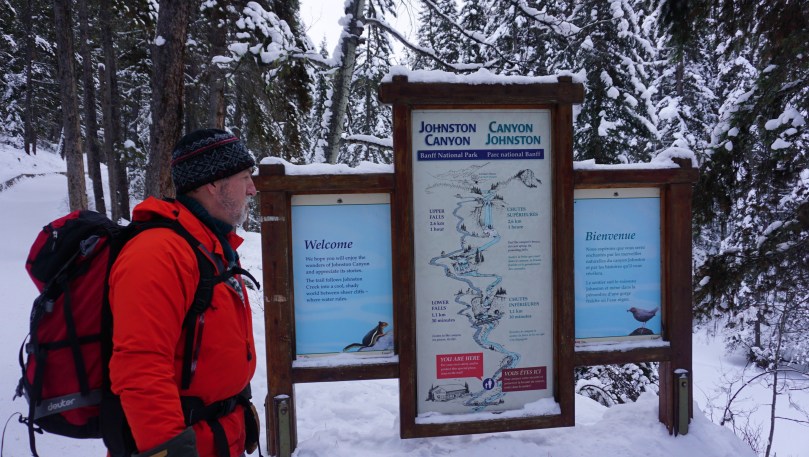
One of the most popular attractions in Banff National Park is the Johnston Canyon Falls. It is a short hike at less than a couple of miles, but spectacular throughout the entire way. In fact, before even reaching the falls we were fortunate enough to get a moose sighting in Moose Meadow. I was curious as to what brought moose to that particular meadow. I was interested to learn that moose are not grazers, and as such they eat forbs and other non-grasses which are plentiful in this meadow. Frequently they are seen feasting on aquatic plants. This particular moose was interested in our vehicle and actually stopped eating to come check us out. It then peacefully, went on its way. It was a very nice welcome from a resident of Banff National Park.

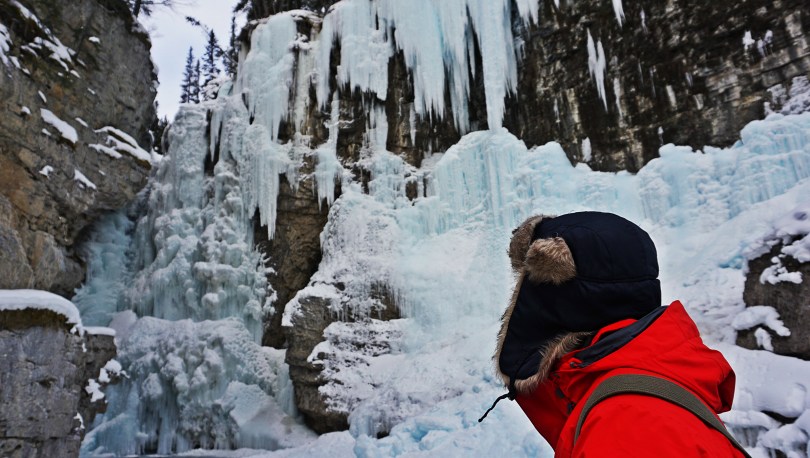
In the summer time, the Johnston Canyon trail is packed elbow to elbow, however during the winter, it is a quiet, icy wonderland. We strapped crampons to our boots to allow for traction while navigating the trail. We followed the Johnston creek as it coursed it’s way through the limestone valley. A steel catwalk system is bolted to the cliffs through the valley for easier navigation and to keep visitors above the water.

The forces of nature are displayed brilliantly in Johnston canyon. The beautiful limestone that encase the valley, reveal a history of thousands of years in its cross sections. The retreating ice glaciers that once covered the region, molded the landscape to what we see today. Trees all around us are literally bent from the many months of heavy snowfall throughout the year. Thick old man’s beard (lichen) draped over the towering firs and the turquoise, glacier water flowed around us, flickering from the ice and sun.

Upon reaching the lower falls, we had the opportunity to navigate the limestone caves to view the falls from the shadows and listen in awe to the echos of the rushing water. After a short break, we continued on to the upper falls where we had some warm tea and granola while watching ice climbers brave the falls. The view from the top was stunning. Beyond the upper falls is a region called the Ink Pots, where apparently seven cold mineral springs can be found in open meadows.

Snowshoeing – Banff National Park, Alberta, Canada

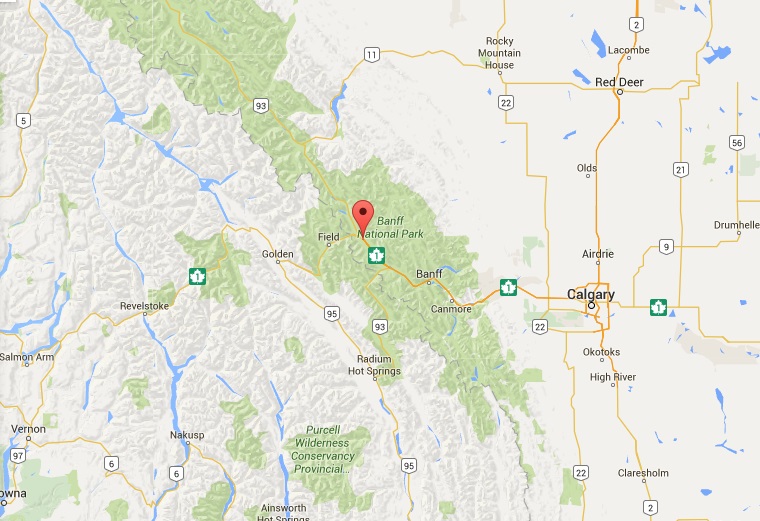
lakelouisemapI have always wanted to see Alberta. Ever since my elementary school days, I remember completing research projects and hearing about the great national parks of the Rockies and knew that one day I would have to visit them. I just never thought it would be in the winter. We were fortunate enough to get vacation together and made our way to the great province of the strong and free. One of the best ways to trek through this winter wonderland is by snowshoe. Sarah and I set out to the woods around Lake Louise to have our go at traditional snowshoeing. Our guide, Paul, works at the Chateau Lake Louise, and has been leading trips through Banff for the past 30 years. He was a knowledgable man who had great respect for nature, ecology and the First Nations people. For the First Nations people who originally lived in the area, snowshoeing was much more than recreation, it was a way of life.

Paul emphasized, “there is no such thing as a perfect tool”. Each type of shoe was designed by different tribes who lived in different environments. The western prairie snowshoes were very wide allowing for the greatest distribution of weight. The people of these regions did not have to worry about navigating through trees and dense forests. The Algonquin and Ojibwe people however, made their shoes longer and more narrow to weave in and out of trees.

The temperature was actually quite warm for the region at about -15 celsius, with fresh snow falling. As we made our way through the trails, I was surprised at just how well the shoes worked. We glided through the forest with ease and comfort. Fir trees towered all around us and we trekked kilometers in peace and quiet with the magnificent sight of the Rockies all around us. I was also surprised to learn that Paul constructed several of his own shoes. These beautiful shoes were not only pieces of art, but more importantly for the First Nations people, an essential tool for survival during the harsh Alberta winters.

DSC01133