

- Elevation: 1820 ft
- Location: Sherando Lake Recreation Area, 96 Sherando Lake Rd, Lyndhurst, VA 22952
- Latitude : 37.919724, Longitude : -79.01
- Date: 10/21/2021
The George Washington and Jefferson National Forests contain almost 2 million acres, with most of these acres in Virginia (1,664,110 acres). The remainder is mostly in West Virginia (123,629 acres) and then Kentucky at 961 acres. It is home to some of the most beautiful mountain lakes in Virginia. Lake Moomaw and Switzer Lake are two of my favorites. I’ve heard much about the popular Sherando Lake, which is probably the most popular of the lakes given it’s ease of accessibility and plethora of facilities and amenities. Many people come here to swim, camp, hike and of course fish the stocked trout.

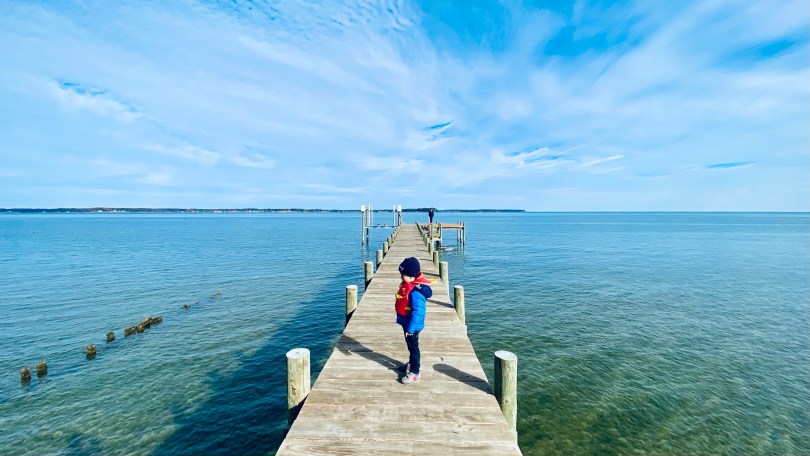
During a week long trip out to the Blue Ridge Mountains, we made a day trip to Sherando Lake to check it out. With 2 little ones in tow, we hiked an easy trail around the lake at 1.4 miles with very little elevation gain of about 100 ft. The spring-fed lake is small at 25 acres, but picturesque. The entrance to the lake is magnificent, with small stone bathhouses and small bridges that cross meandering creeks. There is a designated beach area for swimmers which I’m sure is packed during the summer months. The trees were starting to turn in late October and the air was crisp.


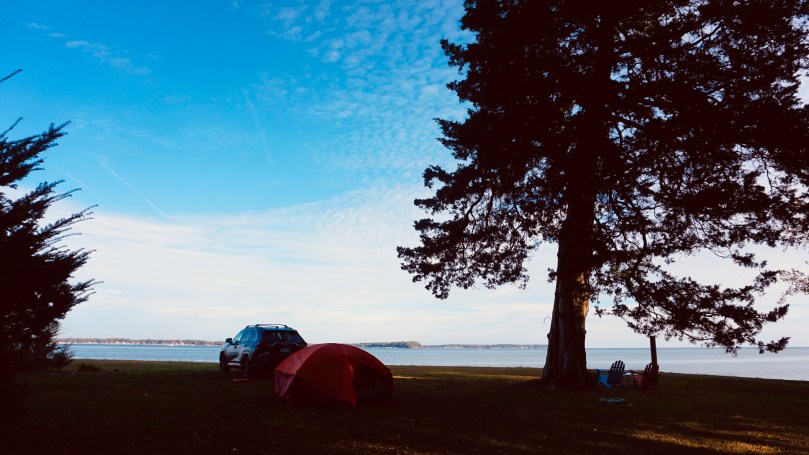
If you are thinking about heading to Sherando Lake for a day trip or for a camp out, just do it. You won’t be disappointed. (For the paddlers out there, make sure you bring your own canoe/kayak, there are no rentals on site.)
Directions
Location: Sherando Lake Recreation Area, 96 Sherando Lake Rd, Lyndhurst, VA 22952
From I-64: Take exit 96 just east of Stuarts Draft. Turn south onto State Route (SR) 624 and continue. At Lyndhurst, the road changes to SR 664/ Mount Torrey Rd, but there is no distinct turn. Continue south on SR 664 approximately 8 miles to the entrance to Sherando Lake Recreation Area on the right.
From the previous site on the Thomas Jefferson Loop of the VBWT:
About 1 mile down Sherando Lake Road from SR 664, head right for a small parking and lake access area or left for parking, lake access, restrooms, information, camping, and hiking trails.
From Royal Oaks, travel north on SR 814 for 3.6 miles to SR 664. Continue straight onto and follow for 0.6 miles before turning left onto Sherando Lake Road.
To return to the interstate, return to the Blue Ridge Parkway and follow it south to SR 56. Turn right and follow this to I-81. From here, turn north to begin the Forest Trails Loop or south and start the Rockbridge River and Ridge Loop.



 WAY NORTH