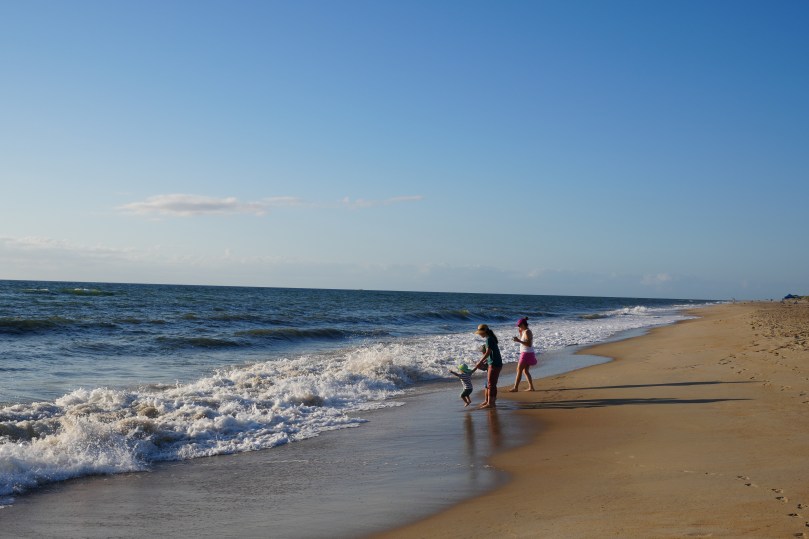
On the last week of Spring we head to our annual refuge on the barrier islands of North Carolina known as the Outerbanks. This time, we stayed in the town of Nagshead, and got to enjoy a week of perfect weather, upper 70s F with sunshine. I always wondered what was so particularly rejuvenating about going to the beach and the ocean. Is it the sight of water? Is it the cadence of the waves crashing? The tactile and sensory stimulation from walking on the sand and into the cold water? It turns out it could be all of those things. A friend of mine recently recommended a book called “Blue Mind” written by marine biologist Wallace J. Nichols. In this book he explores “… the Surprising Science That Shows How Being Near, In, On, or Under Water Can Make You Happier, Healthier, More Connected, and Better at What You Do”. It’s a pretty interesting read. I hope everyone stays cool out there, stay hydrated, get your rest and have fun.
Our toddler enjoying the surf at sunrisePlaying in a tidal poolThe beach at NagsheadYellow flag (indicates medium hazard, light surf and or currents). The Outerbanks is known for its strong surf and riptides, so always keep an eye out for your kids! Watching the surf
In April we went to Westmoreland State Park, in the Norther Neck of Virginia to look for shark teeth. This is a short video of our trip! Have a safe and relaxing memorial day weekend everyone.
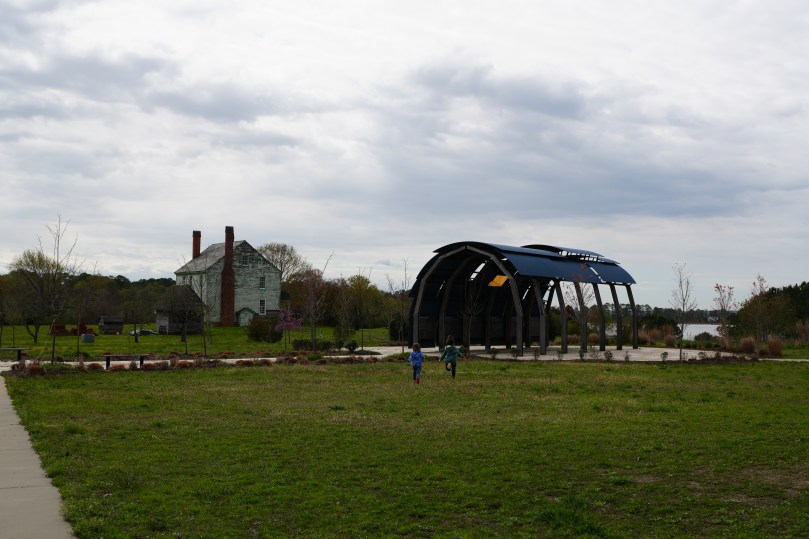
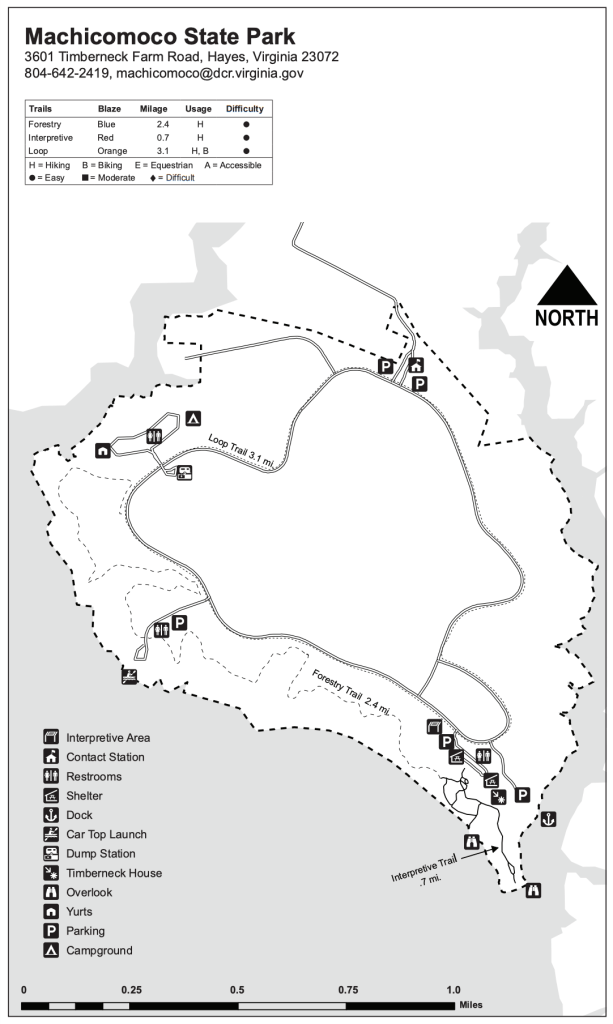
Virginia’s 40th state park is certainly a special one. It is the first one dedicated to all of the tributes of the First Nations people (Native Americans) of Virginia. The park spans a beautiful 645 acres and overlooks the mighty York River, in Gloucester County, Virginia. The heart of the park, is an interpretive area which centers around a timeline and an open-air structure that resembles a longhouse. The time-line follows the history of the first humans and first nations tribes of Virginia. A visit through the park will quickly reveal why it is so aptly named “Machicomoco”, (A special meeting place in Algonquian).
The interpretive area, overlooks the mighty York River. In the background is the Timberneck house.
The park provides a bounty of outdoor experiences. It is a wonderful place to canoe, kayak or paddleboard. Bike trails and hiking trails are also laid out very neatly. There are nearly 200 bird species in the area to view and enjoy.
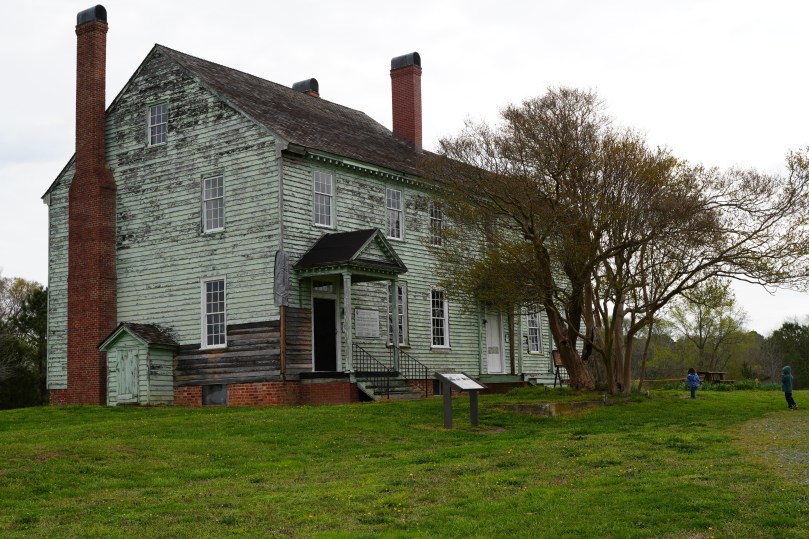
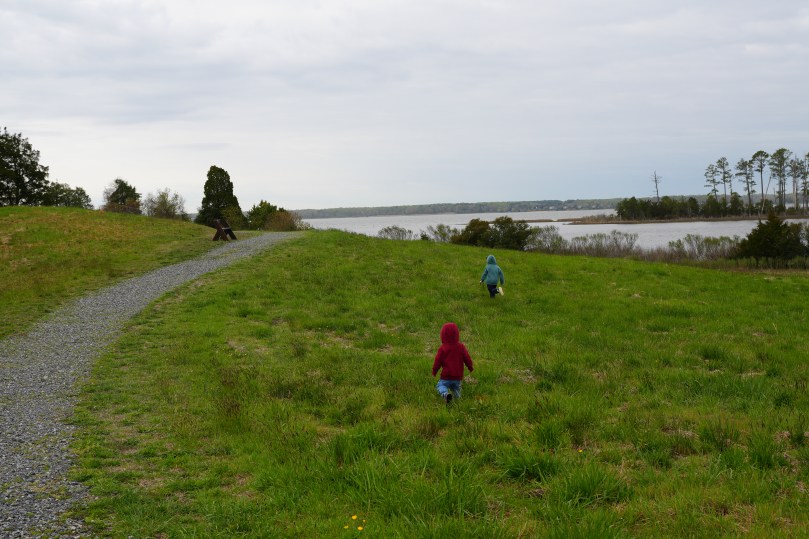
The Timberneck house, currently undergoing it’s restoration.A windy, chilly spring day. The kids were too excited to be cold.The York River
During spring break, we spent a week in Gloucester County and made a day trip to visit this newer Virginia State Park. We spent most of our time at the interpretive area and then followed the interpretive trail to the water. Along the way, there is the Timberneck house that is currently undergoing restoration. It sounds like the goals for the restoration will be to provide lodging options for visitors, and a place to host events and workshops to get people involved with hands-on archaeology and preservation.
My visit to this state park was especially meaningful and serendipitous. I have been reading a fascinating book called “Braiding Sweetgrass” written by Potawatomi professor Dr. Robin Wall Kimmerer. She also serves as the director of the Center for Native Peoples and the Environment at the State University of New York College of Environmental Science and Forestry. (SUNY-ESF). The book is a series of short stories as she explores the reciprocal relationships between humans, trees and plants. I am particularly interested in her view as she bridges the connection between the spiritual world of First Nations people and the scientific world. She bridges this connection with beautiful stories that meld traditions, spirit and assesses them from a scientific standpoint. A true joy to read and would recommend to anyone who spends anytime outside.
We took our time walking through the interpretive trail, looking at native american symbology, looking at the wildlife, and picking wildflowers. The wind in the open field made for a chilly spring day, but the kids were excited to march on. This would be a wonderful place to put in the ol canoe and possibly get closer to those great egrets. If you’re looking for a place to meet with a friend, family member or just a place to think…..this is a special place.
Photos taken with Sony a6700 (tamron 28-75mm lens)
I’ve spent more time slowly down this Spring and catching up on independent films and documentaries. I came across this gem from The Guardian featuring a man, who lived in Yellowstone National Park, working as the park’s winterkeeper. The story is told beautifully and the videography makes it a joy for the eyes to watch. I hope you all enjoy. Its about 12 minutes long.
“Steven Fuller is a winter caretaker who has lived at Yellowstone national park for the past 50 years. As the cold weather approaches and the seasonal transformation begins, he hunkers down in his remote mountain cabin. But Fuller and Yellowstone face an uncertain future, with the climate crisis threatening to forever change one of North America’s last great wildernesses.” – The Guardian
After watching the documentary, I reflected on my own personal experience traveling to America’s first national park in 2018. Yellowstone is really a magical place. I spent only 1 week there but I feel like this already magical place would be even further transformed each season. I hope to go back once my kids are older. Below are some of my favorite shots from Yellowstone National Park in 2018.
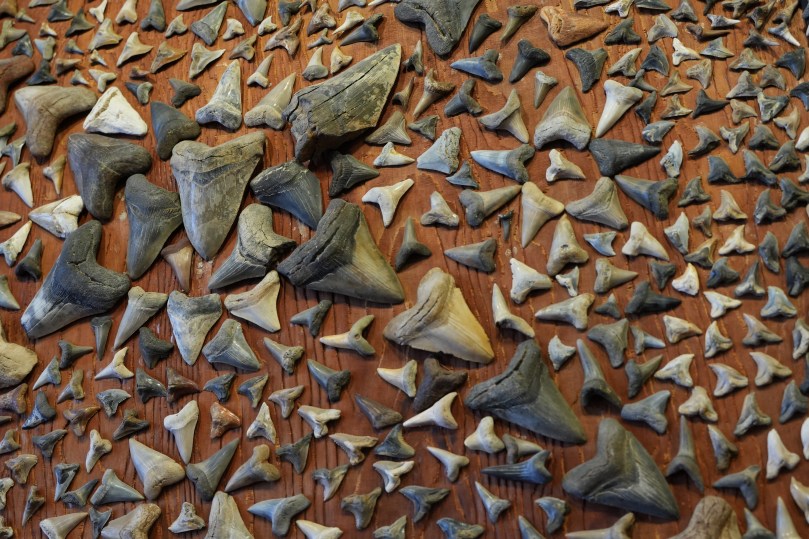
What kid under the age of 99 wouldn’t like the chance to look for shark teeth/fossils and gems? Enough said. We were all eagerly anticipating our chance to visit our 10th Virginia State Park. Westmoreland State Park in Montross, Virginia of the Northern Neck region of Virginia. The park is most known for its beaches where visitors have a chance to dig and sift for shark teeth. Legend has it that every 2 years or so, a visitor will find even a megalodon tooth! Megalodon (otodus megalodon) is an exctinct species of giant mackeral shark that live 23 to 3.6 million years ago. The average length of a megalodon was estimated at 33.5 ft! This thing would’ve snacked on Great White Sharks.
Inside the visitor center, there are amazing shark teeth specimens on display.
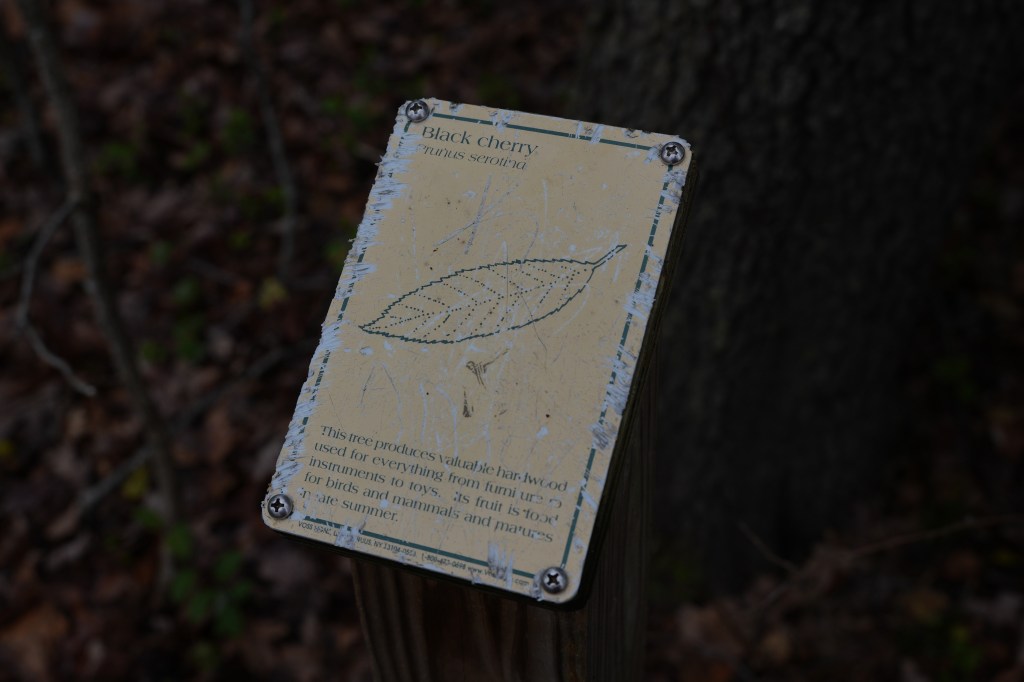
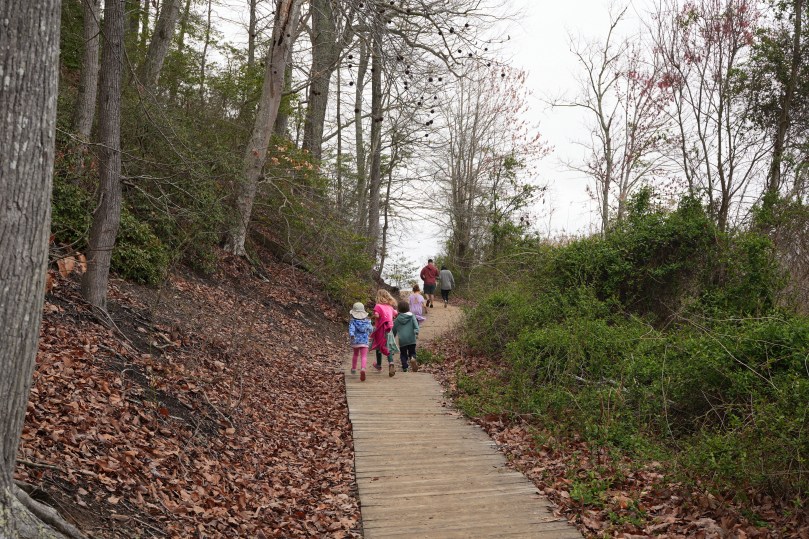
The kids packed up their rock digging kits, shovels, sifters and we head out to the Norther Neck of Virginia. On April 1, 2024, it was a partly overcast day with a high of 65, the wind at the beach made it feel colder though. After parking at the visitor center, the kids made the short 0.7 mile hike to fossil beach. It is a gentle decline with labels for tree identification. The trail is lined with evergreens, oaks, beech, gum and much much more.
The end of the trail opens to a beautiful view of the mighty Potomac River at the bottom of the Horsehead cliffs. It is incredible to think that embedded in cliffs are fossils and remains of all sorts of sea animals dating back millions of years ago. Erosion over time, has revealed them to us over time. Most recently an old Baleen Whale was excavated from the cliff.
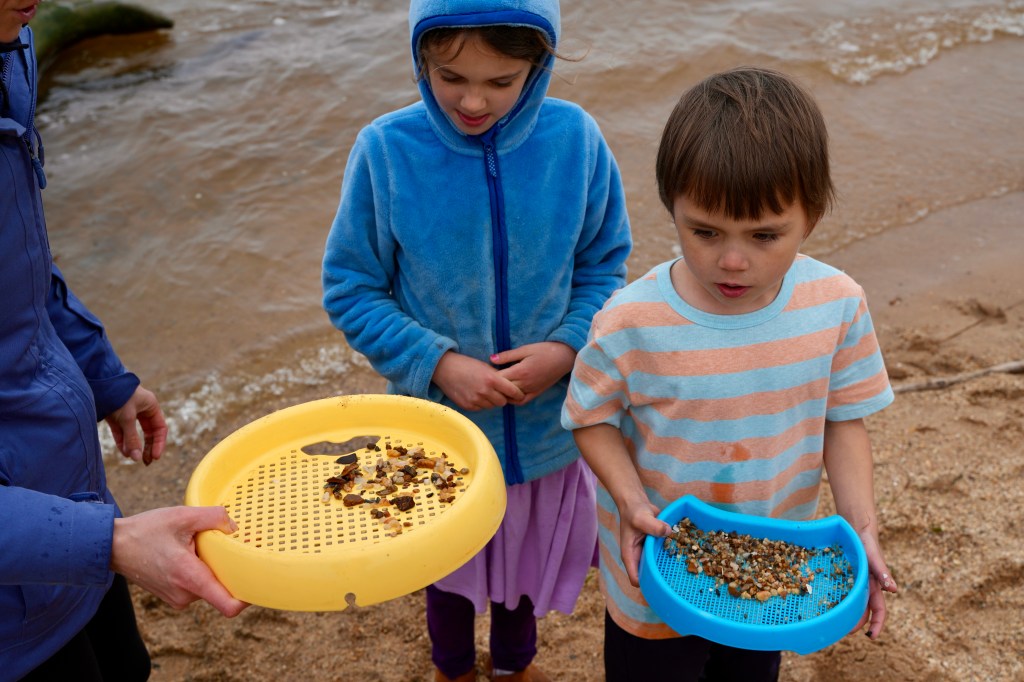
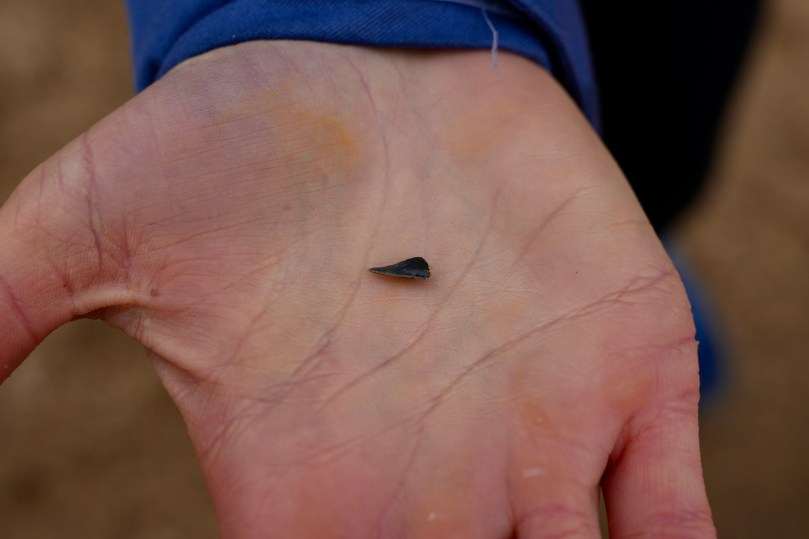
The kids got immediately to work, digging and sifting. They loved their gigantic sandbox. Their excitement rose as other people around us shared their shark teeth discoveries. The wind was strong and the water was cold on this early spring day, but they persisted in the frenzy of their excitement. After finding several interesting shells and rocks, we found a tiny shark tooth through the sieve. We searched for about an hour longer but no additional shark teeth. Regardless, they were all very satisfied. After a short trip to the discovery center and the playground we all made our way back home.
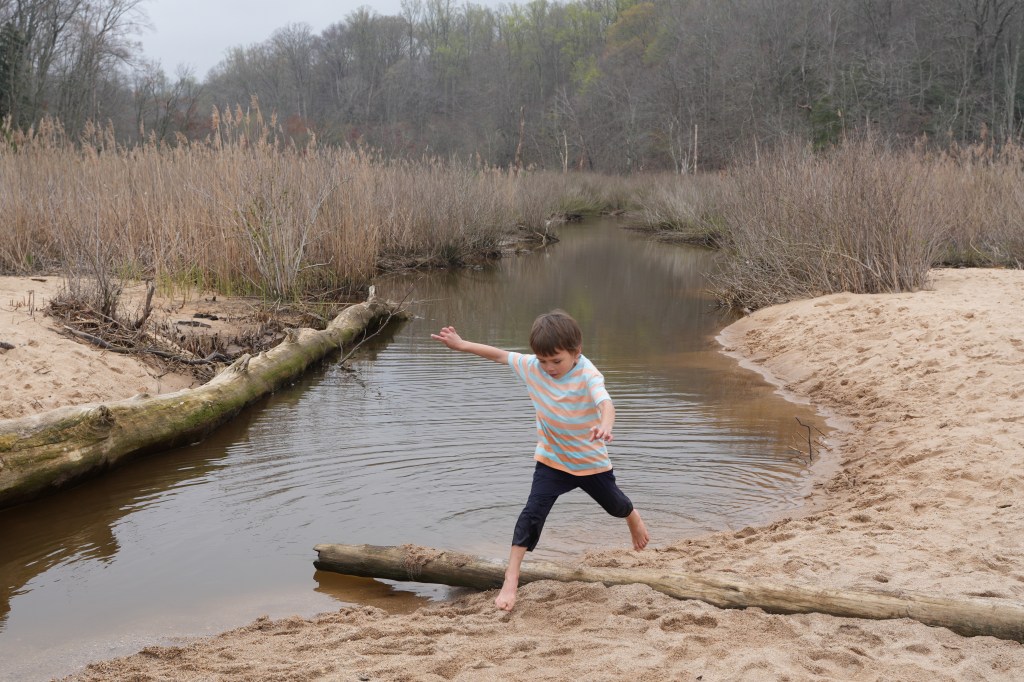
the bluffs in the backgroundthe water was COLDthe fossil expedition teamiridescent shellThe one shark tooth we found!! It is absolutely tiny, but it is no doubt a shark tooth with a serrated edge.
Overall, the trip to Westmoreland State Park was fun, exciting and successful. A trip to fossil beach is a chance for kids and adults to dig, play and have their chance at discovering the next megalodon tooth. An unforgettable experience any budding paleontologist out there…..pretty much every kid.
Photos taken with Sony a6700 (tamron 28-75mm lens)
Things to bring:
toy shovels (I think real shovels are not allowed)
buckets
sieves
water bottles/snacks
sunscreen
beach umbrella or tent in the summer
consider waders when it’s colder
make sure you use the restroom at the visitor center prior to heading to fossil beach.
Trail map for westmoreland state park. The visitor’s center to fossil beach is about 0.7 miles.
I have really enjoyed shooting with the Sony A6700. It is truly amazing to me how far we have come in video camera technology. There is so much packaged into this small camera. In the world of technology gear and gadgets, it is easy for me to get lost in the jargon, the specs and the hype. At the end of the day, I must remind myself that the camera is designed to capture memories and moments and most importantly, to tell a story.
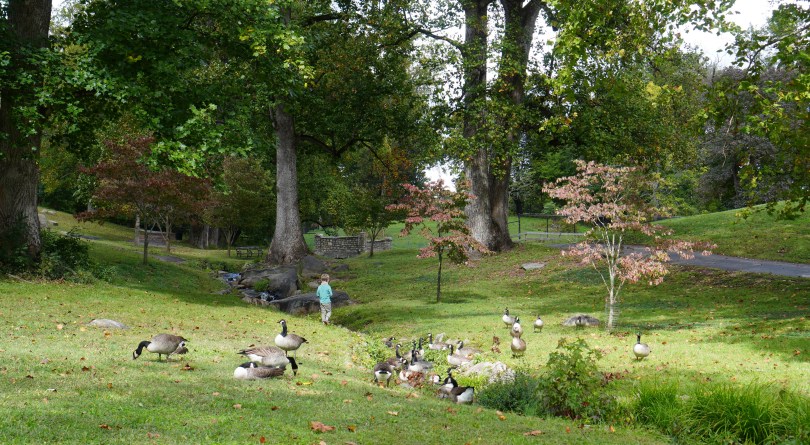
I shot this video back in the fall time when I took the kids out to Maymont Park on a beautiful fall day to see the animals. All of them were out! Even the elusive bobcat that I had never seen before. The kids very much enjoyed the adventure.
(All of the footage was shot with a Sony a6700 and a Tamron 28-75mm)
Happy Spring everyone! Stay safe and good health to all.
I came across this fascinating documentary from the CBC (Canadian Broadcasting Corporation) featuring the last full time guide in the iconic Algonquin Park. I had to share it with all of you.
“Meet Frank Kuiack, the last traditional fishing guide in Algonquin Park. Kuiack carries a lifetime of stories and wisdom about the Algonquin. His magnetic personality, skills on the water and knowledge of the park’s intricate lakes and trails has inspired two novels. When Kuiack was eight-years-old, a group of American anglers offered him $5 to show them where to catch fish — and he’s been making his living as a fishing guide ever since. At 84-years-old and recently diagnosed with bone cancer, Frank’s health has taken a turn for the worse. While he’s attempted to train guides over the years and pass on his knowledge, the physically demanding nature of the job has turned away most potential apprentices. Kuiack’s niece, Sharleen, has shown a unique ability to go toe-to-toe with Frank on the water but, despite her ability and love for her uncle, she remains unsure how to carry on his legacy or whether she desires to be the next “Last Guide.” Additional footage provided by: Gentec International/Sigma Canada” – CBC Docs
For myself and many other Canadians, Algonquin Park holds a special place in our hearts. Growing up in Ontario, we spent many summers canoeing and camping at this park. In 2014, my brother and I made a journey back home to do a week long canoe trip. I can’t believe that’s been 10 years now at that this point! As the kids get older and older, I’m starting to feel the itch once again to get back home. Hope you all enjoy.
In 2014, my brother and I did a 7 day loop to Big Trout Lake in Algonquin Park, Ontario, Canada. It was actually this trip that sparked my interest in creating this blog!
Fall Time in Virginia – Sony A6700 Video Demo – (music with Sony ECMM1 Microphone)
Testing out my new Sony a6700, filmed with a Tamaron 28-75mm lens. Footage shot at High Bridge State Park (Virginia), Twin Lakes State Park (Virginia), and various shots around the home. I recorded the background music with a Gibson J45 and the Sony ECMM1 Multidirectional Shotgun Microphone. I’m going to try to record most of my music now, to avoid copyright and visibility issues.
Wishing everyone out there good health, good luck and good times as we approach Spring. Be well!
Recommend taking either 64 or 95 as far as you can. The backroads are a bit winding.
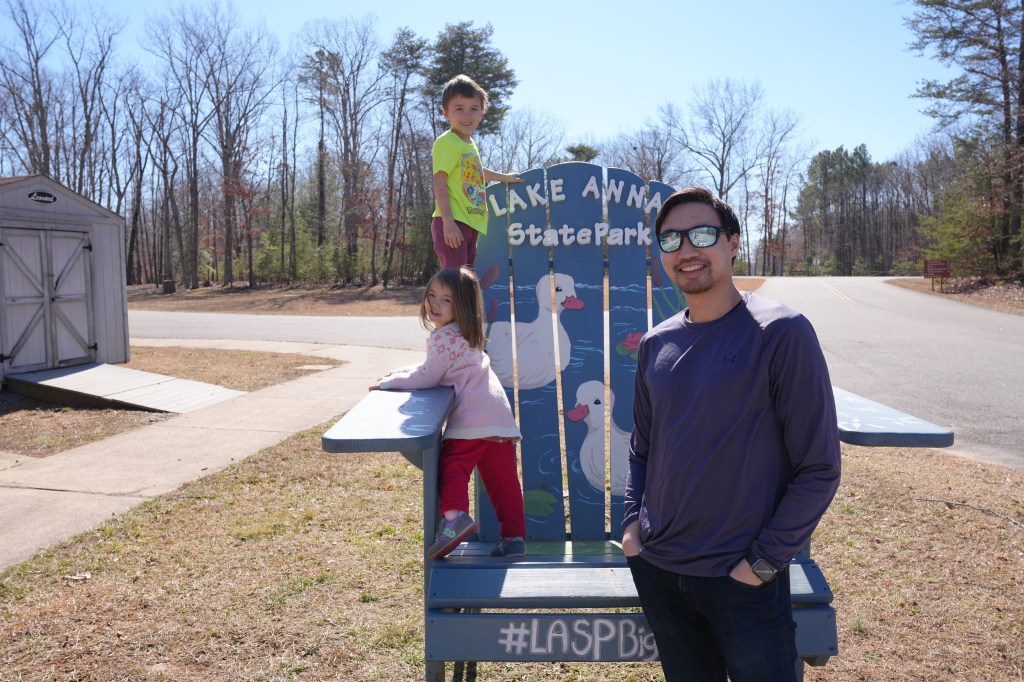
2/19/2024: President’s Day 2024, my brother and I took this opportunity to take my two oldest kids to a new state park for them to explore: Lake Anna State Park in Spotsylvania, County. It was a very mild winter day with a high of 55F and full sun, we made the journey up northwest approximately 1.15 hours drive north of Richmond, Virginia. There are numerous ways to get there, but I think the easiest would be through 64 west. Some of the alternate routes may suggest the back roads however they can be very twisting and not very relaxing.
Map of Lake Anna State Park
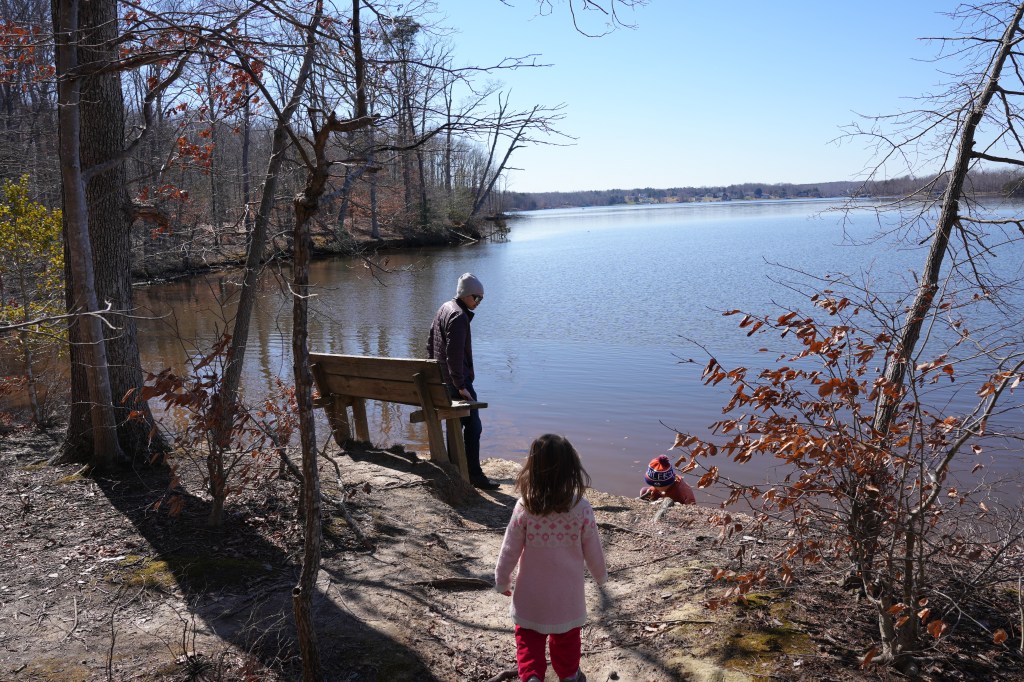
We were one of the first ones to arrive and the kids were excited as soon as we reached the visitors center. Their excitement peaked when we saw the sparkling, diamond reflection of the 13,000 acre lake. The park boasts more than 15 miles of trails. Upon arrival, the kids took the opportunity to play on the playground and empty beach. In the heart of winter, I always find the sight of an empty beach to be calming and reassuring. We decided to take on the short 1.4 mile Railroad Ford Trail which took us in a loop at one of the parks projections. It is a popular hike for children, with bridges, ponds, streams and little elevation climb.
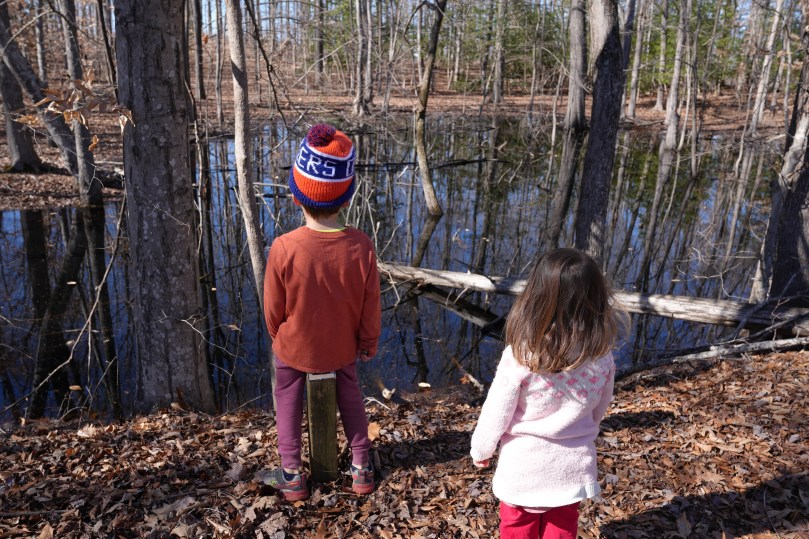
Railroad Ford TrailWinter Hike in Lake Anna State ParkObserving a dark colored pond in Lake Anna State park
As we approached the end of the trail, we gathered some kindling to brew some hot chocolate for the kids at one of the grills at the picnic station. I used the Eagle 1.5L Camping Kettle made in Norway, this little thing is fantastic.The kids left with smiles on their faces and all of the energy well spent. Overall, a success of a day. Happy President’s Day everyone. Please be safe and healthy out there. (Spring is almost here, start thinking of trees/flowers/plants that you wish to plant).
Eagle 1.5 L Camping Kettle from Norway is used to heat up hot cocoa Hot cocoa on a winter day’s hike in Lake Anna State Park
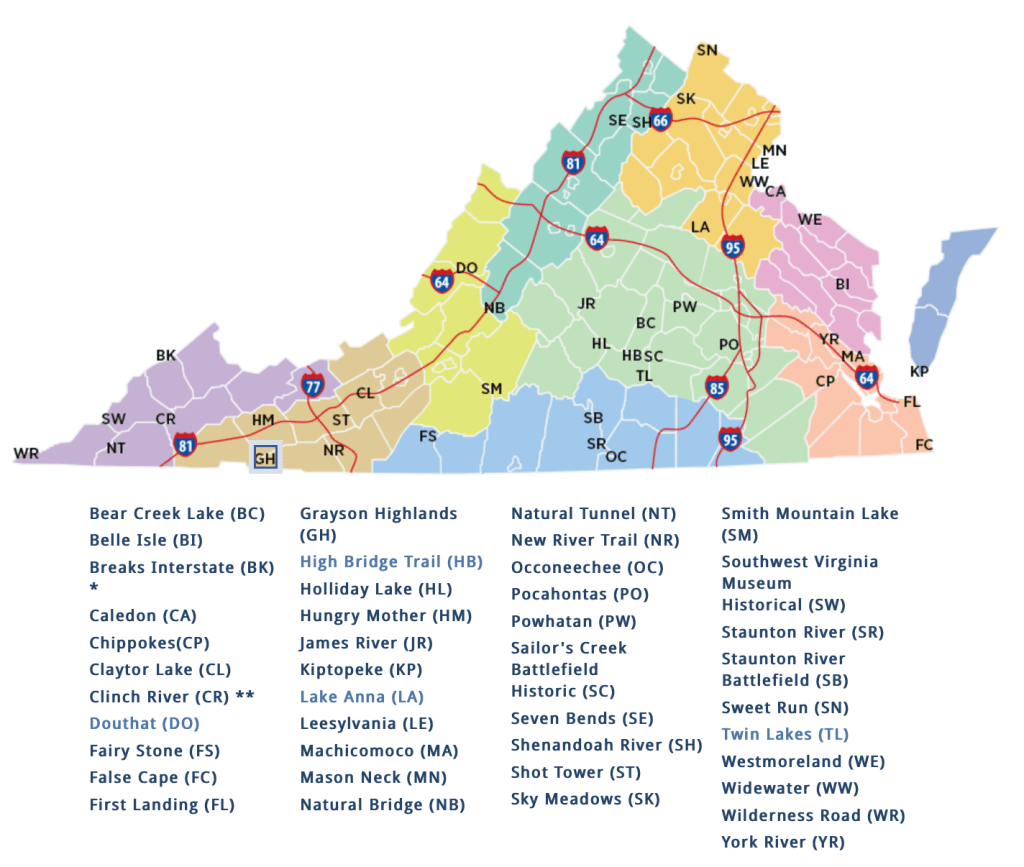
There are 42 state parks in Virginia. We’ve been to 9 of them. We’re getting there! All photos were taken on a Sony a6700.




















 WAY NORTH