
Welcoming in another year in the River city! Wishing everyone the best wishes in 2026.
Photos taken with Sony a6700 and tamron 28-75mm

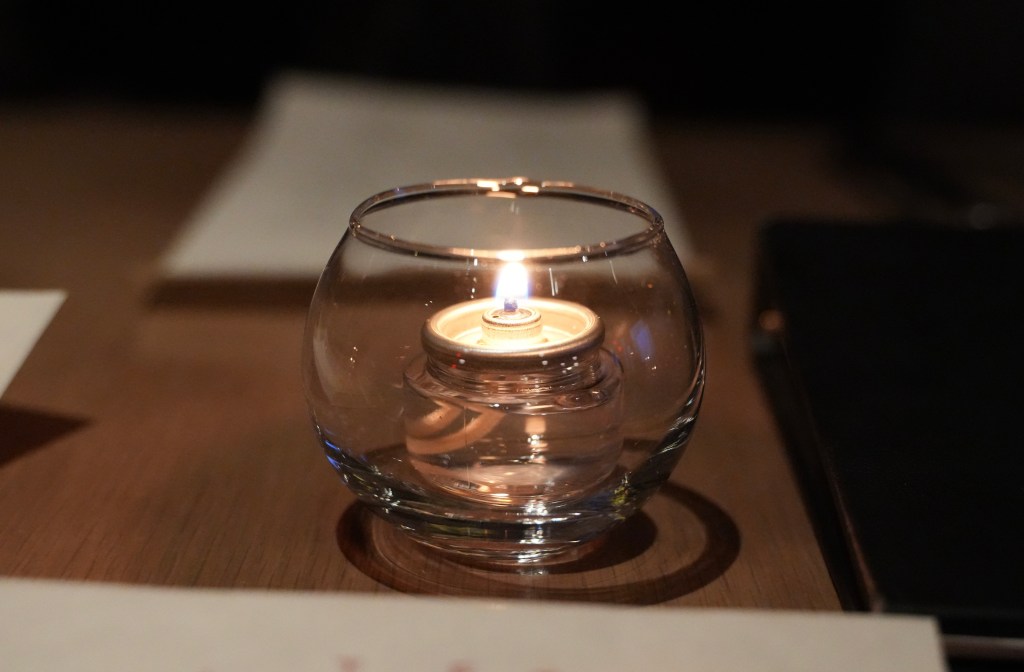




Welcoming in another year in the River city! Wishing everyone the best wishes in 2026.
Photos taken with Sony a6700 and tamron 28-75mm
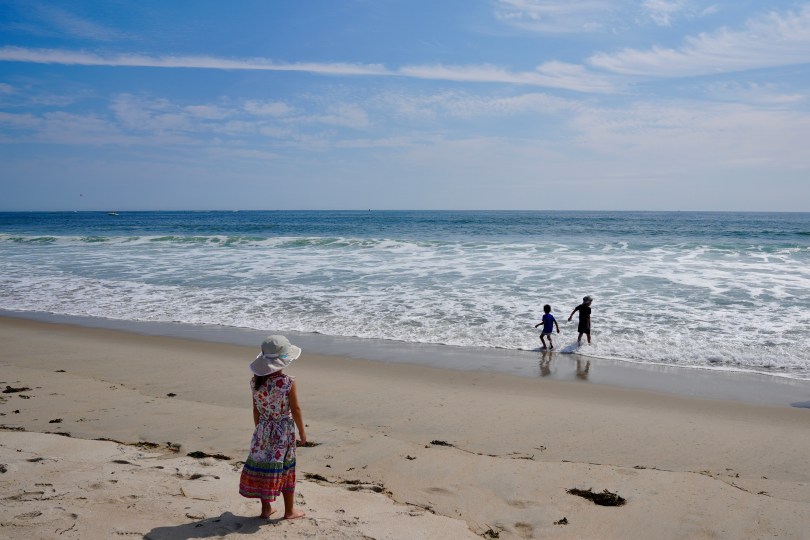


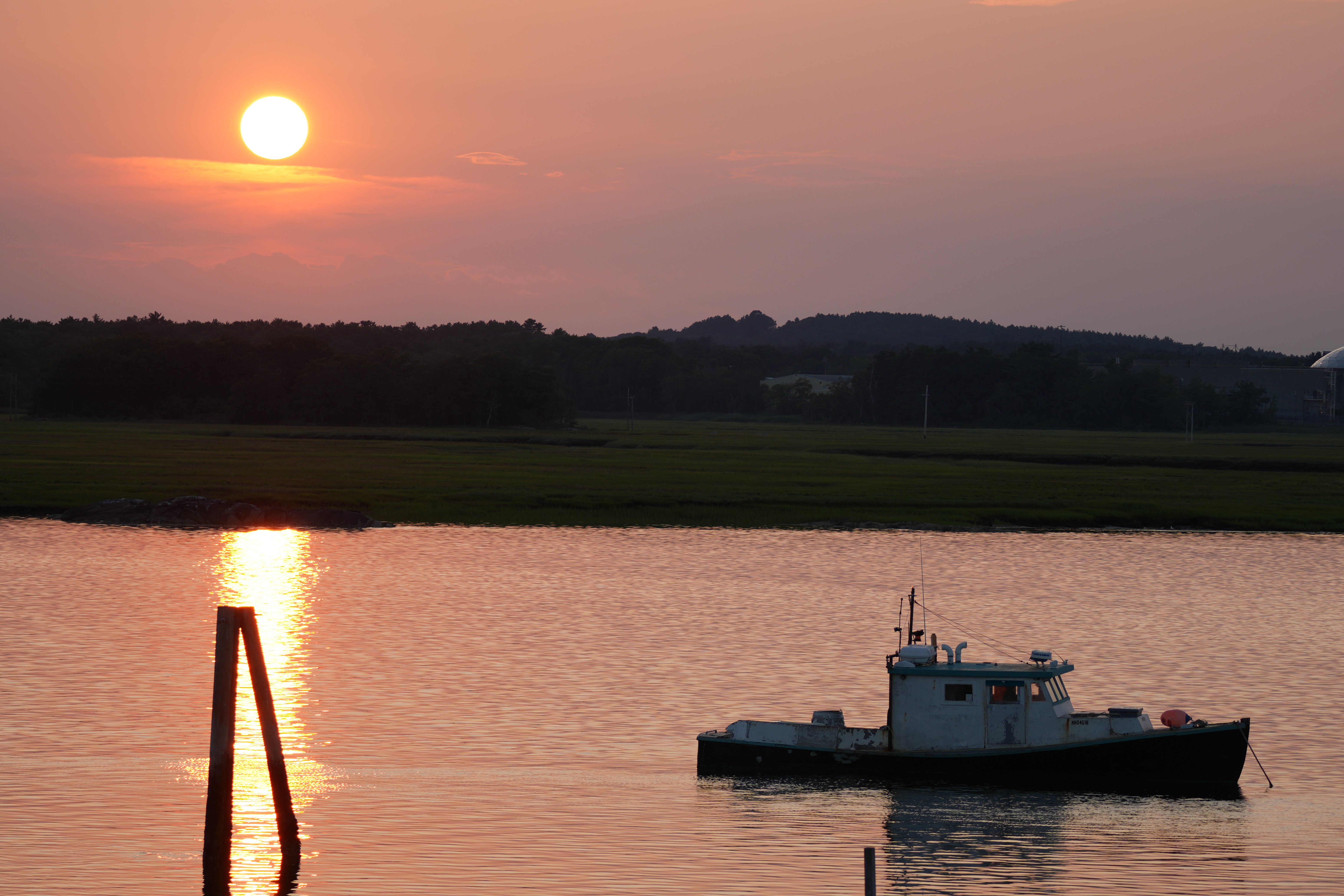
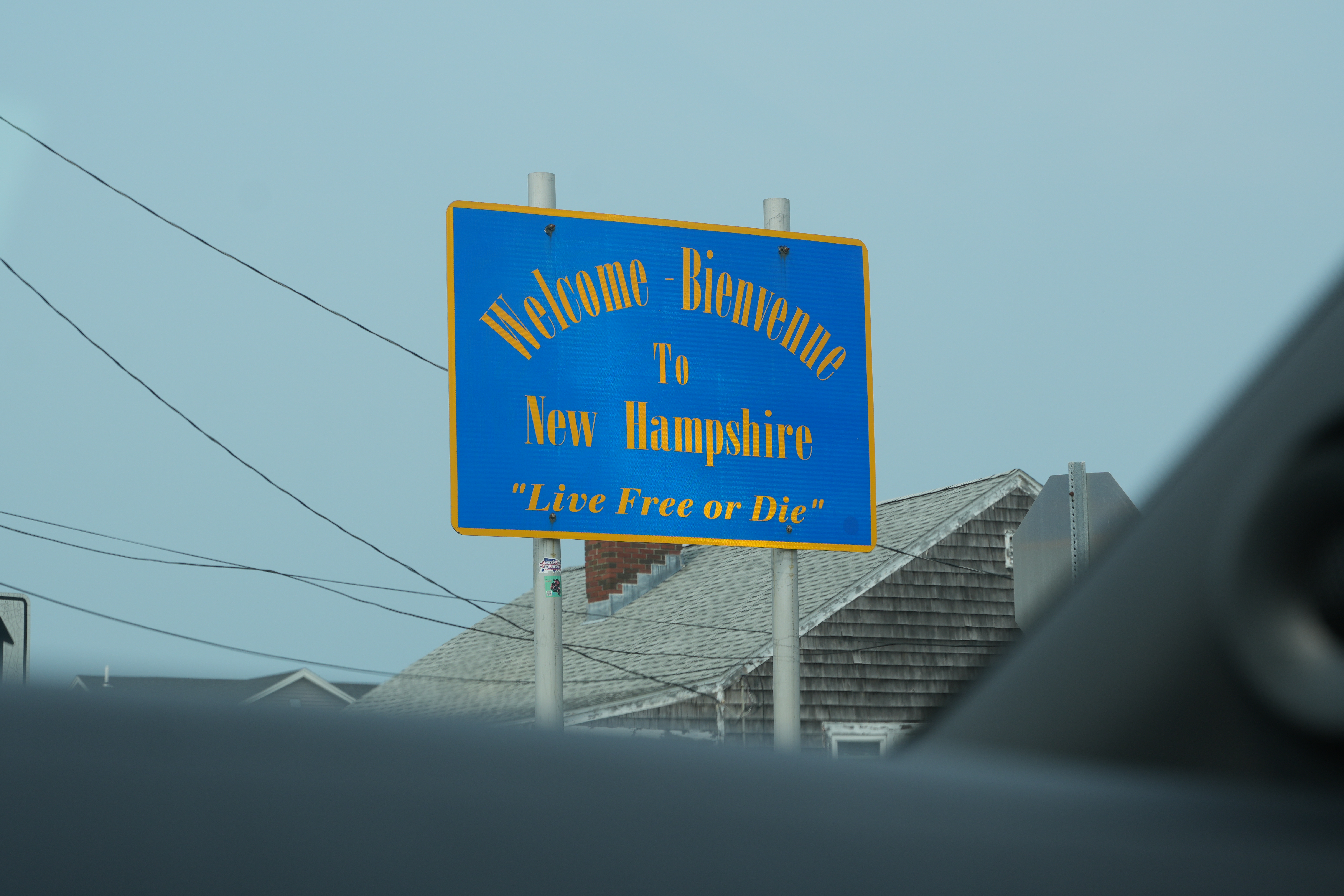
Our annual family beach trip typically has us driving to the Outerbanks of North Carolina, however we took a detour from our usual plans. Instead, we went to visit my sister up north and hit the New England beach scene. We were going to Seabrook Beach in southern, New Hampshire. Situated between two very busy beaches (Hampton beach to the north and Salisbury beach to the South), Seabrook Beach spans only a few miles of a sandy, peaceful and residential beach. The drive up there would be around 10.5 hours. Even with our mini-van packed up with surfboard and all, it was a comfortable and easy drive. Leaving early in the morning helps to beat the D.C. traffic out of Richmond.

A road trip through New England would not be complete with stopping in the pizza capital of the U.S. We stopped in New Haven, to enjoy some classic New Haven “apizza”. With the thin crust and minimal amounts of cheese, the kids were big fans. We went to “Modern Apizza”, one of the “Big Three” apizza establishments in New Haven. (Frank Pepe Pizzeria, Modern Apizza and Sally’s Apizza”).

The kids were road warriors. We spent 5 days there soaking in Vitamin D, relaxing, breathing in the salty air, and swimming in the clear, chilly waters. During this time of year (early August), Seabrook waters have reach their peak temperatures which is still a chilly 68 degrees. We went for the full New England coastal experience, diving into local lobster roll excursions and visiting the town of Portsmouth, where the kids enjoyed the boat town vibes, food, sea shell shops, art and of course ice cream.


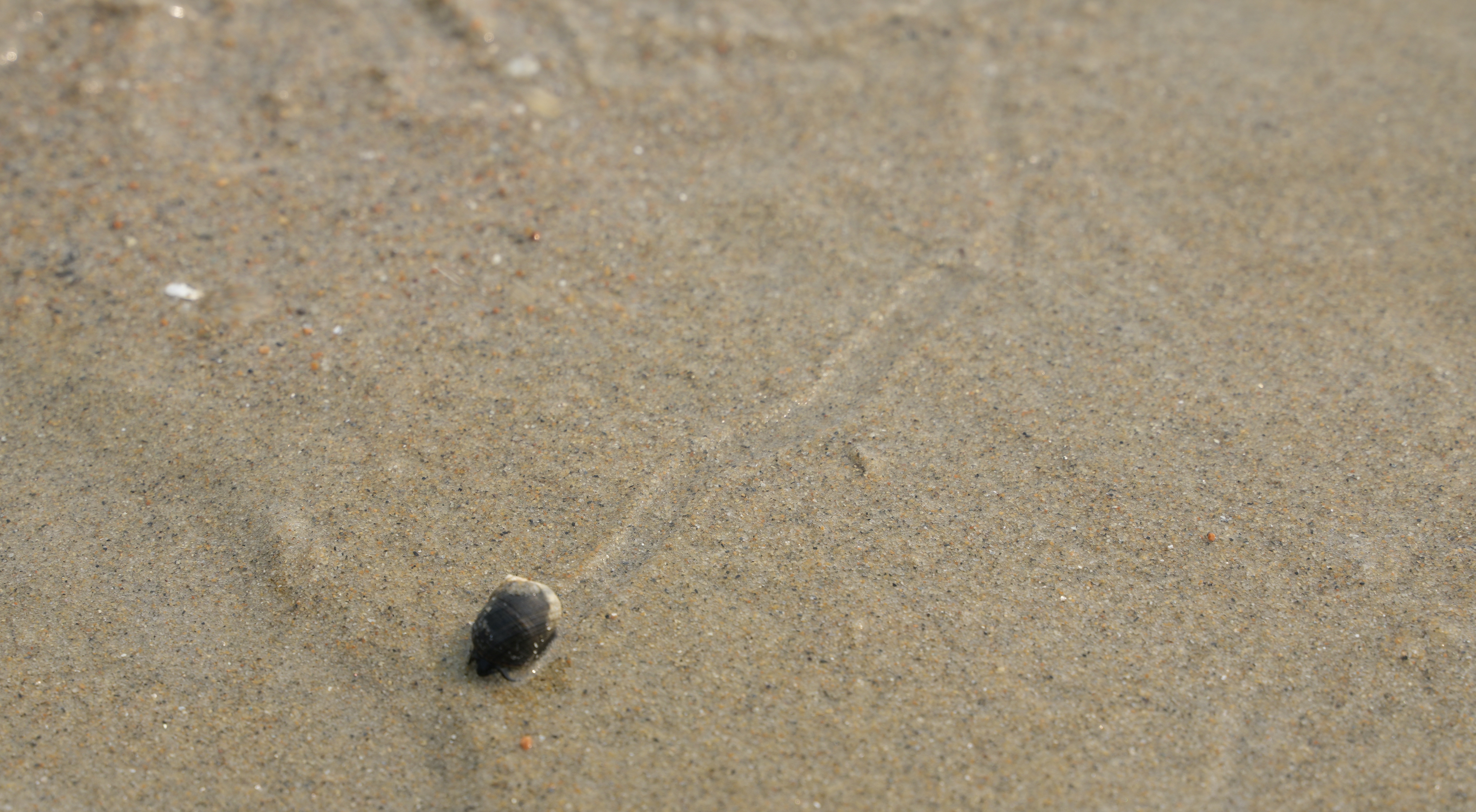


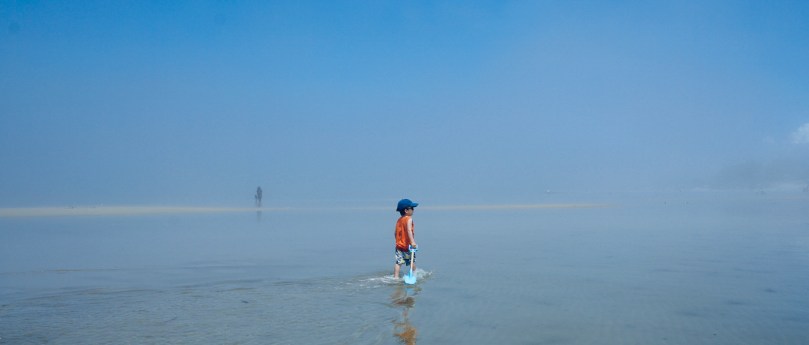
I really loved the vibes at Seabrook, what you see is what it is. It is a residential area with a view cafes, markets and restaurants, that’s pretty much it. I remember asking a local if there was anything here to see. “The beach is pretty much it!”. Perfect for us, as we just wanted to relax and catch a few waves. The water was very glassy on our last day, and the waves rolled beautifully. The Seabrook beach scene was really what we needed. As much as we love the Outerbanks of North Carolina, it was getting a little hectic there for us, and in some areas, way too overdeveloped.
As with all time near the water, it passed by too quickly. It felt like one beautiful wave of memories. The kids noted it as one of their favorite vacations, so mission accomplished. We hope to come back one day.
I hope everyone had a safe and happy summer.

When school lets out, summer has officially begun! For many families, this means more trips to the beach! The ocean is a magical and fun place for all ages and attracts thousands of visitors each year. After countless trips to the beaches of the east coast, I’ve become more attuned to the safety precautions that everyone should be aware of prior to going to the beach, especially with their children. It is estimated that over 4000 people drown each year in the United States. It is estimated that 100 people drown each year due to rip currents along the beaches of the United States. Here are some of the things I’ve learned over the years and I hope they are helpful to anyone beach tripping on the east coast.


CONDITIONS AND TIME OF YEAR
Simply being aware of the time of year and the weather conditions can greatly improve safety. Hurricane season on the east coast runs from June 1 – November 30. During this time, it is important to pay attention to weather updates, as systems and storms can bring significant swells to your beach. if you are considering a water outing and wish to avoid waves altogether, you could always find beaches or water ways that do not face the ocean. (Ex. bays, rivers). In these areas, you could have almost wave-less conditions. Perfect for children to play and explore.


BEACH FLAGS
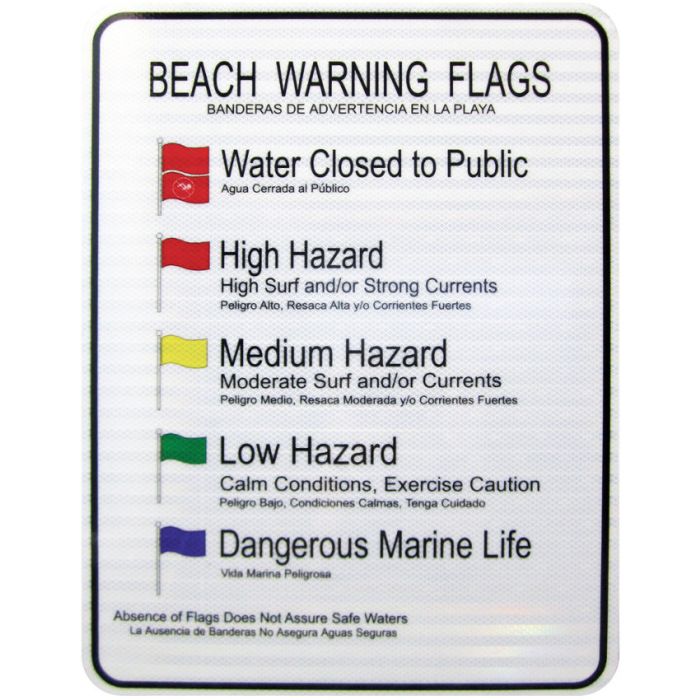
**If you venture to the beach, you should KNOW the beach flags and what they mean.**
RIP CURRENTS
“Rip currents are powerful, narrow channels of fast-moving water that are prevalent along the East, Gulf, and West coasts of the U.S., as well as along the shores of the Great Lakes.” – National Ocean Service
Unless you know what you are looking for, rip currents are almost invisible.
It is estimated that approximately 100 people are killed each year in the United States by rip currents. So if you’re heading to the beach, just take the next few minutes to learn about them, to protect yourself and your family. The video below provides a great summary of rip currents are.
BEACH SAFETY TIPS
1. Communication and Supervision: For little toddlers and kids that have not yet learn to swim, it is critical that they are supervised closely by an adult. When multiple adults are present, it is easy to assume that the kids are being watched by someone. Practice closed loop communication and assign an adult to a child. You can switch on and off as needed.
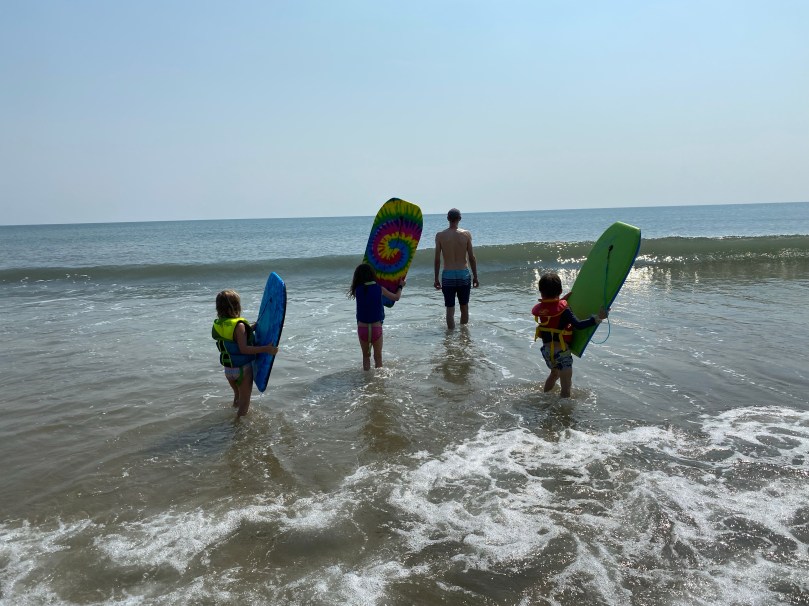
2. Life Jackets/Personal Floatation Devices (PFDs): We don’t go near the water without them. Make sure that the life jacket is the appropriate size for the child. Also, you should also see if the life jacket works properly. Ideally, the jacket should keep the child afloat with their face upward, out of the water. Some jackets, are not balanced well, and could dangerously leave the child facing downward. Test it out prior to use.

3. Bring the water to them:
For my toddlers that are not yet ocean worthy, I’ll bring the water to them. Using a simple tarp, you can dig a shallow pool in the sand and fill it with ocean water.
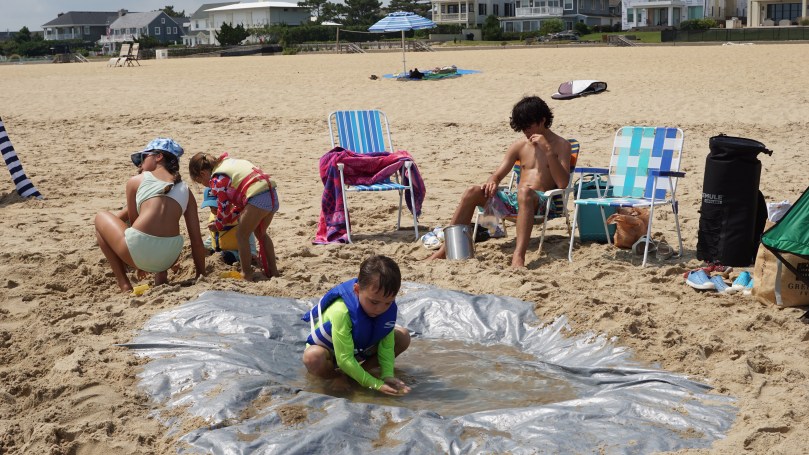
4. Staying comfortable and hydrated
When the body is comfortable, hydrated and fed, the brain is perfused, and this allows you to think clearly and stay alert. Hydration is important, especially when you are active, sweating and losing a lot of water from the heat. It can be particularly difficult to keep kids hydrated, especially when they are having so much fun. I find that low sugar, flavored drinks can keep them drinking without the need for encouragement. Popsicles are also a good way to keep them hydrated.
A shady base camp on a hot summer day is invaluable. Not only will it keep occupants cooled, but it will also provide shade for your food, drinks and equipment. Over the years we’ve tried all different forms of shelters. From beach umbrellas to cabanas, but so far my favorite has to be the Neso tents for shade. They provide an ample area and are pretty sturdy. Another popular brand is the Shibumi beach shades which have taken all beaches by storm. The Neso can run around $150 and the Shibumis are around $250. Totally worth it, if you’re a frequent beach goer.

SUMMARY
The beach is one of my favorite places in the world. It is a great way to connect with nature, unwind and engage in countless, fun activities. I hope this helps you to plan your next beach trip, so it can be a safe and enjoyable time for everyone.
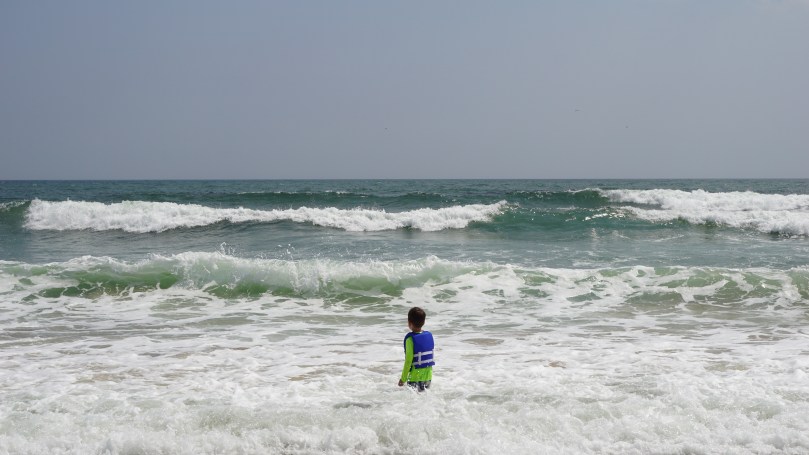
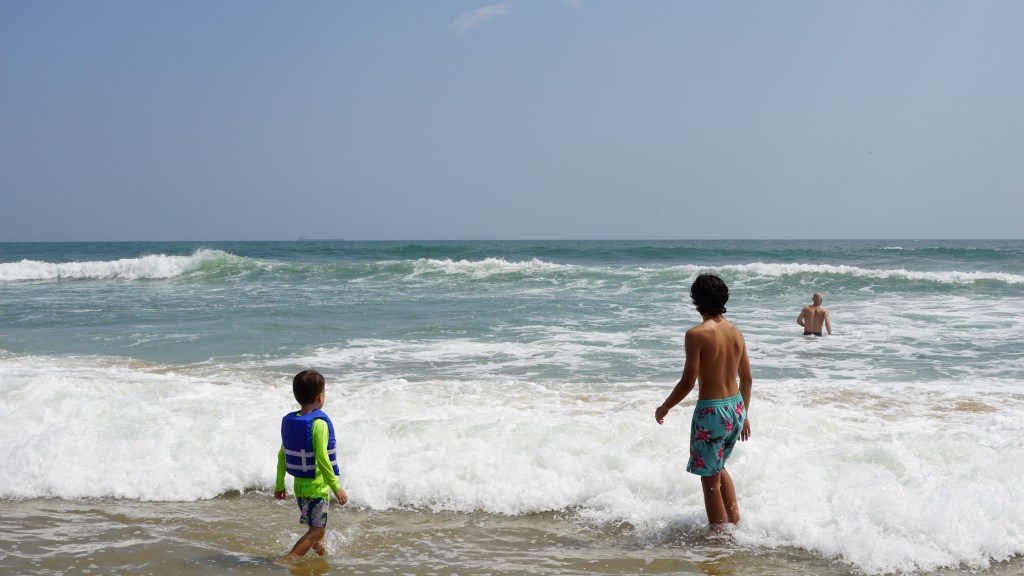


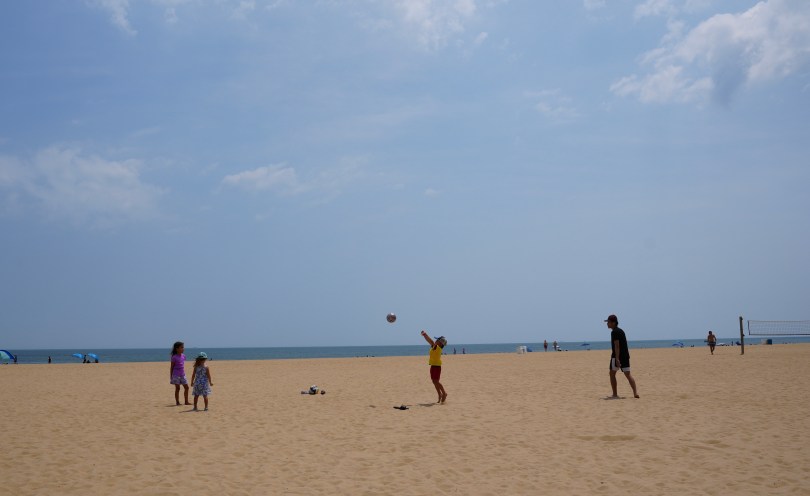
As summer comes to a close, we head out to the North End of Virginia Beach to spend an easy weekend. This is my preferred beach spot away from the busier boardwalk section of Virginia Beach. There’s not much else up north, other than residential housing and then First Landing State Park at the very northern tip. The weather was very pleasant and we made a lot of good memories. It’s been a hot summer but a grand one nonetheless. I hope everyone is soaking up the vitamin D for as long as we can. It also sounds like the rates of covid are also back up, so stay healthy, be safe and have fun.

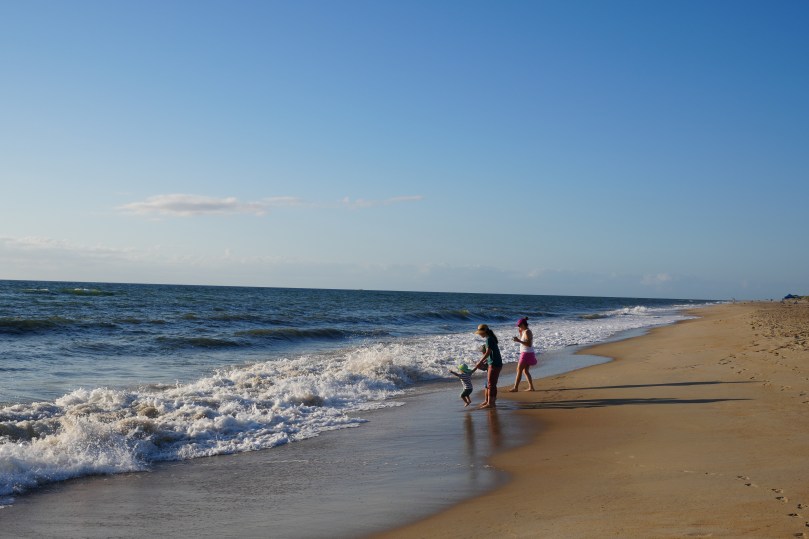
On the last week of Spring we head to our annual refuge on the barrier islands of North Carolina known as the Outerbanks. This time, we stayed in the town of Nagshead, and got to enjoy a week of perfect weather, upper 70s F with sunshine. I always wondered what was so particularly rejuvenating about going to the beach and the ocean. Is it the sight of water? Is it the cadence of the waves crashing? The tactile and sensory stimulation from walking on the sand and into the cold water? It turns out it could be all of those things. A friend of mine recently recommended a book called “Blue Mind” written by marine biologist Wallace J. Nichols. In this book he explores “… the Surprising Science That Shows How Being Near, In, On, or Under Water Can Make You Happier, Healthier, More Connected, and Better at What You Do”. It’s a pretty interesting read. I hope everyone stays cool out there, stay hydrated, get your rest and have fun.


A blast from the summer. I finally got around to editing this short video from a week in the Outerbanks. Filmed with my Sony a6000, iPhone 11 Pro and Sony action camera FDR X 3000.
Stay safe and healthy out there everyone. Here’s to a happy upcoming holiday season.
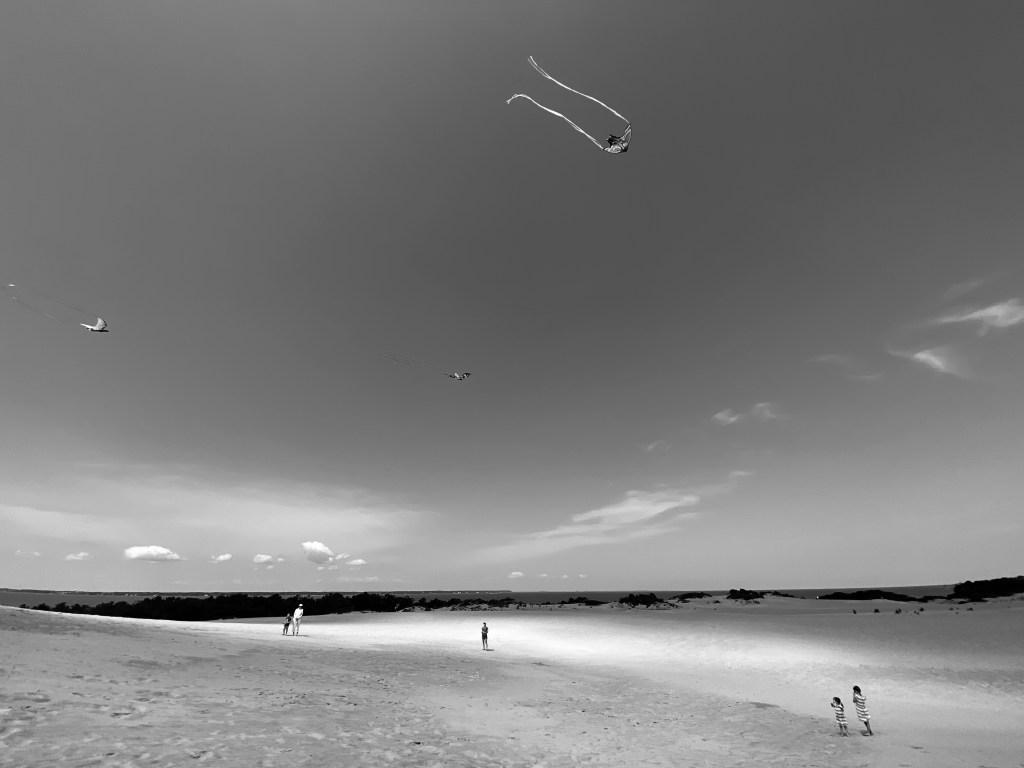
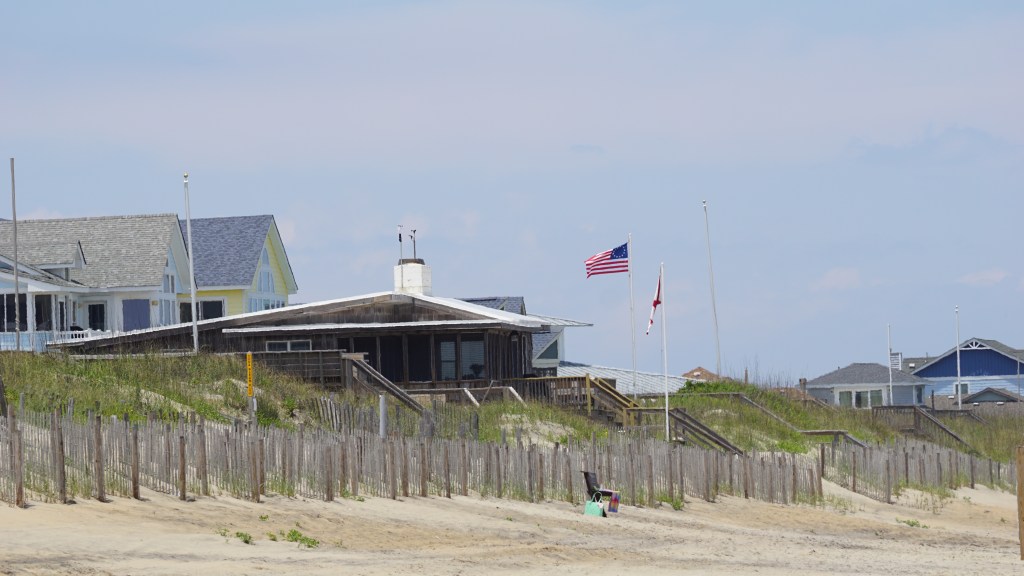
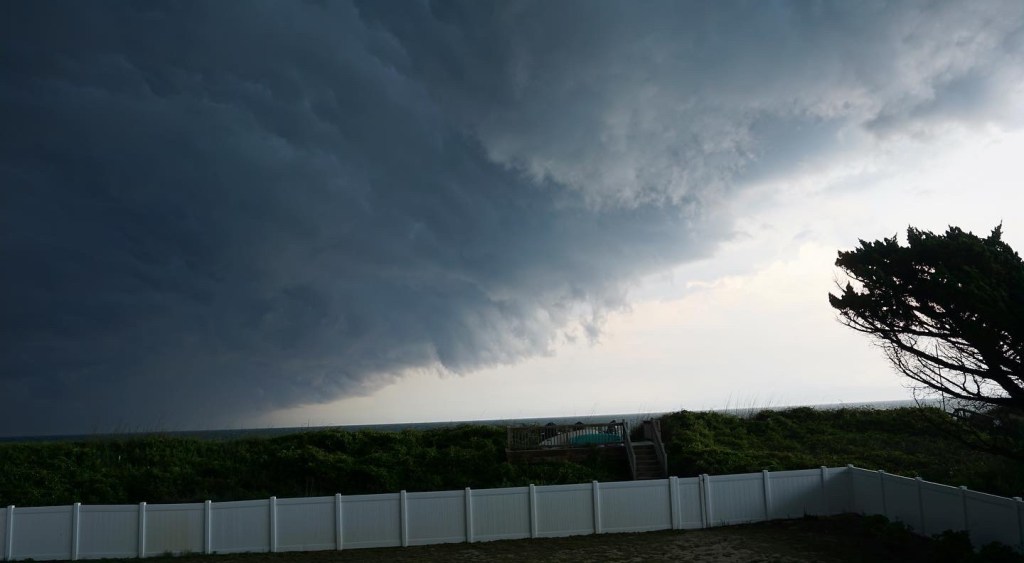
A beautiful week in the outerbanks of North Carolina. We had good weather, good sun, good waves and a killer time. Photos taken with Sony a6000



After almost 2 years of growing, my son and I were excited to harvest our first bag of Chesapeake Bay (Eastern/Virginian) oysters. It has been several months since our last check on the float, we found the whole thing was actually submerged due to the weight of the now much heftier oysters. This was really not an issue, as the oysters were protected in a cage. When we initially placed these guys in their cage, they were called “spat” not much larger than big sunflower seeds. After 2 years of filtering the brackish waters of the bay, several of these guys were actually larger than 4 inches! This was our first growth cycle, and it has certainly been an interesting and fun experience.

While we sat around the grill preparing a feast, we reflected on what we have learned:
7. Be safe when shucking oysters. Wear proper gloves when handling the cages and the oysters as their shells can be razor sharp.
Be safe and have fun.
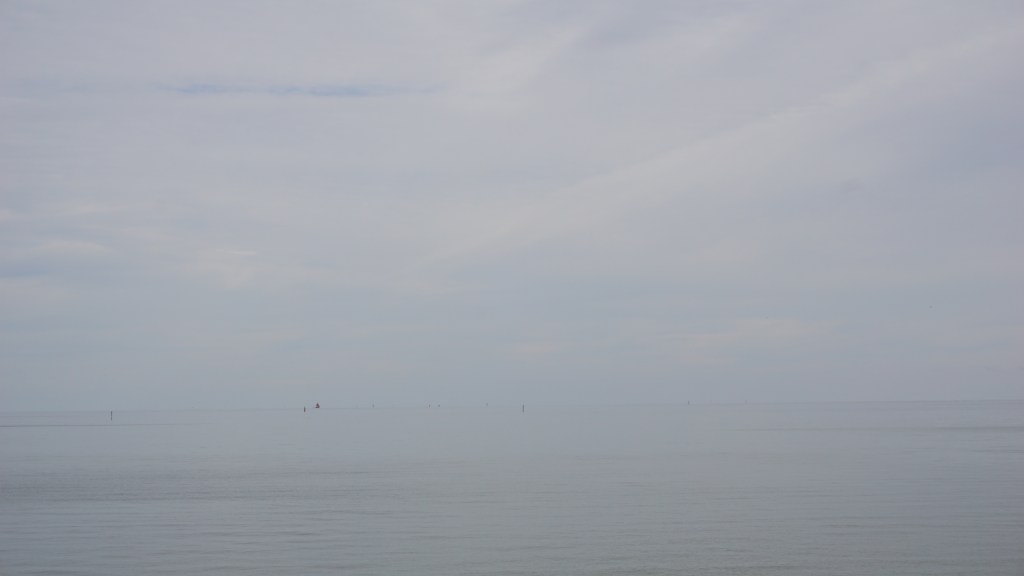
Fishing Bay, Chesapeake Bay. Fall 2021
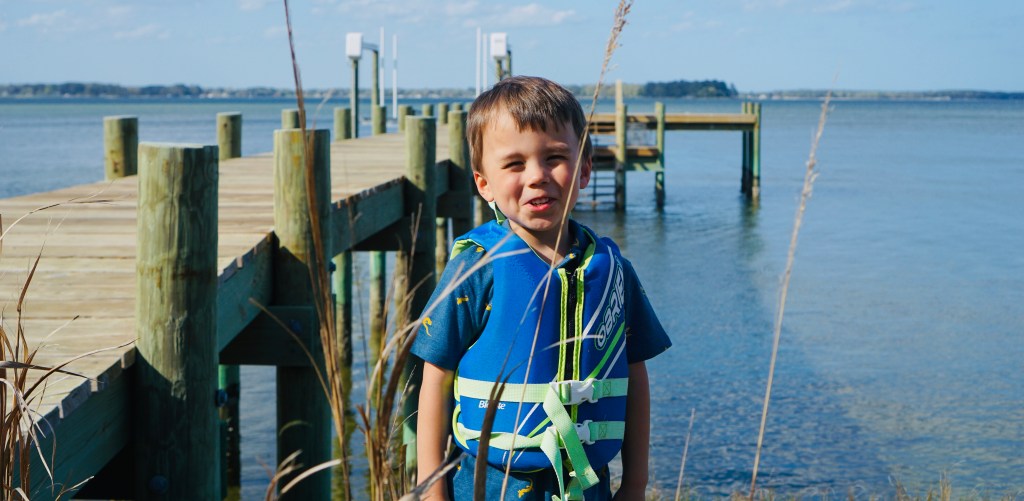


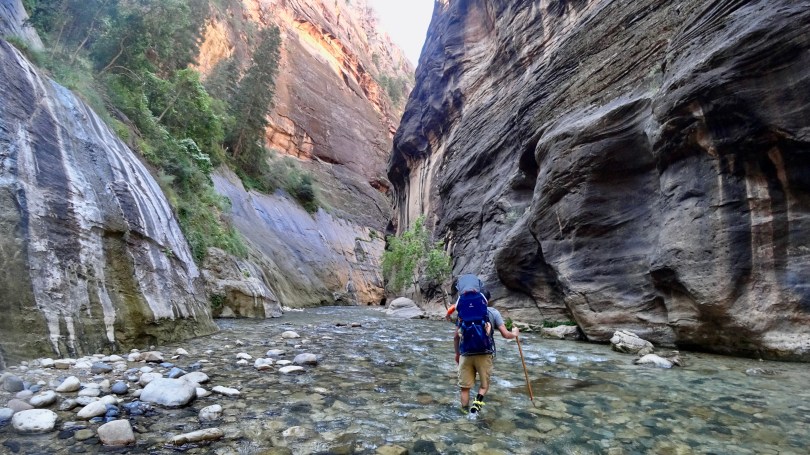
The highlight of our 10 day road trip through the Utah Mighty Five was hiking the narrows with our toddler. This was shot with the Sony FDR X3000 action camera.
 WAY NORTH