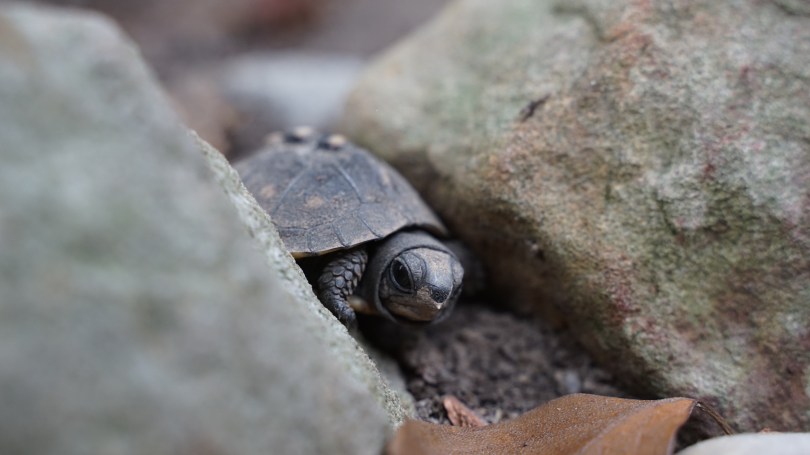
I never would have suspected that the bottom of our dogwood tree would the site of a turtle nest. It is actually a high traffic area for the kids so I’m not sure when a female would have found the time to dig a nest and lay her eggs. Nevertheless, life somehow found a way.
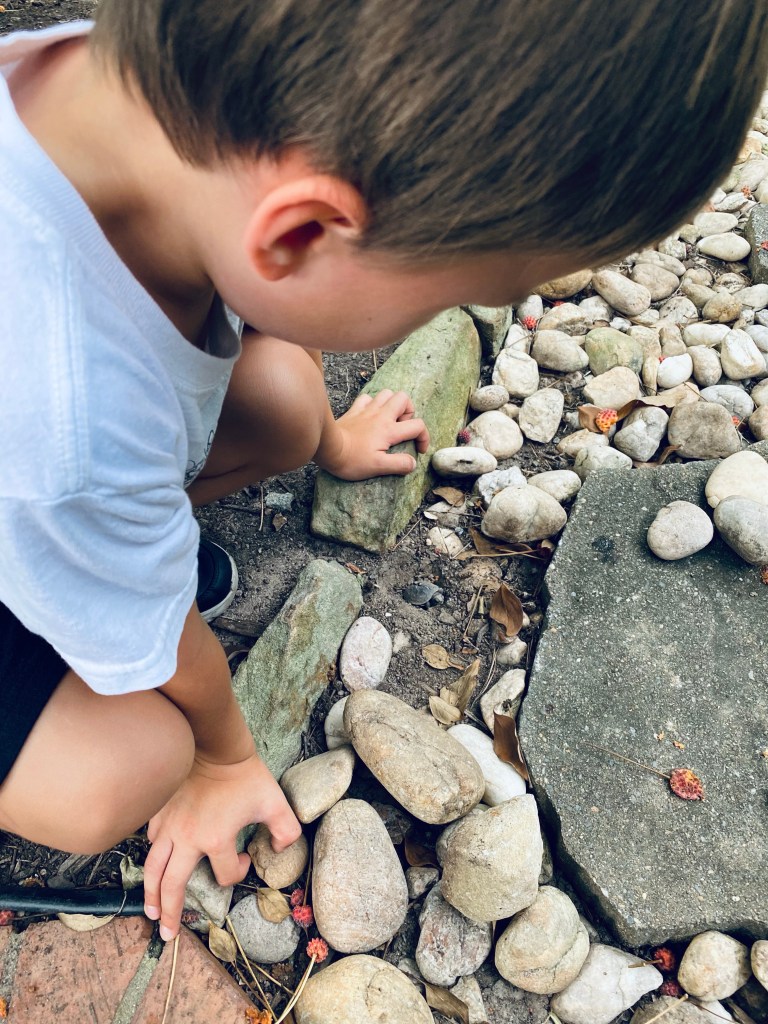
My son was the first to notice a small hatching, crawl out of the soft dirt. Behind it, the earth seemed to start to crack and cave, as others behind it began to stir. There were remnants of leathery egg shells and tracks out of the hole. I was amazed at how mobile these little guys were right out of the gate. My suspicion is that they are Eastern Box Turtles however I will need to investigate closer. The kids got a huge kick out of it, and they were mostly amazed that the eggs were here the whole time. The nest must have been deep enough for the soil to blunt the impact, because this was a heavily trodded area. It was an inspiring thing to see.
This little guy is scurrying off to explore this huge new world.
A short video of our hike through St. Mary’s Wilderness in George Washington National Forest. Filmed on Sony a6000 with 35mm/1.8, iPhone 11, and Sony FDRX3000
As a father of 3 little children, I find that I appreciate the Virginia state parks more and more each year. Before kids, I loved trekking, camping and canoeing in wilderness areas, far from civilization. Although this can still certainly be done with kids, mine are still a little too young. For now, they are absolutely loving the state parks and all of their amenities, such as pools, bathrooms and showers. The trails are always well kept and the parking lots allow for easy transport of the munchkins.
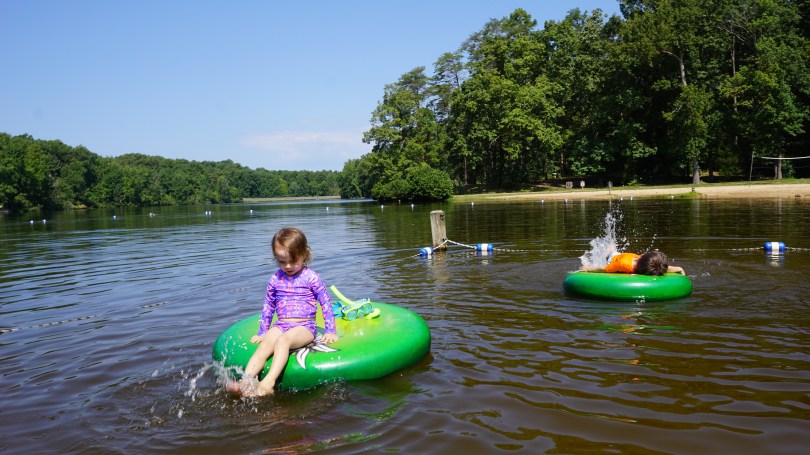
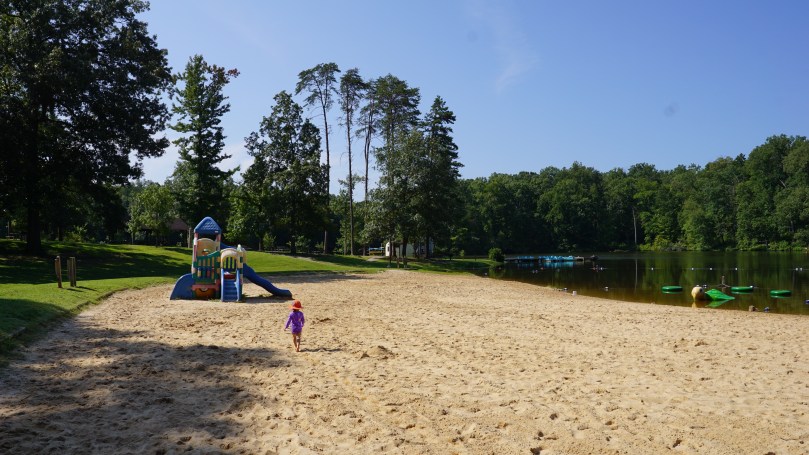
We’ve had a few chilly mornings lately, signifying the near arrival of autumn and the school year. I wanted to get outside with them before they started school. The weather forecast was set for a high of 87F and sunny, it was our chance to explore Bear Creek Lake State Park in Cumberland, Virginia. The drive was easy, less than 1 hour from Richmond and the empty lake on a Wednesday was perfect.
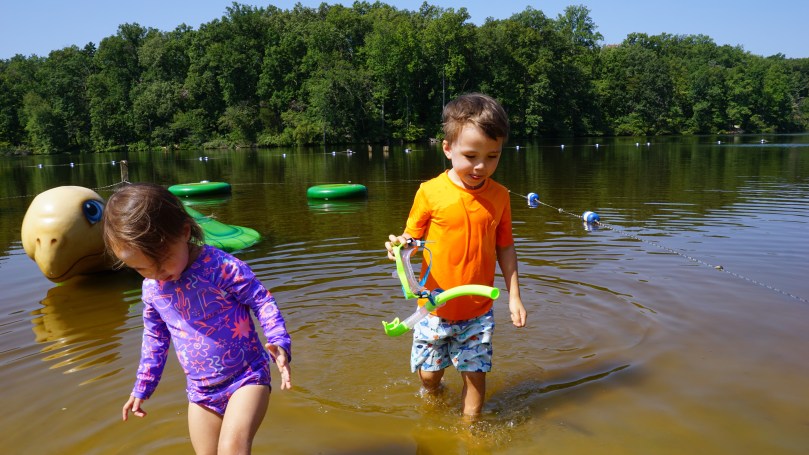
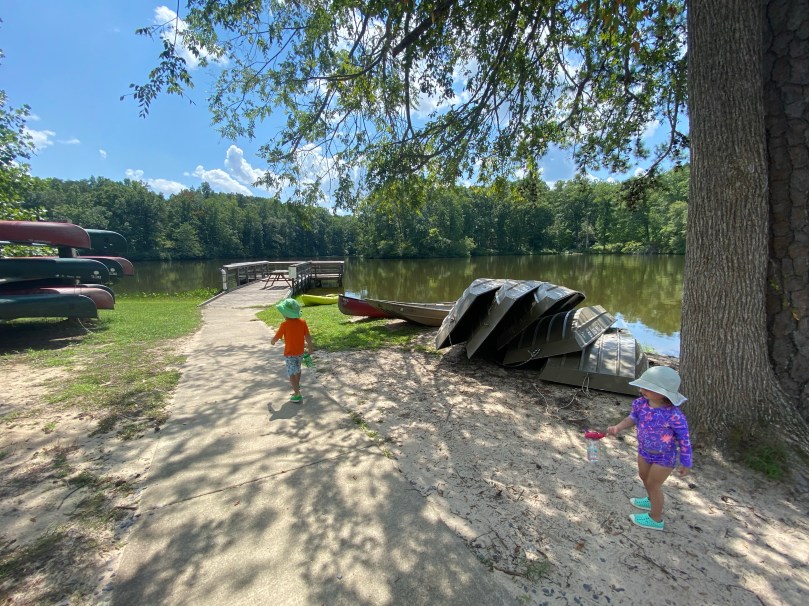
The park is a modest 329 acres, but the beach lake access and boat ramp with playgrounds was perfect. As true Canucks, these guys overheat easily, so we were stoked about the ample shade provided by the towering oaks and tulip poplars. The beach area was well kept with canoes, kayaks and paddle boats for rent. The spent their day swimming and playing in the sand. These little guys played their hearts out as the final days of summer approach. School is around the corner!
St Mary’s Road is very well maintained, with a parking area before the trail head.
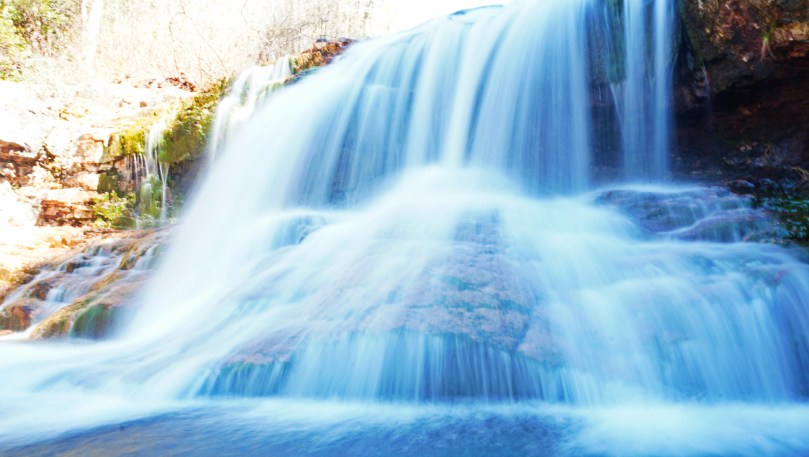
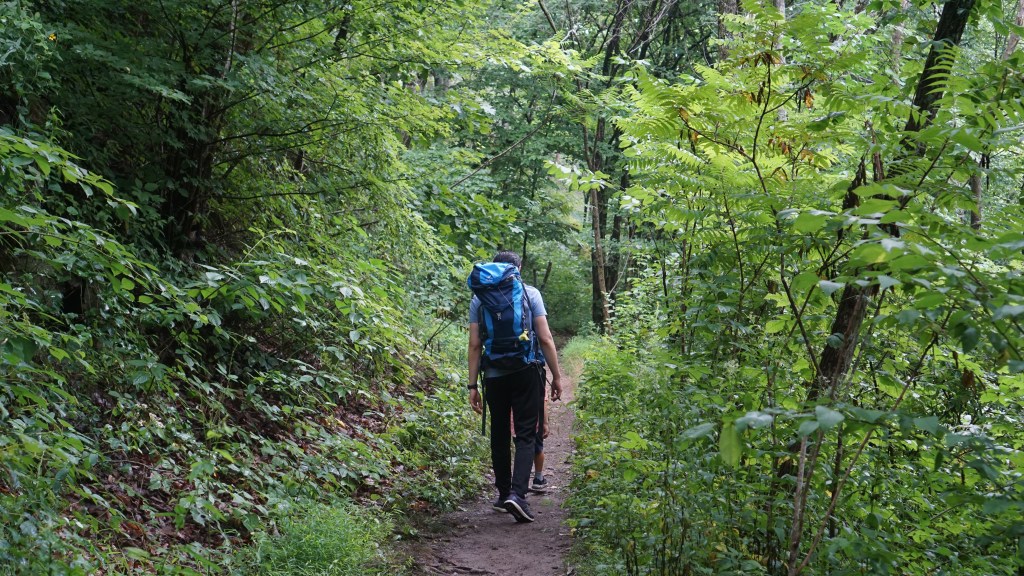
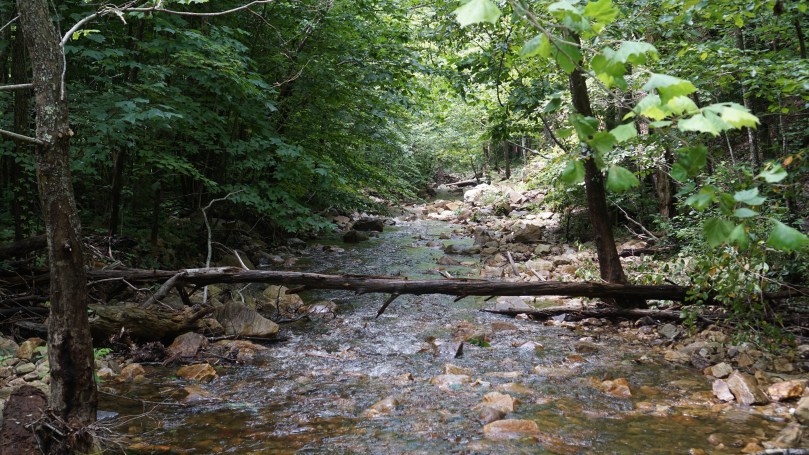
8/6/2022 – It’s been 6 years since I’ve stepped foot in St. Mary’s Wilderness, located in the vast and spectacular George Washington National Forest. I’ve hiked and camped here before in the Spring and Fall however I’ve never hiked through in the heart of summer – for good reason. The trail on this hike is generally poorly maintained because it is a designated wilderness area. Pink ribbons tied to branches outline the trail and most easily visible during spring and winter when the trees are bare. I wanted to take my son and my brother to this area to beat the summer heat and swim in the cold spring waters and to get to the St. Mary’s waterfall – where there are deep pools and cliff jumping.
St. Marys Wilderness Falls – April 2016St. Mary’s Wilderness – October 2016
We arrived on Saturday morning at approximately 10:00am. The parking lot was full but we had no trouble finding parking on the side of the roads. The directions to the trail are very straight forward and the road is well maintained. The summer heat brought numerous visitors, all with towels and bathing suits ready to dip in the ice cold spring waters. The lush green vegetation blanketed everything including parts of the trail.
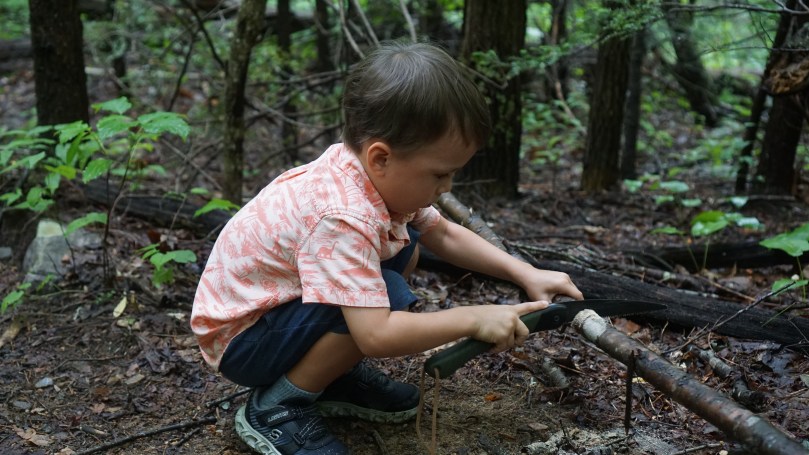
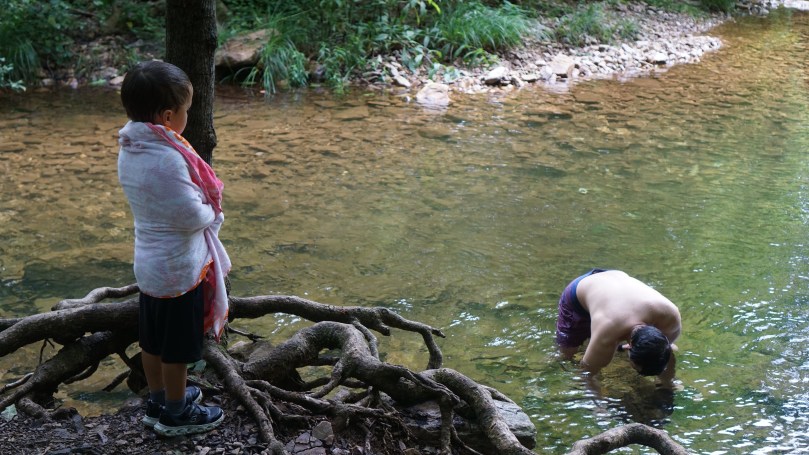
I realized early into the hike that we were not going to make it to the waterfall. There was heavy rain the days prior and everything was wet and it took plenty of time to navigate with my son. So we decided to just take it slow and enjoy the hike. He’s currently into mushroom identification, and he spent a good amount of time combing the forest floor. The butterflies were also in full force, so he marveled at the sight of dozens of them near the stream. He made hiking sticks with his trusty laplander folding saw. I let him pick one of the deeper pools to swim in as promised before the trip. He was thrilled at the idea of swimming in ice cold spring water.
After a much needed swim and some lunch. We slowly made our way back to the car. As we left, my son reassured me that we were coming back to get to the falls next time. He had an awesome time in St. Mary’s Wilderness.
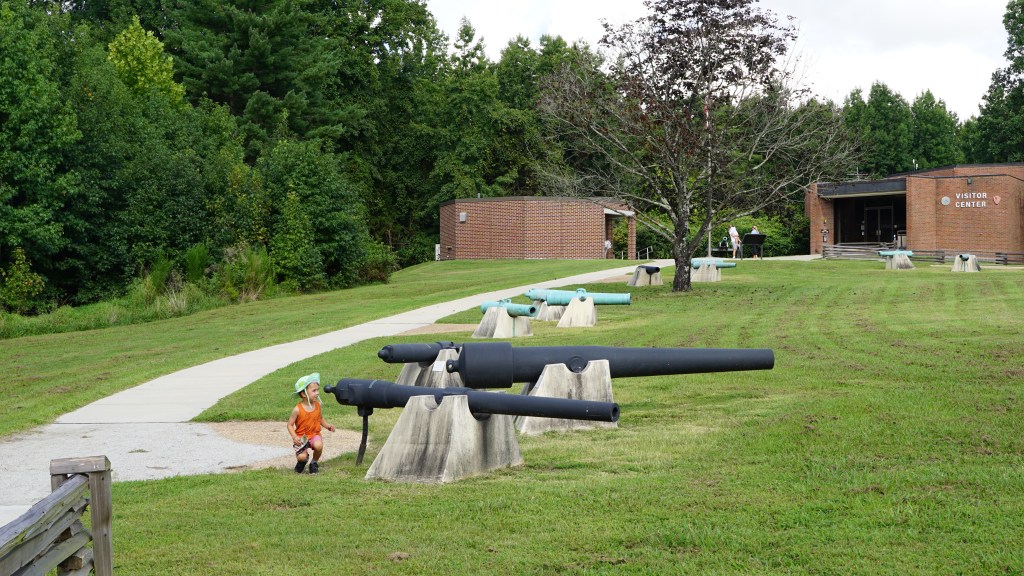
The city of Petersburg is a short 40 minute drive away from the capital of Virginia, Richmond. These two cities played pivotal roles in the American Civil War. It was here, where the final days of the civil war were fought. The “Siege of Petersburg” was a series of battles fought from June 9, 1864 to March 25, 1865 that led to the end of the civil war.
“Nine and a half months, 70,000 casualties, the suffering of civilians, thousands of U. S. Colored Troops fighting for the freedom of their race, and the decline of Gen. Robert E. Lee’s Army of No. Virginia all describe the Siege of Petersburg. It was here Gen. Ulysses S. Grant cut off all of Petersburg’s supply lines ensuring the fall of Richmond on April 3, 1865. Six days later, Lee surrendered.” – National Park Service
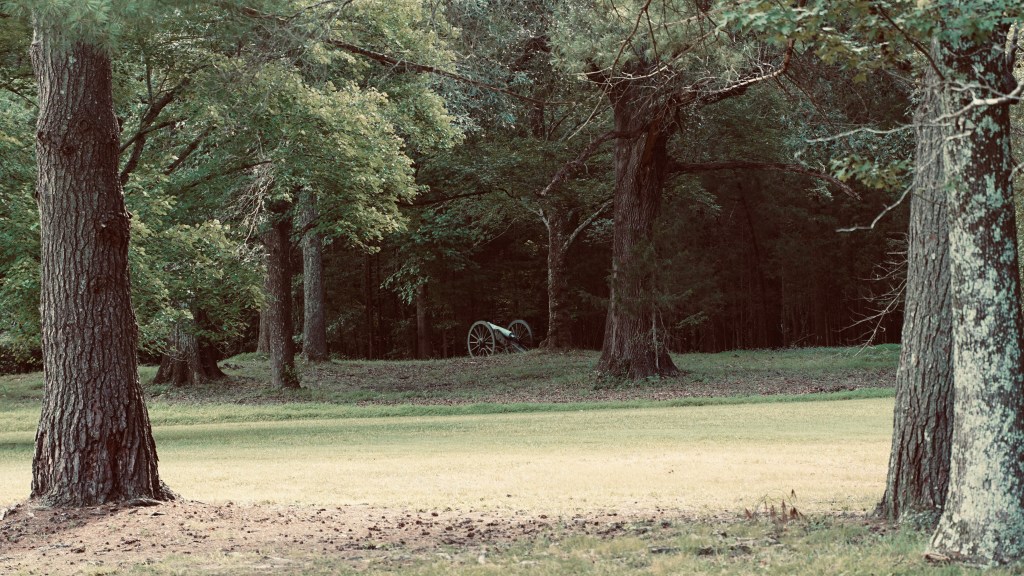
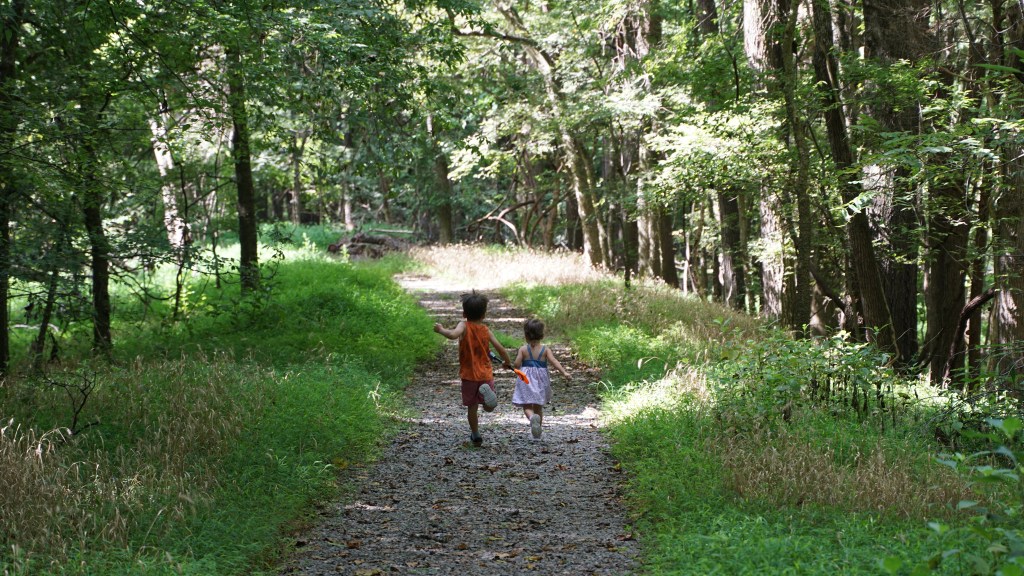
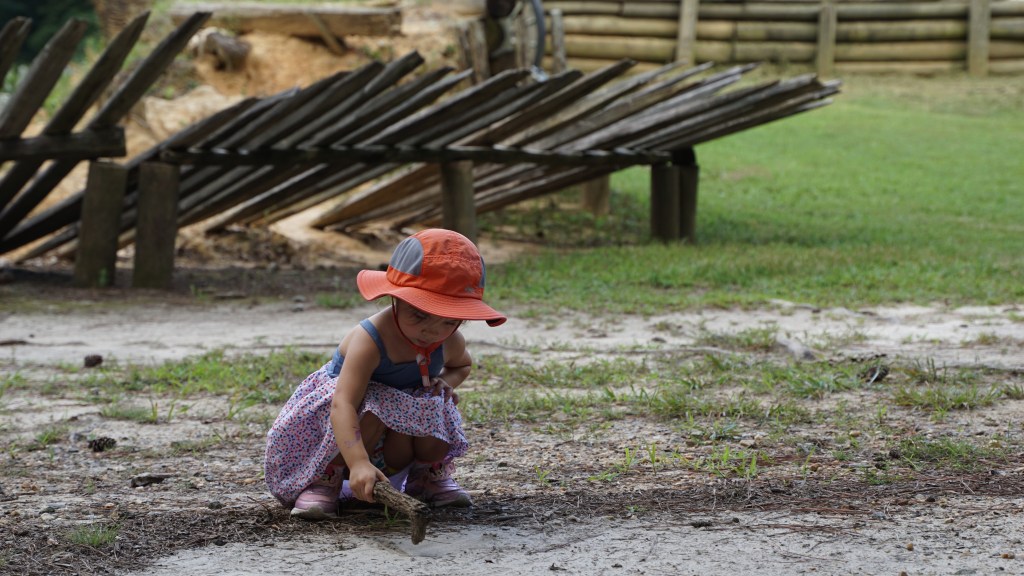
I wanted to take the kids out for some epic learning and exploration. We have never actually spent any time in Petersburg, but the park was certainly impressive. There was loads to see and we explored just a small fraction.
It’s been a while since I’ve edited any videos, so when the inspiration flows you just go with it. This is a video of spring 2022 in Virginia. Lots of cherry blossoms and flowers. It has actually been a really nice spring. Stay safe and healthy everyone.
Some of my favorite shots this Spring season. All shots with the oldie but goodie Sony a6000. Stay safe and healthy everyone.
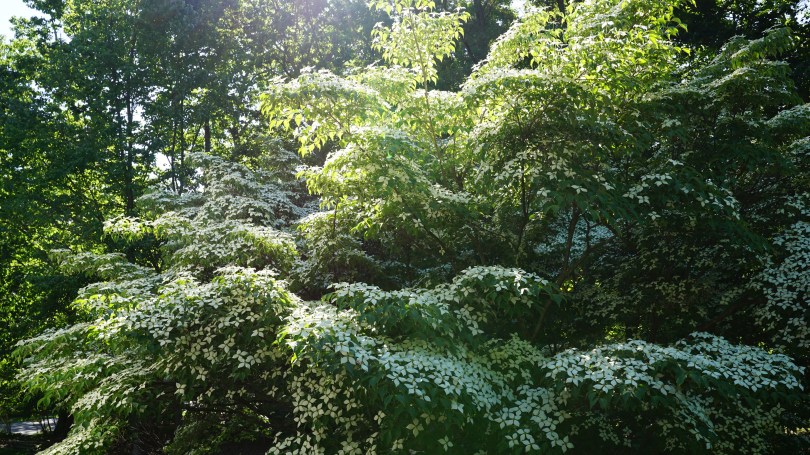
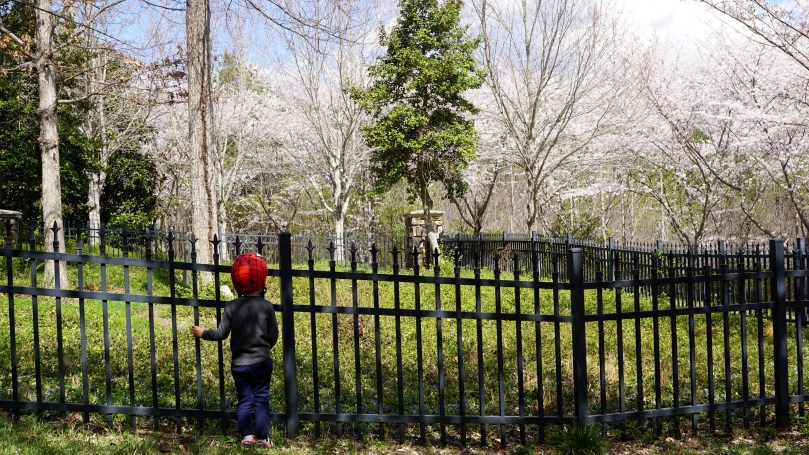
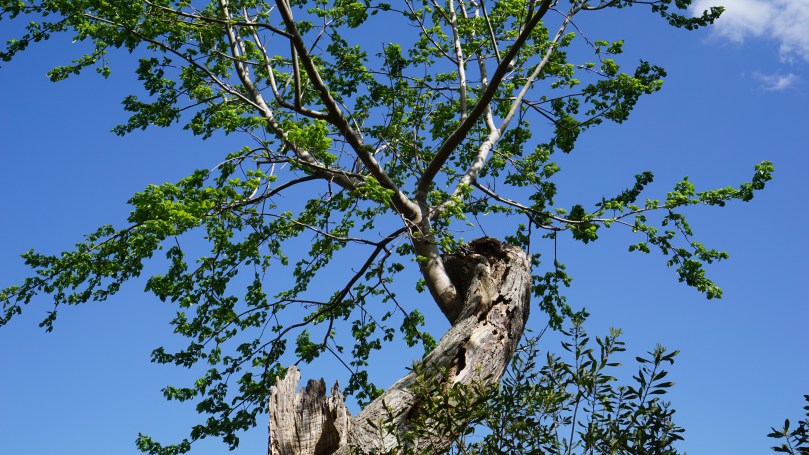
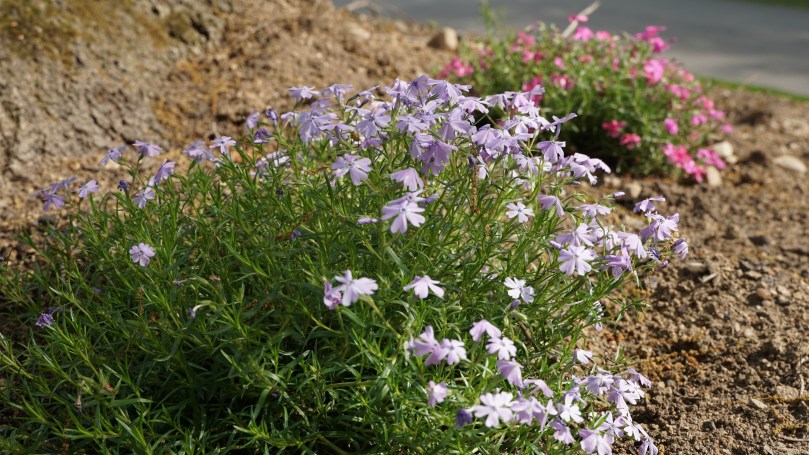
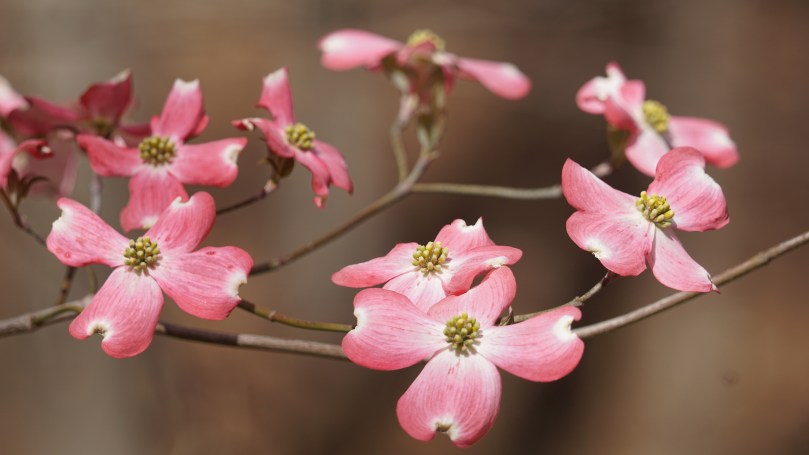
Yoshino Cherry Blossoms in Midlothian Mines ParkWoolridge Family Cemetery in Midlothian Mines ParkLife finds a wayGrowing some phloxDogwoodLovin those buttercups
After almost 2 years of growing, my son and I were excited to harvest our first bag of Chesapeake Bay (Eastern/Virginian) oysters. It has been several months since our last check on the float, we found the whole thing was actually submerged due to the weight of the now much heftier oysters. This was really not an issue, as the oysters were protected in a cage. When we initially placed these guys in their cage, they were called “spat” not much larger than big sunflower seeds. After 2 years of filtering the brackish waters of the bay, several of these guys were actually larger than 4 inches! This was our first growth cycle, and it has certainly been an interesting and fun experience.
April 2022
While we sat around the grill preparing a feast, we reflected on what we have learned:
Raising oysters is very easy. If you have a sturdy oyster float, and access to the water, you can raise oysters. They really don’t require much. They simply need to be upsized into bigger bags and cages and they grow. This is usually done every several months. If you also want to keep them separated and growing beautifully, shake and jostle them around in the bags so that they don’t grow to one another. This will also cut down on barnacle growth. Hosing them down every once in a while, will also keep algae off and keep them in better shape for harvesting and bringing to the table.
The spat is not expensive: $35 can buy you a bag of 1000 oyster spat.
1 oyster can filter 50 gallons of water in one day. This is why they are essential animals in the battle of cleaning up the Chesapeake Bay.
The “R” rule doesn’t necessarily pertain to these types of oysters (triploid, sterile) . Seafood enthusiasts have always followed the “R” rule when it came to eating wild caught (diploid) oysters: “Eat wild caught oysters only during the months with the letter “R” in it.” There are two reasons for this rule.
Food safety: eating raw shellfish, always carries the risk of food borne illness from bacteria such as vibriosis (caused by the bacteria vibrio vulnificus). The risk of contracting this illness is higher during the summer months when the water is warmer. The reality is that this illness can be contracted from eating raw shellfish during ANY time of the year. It is more prevalent during the warmer weather however due to more favorable conditions for the bacteria to proliferate. Properly cooking your oysters can virtually eliminate the risk of catching this infection. The CDC estimates that approximately 80,000 people get vibrio infections each year and 100 people die from it each year in the United States. I always eat my oysters cooked.
Taste: Wild oysters are diploid organisms, meaning they carry a set of chromosomes from each parent. Farm raised oysters for the most part have been selected and altered to be triploid, meaning they actually carry an extra set of chromosomes. These oysters are sterile and do not reproduce. During the warm summer months is when wild oysters are active in the reproduction cycle. During this time, the oysters under go physiologic changes which alters their taste. They are more watery, bitter and just not tasty. Many of the restaurants that serve oysters year round, serve farm raised, triploid oysters. Triploid oysters grow faster because they do not go through the reproductive cycle. All o their energy is put towards getting larger. They grow to bigger sizes and they maintain their taste throughout the year.
Oysters are highly nutritious!
Eastern Oyster (Crassostrea virginica) nutrition facts per 3.5 oz serving. (Approx 3 oysters)
Calories: 79.
Protein: 9 grams.
Carbs: 4 grams.
Fat: 3 grams.
Zinc: 555% of the Daily Value (DV)
Vitamin B12: 538% of the DV.
Copper: 493% of the DV.
Selenium: 56% of the DV.
7. Be safe when shucking oysters. Wear proper gloves when handling the cages and the oysters as their shells can be razor sharp.
In typical Virginia fashion, we have experienced all 4 seasons in the past few days. There were days when I was out in a t-shirt, and then shoveled some snow the next day. Nevertheless, the first signs of spring have finally made their appearance. I’ve noticed some cherry blossoms beginning to bud and the occasional days of full sunshine beating on the face is certainly welcoming after another long pandemic winter. The warmer temperatures in the shop, is also helping to motivate me to get some things done.
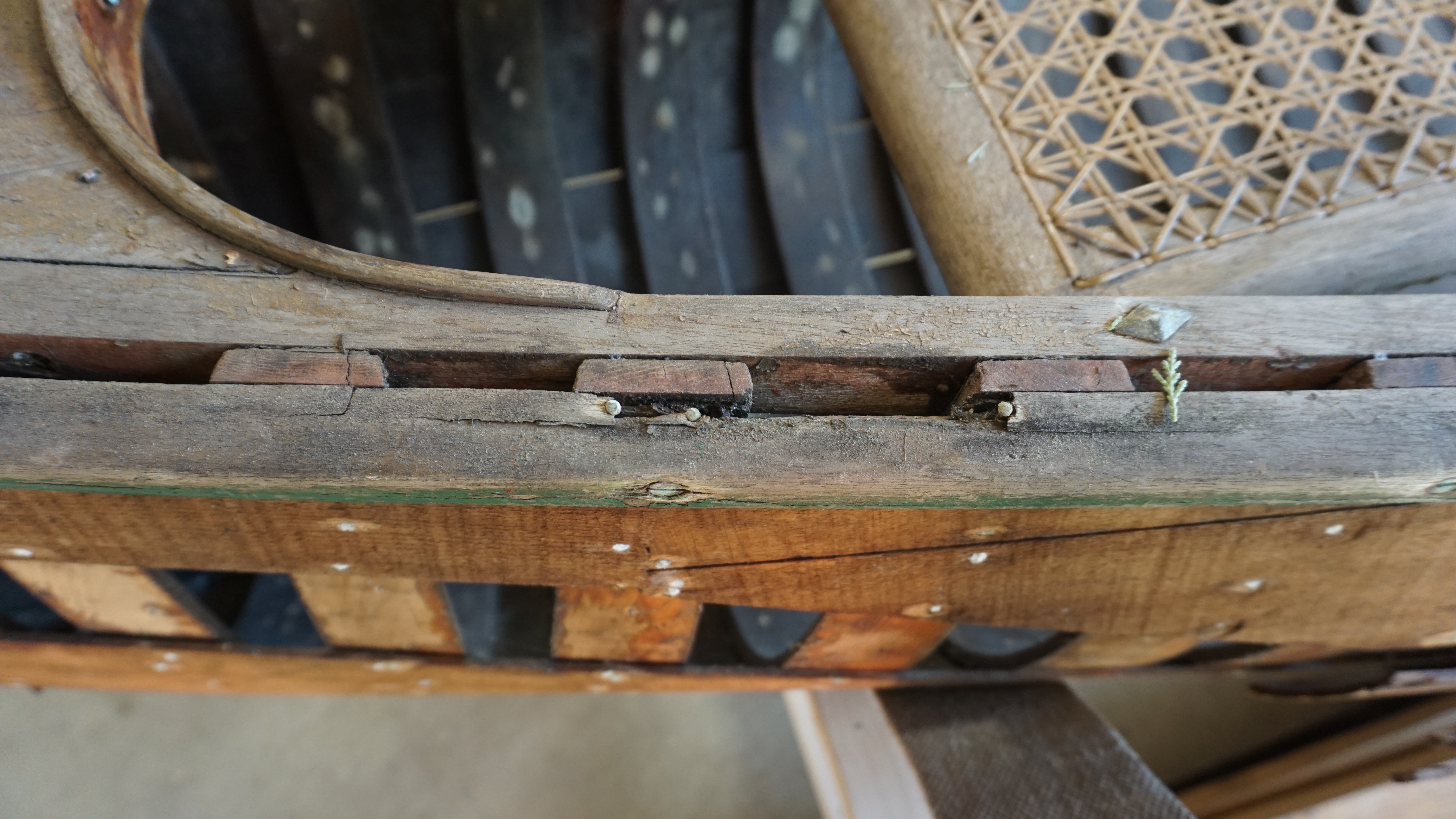
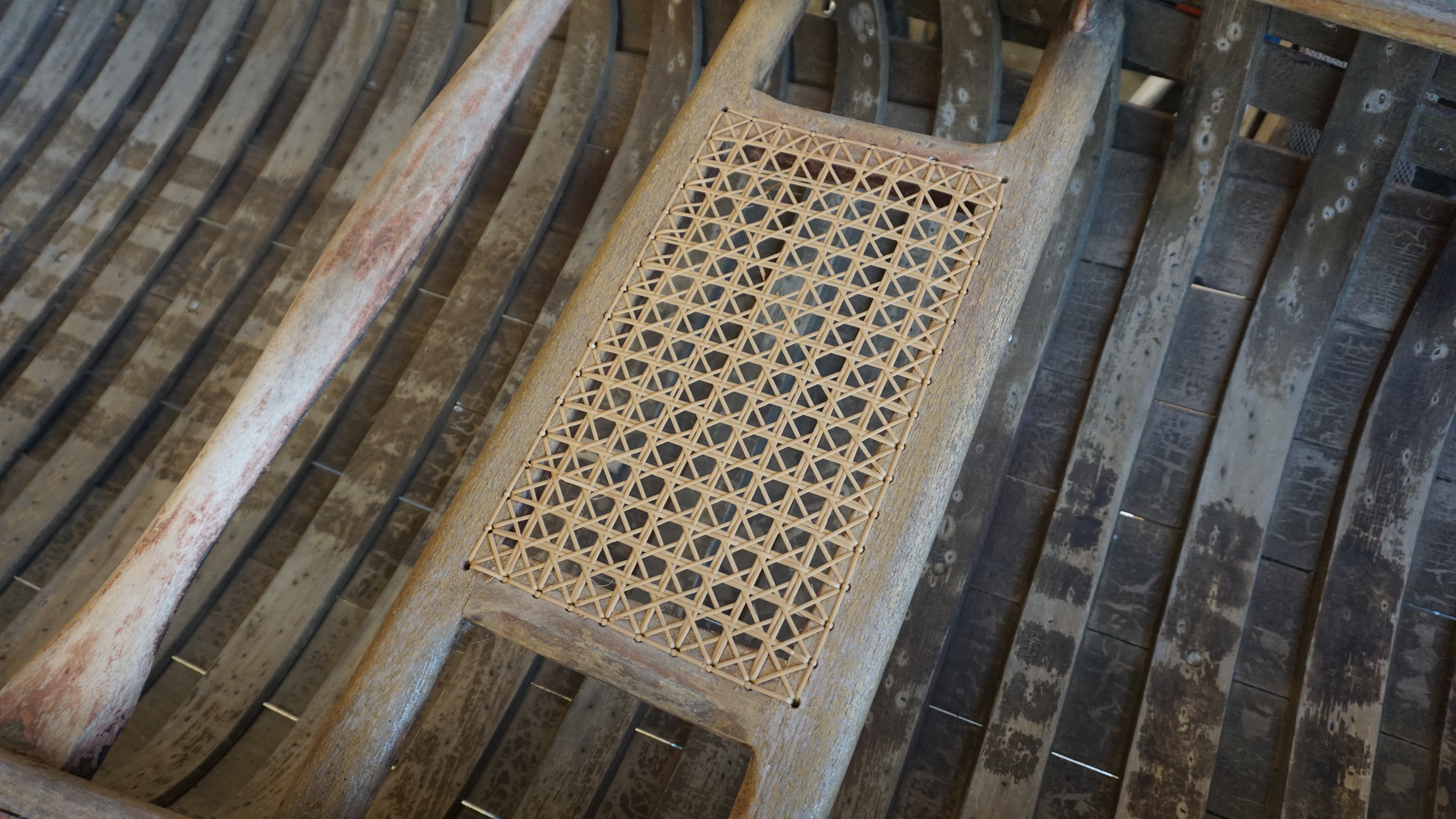
After building our steam box, we really haven’t had a chance to do much. I have mostly been reading, and researching the art of canoe restoration. It definitely seems like a daunting task however, one that we willingly take on. I honestly believe that it might be easier to build a canoe from scratch, this one looks pretty beat up. Most of the ribs are cracked in more than one place, the gunwales are spent and the stems on both ends have suffered some degree of rot. The decks actually appear to be in decent shape and the seats as well. All of the diamond Old Town Canoe bolts will be changed out for new ones, and probably all of the planking will have to be replaced. I’ve actually really enjoyed reading about boats, and different properties of wood and the structure and framework of canoes. It doesn’t matter how slow you go as long as you don’t stop…
Most ribs are cracked.Diamond shaped bolts are Old Town Canoe hallmarksI doubt I’ll find planking this longwell….at least the seats look decent.
As a non-boat builder, my research pointed to the direction of the Wooden Canoe Heritage Association (WCHA) for further guidance. The WCHA is a nonprofit membership organization dedicated to preserving, studying, building, restoring, and using wooden and bark canoes, and to sharing information about canoeing heritage throughout the world. The discussion forums are particularly helpful, where boat builders can share experiences and troubleshoot through problems. It was here, where I was able to learn more about my canoe. It is certainly interesting to see what many builders are willing to restore. Some boats are more reasonable for the firepit, however, as myself, I find others that are restoring these vessels for the pure joy of it.
When it comes to Old Town Canoes, there is a way to find out more about your particular wood canvas model. There is a 4-6 digit serial number printed on the stem of the canoe, towards the stern and can be read from the starboard side. Often times, the serial numbers are faded and worn so I was fortunate that I was able to still make out mine. Through careful inspection with lighting from all possible angles, I was able to make out….#103607.
It’s there if you can make it out: “Serial number: 103607”. (Not pictured is the “17” that indicates a 17 ft long canoe)
Through the Wooden Canoe Heritage Association discussion forums, I was able to get help from a very kind member who was able to look into the specifications of this particular canoe and gain access to old build records. I find it absolutely amazing that this document still exists! After reading the form, I knew this was definitely her. 17 foot long OTCA model, Grade AA (top), with western cedar planking with gunwales and decks of mahoghany. This particular model also has a keel. The Design Color #10 is one of the paint schemes back then, which was mostly green, it is shown in the drawing below.
Old Town Canoe build record: Dates this canoe back to 1929-30! Special thanks to Benson Gray of The Wooden Canoe Heritage Association.
Western red cedar (thuja plicata) has a variety of uses in construction and carpentry. It has many properties that make it ideal for canoe planking. It is light, intrinsically rot resistant, naturally resistant to bugs, flexible, with a high tensile strength. My next task is to track down straight grain red cedar boards. With the new bandsaw, I hope to resaw these boards to get 5/32″ boards. In terms of the gunwales, I will unlikely be able to find 17′ long mahogany pieces, so I’ll likely have to scarf shorter pieces together. I’ll see what my journey through the mills bring me too. This is where the fun begins….stay safe and be healthy everyone.
This video, although certainly not politically correct, shows some of the steps of building a wood canvas canoe in an Old Town Canoe workshop. Amazingly as old as this video was, the canoe I’m working on was made at least 20 years earlier. The credit of this amazing vessel is to the First Nations People and the Native Americans who perfected it.





















 WAY NORTH