Old Town (1929, 17′ OTCA) Wood Canvas Canoe Restoration – Part 2 – Wood Steam-bending Box

I knew from the beginning that the restoration of this Old Town canoe would require us to practice some wood steam-bending. This is a technique in woodworking where boards are exposed to steam in order to soften the wood fibers, allowing the entire board to be molded into new shapes. Once the boards are cooled, the wood will hold its new shape. This is how certain parts of the canoe were constructed, notably the many ribs which help form the frame of the canoe. Steam-bending wood can be used for several numerous other projects.

It was time for us to build a wooden steam-bending box. With this box, we would be able to steam wood for other projects such as the construction of furniture like rocking chairs, wine racks etc.

I purchased the Rockler steam bending kit, which includes plans as well as hardware for the construction of a steambox and then the actual steam generator and tubing. The construction of the box itself is simple. It doesn’t have to be pretty, only functional. This box will also be subjected to extreme temperatures and humidities so it will take a beating. It can be constructed out of either solid wood or plywood (external). If you decide to use plywood, make sure it is for external grade plywood as regular plywood would simply delaminate once you use the steambox.

My brother recently had to tear down sections of a wall in his house so he had a pile of scrap pine that we used. Nothing better than reusing old wood and giving it new purpose. In the restoration of this canoe, the largest rib that we would have to bend measures at nearly 4.5 feet. So the dimensions of our box was roughly 5′ by 5.5″. In general, for this size of steam generator, Rockler did not recommend creating a box longer than 5ft and with sides no longer than 6 inches. For larger steam boxes, you would might consider having a larger reservoir of water.

The construction of this box is very straightforward. Basically, no wood glue is to be used because of the constant stress of expansion and contraction that the box will be under. Outdoor screws will do the job to hold together your box. Screws will also allow you to take apart the box if you should need to replace any sides. At the end of the box, a brass fitting is installed where the tubing will connect to from the steam generator. The front of the box, is a lid with a latch, sealed with weather stripping. Using a forstner bit, I drilled holes along the box with evenly spaced dowels to serve as a resting rack for the piece of wood to be steamed. The wooden board that you steam should ideally be elevated, so that the steam can circulate around the whole board. Remember, water will accumulate on the bottom of the box so a drainage hole should also be placed. This steam box will leak regardless, so either have a water collection bucket or steam outdoors.
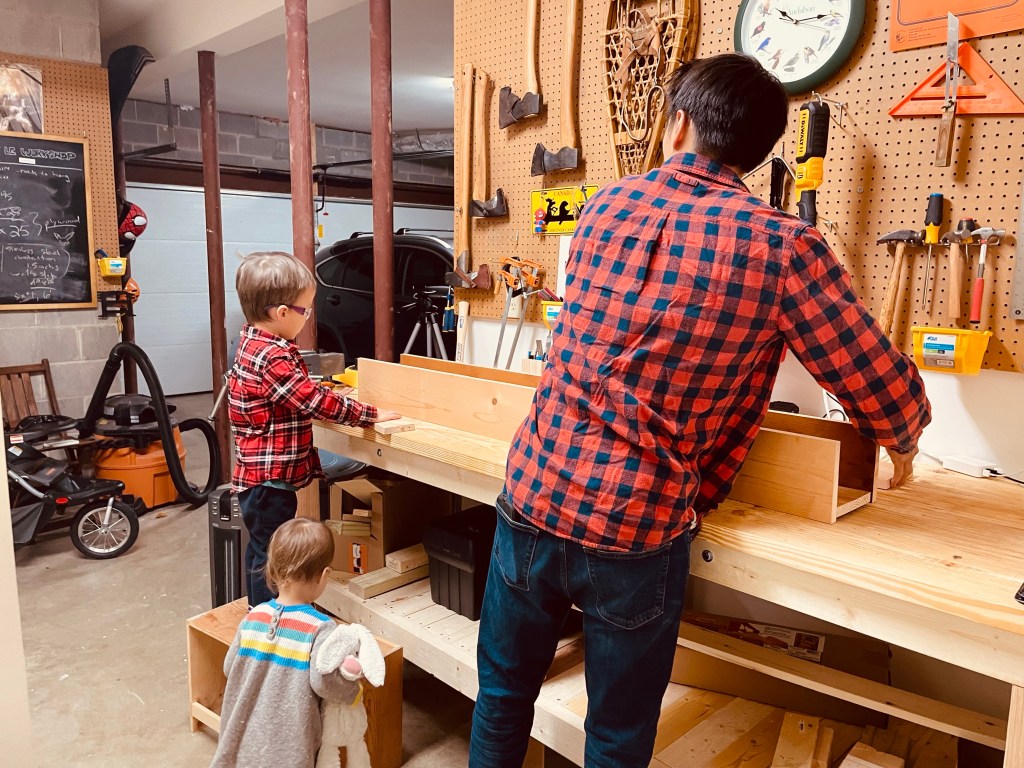
After using some scrap pieces and a pocket hole jig, we attached some feet to the box for some stability. After a quick test on a small piece of pine, she is ready to go! Next step, damage assessment and materials ordering.

Happy New Year Everyone! Be safe and healthy!


Sherando Lake – Lyndhurst, Virginia

  • Elevation: 1820 ft
  • Location: Sherando Lake Recreation Area, 96 Sherando Lake Rd, Lyndhurst, VA 22952
  • Latitude : 37.919724, Longitude : -79.01
  • Date: 10/21/2021

The George Washington and Jefferson National Forests contain almost 2 million acres, with most of these acres in Virginia (1,664,110 acres). The remainder is mostly in West Virginia (123,629 acres) and then Kentucky at 961 acres. It is home to some of the most beautiful mountain lakes in Virginia. Lake Moomaw and Switzer Lake are two of my favorites. I’ve heard much about the popular Sherando Lake, which is probably the most popular of the lakes given it’s ease of accessibility and plethora of facilities and amenities. Many people come here to swim, camp, hike and of course fish the stocked trout.

img_3068

During a week long trip out to the Blue Ridge Mountains, we made a day trip to Sherando Lake to check it out. With  2 little ones in tow, we hiked an easy trail around the lake at 1.4 miles with very little elevation gain of about 100 ft. The spring-fed lake is small at 25 acres, but picturesque. The entrance to the lake is magnificent, with small stone bathhouses and small bridges that cross meandering creeks. There is a designated beach area for swimmers which I’m sure is packed during the summer months. The trees were starting to turn in late October and the air was crisp.

If you are thinking about heading to Sherando Lake for a day trip or for a camp out, just do it. You won’t be disappointed. (For the paddlers out there, make sure you bring your own canoe/kayak, there are no rentals on site.)

Directions

Location: Sherando Lake Recreation Area, 96 Sherando Lake Rd, Lyndhurst, VA 22952

From I-64: Take exit 96 just east of Stuarts Draft. Turn south onto State Route (SR) 624 and continue. At Lyndhurst, the road changes to SR 664/ Mount Torrey Rd, but there is no distinct turn. Continue south on SR 664 approximately 8 miles to the entrance to Sherando Lake Recreation Area on the right.

From the previous site on the Thomas Jefferson Loop of the VBWT:

About 1 mile down Sherando Lake Road from SR 664, head right for a small parking and lake access area or left for parking, lake access, restrooms, information, camping, and hiking trails.

From Royal Oaks, travel north on SR 814 for 3.6 miles to SR 664. Continue straight onto and follow for 0.6 miles before turning left onto Sherando Lake Road.

To return to the interstate, return to the Blue Ridge Parkway and follow it south to SR 56. Turn right and follow this to I-81. From here, turn north to begin the Forest Trails Loop or south and start the Rockbridge River and Ridge Loop.

Frazier Discovery Trail – Shenandoah National Park, Virginia

  • Distance: 1.3 mile loop
  • Elevation: 2852 ft
  • Elevation gain: 462ft
  • Rating: Easy (although still some steep segments)

The Frazier Discovery trail is a 1.3 mile circuit hike on Loft Mountain in Shenandoah National Park, notable for several great overlooks. With an elevation gain of 462 ft, it is labeled as one of the easier trails in the park, we found it perfect for our small hikers (4 and 2 years old). Located at milepost 79.5, it is closest to enter from the Southern end of the park at Rockfish Gap (approx 20 miles). There are several overlooks on your way to the trail head, so take your time getting there.

dsc01526
Make sure you take the time to pull on one of the beautiful overlooks as you make your way to Loft Mountain.
dsc01511
View from one of the outlooks from Skyline Drive near the Rockfish Gap Entrance to Shenandoah National Park.
dsc01534
The beginning of the trail. Cross Skyline Drive on foot to begin.
dsc01561
Trekking poles are helpful but not mandatory. A hiking stick can be just as good.

We parked at the Loft Mountain Wayside Camp store and information center and crossed the road (skyline drive) to begin our hike. Hiking on a Tuesday, we were fortunate enough to have the mountain to ourselves. It appeared that the leaves were changing colors slightly later than normal. I find that peak fall color in the Virginia Blue Ridge Mountain region is last week of October and early November.

The trail is well marked, and frequently traveled. There are plenty of rocks so hiking boots are definitely recommended. Unlike several other trails through Shenandoah National Park, there was no stream or river bed on this hike….But the views were killer. Have fun out there, and be safe.

dsc01593
Overlook from Frazier Discovery Trail on Loft Mountain
dsc01568
Don’t forget snacks!

Things to bring:

  • hiking boots (highly recommended)
  • water
  • map
  • compass
  • trekking poles (helpful)
  • dress appropriately
  • snacks
  • camera
  • helpful maps below

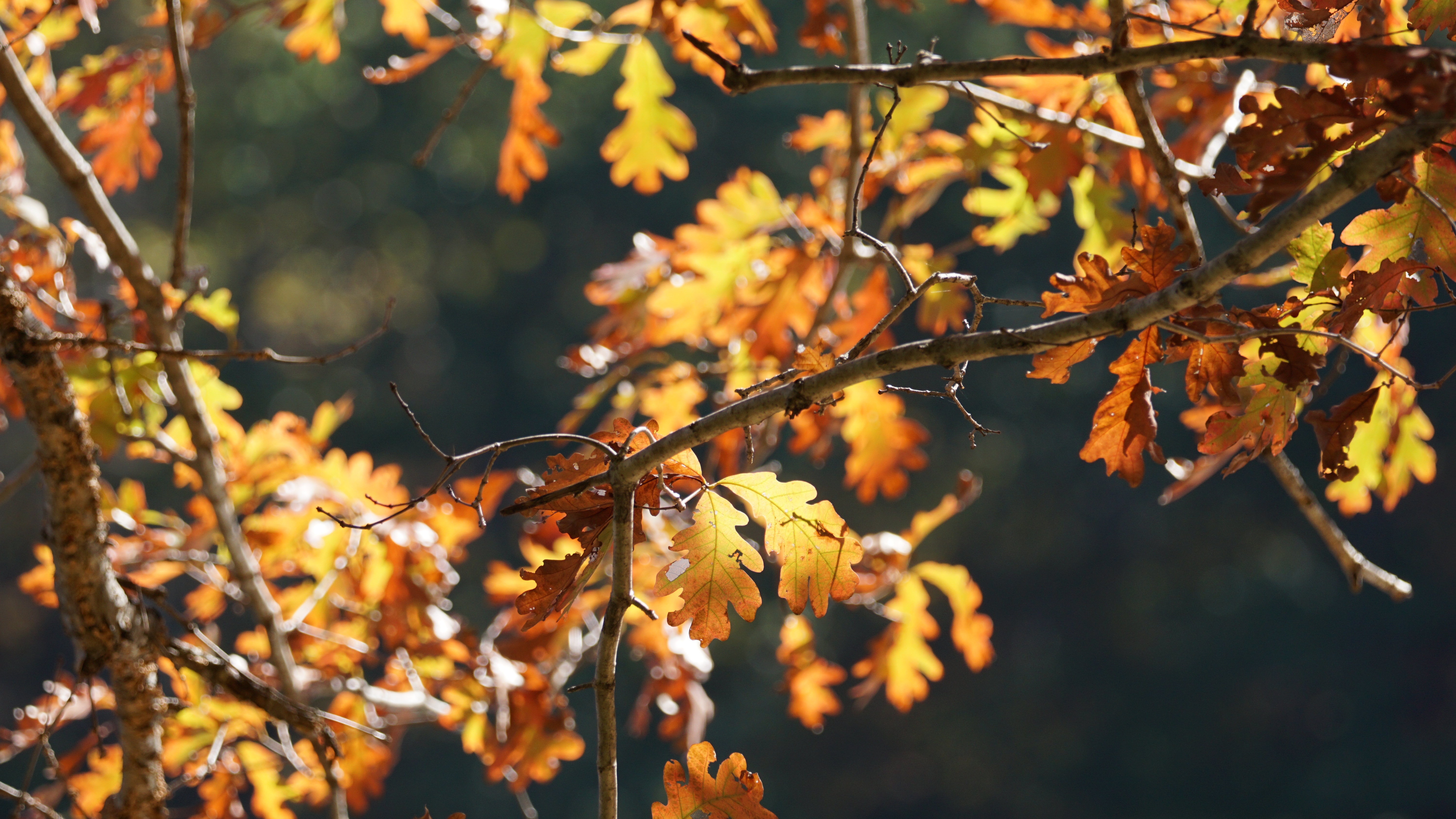
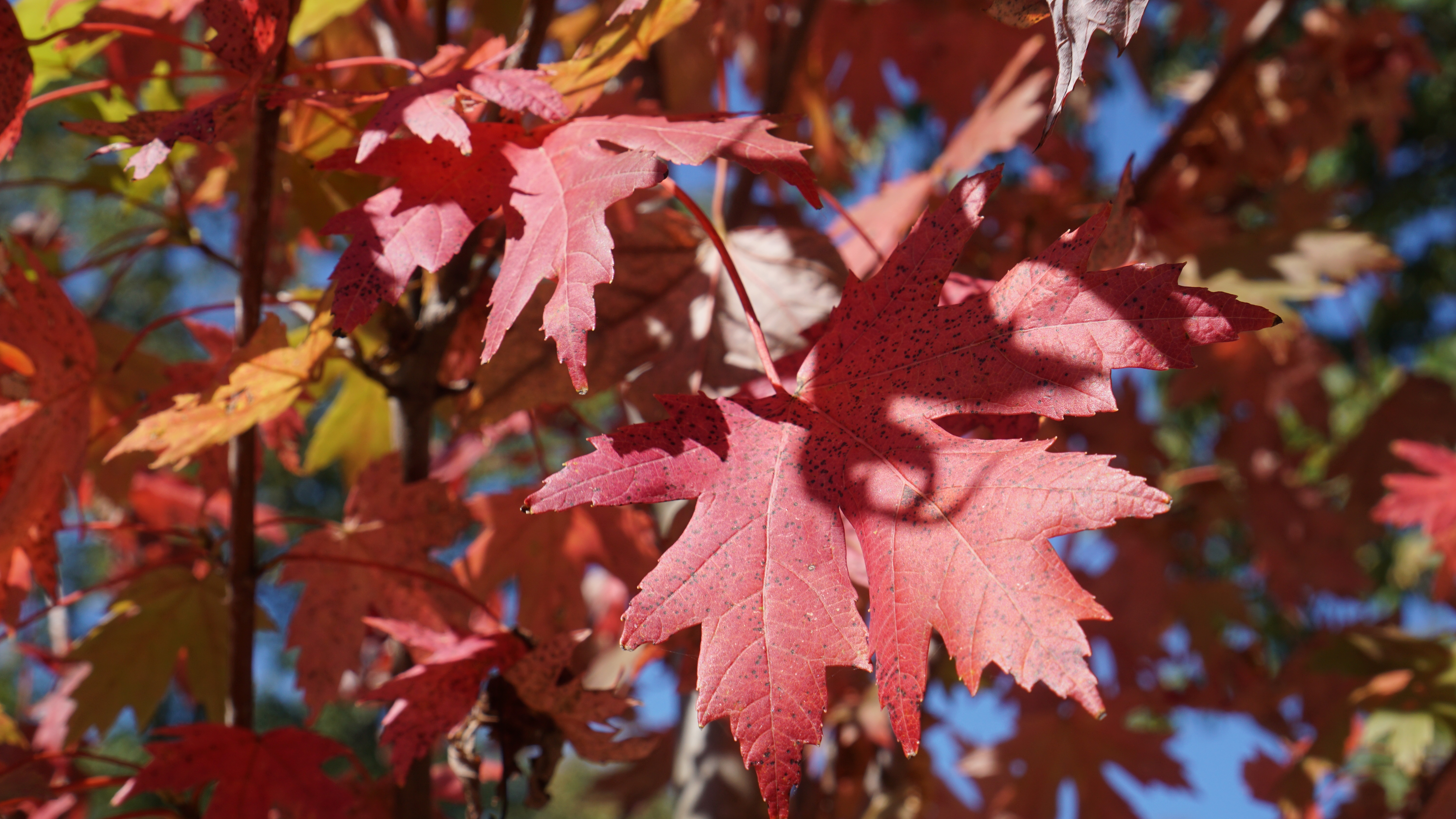
Leaf Hunting and Preserving

I recall many days of my childhood in Ontario, Canada on school field trips where we were asked to identify trees, plants and animals. These were always great memories for me and helped opened my eyes to the natural world all around us…even in our very own backyards. Looking back now, I’m amazed at how much emphasis, the canadian public schools placed on educating their youth about nature. It has certainly left a lasting impression upon me and how I view the world. I try to pass this wonder on to future generations.

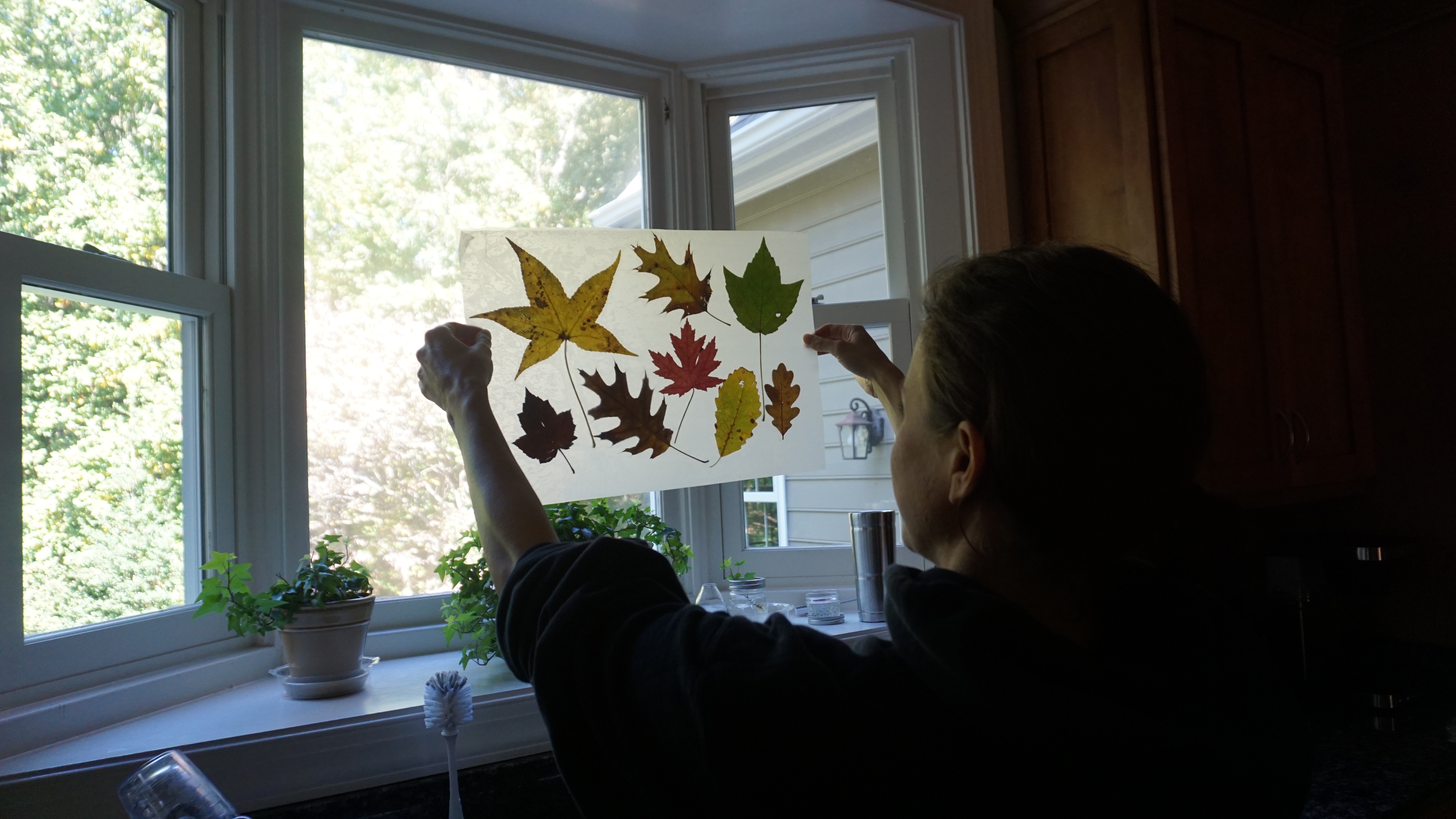
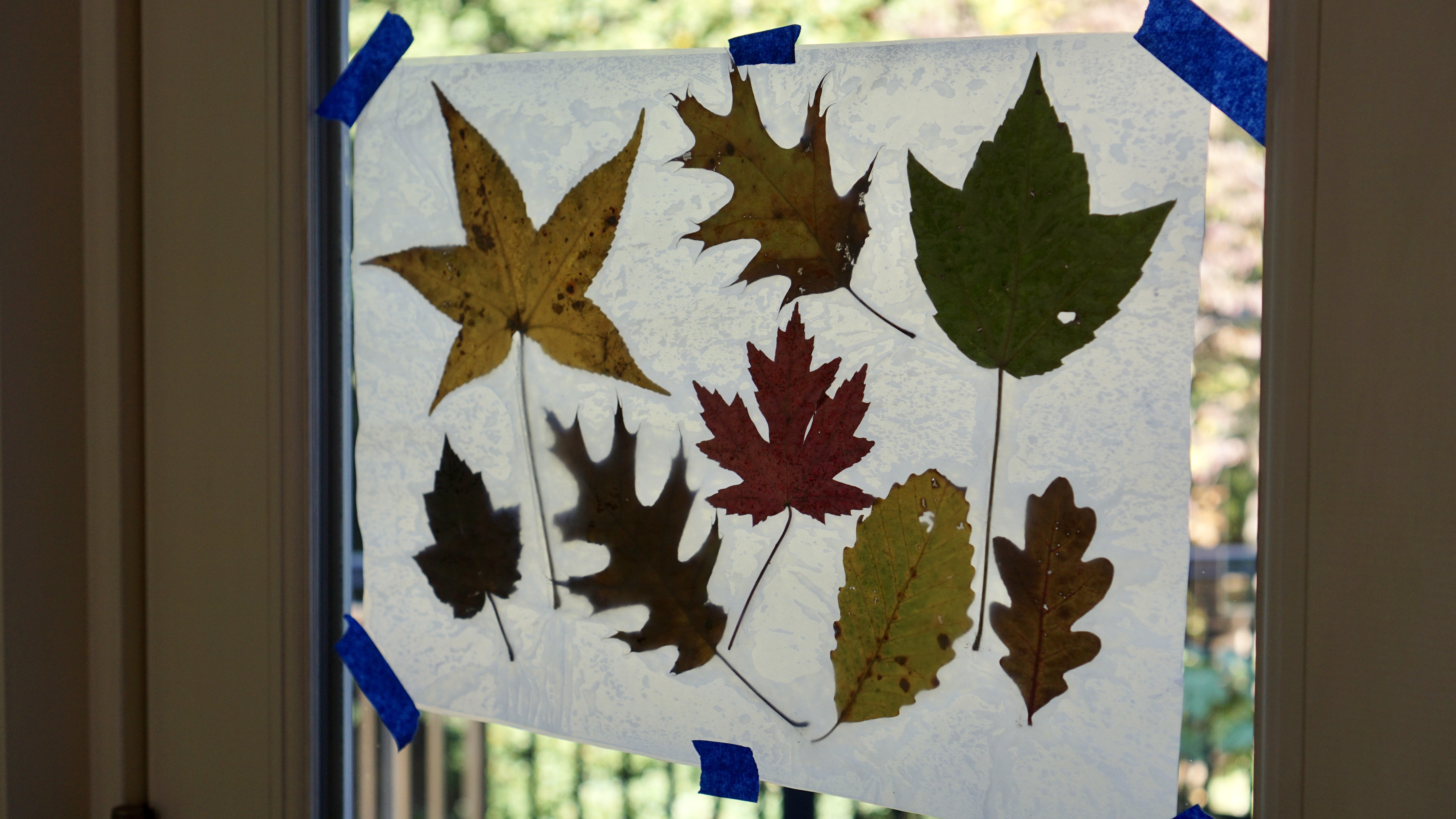
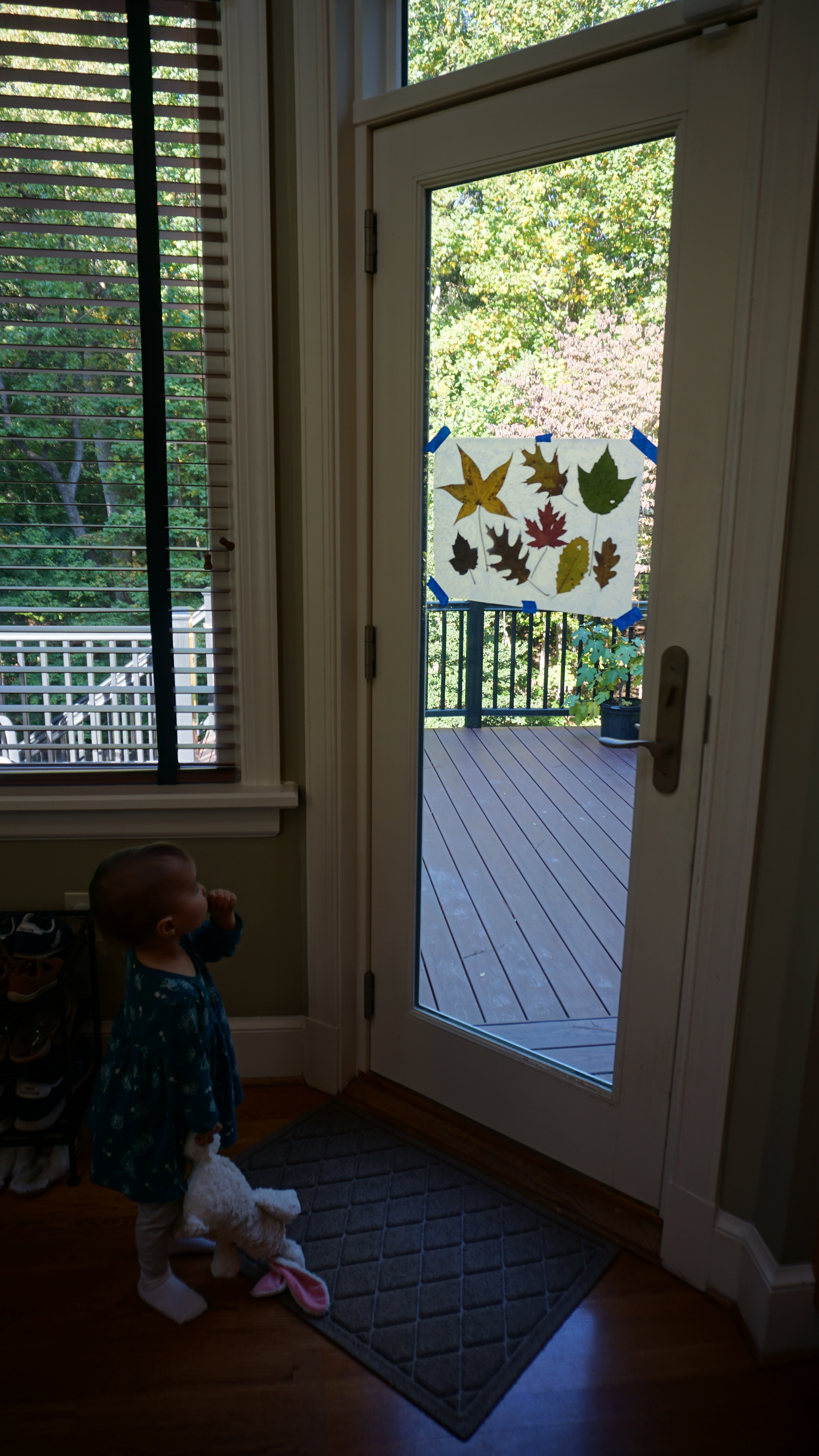
The weather this past week has just been perfect in the central and western parts of Virginia. Fall is certainly underway and we have been trying to get out as much as possible to soak it all in. This was a great opportunity to do some leaf hunting. My son has enjoyed watching the leaves change and he also loves tree identification with his trusty tree guide. We didn’t have to go far, we had enough species of trees in our neighborhood to keep him occupied with a good field activity. We were going to collect leaves and seal them up in wax paper.

We hunted for acorns of many varieties of oak: white oak, red oak, chestnut oaks. It appeared that sugar maples were still far from turning in our neighborhood. Gum trees were yellowing and so were sycamores.

Once you have found your collection of leaves, simply lay them out on kitchen wax paper. Cover it with another layer of wax paper and iron them. The heat will keep the two papers adhered to one another and your leaves preserved inside.

All in all, it was great way to get outside, feel the sun and admire nature. Enjoy and be safe everyone.

Old Town (1929, 17′ OTCA) Wood Canvas Canoe Restoration – Part 1 – Workbench and Canoe Cradles

It’s hard for me to believe that the last entry regarding canoe restoration was back in June. Our progress has been slow but certainly steady. Amidst the throes of this pandemic, things at my workplace seem to have gotten busier….I’m seeing more patients and doing more surgeries….meanwhile COVID cases in Virginia continue to soar. Wear your masks and get your vaccines people!

I’ve been finding some time every night, to go into the garage with my kids and work on something….anything….if only for 20 minutes at a time. Lately, I’ve been striving for more discipline, the practice of doing a little bit of work, everyday, in several different areas: exercise, work, learning languages, woodworking, music. It really is incredible what can be accomplished with just 30 minutes a day towards a goal.

Step 1: Building canoe cradles

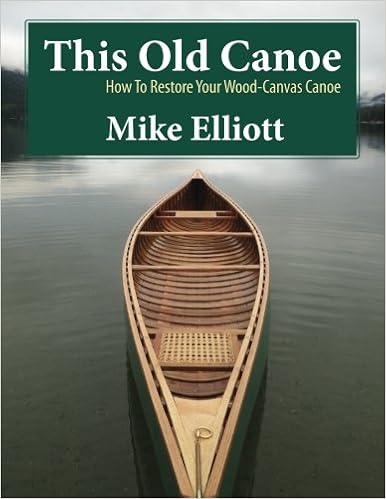
We are grounding most of our work around the guidance of this book: “This Old Canoe” by Mike Elliott. It has proved very helpful so far.

The priority was building a stable platform for working on the canoe. Flimsy and old cedar planks were coming off the side of the boat and it was simply not safe to keep the canoe on saw horses with children about, not to mention the strain it was putting on this old canoe. I’ve been reading the book: “This Old Canoe – by Mike Elliot”, and used the plans inside to build some basic canoe cradles. Basically out of 2x4s and old carpet stored in the attic. The slings on the cradle allow for an equal distribution of forces along the hull. Also, you can rotate the canoe along its long axis so you can work on different angles of the canoe.

Once the cradles were completed, we could breathe easy. The canoe was in a sturdy and safe platform, and most importantly it was out of the elements and I knew that it would not further deteriorate. Psychologically, it was a huge boost, knowing that from this moment on, this thing will only get better.

Step 2: The Workbench

What we needed now, was a work area to launch our operation of repairing this canoe. We needed a workbench.

We decided to take down some old cabinets and free up some space for an 8ft bench. The cabinets found new owners through Facebook marketplace….they weighed a ton.

After looking at several different workbench plans on the internet, I settled on this one:

It was a very simple design and it seemed sturdy enough for our work. After many hot, summer day trips to Home Depot and a lot of sweating while sorting through lumber piles, I acquired all the wood that I needed. The cost of materials was less than $150. My son and daughter had a blast building this thing. My son, particularly enjoyed chiseling the half lap joints for the 2x4s. I didn’t have a table saw, so the cuts were actually just made using a compound miter.

We coated the table with a coat of boiled linseed oil. (Whenever you work with flammable oils like linseed, make sure your rags are disposed of safely. These can spontaneously combust. I generally soak the rags, and then leave them out to dry either in a metal can or on the drive way before disposing of them).

We subsequently had to paint the wall where the cabinets used to be and then replace the wall base vinyl which was easy enough.

Now we’re ready for the next phase……doing a thorough assessment of the extent of canoe repairs and figuring out a way to acquire the materials and tools necessary for the job. We are looking forward to working in a cooler shop now that autumn has arrived. Onward!


***As with all projects please make sure you wear proper eye protection. As an ophthalmologist (physician and surgeon specializing in eyes), I have treated vision threatening eye injuries from accidents in the workshop, construction sites and even in the gardens. In ophthalmology, it does not get more serious than an “open globe injury”. This is a scenario where the eyeball itself has an opening, either from a tear, blunt trauma or a projectile object. In the workshop, some of the worst injuries are from flying species of wood or metal that can penetrate the eye. The surgeries to repair these injuries can take hours and the visual prognosis often very poor. Prevention is key, WEAR safety goggles…PERIOD. ***

This is a photo of me repairing an “open globe injury” in the operating room. The eyeball in this case has been penetrated by a piece of steel. This was a high velocity injury. This occurred when the patient was hammering a metal stake with a sledge hammer. A piece of the stake broke off and went flying into the patient’s eye. The surgery was over 4 hours and the patient never regained meaningful vision. Wear safety glasses people.

Pine Needle Tea

A cloudy and muggy, Saturday kept us mostly indoors. The kids were both with stuffy, and runny noses. A mild cold was here to stay for the next few days.

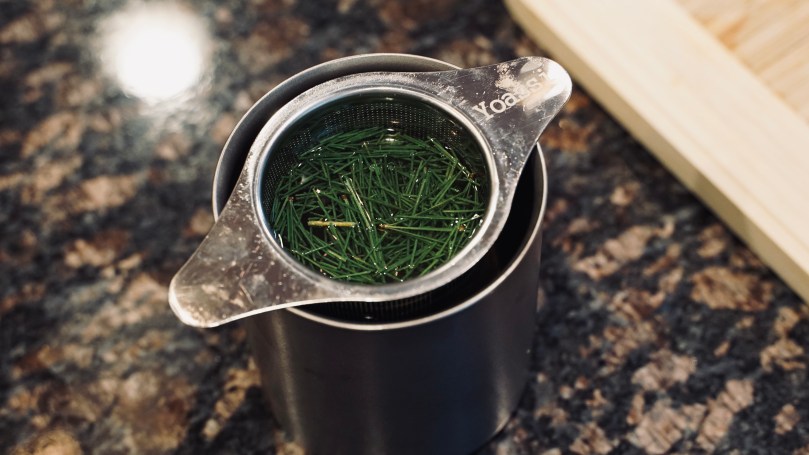
I told my son that during these times, the perfect remedy was something we could easily concoct in our backyard…pine needle tea.

Ingredients:

  • eastern white pine needles (about half a handful)
  • honey (optional)
  • milk (optional)

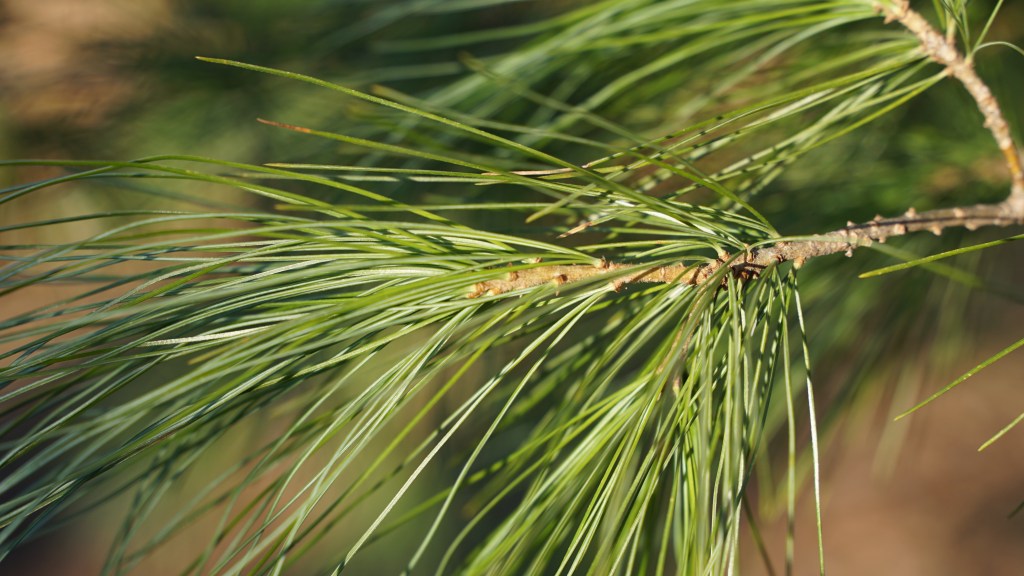
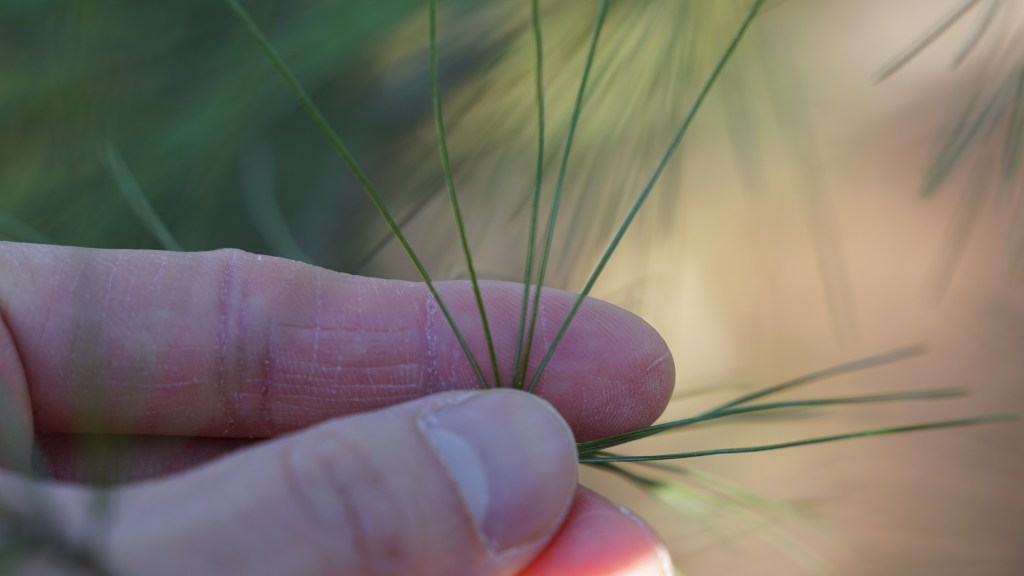
A very simple brew that can be made on virtually any canoe trip, pine needle tea has so much to offer. It is loaded with vitamin c and A as well as anti-oxidative properties. While it can be made with several different types of pine trees, I think the classic pine needle tea is usually with eastern white pine. This tree can be easily identified from yellow pine by the fact that the needle clusters grow in clumps of five. A good way to remember this is that the letter “W” for white, has 5 points in it. (A pretty useful mneumonic). *whenever you are consuming plants or trees outside, please make sure you know exactly how to identify the species you are dealing with. There are several types of conifers, such as yew that is not suitable for consumption. Also, pine needle tree should not be consumed that anyone bearing children.

White Pine: The needles grow in 5 needle clusters.

Once you have identified the proper needles, you can wash them to get off any dirt or bugs. You can cut the needles into smaller pieces or leave them whole. I generally do not boil the needles. I heat the water to the point before boiling as to slow the steeping process and not to release too much bitter tannins. The younger pine needles (lighter in color) are generally a little sweeter, although with less ascorbic acid (vitamin C). The darker, older needles contain more vitamin C but are more bitter. I generally let the tea steep for about 15 minutes. You can mix in a little honey or milk if you wish. In no time at all, you’ve got a warm, healing drink from your backyard that should help you get over your cold.

5 needles

While we are no longer worried about vitamin C deficiency and scurvy in this part of the world, this trusty and simple pine needle tea recipe will hopefully serve you well. It’s a must on canoe trips.

Have fun everyone!

*Be careful once again when identifying trees and plants of all kind!

Victory Garden 2020

At the start of the lockdown in Virginia from the COVID 19 pandemic, we decided to grow a garden to get productive and hopefully have some vegetables to eat and share with our neighbors. I think this project was mostly started by our 2 year old son, who was insistent upon tilling the ground. At this point in time, we had no idea what the food produce situation was going to look like throughout the upcoming months. There were a lot of unknowns throughout the whole world and certainly still today. We didn’t want to ruminate….we wanted to get moving.

The first step was to remove all of last years tomato vines and to till the earth. We have a compost bin that we have been faithfully using to replenish the nutrients to the soil. It also helped that the previous owners, apparently had heaping loads of manure dumped into the garden.

By the first week of April we were already planting the first of the seeds. Strawberry, kale, etc. We also reseeded the lawn for spring time is probably the best season for our grass. The brutal Virginia summers pretty much just scorch the earth by July.

April 21, 2020

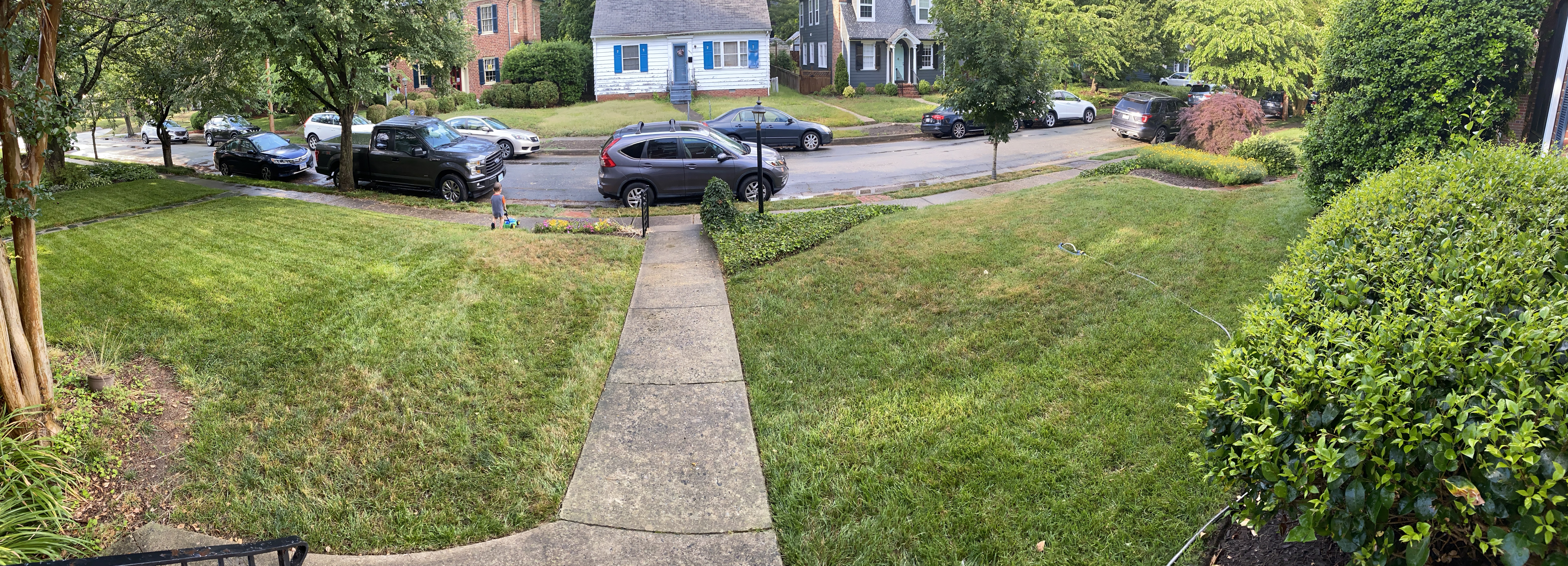
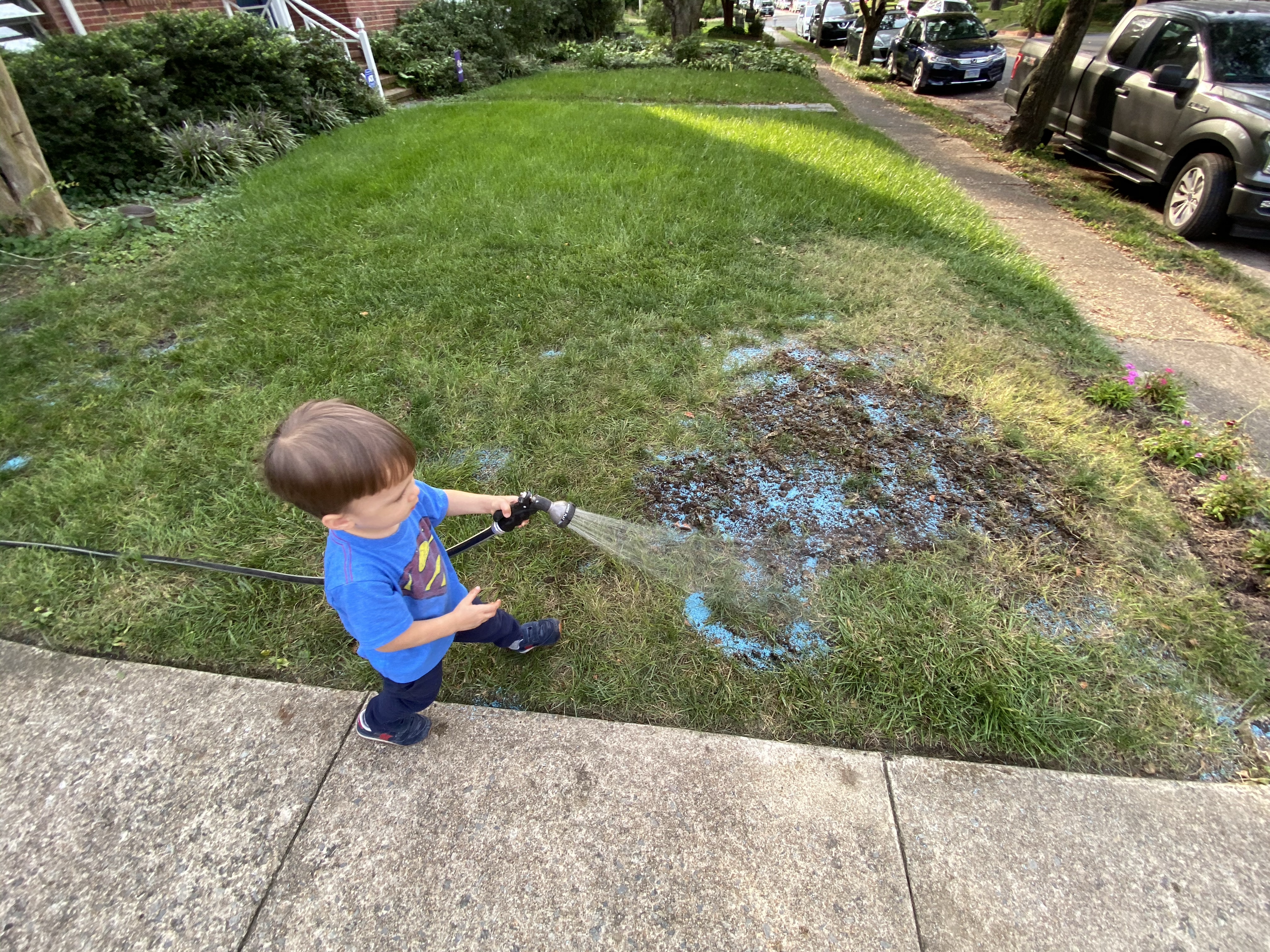
We spent the day reseeding the front lawn, there are stubborn sections of the front lawn that gets sun damaged every year and allows for the crab grass and bermuda grass to take root. Our plants are developing nicely indoors, it will soon be time to transplant them to the garden.

May 16, 2020

The garden has been coming along nicely. I do believe that this in large part due to a wonderful “normal” spring in Virginia. We’ve been hanging on to cooler weather and we’ve been loving it. It has still been in the 60s in mid May! We transplanted several of the seed bags to see what would happen. We put up some netting around the strawberries but it didn’t seem to do the trick. I think next year we will have to get a metal cage if we plan strawberries

May 23, 2020

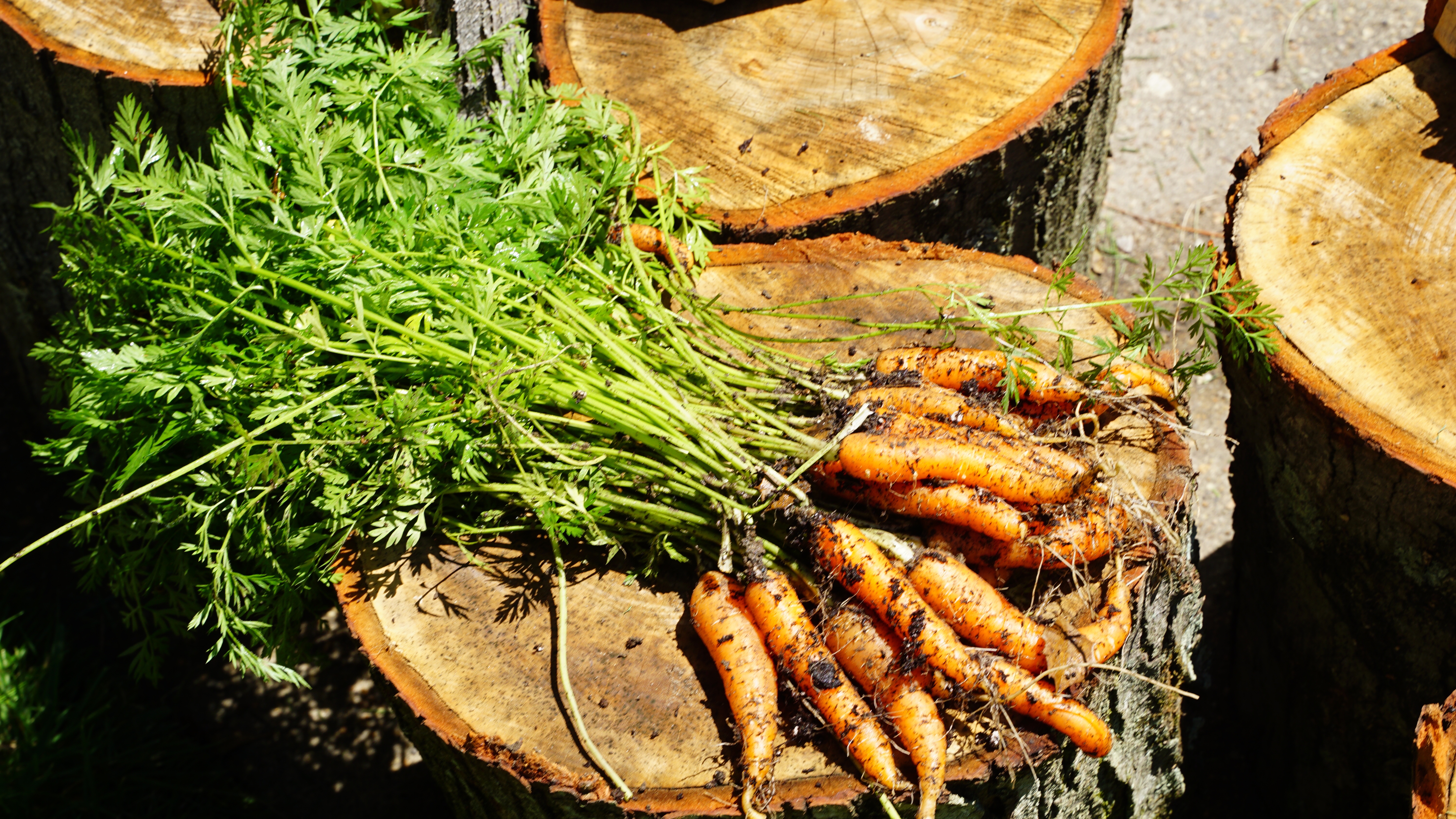
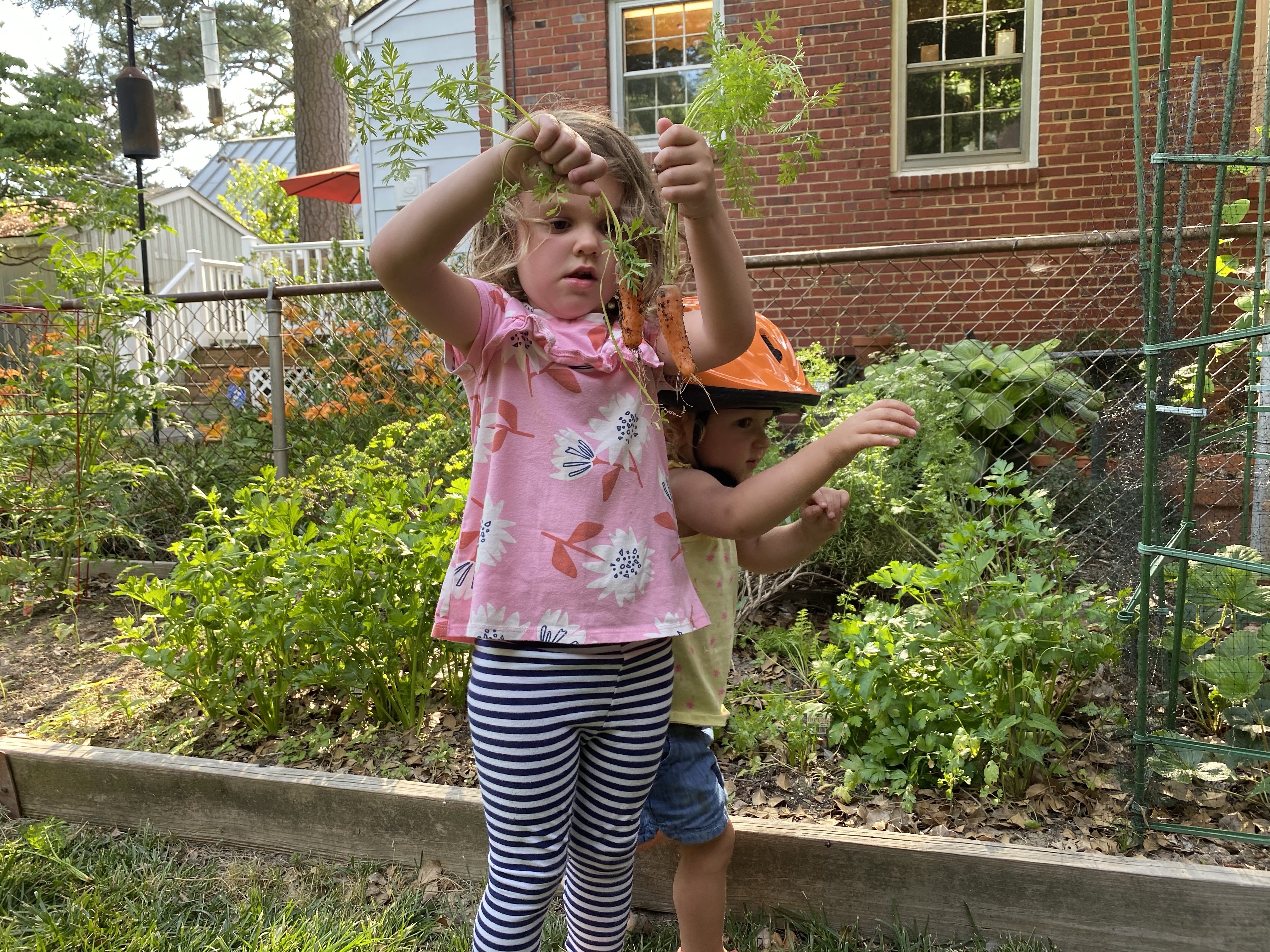
We harvested our first carrots from the garden. Once again, the weather still remains pleasant. Our lawn is surviving and so far the temps are still just getting to the upper 70s. Today was a rare 82 F but it still felt very pleasant.

We have been picking from our rosemary and cilantro, some have already bolted. Bolting by definition is when the plant begins forming flowering stems in order to reproduce. Cilantro grows best in cool climates and moist areas. When it gets too hot, the plant anticipates that it will get too hot and dry and if therefore begins flowering and producing leafy stems that are no longer desirable as they lose their taste. It is a survival mechanism for the plant to reproduce as much as possible before it dies, but from a gardening standpoint, this is something that you want to avoid if possible. Plan to grow cilantro in early spring or fall when it is cooler.

May 30, 2020

June 6, 2020

We harvest our first beets along with another round of carrots. We’ve been working hard to diligently weed and water the garden. We still have yet to fix our irrigation system from the two cracked hoses. the hardest part is finding the right parts. Up until now, the weather has been excellent. We are starting to see some hot days. The lawn is beginning to show signs of yellowing.

June 9, 2020

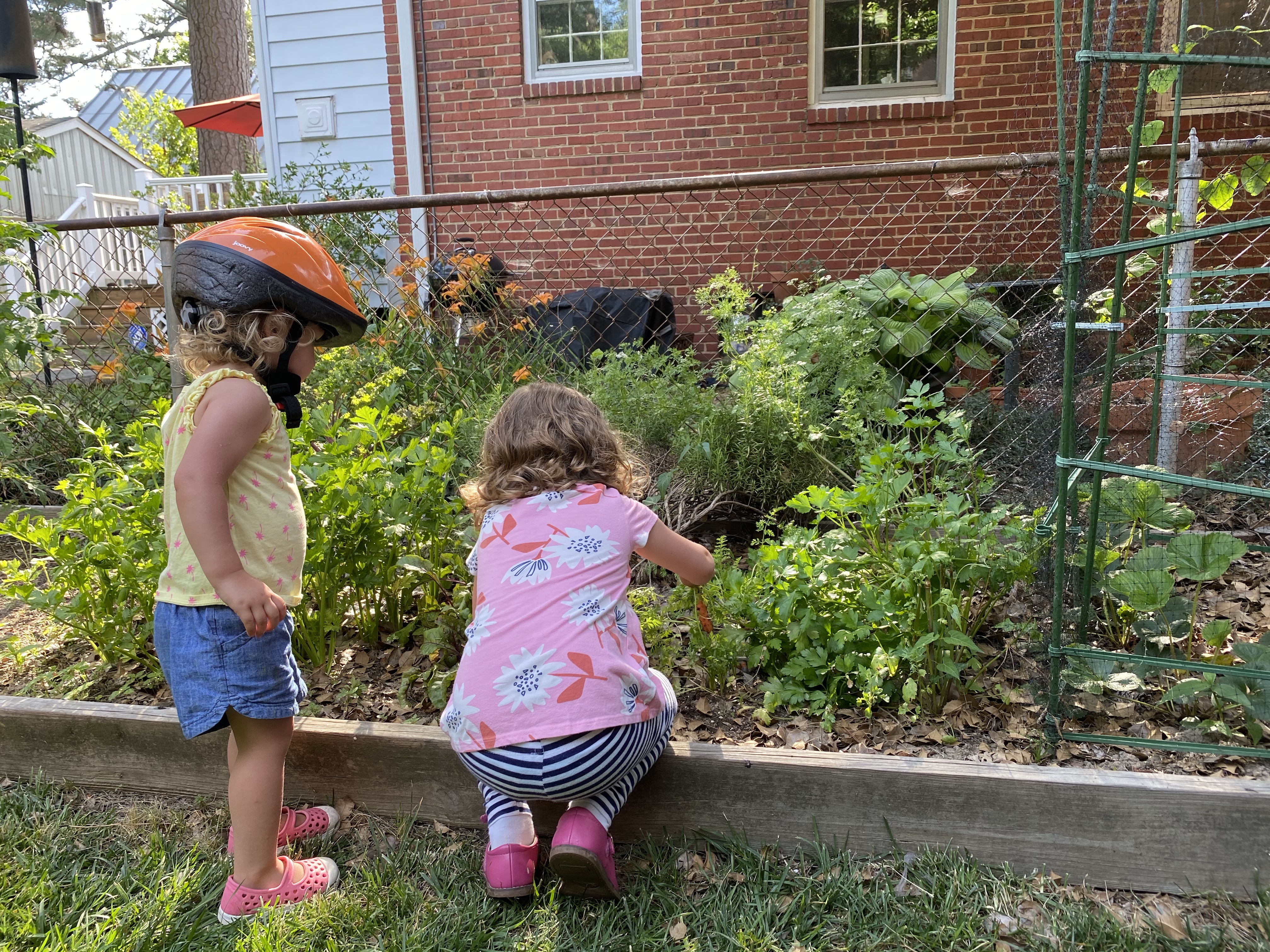
Several of our carrots have fully developed and were eagerly picked by visiting cousins.

June 10, 2020

Spring showers cool off a hot June day. temps today in the high 80s. We got about 30 min of solid spring showers. the state of the lawn is as such, yellowing can be seen throughout. it’s trying to hang on. The maple tree in front is actually growing pretty fast. I think by next year it will be able to provide some pretty decent shade. sometimes I wonder if there are any treatments that can help the grass survive the brutal heat. This season has still been fantastic. Much cooler than averages in the past. This next week we are even expecting several consecutive days in the highs of 70s. awesome.

June 17 , 2020

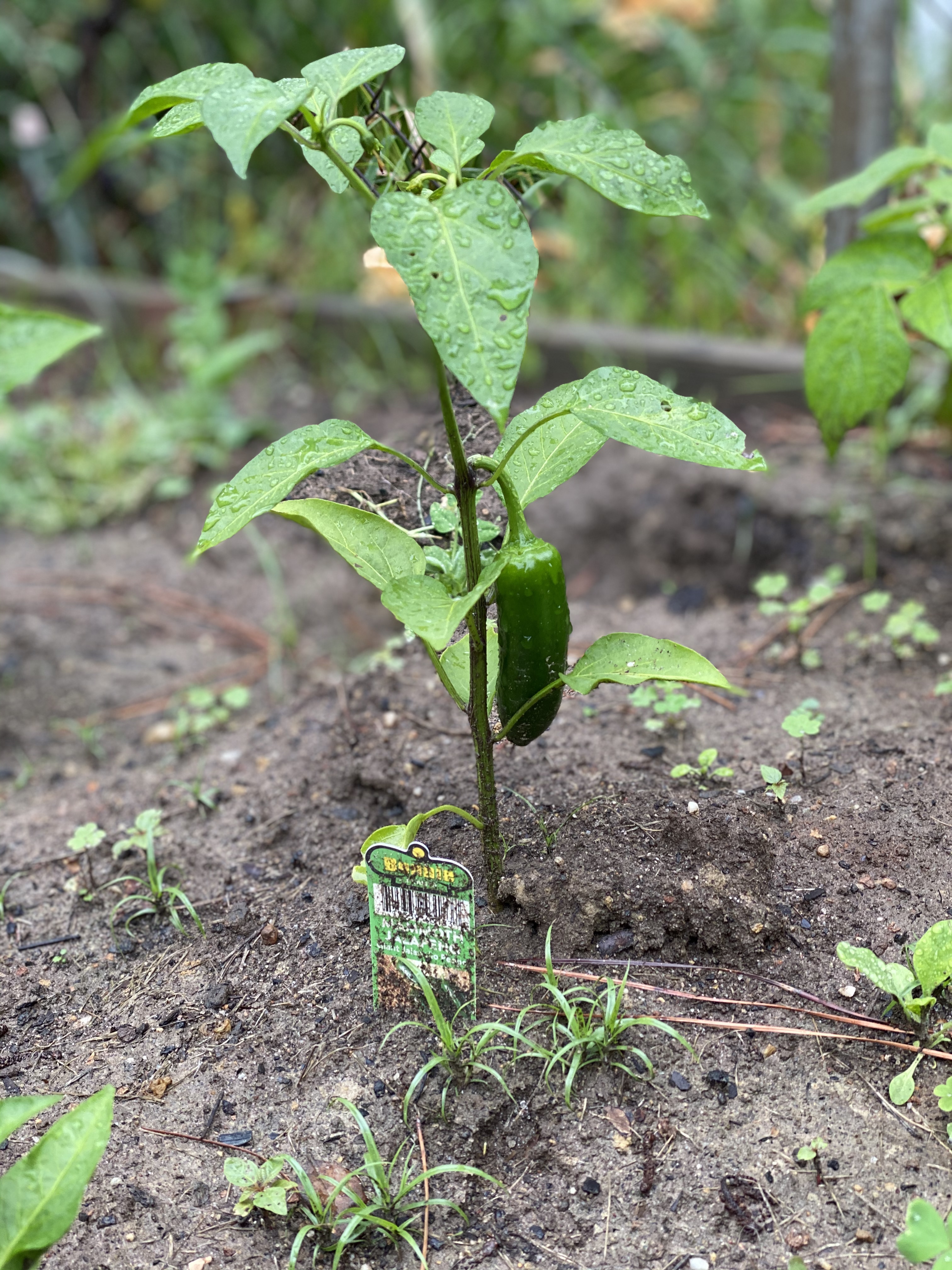
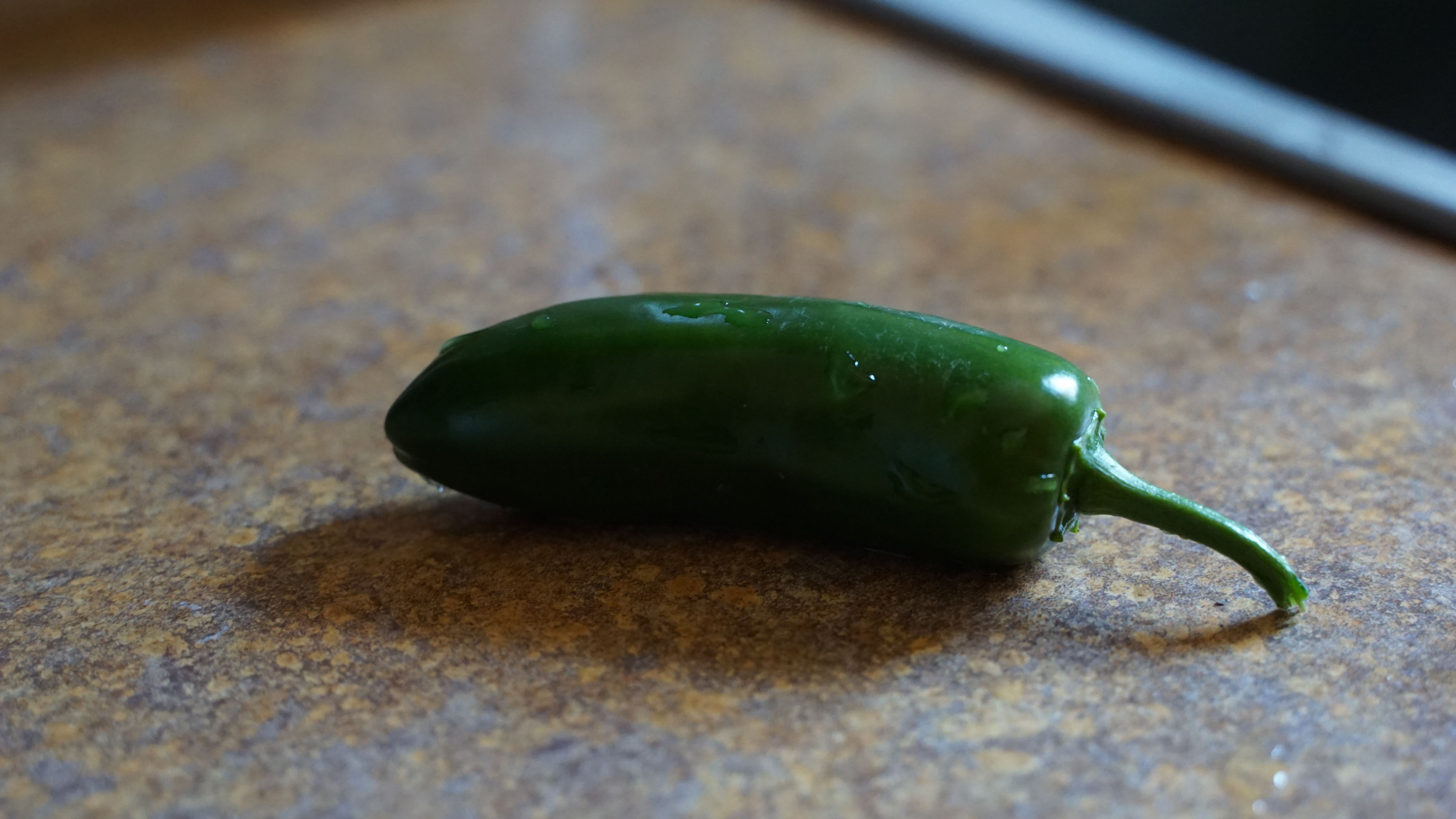
We are getting one week of rain! We’ve got jalapenos coming in and green peppers and tomatoes.

June 27, 2020

July 3-5

July 10, 2020

July 15, 2020

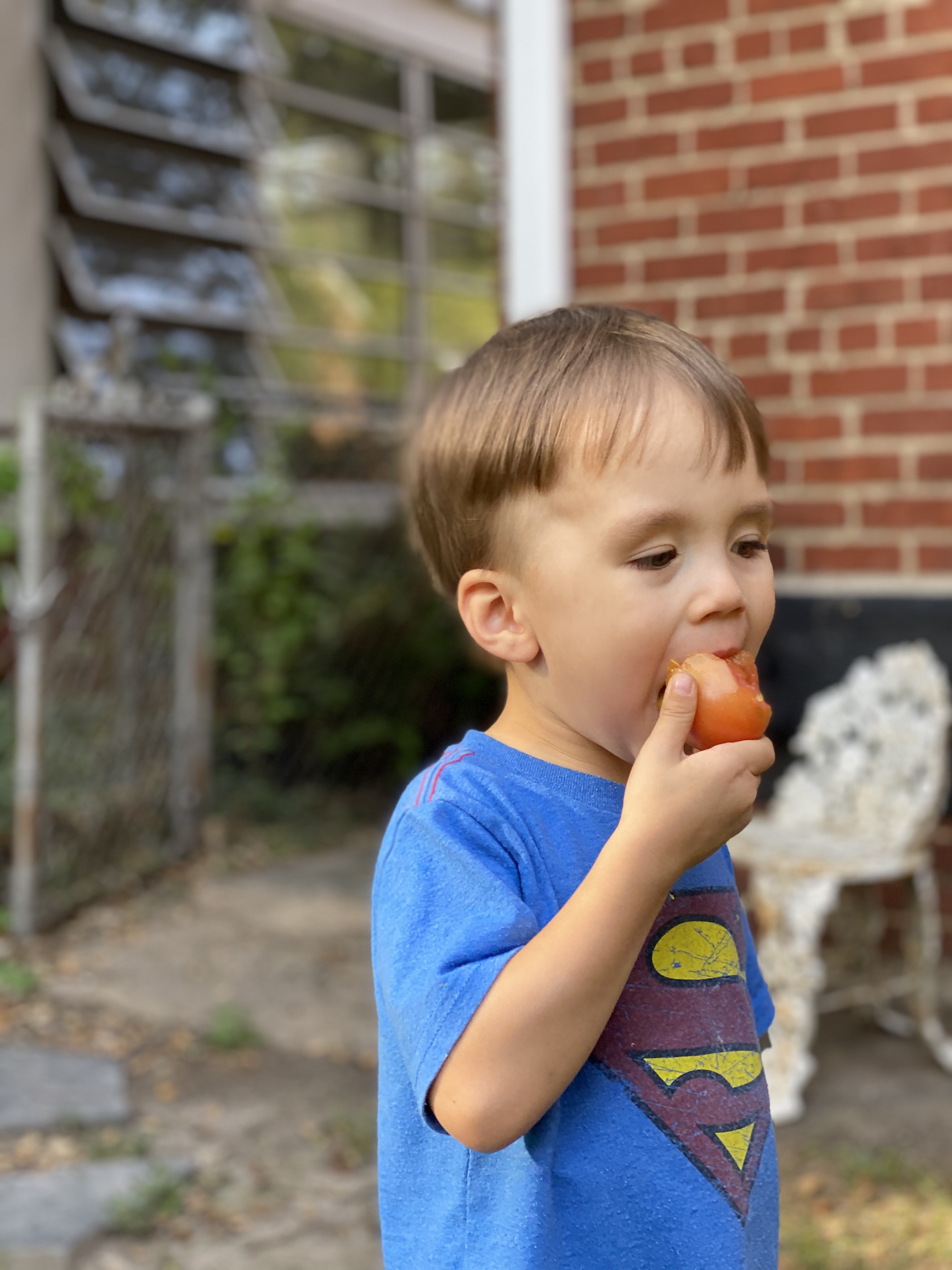
The garden has been yielding a lot of veggies lately. It has been a lot of work to keep weeding them and watering them in this scorching heat. It has been in the mid 90s all week. Our son has been loving the garden and eating all veggies. The delayed gratification is something he is wrapping his head around. He also has a lot of pride in his garden. In a world of immediate gratitude and digital screens, a garden is the perfect way to fight all that.

August 1, 2020

This has been a brutally hot summer. Fortunately we are through July.

August 4, 2020

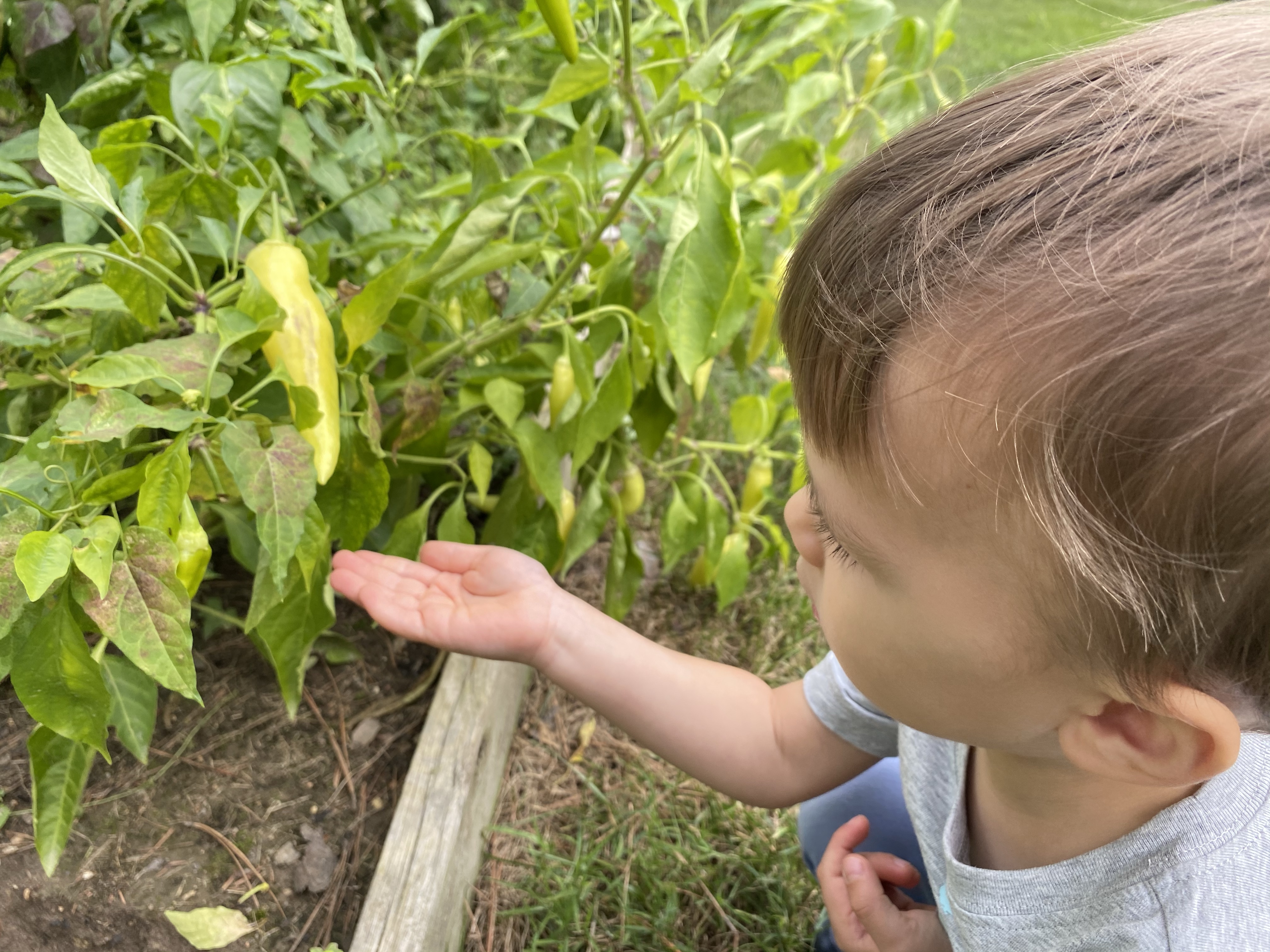
Summer showers have left our yard pretty flooded! It’s hot and the mosquito situation is bad.
September 19, 2020

September 27, 2020

October 4, 2020

Temperatures are consistently nice and cool. We do some lawn repair to try to grow some new grass.

October 20, 2020

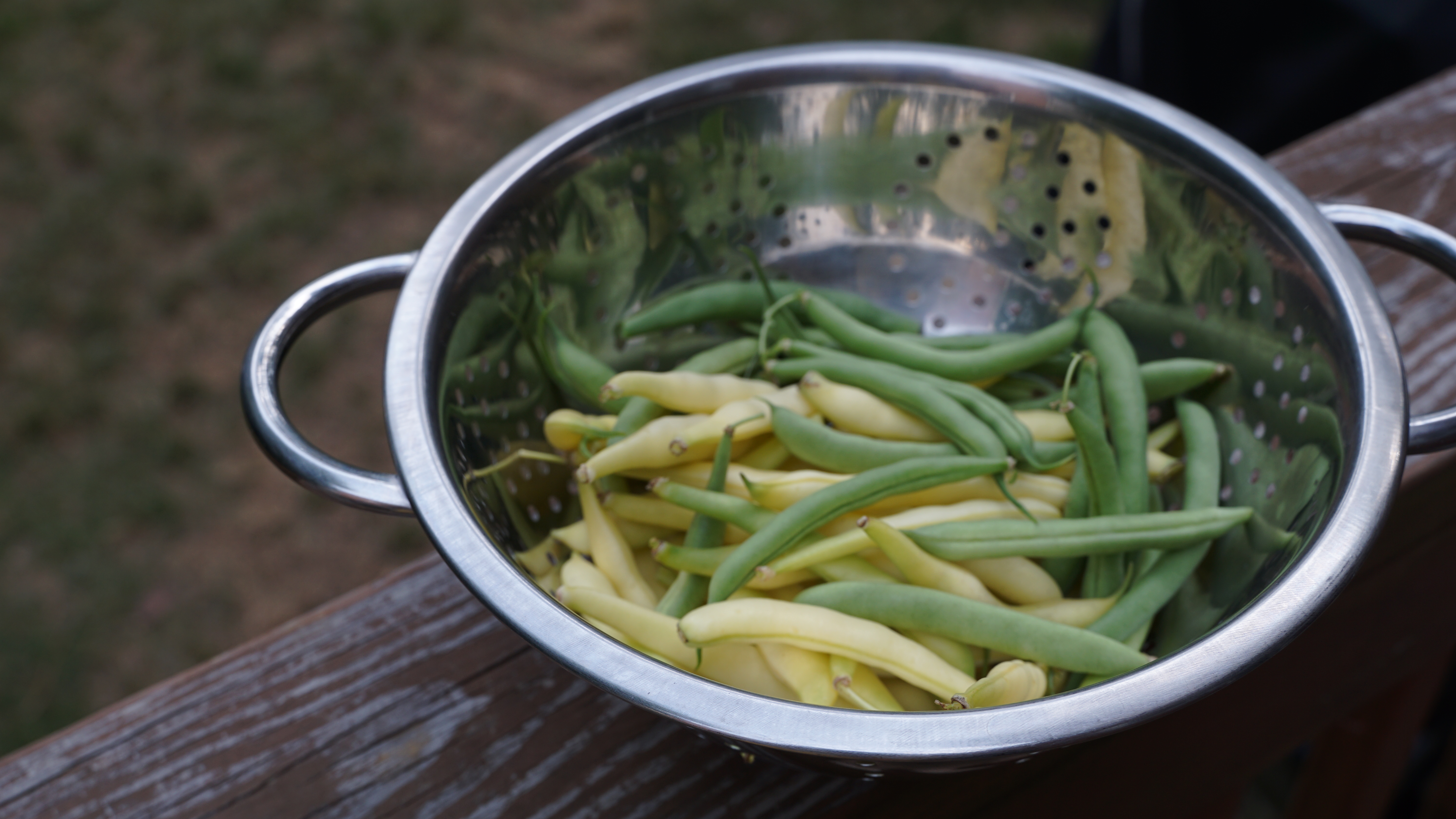
With temperatures in the 60s, it is just glorious outside. the garden is still yielding eggplants, bell peppers, tomatoes, jalapenos, and kale. We did some light maintenance and trimming to keep the tomato plants at bay. We are heading to the end of the season.

By November we officially declared it the end of the garden season. Although even in the first week of December, I saw some green peppers and strawberries trying to grow. It was certainly alot of work and maintenance, but taking care of this garden has been a lot of fun, especially for our 3 year old boy. I can clearly see his new appreciation of plants and how food is grown, and how it eventually gets to the dinner table. Growing a garden is also a great way to get your child into eating vegetables. Even if the garden does not yield much, you’ll build great memories and hopefully learn something. We sure did. Stay safe and healthy out there.

Telephoto trial on the Piankatank River

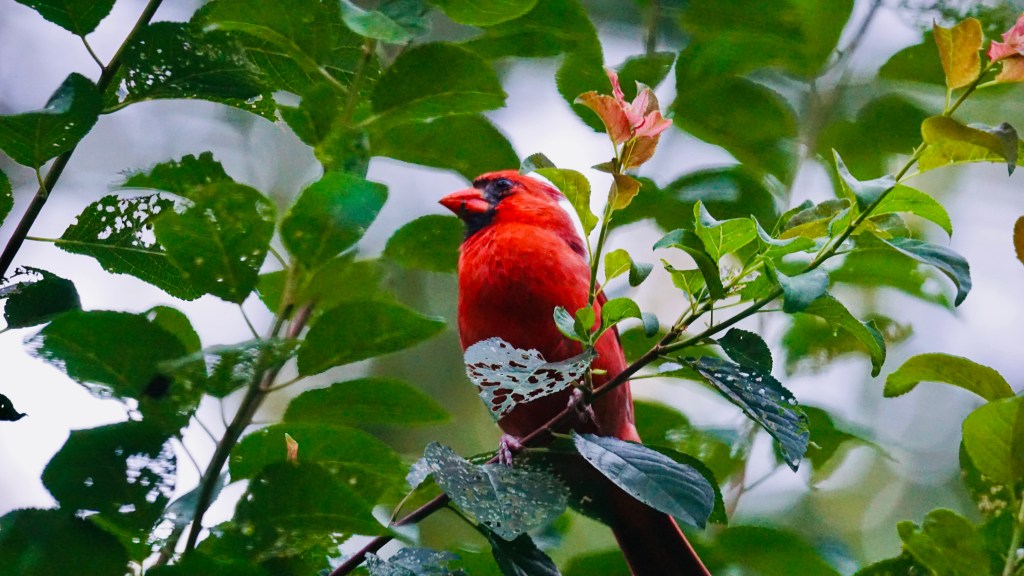
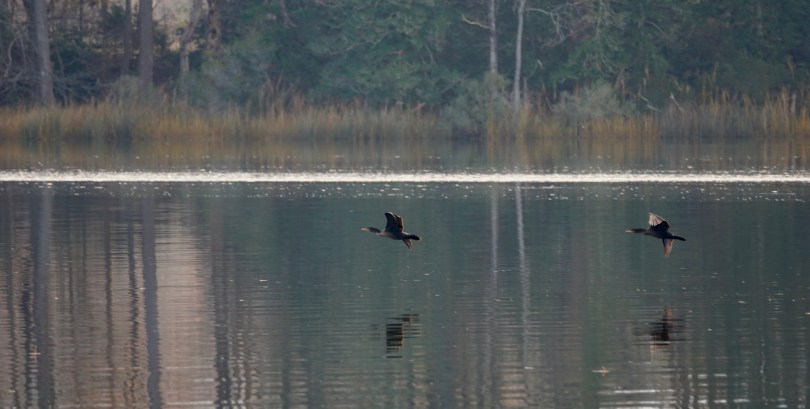
We took the family to spend a couple of days on the Piankatank River. The water was calm and the wildlife was out and about. I was able to get a shot of the bald eagles that have been hunting our segment of the river for years. I’ve been breaking in the Sigma 100-400mm telephoto lens. I still have it attached to the trusty old Sony a6000 that’s been pulling it’s weight for the past 5 years now. Hard to believe it’s been that long. I still have much to learn about telephoto lenses, but it’s been a lot of fun. Happy Holidays to everyone. Stay safe and healthy out there…and keep those masks on! Cheers.

Shenandoah National Park – Black Rock Summit

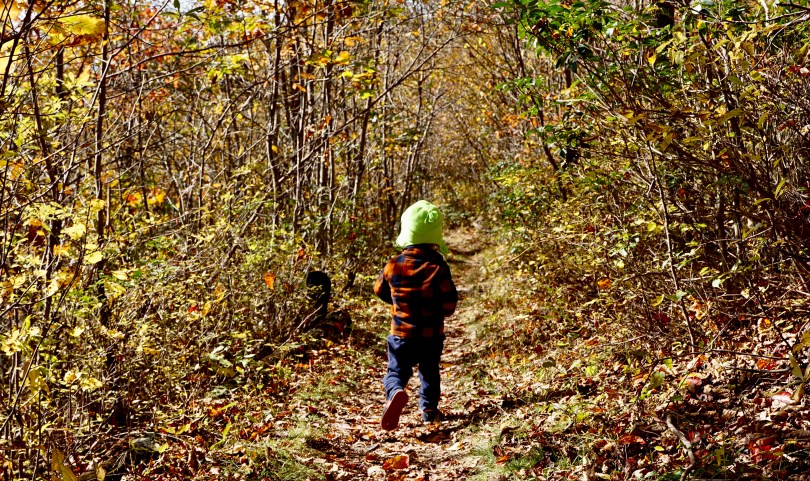
October 18, 2020 –  It seems like the only normal thing in 2020 has been the autumn season. By late September, we had already experienced our fair share of chilly days in Virginia. This welcoming drop in the temperatures seemed to trigger the leaves to change color on time. Although tired from the busy work week, we needed to escape to the mountains, specifically to our backyard national park, Shenandoah National Park. We were going to take on what seemed to be a family favorite of late: the Black Rock Summit Trail. This easy 1.0 mile loop was where we took our son for his first hike, and now we were going to take our daughter there for her first hike.

We arrived at the park entrance to find a short line of cars. I think this was the first time I’ve ever had to wait in line to get into Shenandoah. It seemed like everyone wanted to escape quarantine madness and get outside. I don’t blame them. All along the way, people were pulling off at scenic outlooks to take photos of the fall foliage. The parking lot for Black Rock Summit was full when we arrived but we had no trouble finding parking on the side of the road. Our 3 year old son was able to hike the entire trail on his own this time which certainly helped! The paths on this trail are well marked and it is a short hike to get some amazing views, highly recommended if you have young kids in tow. 


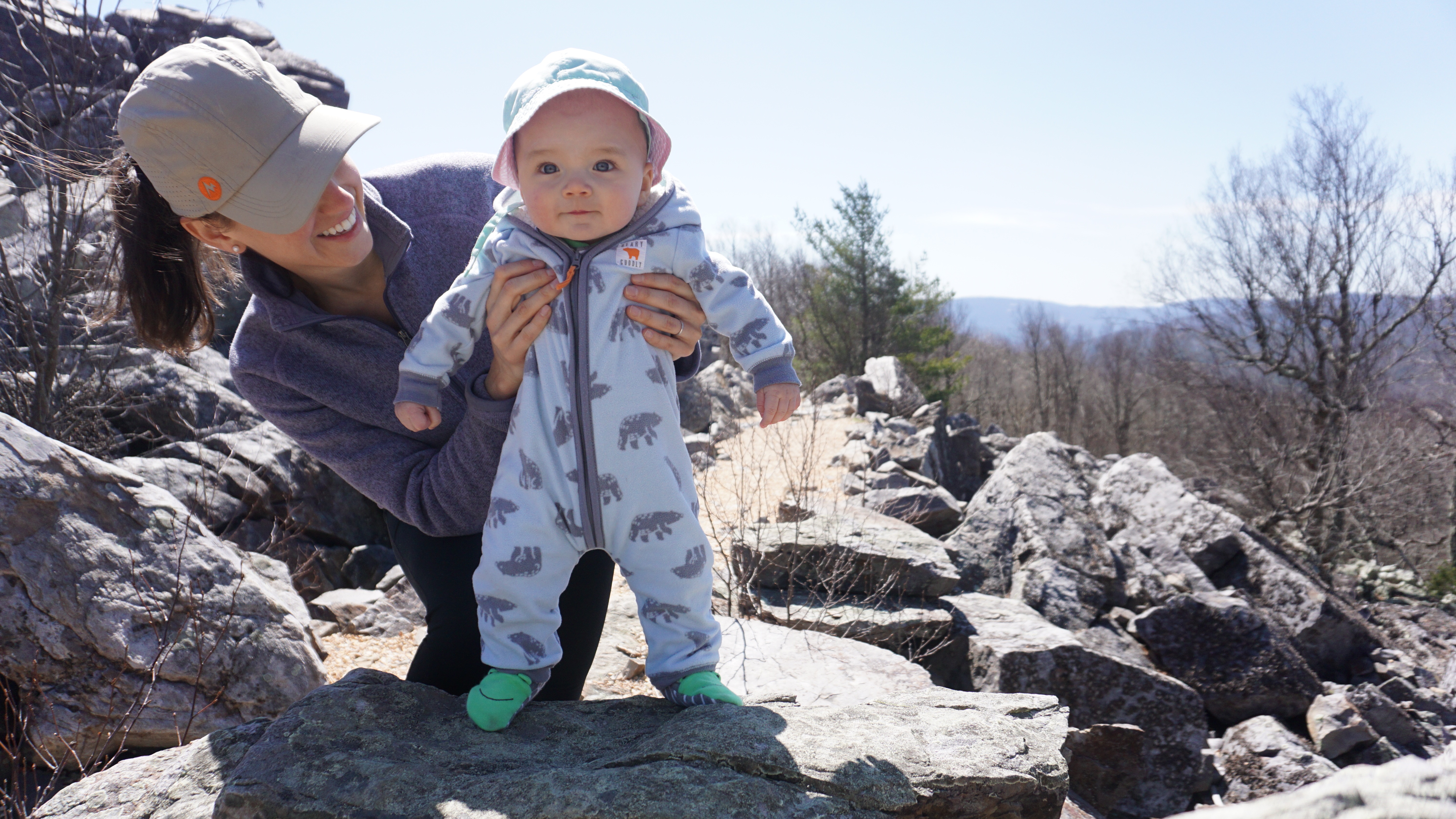
Minh’s first hike in Shenandoah, Black Rock Summit. 3/31/2018
Our first hike up Black Rock Summit. Shenandoah National Park. 7/23/2016