
Cold morning on Lake Louise in Banff National Park, Alberta.

Cold morning on Lake Louise in Banff National Park, Alberta.

Writing during a trip is always a fulfilling experience. Whether you are noting waypoints on a map, making a quick sketch of the landscape, or jotting down memorable moments, such acts allow you to slow down and reflect during a journey. In my mind, there is only one place to log such entries, an old fashioned hand-bound leather journal. I wanted to make something that was durable, handsome and consistent with the tradition of my field outings. Let’s get to it.
Materials:
vegetable tanned leather
cutting blade
cutting board
leather dye
leather conditioner
leather edge beveler
waxed thread
parchment paper
metal ruler
stitching awl
needle nose pliers
hammer

Step 1: Creating the signatures
The first step in making a journal, is to decide how many pages you want to bound, and then dividing them into signatures (unit of folded pages that will be stitched). For instance, if you wish to have 50 sheets in your book, you might want divide them into signatures of 5, each signature having 10 pages. Different types of paper can be used however I preferred to use acid-free parchment paper for the texture and look of the journal.
Step 2: Preparing the leather
Different thicknesses of leather can be used and this will be entirely up to you. You can purchase boxes of scrap leather from Amazon for less than $25 dollars. For this project, a thick vegetable tanned leather was used to give it the durable and thick appearance I wanted. The leather was cut to leave approximately 1/2 inch of leather bordering all of the pages. Once the leather has been cut, you will notice that the leather can have some fraying of fibers from the cut edges. This is where you will use an edge beveler to clean up all of the edges of the leather, giving it a nice and finished appearance.


Step 3: Preparing the leather for stitching
In order to assure that all signatures are sewn at a consistent distance from each other, I created a template. This way, all holes will be exactly where I want them to be positioned on the leather. Also, in the future if I decide to create a leather journal with similar dimensions, I could easily use the same template. Depending on the thickness of the leather, this task can be a little time consuming. I initially made the holes with a stitching awl, and then subsequently widened them with a thicker needle and hammer. Needle nosed pliers were also used to help pull the needle through the holes. Once you are satisfied, the leather can also be softened at this stage. This can be accomplished in many ways. One method is simply to manually flex the leather to give it a more broken in feel. Another way is to use rubbing alcohol on the leather and then add petroleum jelly to penetrate the leather.
Step 4: Staining
This can be accomplished with a variety of different stains and colors. I decided to use a stain from Ecoflow called acorn born. It is important to use an old clean cloth for this step to assure that you rub the stain evenly throughout the leather. If not, the stain will be absorbed more readily in some areas of the leather than others, causing an uneven appearance. This may not be a bad thing, as some of you may opt for this appearance.


Step 5. Stitching the signatures
Stitching was completed using a thick waxed thread designed specifically for leather use. This was a lengthy process considering I had 8 signatures to sew in place.


Conclusion:
In the end, I was overall very happy with the journal. It feels sturdy and strong and the acorn brown stain came out looking fantastic. It is an overall quick process and with the proper leather tools can be a very fun project. I encourage any one who has ever wanted one to give it a shot. This will definitely be accompanying me on my field and canoe trips.


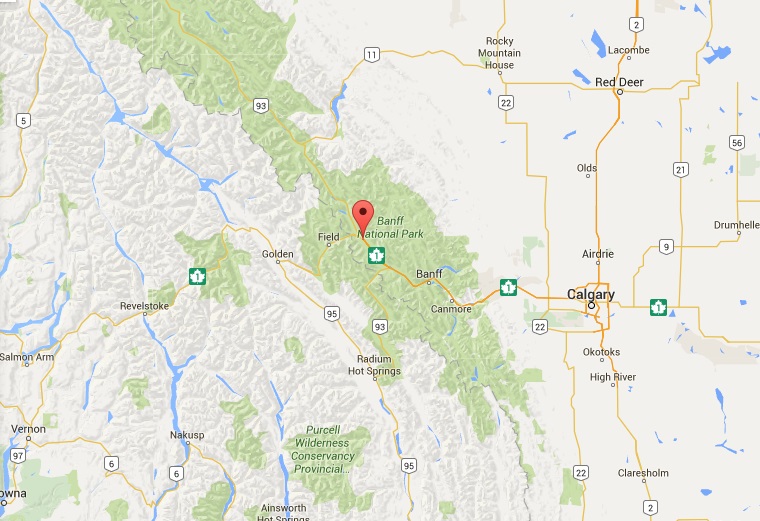 I have always wanted to see Alberta. Ever since my elementary school days, I remember completing research projects and hearing about the great national parks of the Rockies and knew that one day I would have to visit them. I just never thought it would be in the winter. We were fortunate enough to get vacation together and made our way to the great province of the strong and free. One of the best ways to trek through this winter wonderland is by snowshoe. Sarah and I set out to the woods around Lake Louise to have our go at traditional snowshoeing. Our guide, Paul, works at the Chateau Lake Louise, and has been leading trips through Banff for the past 30 years. He was a knowledgable man who had great respect for nature, ecology and the First Nations people. For the First Nations people who originally lived in the area, snowshoeing was much more than recreation, it was a way of life.


Paul emphasized, “there is no such thing as a perfect tool”. Each type of shoe was designed by different tribes who lived in different environments. The western prairie snowshoes were very wide allowing for the greatest distribution of weight. The people of these regions did not have to worry about navigating through trees and dense forests. The Algonquin and Ojibwe people however, made their shoes longer and more narrow to weave in and out of trees.


The temperature was actually quite warm for the region at about -15 celsius, with fresh snow falling. As we made our way through the trails, I was surprised at just how well the shoes worked. We glided through the forest with ease and comfort. Fir trees towered all around us and we trekked kilometers in peace and quiet with the magnificent sight of the Rockies all around us. I was also surprised to learn that Paul constructed several of his own shoes. These beautiful shoes were not only pieces of art, but more importantly for the First Nations people, an essential tool for survival during the harsh Alberta winters.

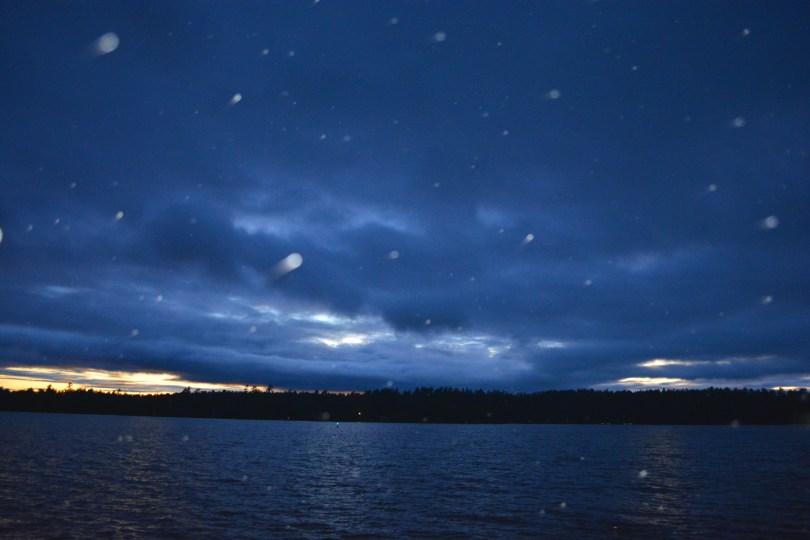
Rainy sunset on Lake Temagami from the Loon Lodge. Temagami, Ontario.

In July 2015, we set out to explore the turquoise waters and white quartzite mountains of Killarney Provincial Park. The landscape inspired countless works by Canada’s Group of Seven Artists. This is a video of our trip. Filmed on several different cameras: Sony Nex5, Nikon 5200, GoPro Hero 2, Iphone 5 and 6.
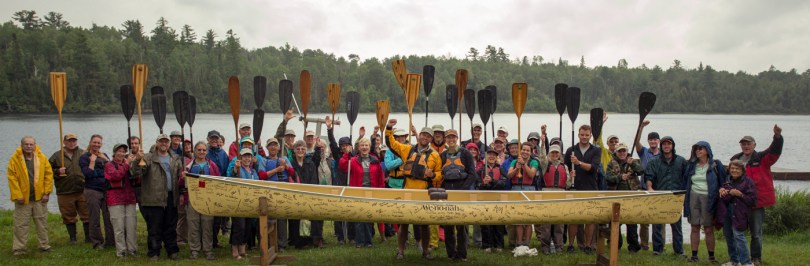
“Dave and Amy Freeman will embark on a yearlong adventure in the Boundary Waters Canoe Area Wilderness in support of the Campaign to Save the Boundary Waters’ efforts to protect the Boundary Waters from proposed sulfide-ore copper mining on the Wilderness edge. The two will travel more than 3,000 miles by canoe and dog team as they explore more than 500 lakes and streams throughout the year. The journey will begin on September 23, 2015, the fall equinox, on the edge of the Boundary Waters in Ely, Minnesota, and conclude with a paddle along the proposed sulfide-ore copper mining’s path of pollution through the Boundary Waters and Voyageurs National Park. In 2014, Dave and Amy traveled by canoe and sailboat from Ely to Washington, DC, on the Paddle to DC as a first step in their efforts to protect the Wilderness.” – savetheboundarywaters.org
Please help show your support for the boundary waters by visiting the website and signing their petition. Mining affects many of our great canoeing regions. This reminds me of the Temagami region in Ontario and the pressure that mining companies constantly exert on our pristine wilderness areas. What’s unique to the BWCA is the special place it holds in the hearts of many of the American veterans. It serves as a healing place for many of these veterans and is the least we can do as a country to protect it for them.

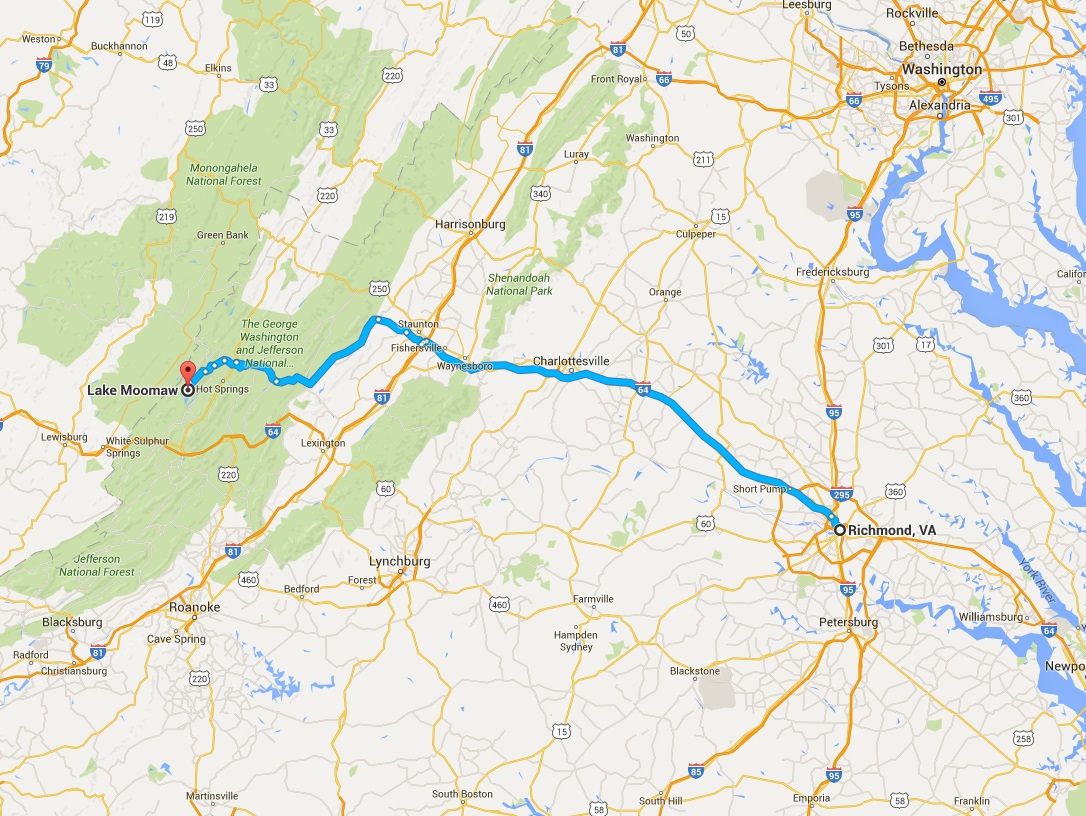
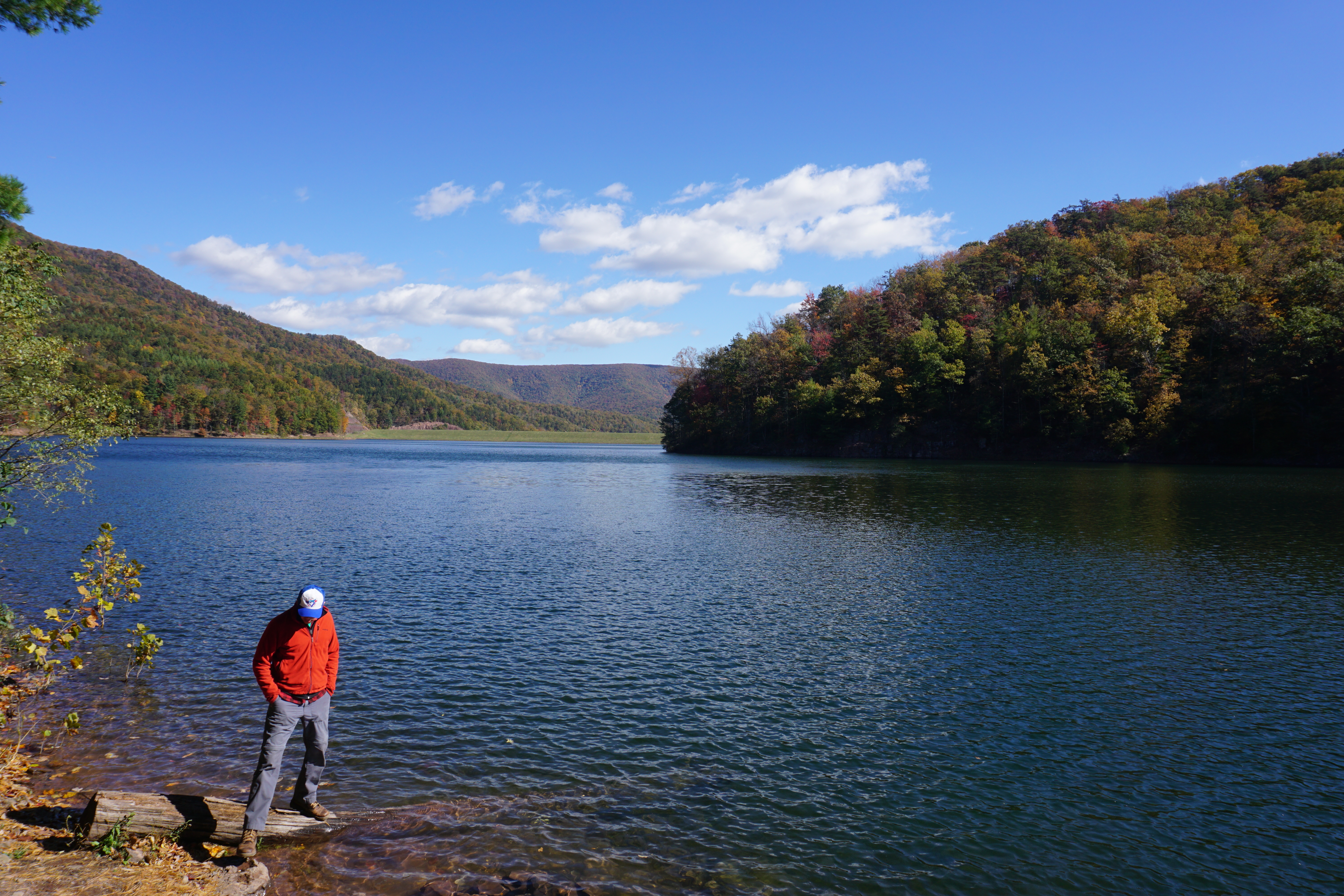
The leaves drifting from the trees in the Virginia mountains, signal the end to another canoe camping season. Min and I decided to go for one final run. It was unusually warm at Lake Moomaw up in the George Washington National Forest with temperatures in the 70s F during the day. It was a quiet couple of days with very little activity on the lake, and as usual we were the only paddlers on the lake. We had our pick of many campsites and enjoyed the peace and quiet. The only the sounds were from of shedding foliage, owls and birds of all types.
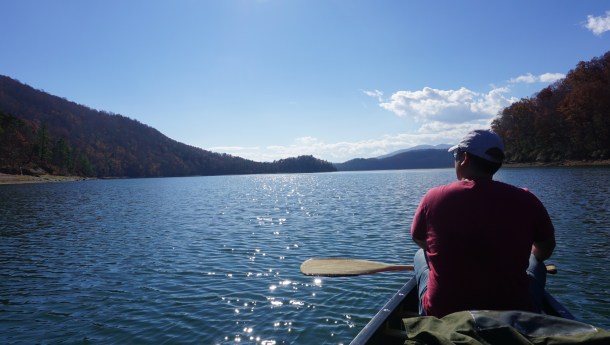


After setting up camp, we set out to gather firewood. One of the things I like most about Virginia camping is the abundance of firewood in these deciduous forests. There were countless fallen frees in the area that were nice and dry. The area also appears to be lightly camped and as such we did not have to look far to find what we needed. The Wetterlings Hunter’s axe with it’s wider wedge, made for light work of splitting in combination with my Ray Bears bucksaw. It was also a great opportunity to put my Finnish blade the “Enzo trapper” to use. It is a full tang work horse and can easily baton through wood to make kindling and is sharp enough to produce fine feathersticks.

We enjoyed some Japanese whiskey and took in the autumn beauty, Min even had some luck fishing off the coast. Of all the wildlife we heard, I was most surprised to hear the distinct cry of a couple of loons. Initially I thought my ears had deceived me – I didn’t think loons were this far south? However upon further research, it appears that many of them migrate south during this time of the year along the east coast and through Virginia.


Min was nice enough to prepare all of the meals for the trip. We ate some delicious chicken breasts with rice and beans for dinner. Min actually pre-cooked the chicken so all we had to do was heat it with the rice in the cooking pot. There’s nothing quite like a warm meal on a chilly night by the campfire. We ate under the stars with breathtaking visibility. The photos I took on this trip are from a sony a6000 that I’m still learning to use. In the morning for breakfast, we had egg white omelettes with green peppers and onions. Cooking with the Trangia alcohol stove is incredibly easy and has reduced preparation time drastically.


The stove weighs practically nothing and the fuel burns efficiently. We used to cook by campfire however soon learned that cleaning the soot off pots and pans took way too much time, not to mention the constant tending to the fire to assure a steady heat. The Svante Freden reflector oven from Sweden is also a must on canoe camping trips. It has been a trusty companion and we used it to to prepare some hot cornbread using a recipe courtesy of Ralph in Ottawa, Canada (much appreciated!).


To me, Lake Moomaw holds the title of a true Virginia gem. While there are several campsites in Virginia with lakes, only here can you get the backcountry experience of paddling to your site and setting up camp, far away from others. I can now say that I’ve camped here in 3 of the 4 seasons, spring, summer and now fall. Fall just might be my favorite. Great way to end the season.
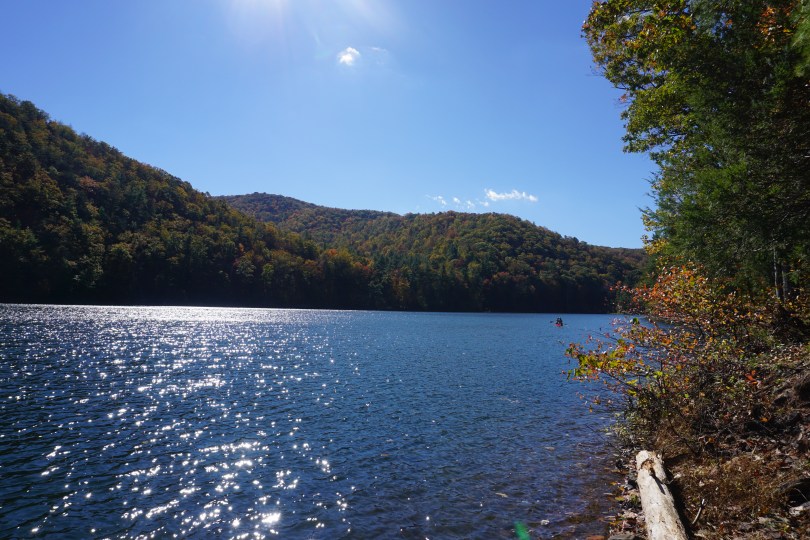
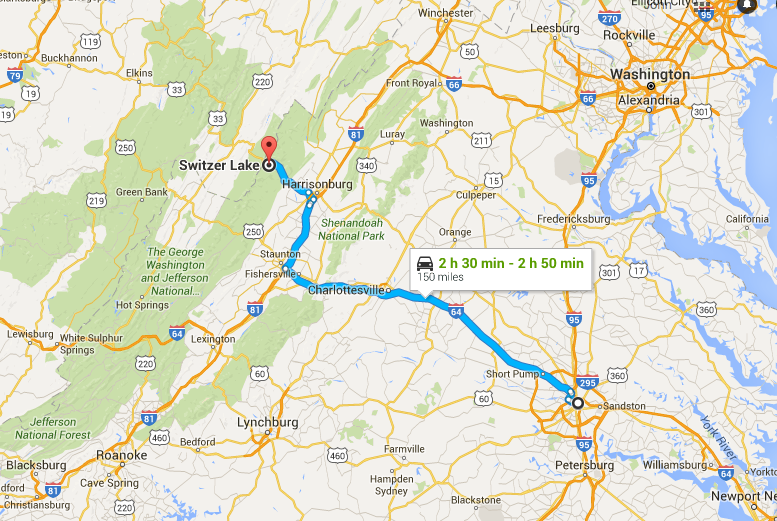
On the border of Virginia and West Virginia, at 2362 ft above sea level, lies the beautiful, Switzer Lake (aka Skidmore Dam, Skidmore Lake). The 118 acre lake serves as a water supply reservoir to the town of Harrisonburg, Virginia and watershed for the George Washington National Forest. When I heard that the lake did not allow gas motorboats, I wanted to go to check it out. We had actually planned for an overnighter but decided against it when the temperatures dropped.
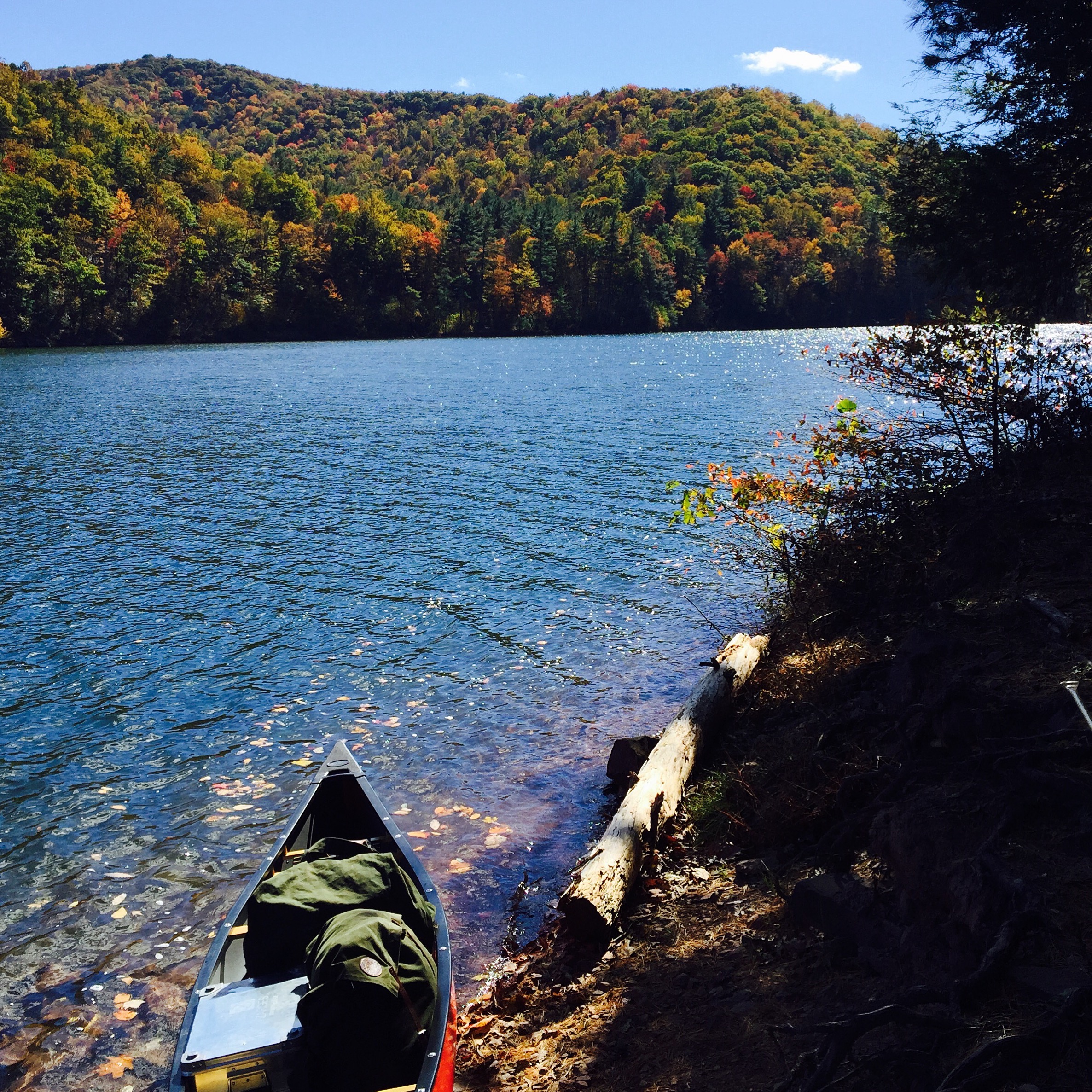
It was significantly cooler in the mountains at approx 45F. We also forgot to load our food cooler in the car….. a small detail. Nevertheless we made the most of the situation. We met some nice folks from Louisiana who gave us their stack of fire wood after exchanging camping stories and canoe trips. We made a huge fire and heated some naan on the stones. It was a windy but beautiful day with the leaves at near-peak colors and the clear lake, sparkled in the sun.


For those who plan to camp here, Switzer Dam appears to be a much more popular camping location than Lake Moomaw (located in Bath County) due to the ease of access to the campsites, most of which are drive-in camp spots. The lake is also only 30 minutes away from James Madison University, and is a popular place to hang out. The lake is stocked with brook trout and the surrounding rivers and streams in the area also have healthy populations to fish.


I have heard conflicting stories about whether camping is allowed immediately next to the lake. I think the best way to find out is to call ahead and ask which areas are permitted. There are several campsites situated in the forest, just a tad farther from the lake that appear to be safe spots to camp.
Since this is not an official camp ground, Lake Switzer doesn’t have the benefits of regular site maintenance. So it’s up to us to keep this place clean. It kills me when I find beer cans, tin foil, fishing line etc at campsites. Remember to pack out whatever you bring in!

Watch a video of “Temagami 2015” here
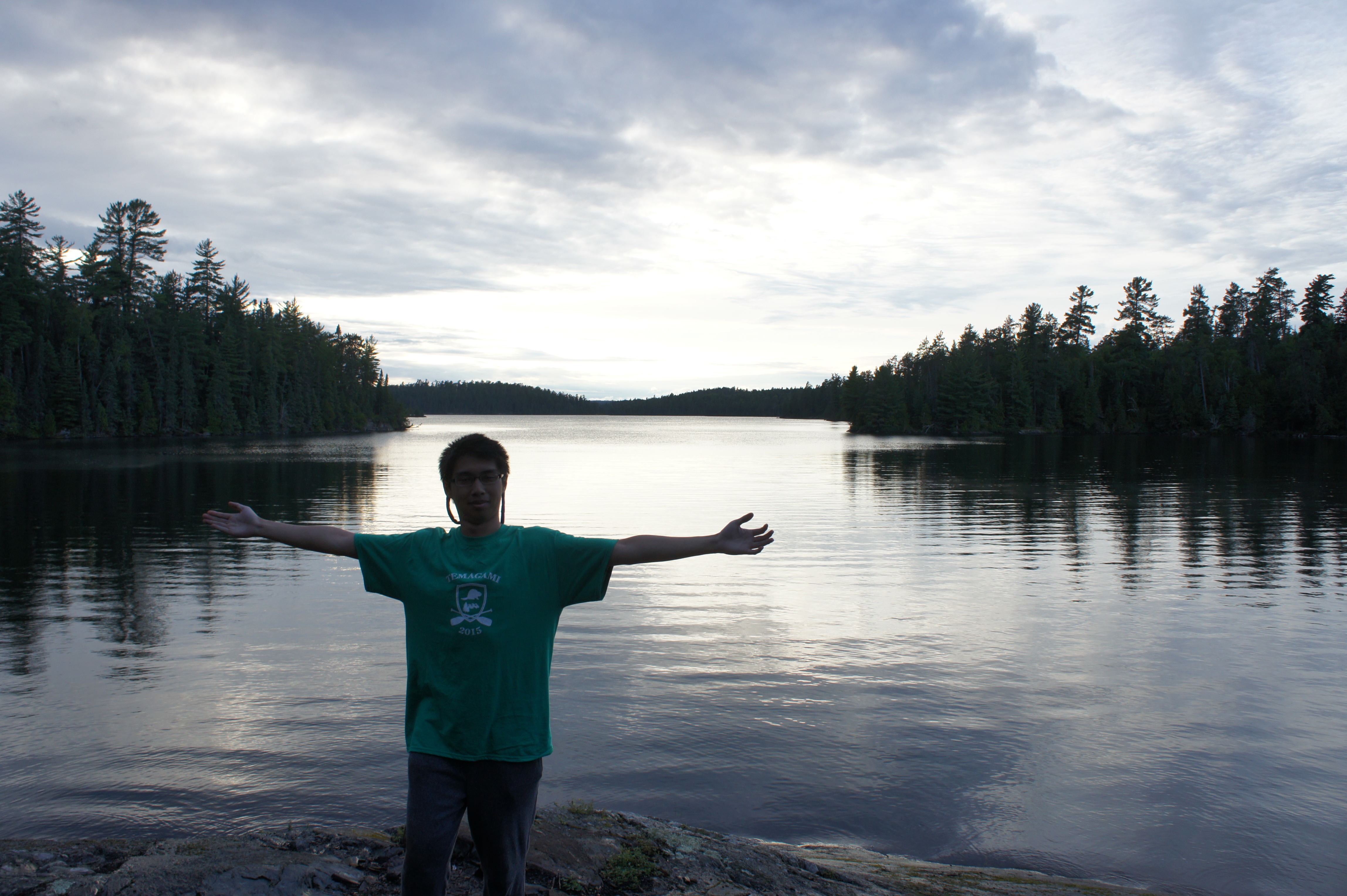
I have always wanted to share the magic of the north with those who have never been there. Stories and photos could only tell so much; the feeling of sitting on a rock island, drinking hot coffee while listening to the cries of a loon can only be experienced. When I stopped by Toronto to visit my cousins after Killarney 2015, they took one look at the photos and decided they wanted to go on the next trip. All I needed was the spark of interest to set the trip planning in motion. After setting the launch date for August 22, 2015, I began mapping out the route. I’ve always wanted to paddle the waters of Temagami in Ontario, what I better way to experience it than with two first timers. I wanted it to be a trip they would never forget. I went all out and designed t-shirts for the trip on CustomInk. It actually turned out halfway decent.


So, on August 22, 2015, Brian and I left Richmond, VA to head to Toronto to pick up our cousins Andrew and Eric. From there, it would be another 4 hours to Temagami. We spent the night of the 22nd in Toronto, helping my cousins pack and trying on watershoes and prepping our gear. In the morning, we finished the drive, stopping only at North Bay to take a quick look at the town and eat some lunch at a restaurant called Cecil’s.


We arrived in Temagami at about 6:00pm, from there we head to our lodging for the night, a place called Loon Lodge nestled on an island on Lake Temagami. The lodge is owned and operated by a very nice couple, John and Jenny. I had never stayed at a lodge like this before, it was Canadian in every way. Outside were forest green, restored Keewaydin Camp canoes resting by the dock, plaques of trophy Pike and Walleye hung from the cabin walls, hummingbirds drinking from the feeder and a portrait of Grey Owl displayed proudly in the dining hall. Needless to say, we were in love with the place. We spent the evening swimming and diving off the docks, racing canoes and enjoying the glory of a Northern summer.


August 23, 2015: Monday morning, we each ate a giant breakfast at the lodge. I had forgotten how good Canadian sausages were. A couple of boys related to the lodge owners joined us and told tales of their fishing victories against giant Northern Pike. After breakfast, we packed up our gear and began navigating through Lake Temagami. Our journey had officially begun. We battled choppy waters and headwinds towards Diamond Lake. Halfway into the paddle and several hours later, we came to the realization that we would have to chose a different route.


The water was far too rough and we raced against threatening storm clouds that turned the water black. With such an open view of the wilderness, we could actually see the rain approaching. The drumming of rain hitting the water became louder and louder until it was finally right over our heads. After paddling a total of 20km that day, we made our way past the Keewaydin camp and into Upper Kokoko Bay where we found a nice rock campsite. I could tell Brian was excited, he’s been interested in the Keewaydin camp for quite some time now. One of the oldest camps in North America, they teach traditional camping and canoeing skills; paddling with woodvas canoes, hauling wannigans and portaging with tumplines. Their camps are broken up into sections of boys and girls. Some of the more experienced sections even take expeditions up to the James Bay. I was surprised to learn that Grey Owl actually was a member of the camp in his youth.


It was pouring by the time we reached the campsite. Brian and I worked quickly to set up the tarps while Eric and Andrew gathered firewood to dry our clothes. We had spicy curry chicken and chickpeas for dinner with a nice loaf of bannock, salami and cheese. The boys had ferocious appetites. As the night wound down, it was clear we were all exhausted. The sound of wind and rain rapping on the tents didn’t even hinder our sleep.


August 24, 2015: We woke up to a chilly morning and lowered the food barrel from the trees. It was time to make some breakfast. Scrambled eggs with cheddar cheese slices in tortilla wraps. Eric and I later took the canoe for a paddle around the bay in search of walleye, while Brian took Andrew for some canoe lessons. He was a natural paddler and was even starting to get down the J-stroke. This afternoon was actually the longest stretch we had on the trip without rain. We found a small rock island where we set our canoes and soaked in the passing sunlight. For dinner we decided to cook some chili with baked corn bread using the reflector oven. The corn bread is definitely something I will be adding to my camping menus, very easy to make and actually really good. For desert we ate smores and drank tea, coffee and hot chocolate. The clouds passed just long enough for us to get a great view of the big dipper.


August 25, 2015: We woke up to yet another morning of overcast. It actually took us a few hours to eat breakfast and pack up all of our gear for the paddle home. At this point, we polished off the remainder of the food. I actually originally planned for an additional day and night out in the backcountry, but our food supplies were low, the fishing unsuccessful and the rain persisted. We decided to head back and get an extra day in at the lodge. We had a 6 hour paddle ahead of us and it was time to feed these guys. We made all 12 packs of oatmeal, as well as the mac and cheese with tuna.
 With satisfied bellies, we made the easy paddle to the portage site. It would be a 570m portage and we were dreading it. It was wet, slippery and the mosquitoes were out. The fiberglass canoes were much heavier than kevlar. In addition, the yokes were not formed very well. We decided to assign two men per canoe for the portage and it ended up saving our spines. The paddle home was much more scenic than the way in. Kokoko Lake had several beautiful island campsites with Jack Pine scattered throughout. There were also shallow marsh regions which reminded me of Algonquin. We then reached our second portage a short 120m that was even rockier. After a quick snack break of gorp, salami and dried fruit we paddled through the beautiful and peaceful Kokoko bay. The water was calm and the paddling was smooth. The boys have come a long way since the beginning of the trip. Their paddle strokes were now powerful and consistent. Despite the rain and overcast, the beauty of Temagami was overwhelming.


Upon reaching Loon Lodge at 7:10pm (closing time at 8:00pm), we were happy to see John and Jenny once again. We were all starving. John fired up the grill and we ate massive meals of fish and chips, burgers and poutine. After the feast, we carried our gear to the welcoming and familar common room of the lodge. We were cold, our faces weathered from the wind, our muscles sore from paddling. We each took turns taking hot showers and felt like kings. I don’t think the feeling of dryness and warmth could never be appreciated enough. We hung our clothes by the imitation fireplace and watched Steven Seagul movies on Canadian television. It amazed me how easy it was to get dry indoors. While we were out in the upper Kokoko bay, hanging the clothes out to dry was basically futile against the intermittent showers and wind. Even during times of sunshine, there was an invisible mist of humidity which kept things damp.


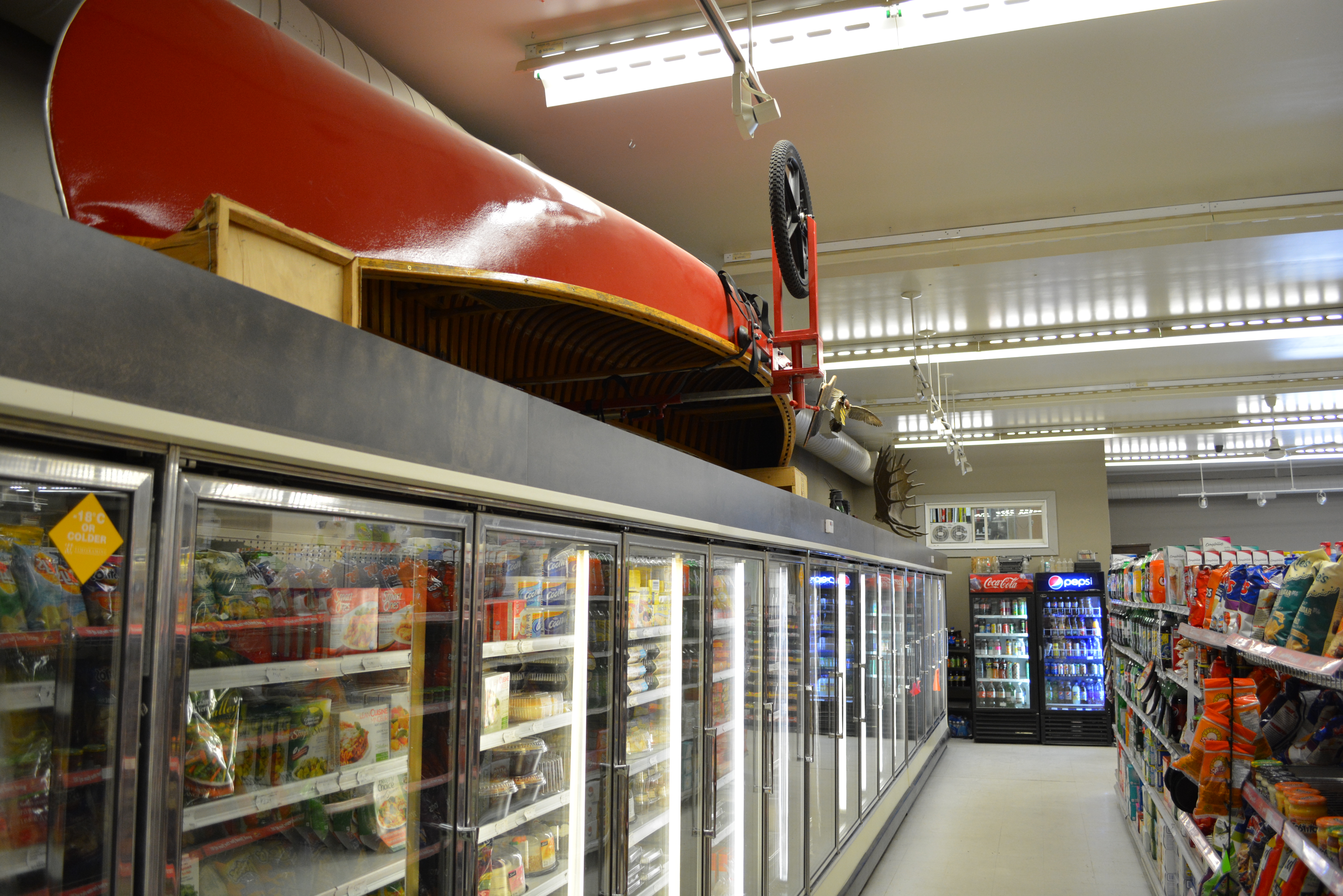
The next morning we packed up early and said our goodbyes to John and Jenny. John gave us a boat lift back to the access point and we loaded up the car. They seemed likely truly genuine nice people. As we were driving down the Temagami lake access road, the corner of my eye caught sight of a whole family of bears. One mama bear and 4 cubs. The tradition holds true! An epic wildlife sighting at the end of every trip. Tradition recap: Algonquin 2014 (moose), Killarney 2015 (black bear), now Temagami 2015 (family of black bears). The perfect exit to our time in the Temagami wilderness. We decided to explore the town, and hit up markets and local businesses. Andrew ended up buying a dreamcatcher, a necklass and bracelet. I ended up buying some local gin by a distillery near the Georgian bay. Brian picked up a case of beer. We picked up grapes as well and ate lunch in the town, fish burgers with poutine. We also visited an old site where they made wood canvas canoes many years ago. It appeared that the shop was no longer in use.


Before leaving the town, we decided to make the climb up the Temagami firetower. It was a high climb with 157 steps to reach 100 feet. It stands on top of Caribou Mountain 400′ above town and 1300′ above sea level. The scenery was beautiful as we marveled at the boreal forest and Canadian shield while a beaver plane took off for an adventure.
The main reason I wanted to go on this trip was to immerse my cousins in the experience of true backcountry camping. By the looks on their faces, I knew they had a good time despite rain for four straight days. In a short time, they learned the basics of canoeing, they learned how to make fire with wet wood, they filtered water, they looked after one another and they cooked meals in the wilderness. They portaged difficult trails and carried heavy fiberglass canoes from lake to lake. I think most importantly, they learned the lesson of delayed gratification. If it’s raining, it’s okay to be uncomfortable, wet and cold, as long as you are working to improve the situation.
 Setting up tarps, gathering firewood is all hard work under wet conditions, but knowing that we will be warm and dry once again is something to work for. Portages are difficult, but they too are conquered one careful step at a time. By enduring these difficulties that not many people are willing to take on, you are rewarded by being present in the splendor of Canadian wilderness.
 WAY NORTH