
A short video of our hike through St. Mary’s Wilderness in George Washington National Forest. Filmed on Sony a6000 with 35mm/1.8, iPhone 11, and Sony FDRX3000

A short video of our hike through St. Mary’s Wilderness in George Washington National Forest. Filmed on Sony a6000 with 35mm/1.8, iPhone 11, and Sony FDRX3000
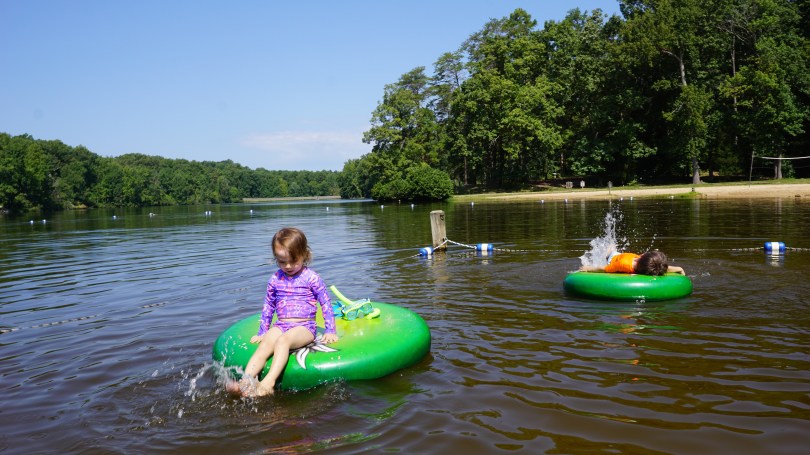
As a father of 3 little children, I find that I appreciate the Virginia state parks more and more each year. Before kids, I loved trekking, camping and canoeing in wilderness areas, far from civilization. Although this can still certainly be done with kids, mine are still a little too young. For now, they are absolutely loving the state parks and all of their amenities, such as pools, bathrooms and showers. The trails are always well kept and the parking lots allow for easy transport of the munchkins.

We’ve had a few chilly mornings lately, signifying the near arrival of autumn and the school year. I wanted to get outside with them before they started school. The weather forecast was set for a high of 87F and sunny, it was our chance to explore Bear Creek Lake State Park in Cumberland, Virginia. The drive was easy, less than 1 hour from Richmond and the empty lake on a Wednesday was perfect.

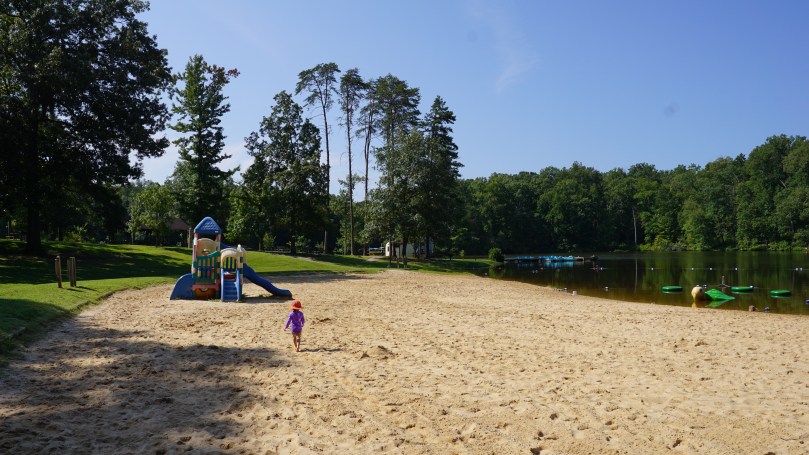
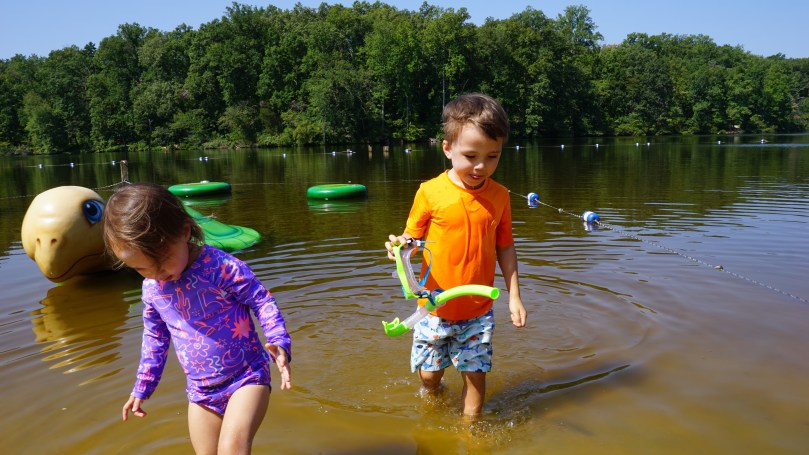
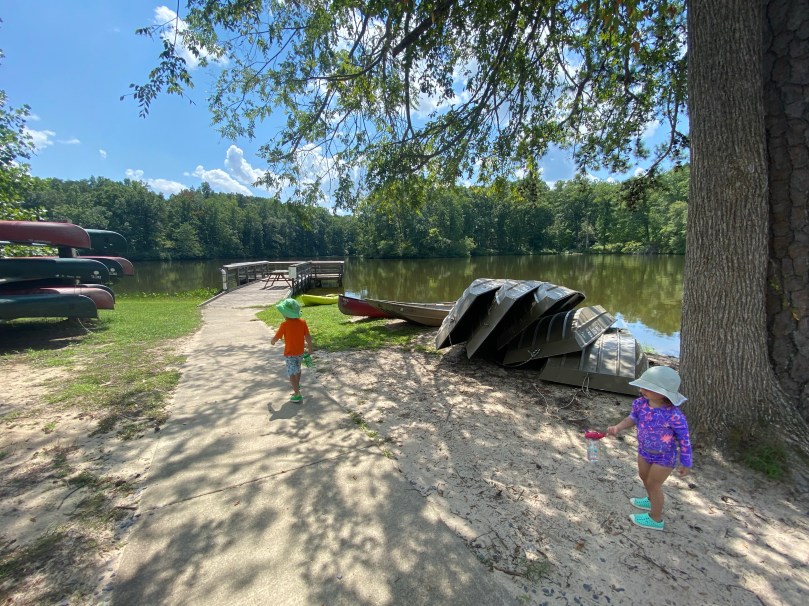
The park is a modest 329 acres, but the beach lake access and boat ramp with playgrounds was perfect. As true Canucks, these guys overheat easily, so we were stoked about the ample shade provided by the towering oaks and tulip poplars. The beach area was well kept with canoes, kayaks and paddle boats for rent. The spent their day swimming and playing in the sand. These little guys played their hearts out as the final days of summer approach. School is around the corner!
Stay safe and healthy out there everyone.


8/6/2022 – It’s been 6 years since I’ve stepped foot in St. Mary’s Wilderness, located in the vast and spectacular George Washington National Forest. I’ve hiked and camped here before in the Spring and Fall however I’ve never hiked through in the heart of summer – for good reason. The trail on this hike is generally poorly maintained because it is a designated wilderness area. Pink ribbons tied to branches outline the trail and most easily visible during spring and winter when the trees are bare. I wanted to take my son and my brother to this area to beat the summer heat and swim in the cold spring waters and to get to the St. Mary’s waterfall – where there are deep pools and cliff jumping.
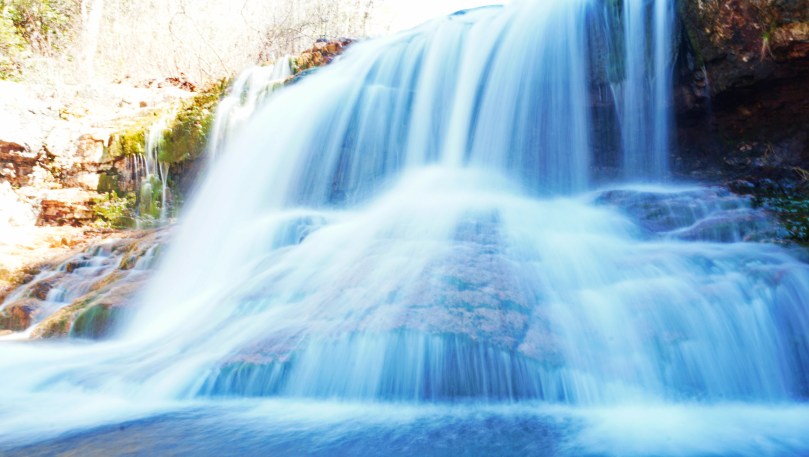

We arrived on Saturday morning at approximately 10:00am. The parking lot was full but we had no trouble finding parking on the side of the roads. The directions to the trail are very straight forward and the road is well maintained. The summer heat brought numerous visitors, all with towels and bathing suits ready to dip in the ice cold spring waters. The lush green vegetation blanketed everything including parts of the trail.
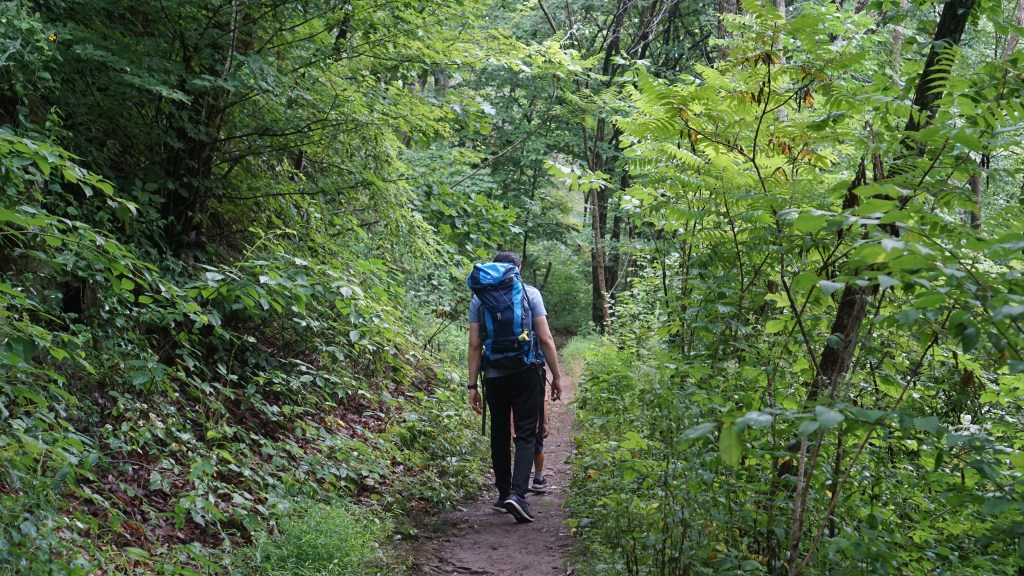
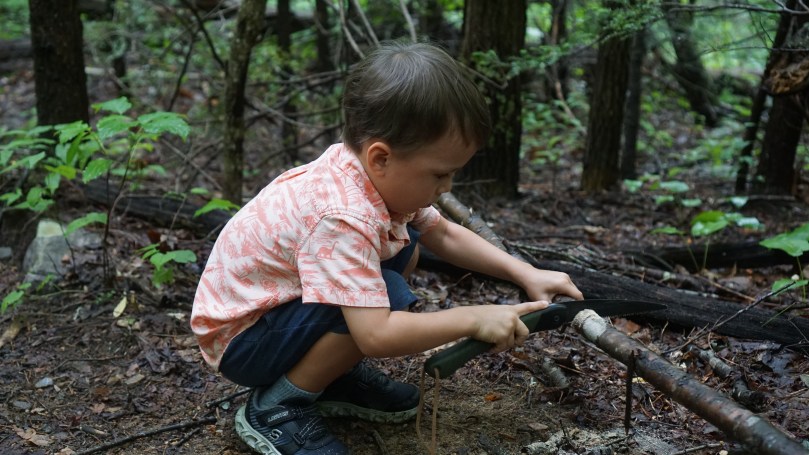

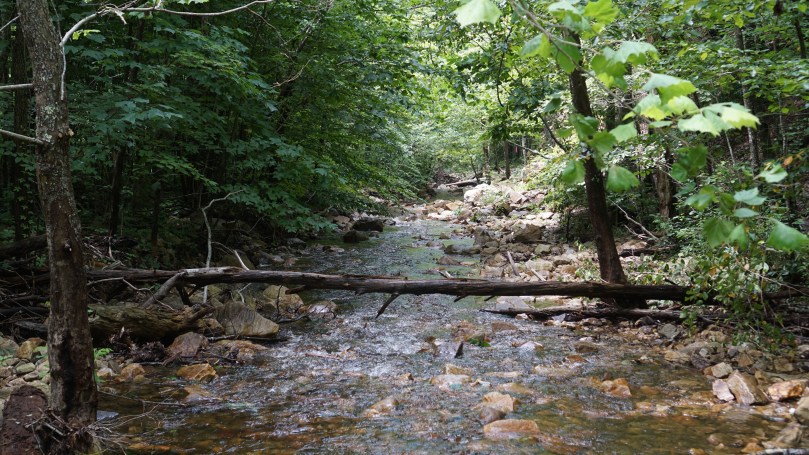
I realized early into the hike that we were not going to make it to the waterfall. There was heavy rain the days prior and everything was wet and it took plenty of time to navigate with my son. So we decided to just take it slow and enjoy the hike. He’s currently into mushroom identification, and he spent a good amount of time combing the forest floor. The butterflies were also in full force, so he marveled at the sight of dozens of them near the stream. He made hiking sticks with his trusty laplander folding saw. I let him pick one of the deeper pools to swim in as promised before the trip. He was thrilled at the idea of swimming in ice cold spring water.


After a much needed swim and some lunch. We slowly made our way back to the car. As we left, my son reassured me that we were coming back to get to the falls next time. He had an awesome time in St. Mary’s Wilderness.
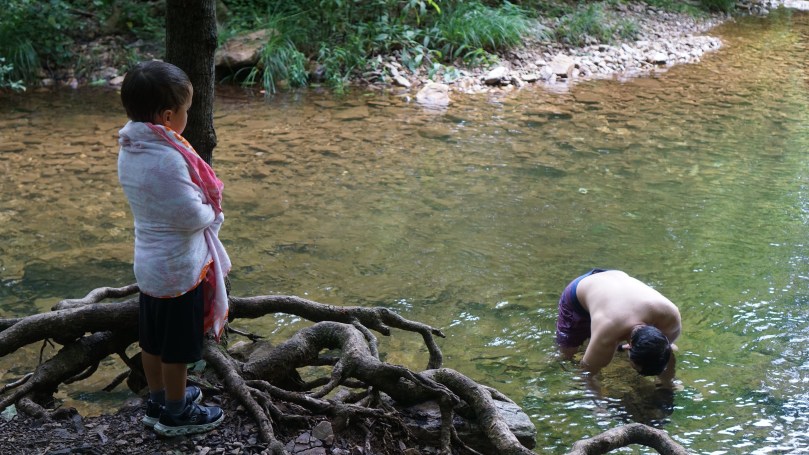
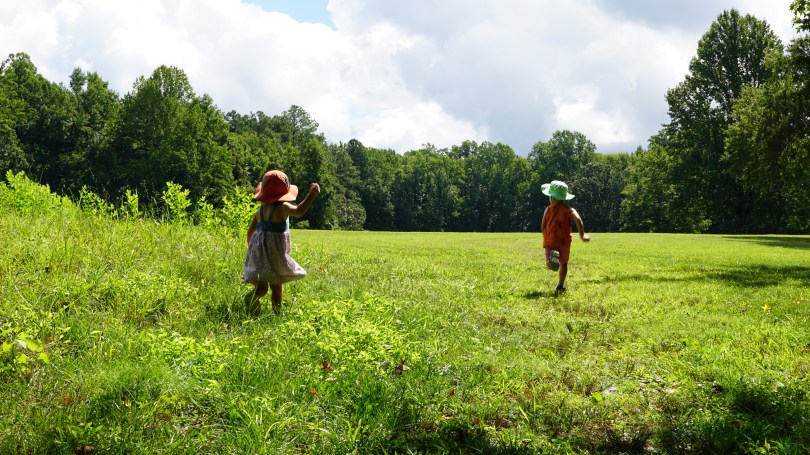
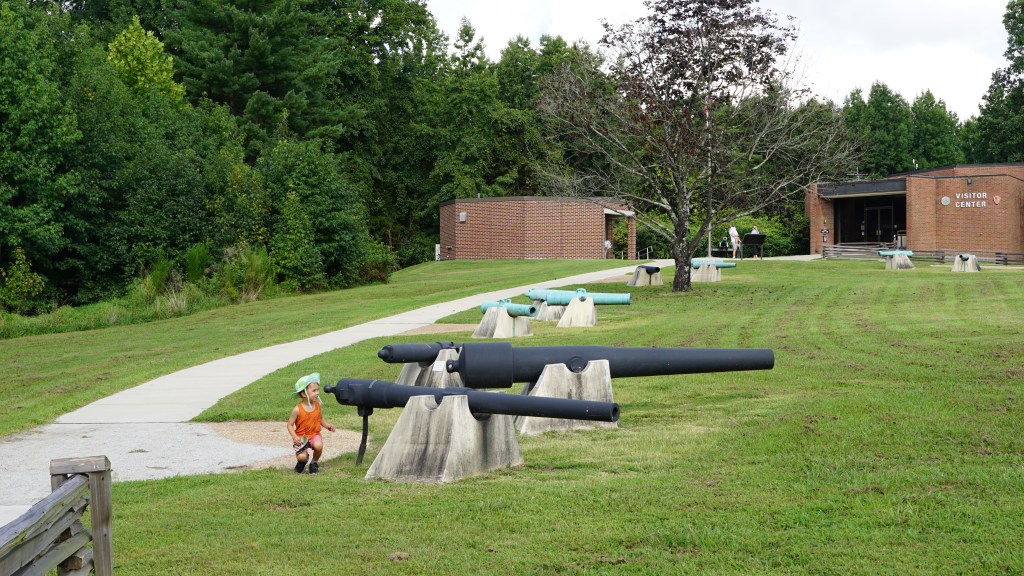
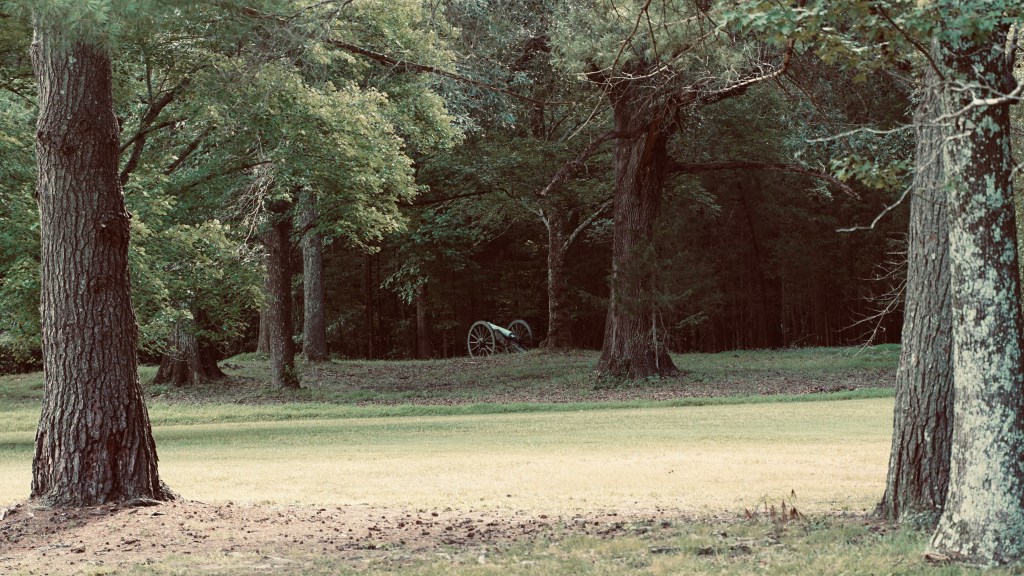
The city of Petersburg is a short 40 minute drive away from the capital of Virginia, Richmond. These two cities played pivotal roles in the American Civil War. It was here, where the final days of the civil war were fought. The “Siege of Petersburg” was a series of battles fought from June 9, 1864 to March 25, 1865 that led to the end of the civil war.
“Nine and a half months, 70,000 casualties, the suffering of civilians, thousands of U. S. Colored Troops fighting for the freedom of their race, and the decline of Gen. Robert E. Lee’s Army of No. Virginia all describe the Siege of Petersburg. It was here Gen. Ulysses S. Grant cut off all of Petersburg’s supply lines ensuring the fall of Richmond on April 3, 1865. Six days later, Lee surrendered.” – National Park Service
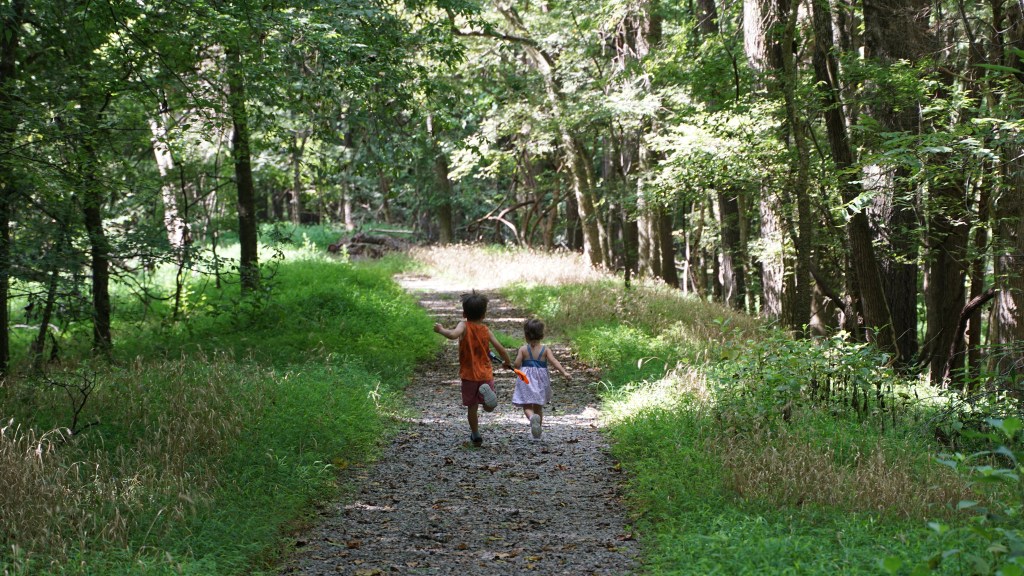
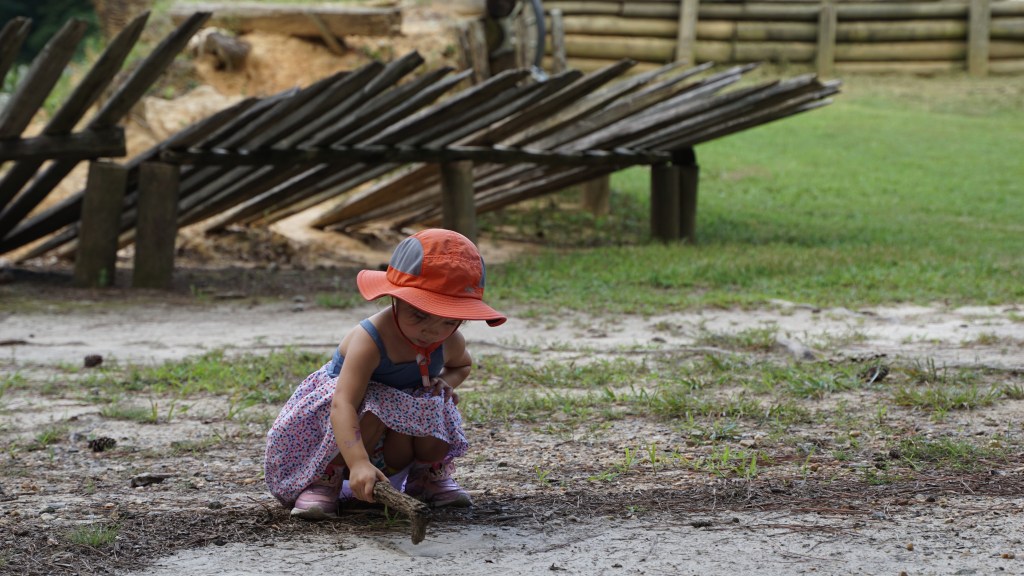
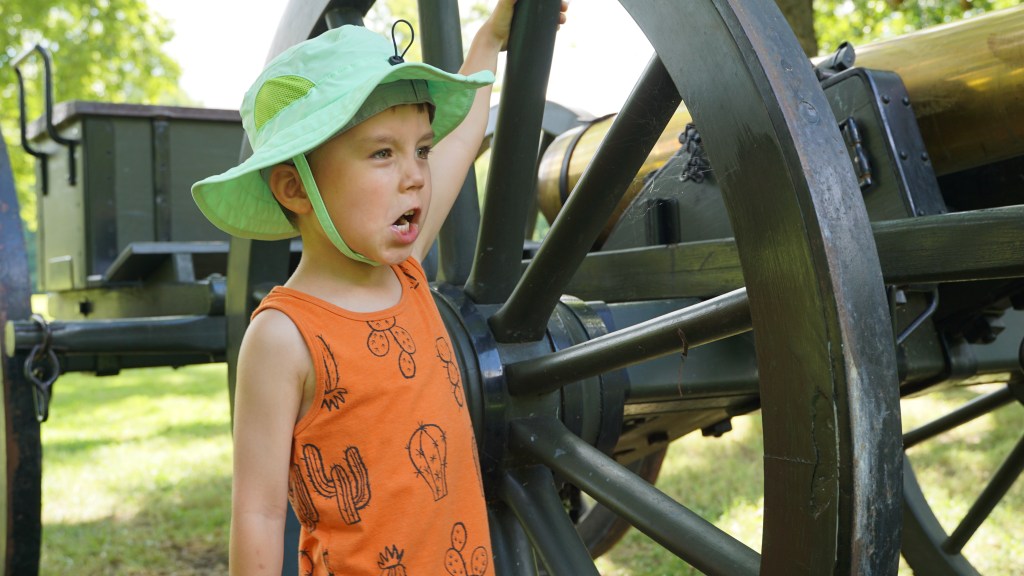
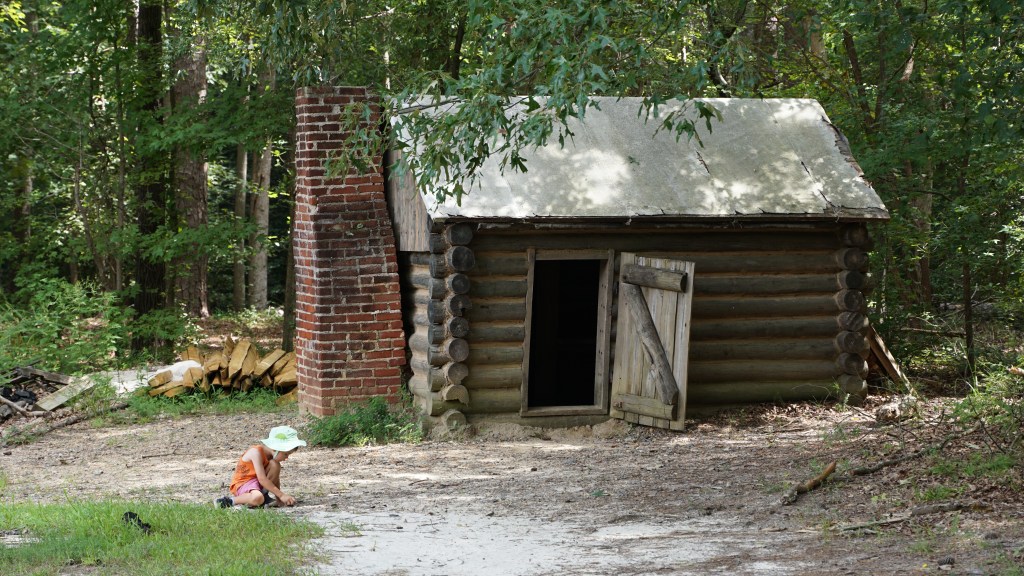
I wanted to take the kids out for some epic learning and exploration. We have never actually spent any time in Petersburg, but the park was certainly impressive. There was loads to see and we explored just a small fraction.
Photos taken on Sony a6000 w/Tamron 28-75mm lens
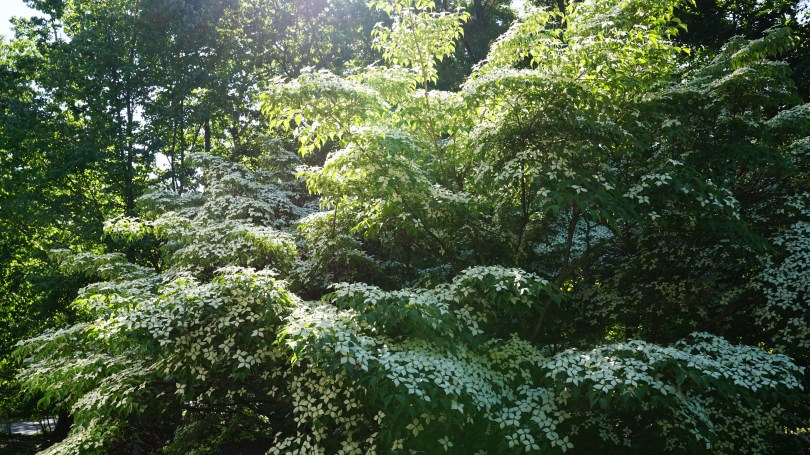
It’s been a while since I’ve edited any videos, so when the inspiration flows you just go with it. This is a video of spring 2022 in Virginia. Lots of cherry blossoms and flowers. It has actually been a really nice spring. Stay safe and healthy everyone.

The Eastern Shore of Virginia is separated from the mainland of Virginia by the Chesapeake Bay. This 70-mile long stretch of sandy and deep soil terrain is a peninsula with over 78,000 acres of protected parks, refuges and preserves and a national seashore. The region’s tourism affirms “You’ll Love Our Nature”.


Cape Charles is a small town, at the southern tip of the eastern shore, with a population of 1009 (2010 census) yet it boasts a vibrant, historic downtown, beaches, restaurants and a quaint and charming scene. I love communities by the ocean. There is something carefree about being able to here’s something about being able to smell the ocean while walking through neighborhoods that puts you in a carefree mood. The slow pace of the town, follows the cadence of the gentle waves that roll in from the bay – the beaches are very kid-friendly for this reason. The beach faces west toward the Chesapeake Bay and hence has very flat water, it is protected from the Atlantic Ocean.
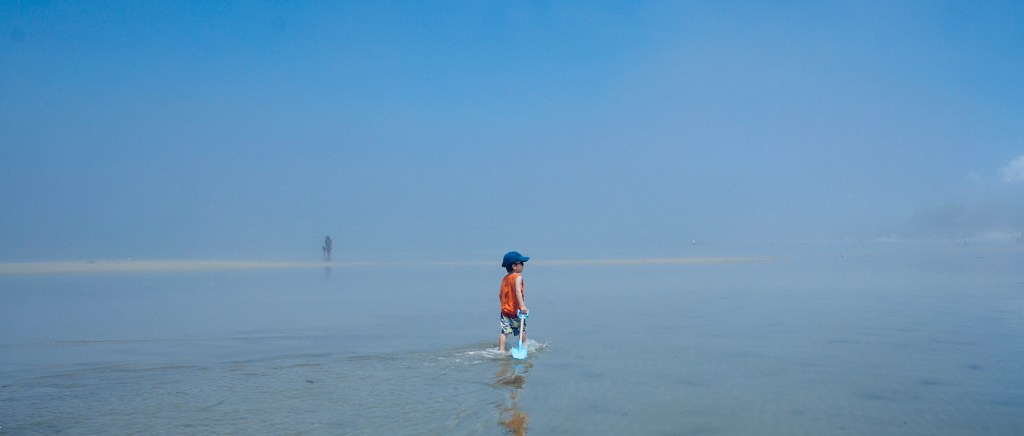

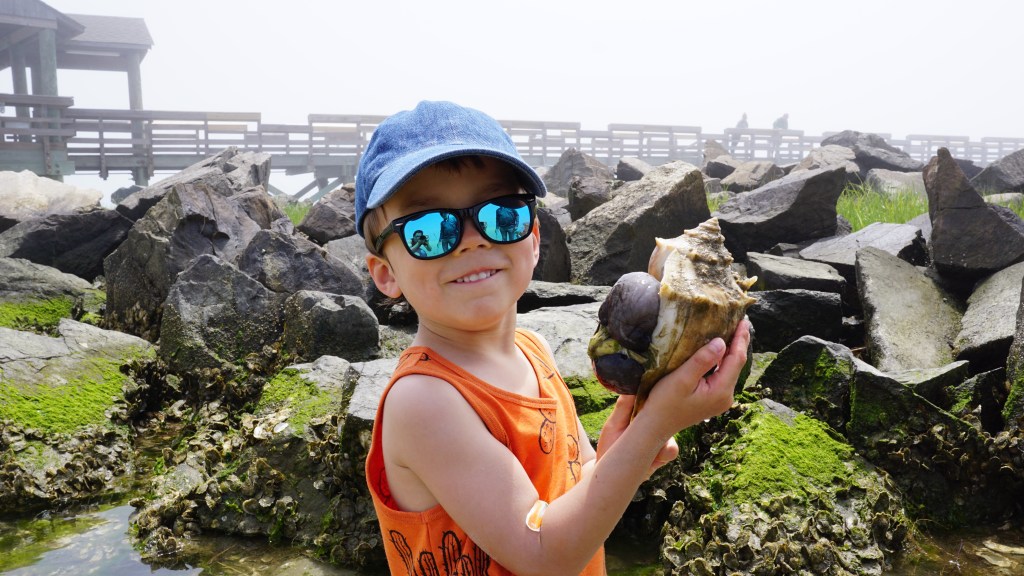
With a newborn in tow, we couldn’t ride the golf carts. But bicycling was even better for the kids. The quiet town had plenty of sidewalks for the kids to zip through safely. There were lots to see, ice cream shops, gift stores, restaurants and history. Central Park in the heart of the historic district was a place that we frequented for its large field and playground area.


Our last full day was spent exploring Kiptopeke State Park, located at the southern tip of The Eastern Shore. It was an easy 15 minute drive to the park entrance. This state park is known for it’s migratory bird watching, beaches and The Concrete Fleet, several concrete ships that were partially sunk to create the Kiptopeke Breakwater. During World War II, 24 concrete ships were contracted by the U.S. Maritime Commission, in 1948, 9 of these ships were brought to Kiptopeke to protect the ferry terminal during severe thunderstorms. The Chesapeake Bay Bridge Tunnel was open in 1964 and the terminal was no longer needed. The concrete ships are still in place to serve as a break water for the beaches.


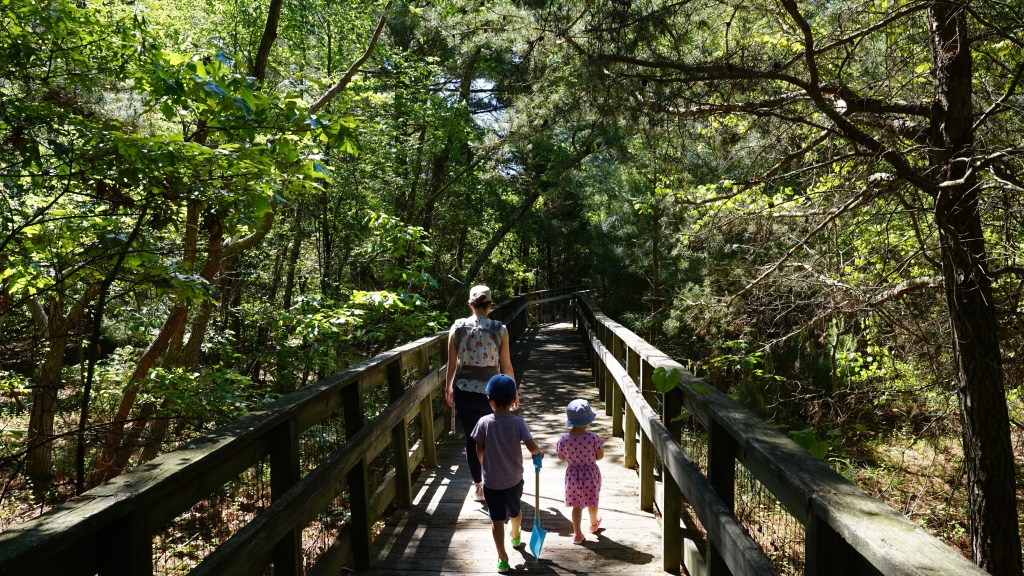
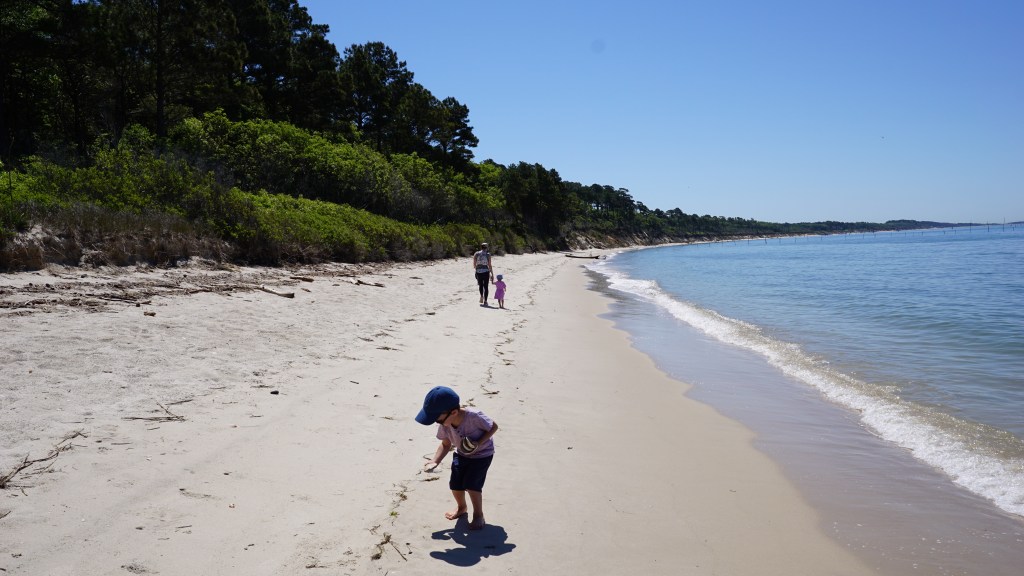
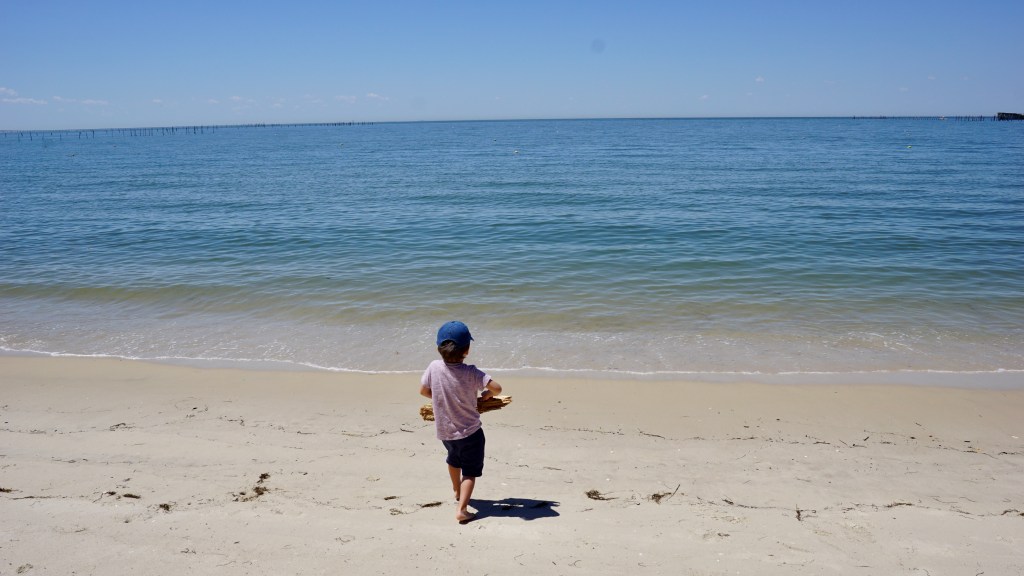
A 0.3 mile board walk through the shaded beach forest takes you to the beach. We arrived in the early morning, and had the beach to ourselves. We spotted a nice shaded area along the tree line some ways away. It was a bit of a hike to get to, but was pleasant and the kids collected shells along the way. The water was clear and the views were great.

Before we knew it, our 5 days were up. There was much to still see of the eastern shore. Alas, Tangier and Chincoteague Islands will have to wait for another trip. We explored only the southern tip of the eastern shore, and it was pretty awesome.

Some of my favorite shots this Spring season. All shots with the oldie but goodie Sony a6000. Stay safe and healthy everyone.

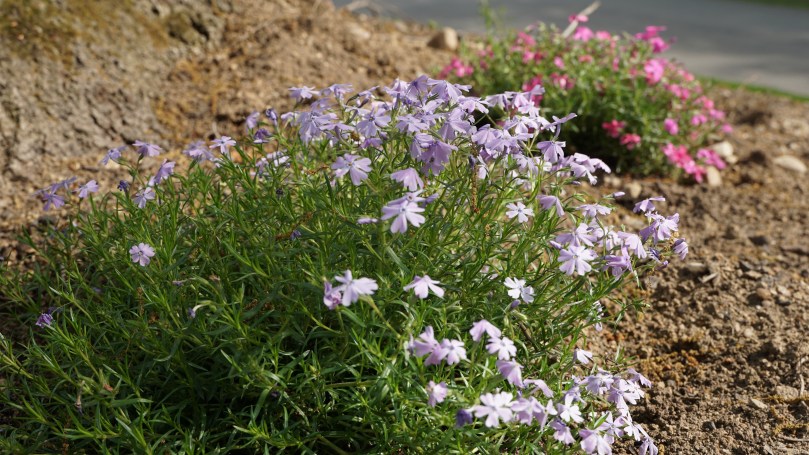
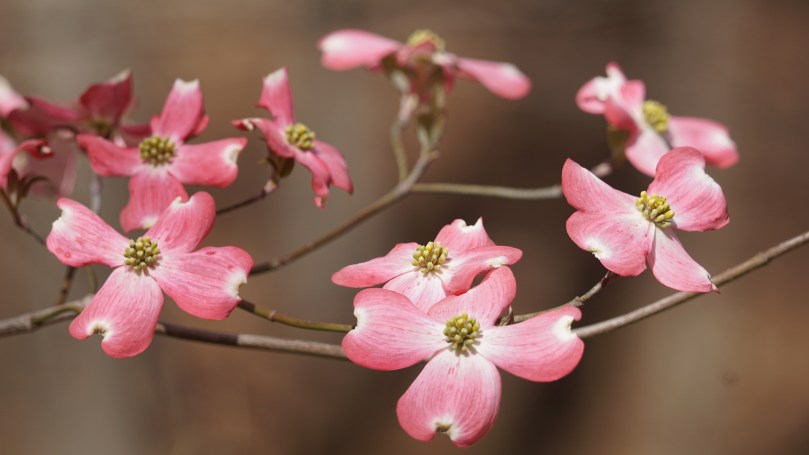


After almost 2 years of growing, my son and I were excited to harvest our first bag of Chesapeake Bay (Eastern/Virginian) oysters. It has been several months since our last check on the float, we found the whole thing was actually submerged due to the weight of the now much heftier oysters. This was really not an issue, as the oysters were protected in a cage. When we initially placed these guys in their cage, they were called “spat” not much larger than big sunflower seeds. After 2 years of filtering the brackish waters of the bay, several of these guys were actually larger than 4 inches! This was our first growth cycle, and it has certainly been an interesting and fun experience.

While we sat around the grill preparing a feast, we reflected on what we have learned:
7. Be safe when shucking oysters. Wear proper gloves when handling the cages and the oysters as their shells can be razor sharp.
Be safe and have fun.
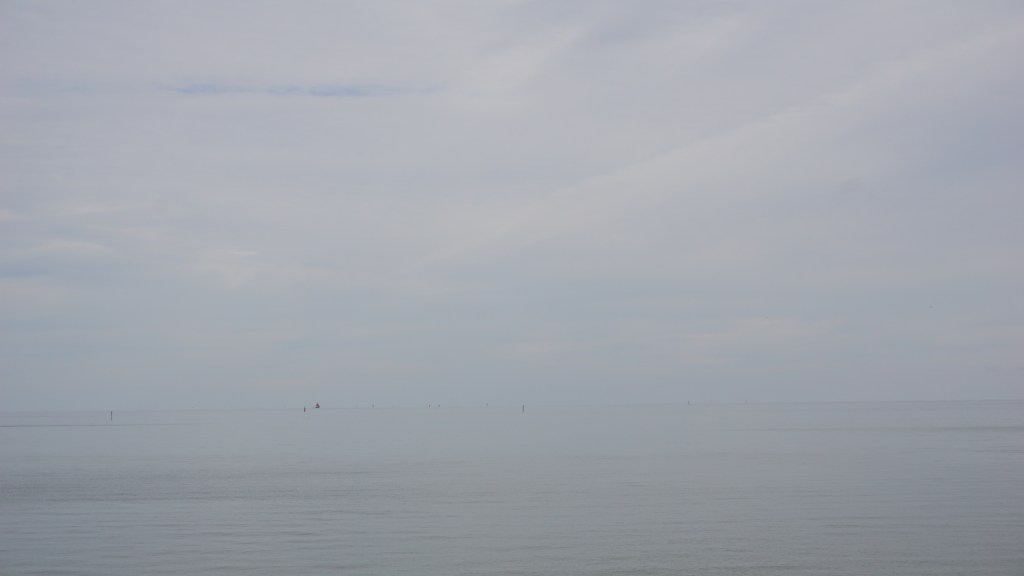
Fishing Bay, Chesapeake Bay. Fall 2021
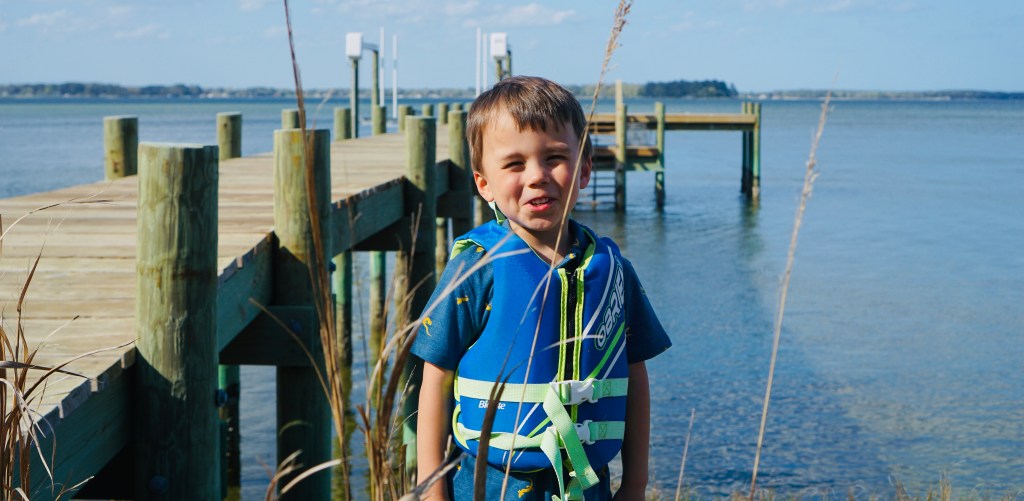


In typical Virginia fashion, we have experienced all 4 seasons in the past few days. There were days when I was out in a t-shirt, and then shoveled some snow the next day. Nevertheless, the first signs of spring have finally made their appearance. I’ve noticed some cherry blossoms beginning to bud and the occasional days of full sunshine beating on the face is certainly welcoming after another long pandemic winter. The warmer temperatures in the shop, is also helping to motivate me to get some things done.


After building our steam box, we really haven’t had a chance to do much. I have mostly been reading, and researching the art of canoe restoration. It definitely seems like a daunting task however, one that we willingly take on. I honestly believe that it might be easier to build a canoe from scratch, this one looks pretty beat up. Most of the ribs are cracked in more than one place, the gunwales are spent and the stems on both ends have suffered some degree of rot. The decks actually appear to be in decent shape and the seats as well. All of the diamond Old Town Canoe bolts will be changed out for new ones, and probably all of the planking will have to be replaced. I’ve actually really enjoyed reading about boats, and different properties of wood and the structure and framework of canoes. It doesn’t matter how slow you go as long as you don’t stop…

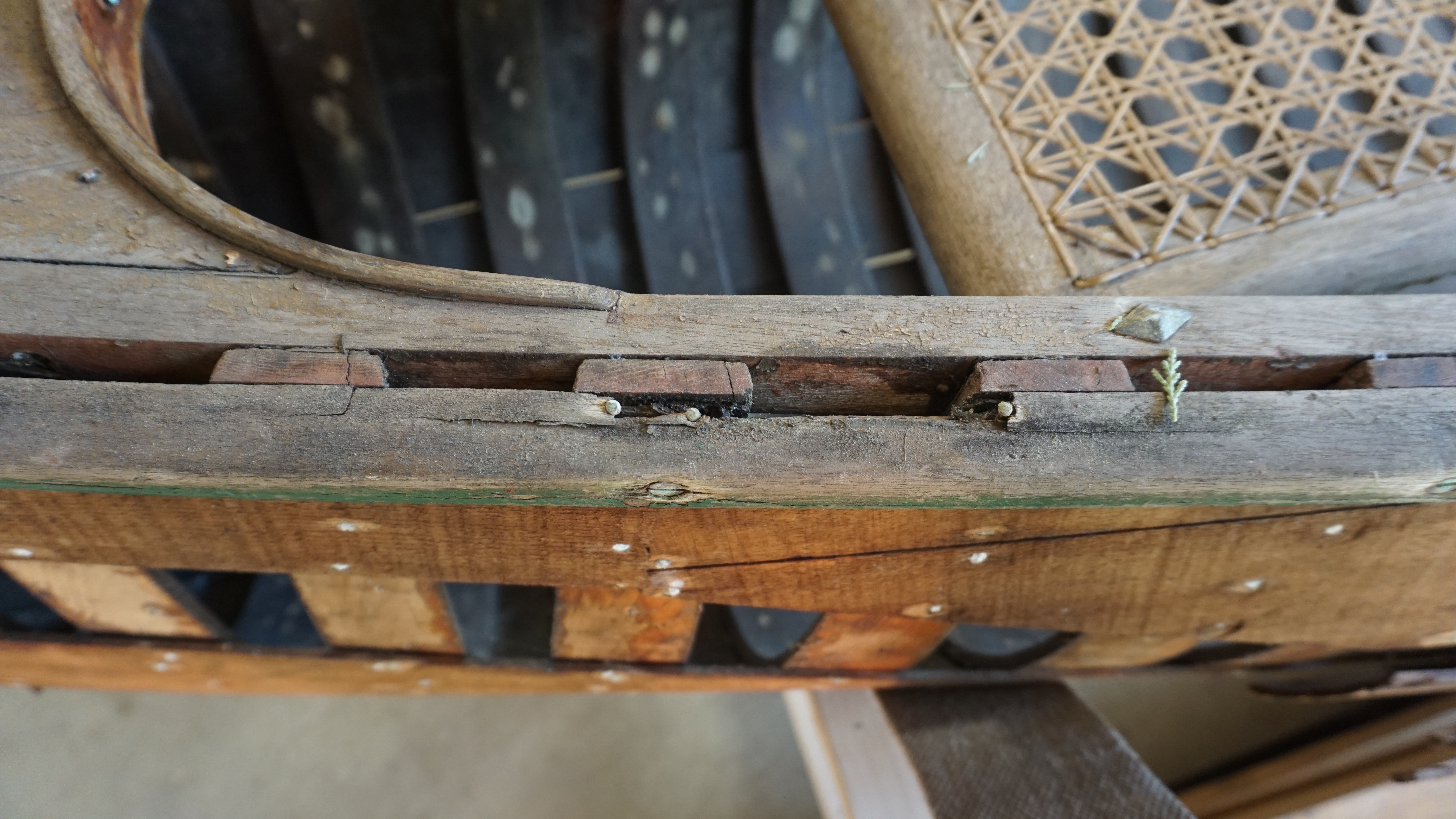


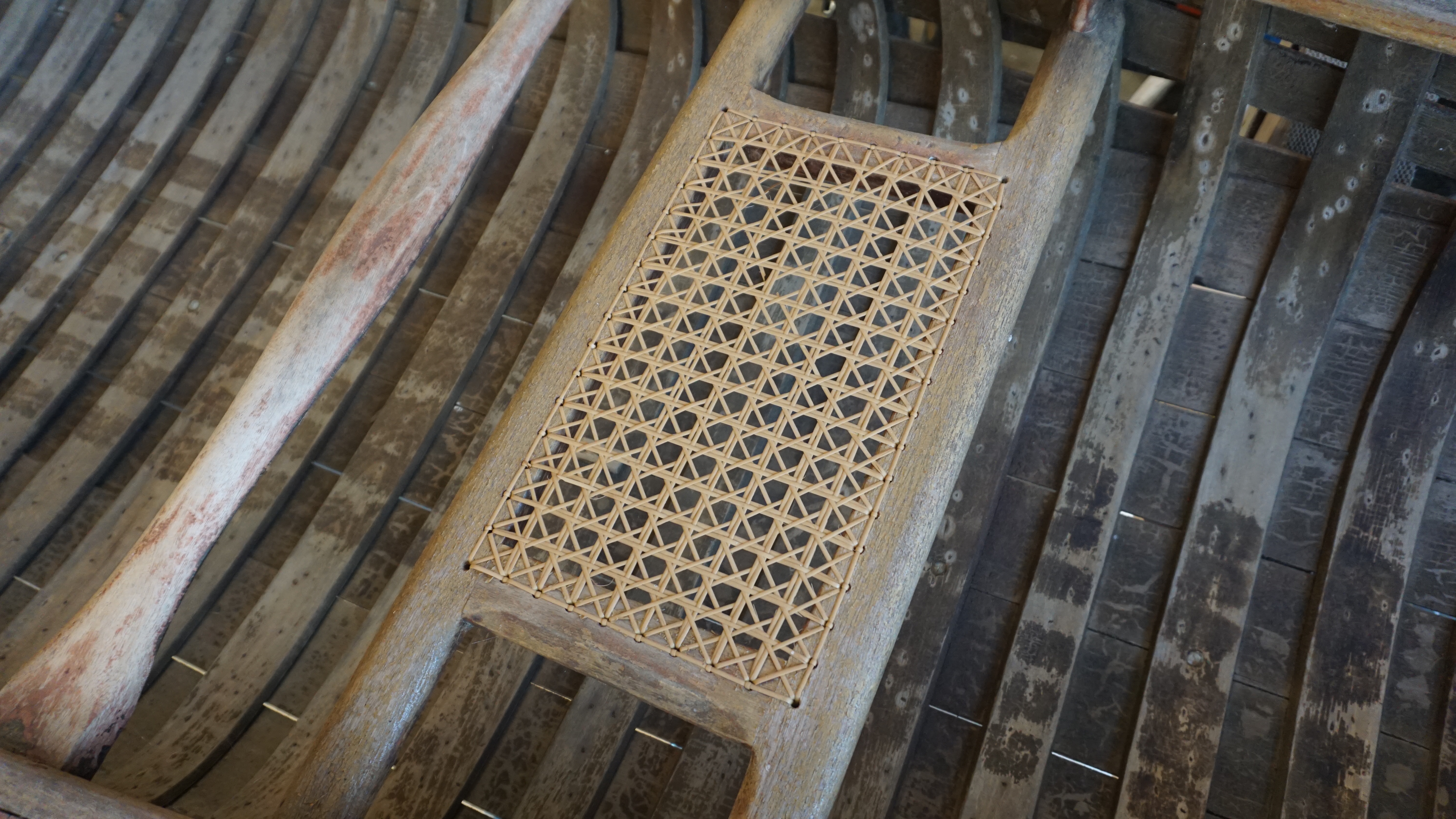
As a non-boat builder, my research pointed to the direction of the Wooden Canoe Heritage Association (WCHA) for further guidance. The WCHA is a nonprofit membership organization dedicated to preserving, studying, building, restoring, and using wooden and bark canoes, and to sharing information about canoeing heritage throughout the world. The discussion forums are particularly helpful, where boat builders can share experiences and troubleshoot through problems. It was here, where I was able to learn more about my canoe. It is certainly interesting to see what many builders are willing to restore. Some boats are more reasonable for the firepit, however, as myself, I find others that are restoring these vessels for the pure joy of it.

When it comes to Old Town Canoes, there is a way to find out more about your particular wood canvas model. There is a 4-6 digit serial number printed on the stem of the canoe, towards the stern and can be read from the starboard side. Often times, the serial numbers are faded and worn so I was fortunate that I was able to still make out mine. Through careful inspection with lighting from all possible angles, I was able to make out….#103607.

Through the Wooden Canoe Heritage Association discussion forums, I was able to get help from a very kind member who was able to look into the specifications of this particular canoe and gain access to old build records. I find it absolutely amazing that this document still exists! After reading the form, I knew this was definitely her. 17 foot long OTCA model, Grade AA (top), with western cedar planking with gunwales and decks of mahoghany. This particular model also has a keel. The Design Color #10 is one of the paint schemes back then, which was mostly green, it is shown in the drawing below.

Western red cedar (thuja plicata) has a variety of uses in construction and carpentry. It has many properties that make it ideal for canoe planking. It is light, intrinsically rot resistant, naturally resistant to bugs, flexible, with a high tensile strength. My next task is to track down straight grain red cedar boards. With the new bandsaw, I hope to resaw these boards to get 5/32″ boards. In terms of the gunwales, I will unlikely be able to find 17′ long mahogany pieces, so I’ll likely have to scarf shorter pieces together. I’ll see what my journey through the mills bring me too. This is where the fun begins….stay safe and be healthy everyone.


