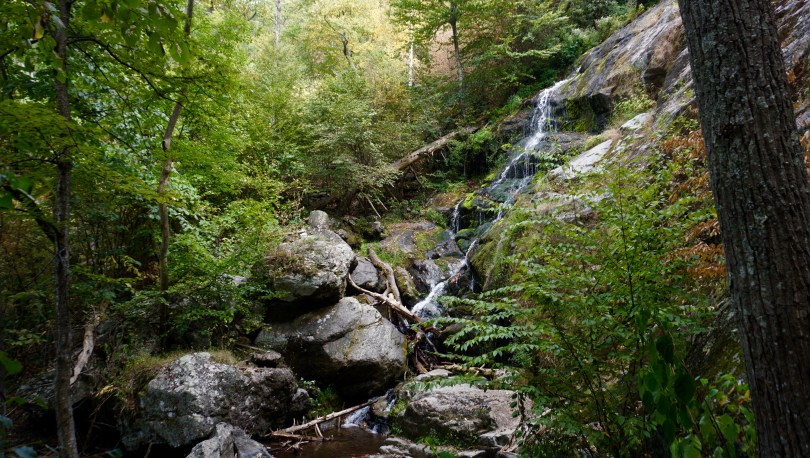
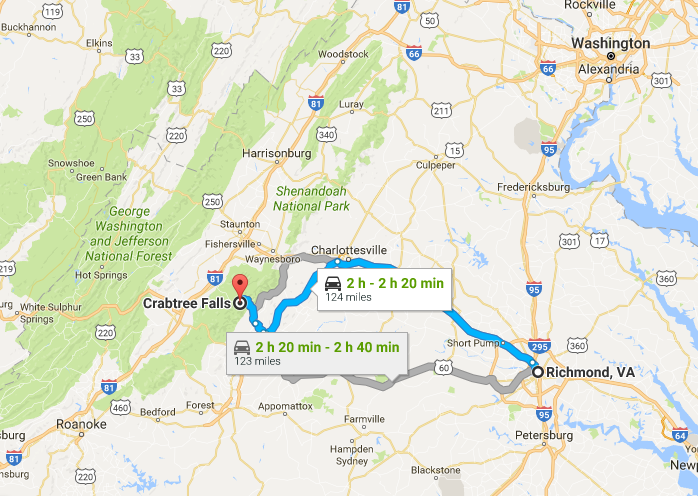
The changing of the seasons is always a special time in Virginia. Although the summers can be uncomfortably hot and humid, I’m always sad to see it go. Before the official end of summer, we traveled out to the Blue Ridge Mountains in George Washington National Forest to hike Spy Rock, near Montebello along Route VA 56 West. The hike is of moderate difficulty at 3.2 miles and we paired it with a quick run up Crabtree Falls, the tallest waterfall in Virginia.
Montebello Trout Hatchery
Hatchery
Rainbow Trout
In the mountains, the climate was noticeably different; it was at least 10 degrees cooler and the earliest hints of yellow and orange leaves signified that fall was already here. The trails at both hikes were packed filled with people as we expected on a pretty Saturday. We parked at the Montebello Trout Hatchery because the main parking lot was already full. This gave us a nice opportunity to examine the rainbows, browns and brook trouts that were being raised. While only the brook trout is native to Virginia, the browns and rainbows are a popular trout species to raise since they grow to massive sizes and promote a healthy fly fishing culture in the Virginia mountains.
Spy Rock at 3980ft provides a 360 degree view of the Blue Ridge Mountains
The hike up Spy Rock took us along a rocky road for the initial segment until it intersected with the Appalachian Trail to take us to the top of Spy Rock. The view atop is impressive, allowing a full 360 degree view of central Virginia. We ate a quick lunch and made our descent and back into the car along VA 56 to Crabtree Falls. We then ascended the first mile up Crab Tree Falls to view the lower falls. The water was slow flowing at the end of summer but still a magical sight. On the way home we visited the Albermarle Ciderworks for a cool drink and dinner in downtown Charlottesville. I am sad to see summer go but excited for all the things fall has to offer: camping, changing colors, harvests and of course the start of the holiday season. Cheers to Summer 2016.
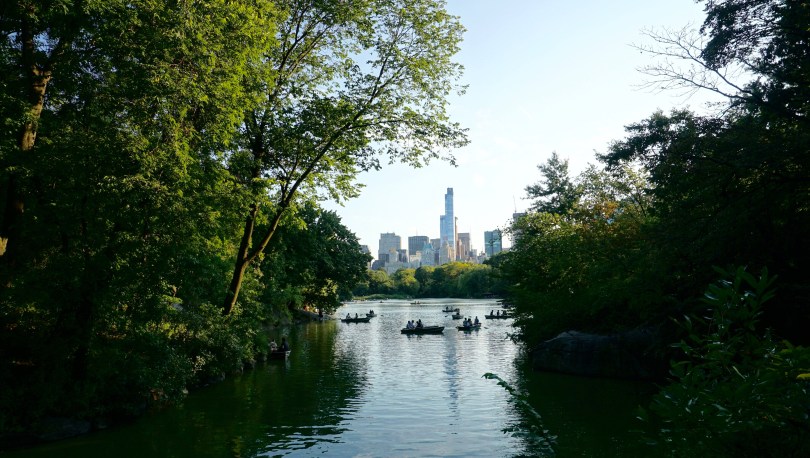
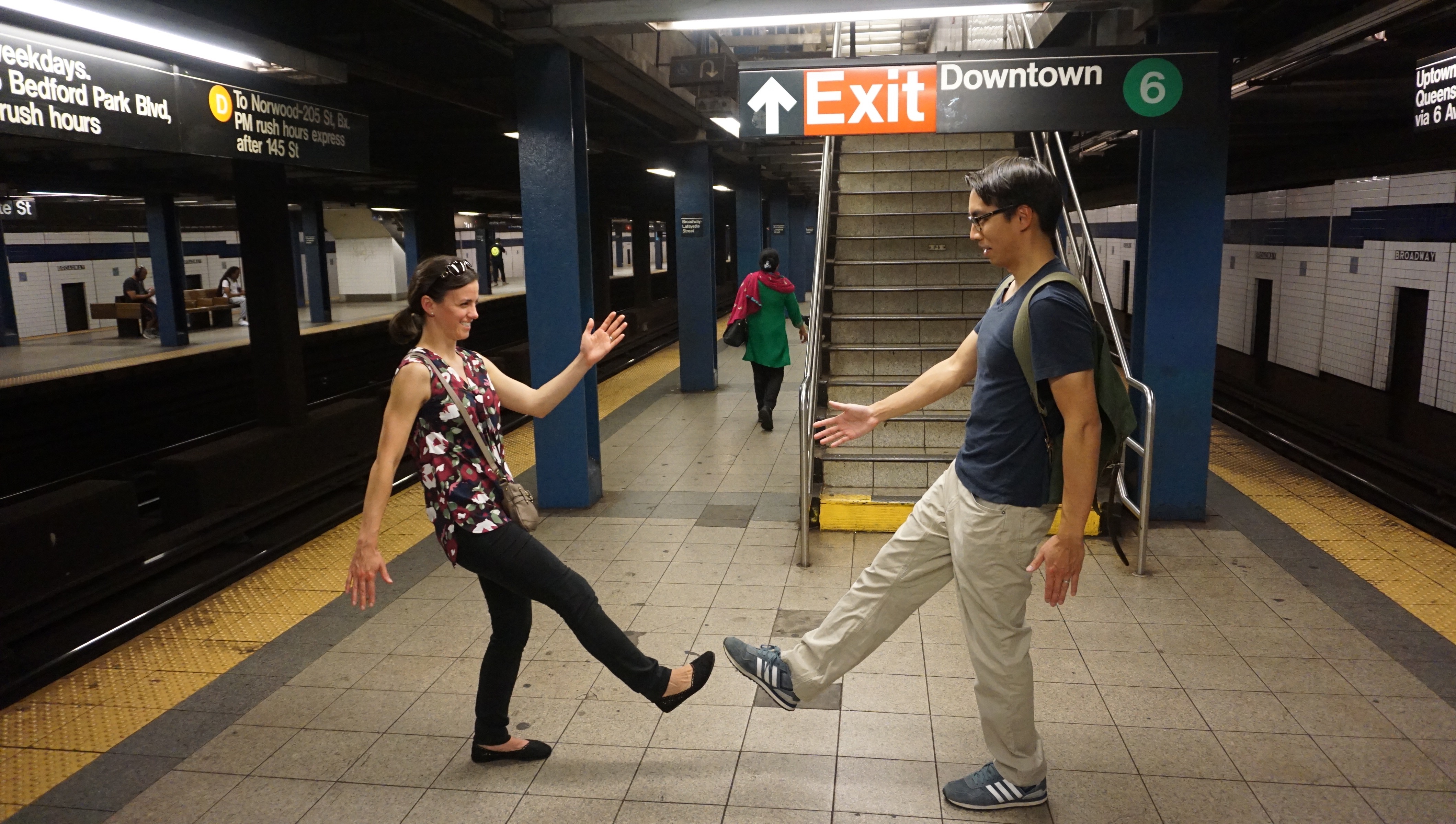
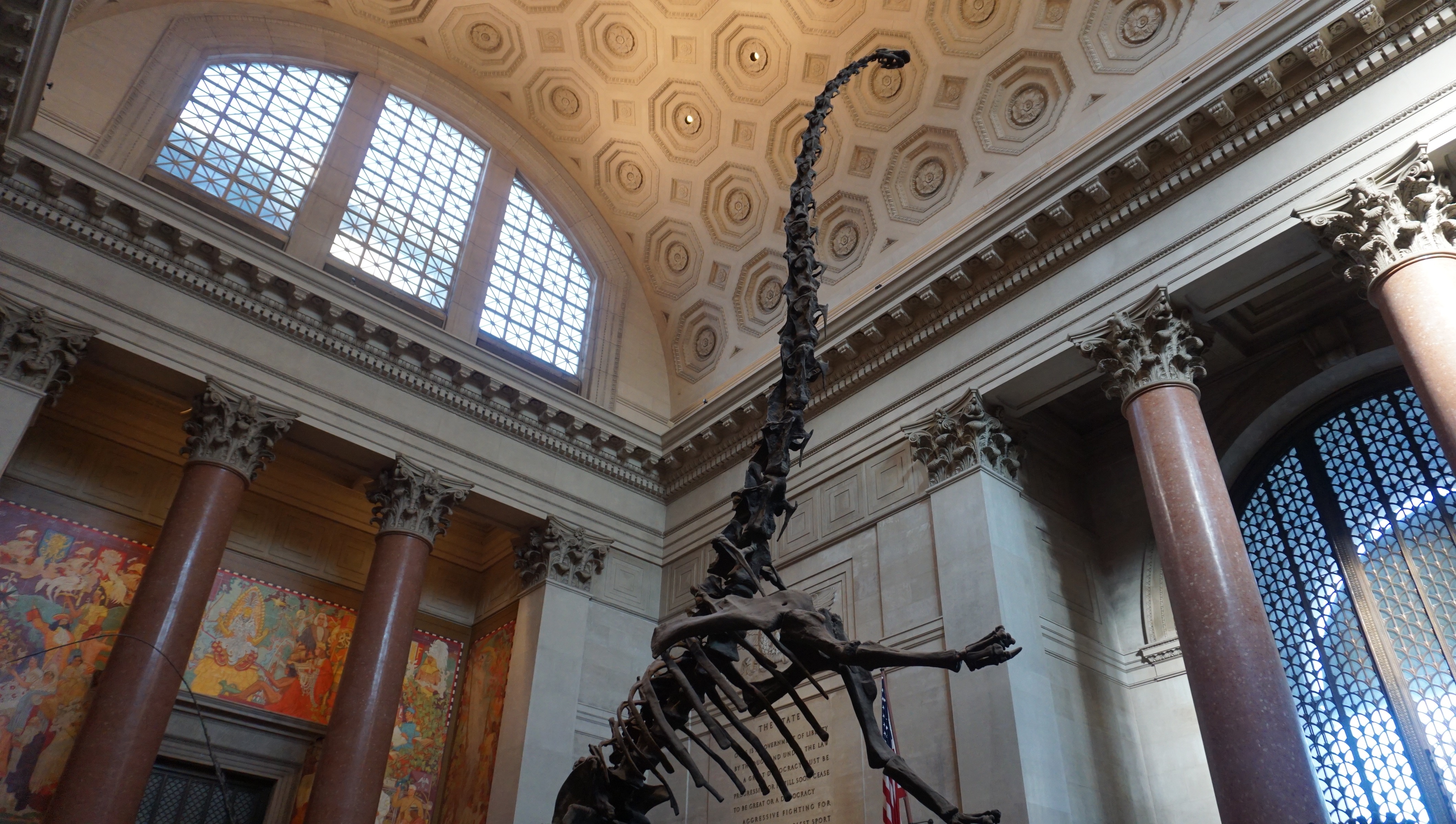
I haven’t been to New York City since 2009. I finally came back to the big apple in the summer of 2016 for a wedding and to visit Brian. This city is dope.
It was a particularly hot summer weekend in Charlottesville, with highs greater than 100 degrees F. We were on a getaway from Richmond and despite the heat, we somehow wanted to squeeze in a quick hike in Shenandoah National Park. During this time of year, the popular watering holes like White Oak Canyon, are packed, so we decided it was time to find a new trail.
Shenandoah shrooms
In the heat and humidity, we had to be conservative with what we hoped to accomplish. Naturally, we chose the easiest hike in the park: Blackrock Summit, a quick 1 mile loop around the mountain and back. This was more of a walk than a hike. The elevation was minimal and the trail very well maintained. Despite the ease of the hike, the vistas were awesome. Climbing upon the rock bed at the top allowed a full 360 degree view of the park and surroundings. The formation of the rocks at the top were certainly unusual and even appeared out of place. With the help of some trail signs, we were able to learn that this was once the floor of the ancient Iapetus Ocean that predates the Appalachian Mountains. Over time, geological forces transformed the seabed into solid quartzite rocks. Overtime, this region too will become overgrown with vegetation and will look like the surrounding mountains.
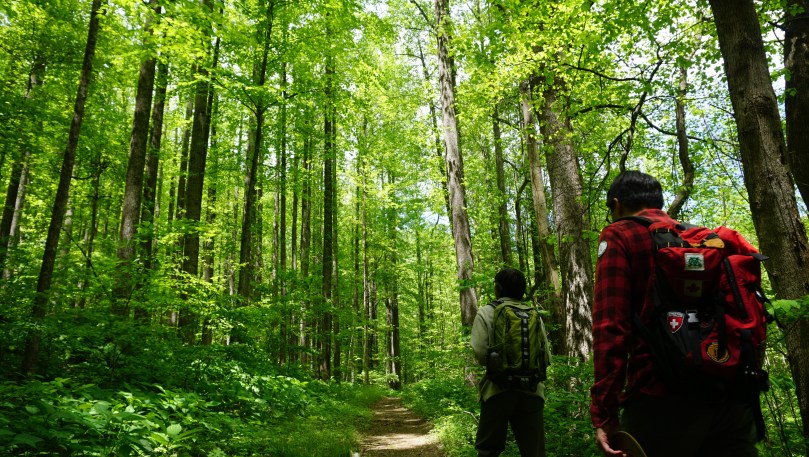
We reached the top in the early morning and descended the mountain just as the sun reached it’s peak. We sought refuge in the canopy of the forest where it was at least 10 degrees cooler. We searched for mushrooms and marveled at the lush forest in the peak summer time. It had been too long since my last visit to Shenandoah National Park, this outing reminded that she always has something special to offer in every season.
It is part of the human spirit to be curious. Our desire for exploration has helped define us as a species. When traveling through new lands, the rush of having your senses engaged in something new and unpredictable is hard to describe. For this reason, I often wonder if I will ever canoe trip the same routes again. While returning to a familiar park may offer comfort and reassurance, the allure of paddling new waters and trekking unfamiliar lands is always stronger. This need for exploration brought our latest trip to the great, Canadian, province of Quebec.
Richmond to Maniwaki, Quebec
Quebec, similar to Ontario, is a paddler’s dream. It is Canada’s largest province, (almost 3 times the size of Texas), and is 12% fresh water by surface area, holding 3% of the world’s renewable fresh water. The parks in Quebec, however are far less visited than Ontario’s, allowing for even more of a remote excursion. For our trip, we decided to venture into Réserve Faunique La Vérendrye (La Vérendrye Wildlife Reserve). The park covers a massive 12 589 square km, with over 4000 lakes to explore. One could spend months at a time exploring this park without ever retracing your path. I was excited to bring along my good friend Min, who has been with me on countless trips in Virginia but never to the Canadian shield.
Breakfast with the locals
Our drive was 14 hours straight up north to the town of Maniwaki, Quebec in the provincial riding of Gatineau, Population 3930. On the last leg of our road trip, we found ourselves cruising through the back country roads of Quebec on a nearly empty gas tank. We arrived at 11:15pm with only 4 miles left in the gas tank…. (Rule of the northern road: never let the tank drop below half)….we got lucky. After a long day of last minute packing, wrapping up phone calls and e-mails from work, and a worthy drive, we were finally free from human society. We all slept soundly that night. A shot of whiskey with the local First Nations people helped too.
The next morning, we enjoyed a nice breakfast at a mom and pop diner and made a quick stop at Canadian Tire to pick up some last minute supplies before making our way off the grid and into Le Domaine.
Min charts our course over the next 5 days
Day 1: Le Domaine to Campsite (distance traveled 15km)
The wonderful sight of racked canoes, maps and photos on cabin walls, and sapphire blue waters greeted us when we reached Canot Camping La Verendrye. The staff was very helpful in helping us choose a suitable route. We sorted through the laminated maps and decided on Circuit 15, a short 45km loop.
Approaching the big waters of Lac Poulter
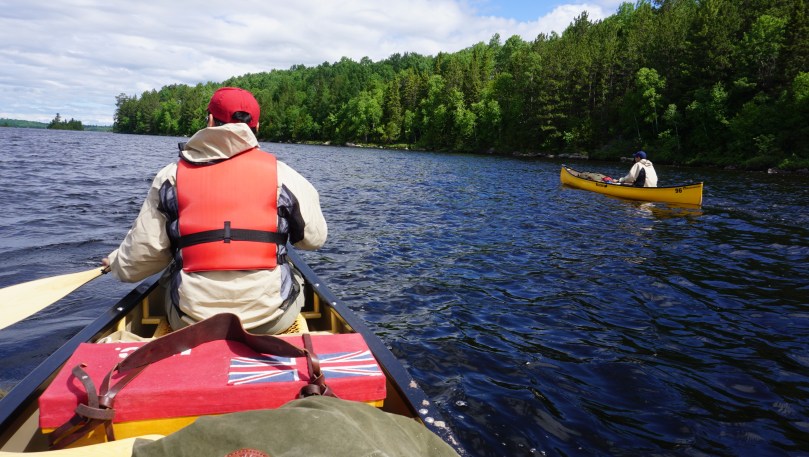
When we originally set the date for this trip, we were well aware, that we were going during peak black fly and mosquito season. I just don’t think any of us knew how bad it would actually be. As we started to unload our gear, we were greeted with swarms of black flies. We scrambled for our bug jackets and finished the gear load-out in our newly christined bug jackets, spotted with a little bit of our own fresh, blood. We left the Canot Camping beach at approximately 12:30pm and battled headwinds to get to our campsite. With an odd number crew, we would have one person paddling solo. Brian braved the first leg. This proved to be quite the challenge in the windy open waters. We lashed the canoes together for the second half of the trip to keep him from straying into the wind.
beach campsite
gransfors
life in the bug shelter
The portages in this park were short with the longest being approx 400m. Nevertheless, the black flies made us pay; we suffered heavy bug bite casualties. We realized that in order to have any peace from the bugs, we would need to choose our campsites wisely. We searched for a site that faced the wind and as far away from dense vegetation and moving water as possible. We were lucky enough to come across one of the pristine beach sites that La Verendrye is known for.
Freedom
Campsite 15-15
Campsite 15-15
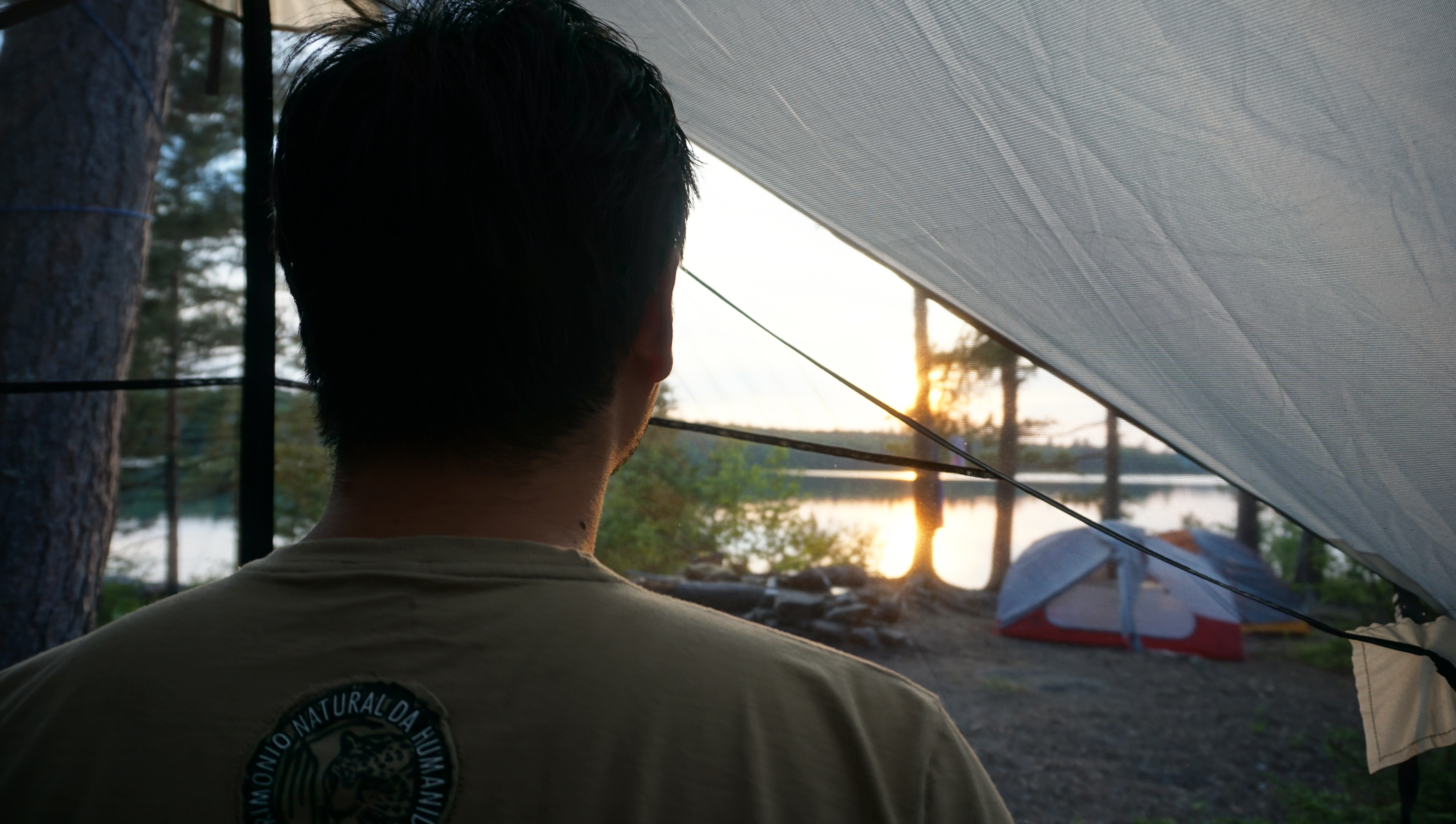
We pulled our canoes up on the sandy beach and felt the powerful and liberating, gusts of wind against our faces as we emerged from our bug jackets. It seemed to keep the bugs at bay…for the moment. We left ourselves plenty of daylight to set up basecamp. Our most important piece of gear on this trip was Brian’s treasured Eureka Bug Shelter. It is basically a tarp with a fully enclosed meshed area that can be pegged to the ground, allowing us to live in a bug free zone and carry out basic camp chores. The last time we used the bug shelter was on Little Joe Lake in Algonquin Park (2014). We each set out to accomplish our camp chores, filtering water, chopping firewood, setting up tents, and unpacking bedding.
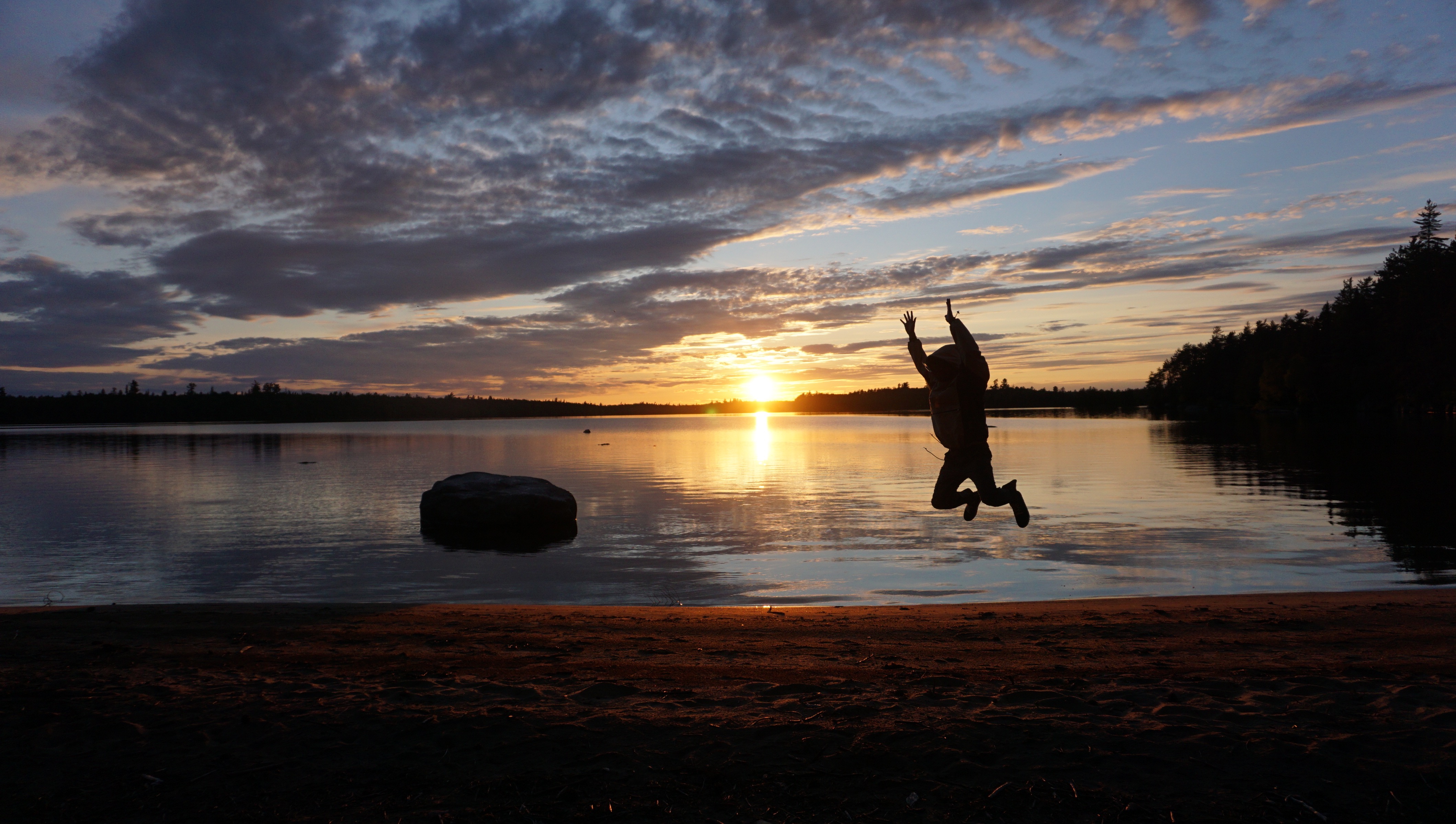
First Verendrye sunset
Min had the tall order of preparing meals for the trip. He has never let me down in the past and he certainly did not this time. He had elaborate menus arranged for us, ranging from pastas, variety of meats, corn breads and dried fruits. We ate like kings and slept early that night to the familiar cries of the loon, officially signifying our return to the northern land. We had made it.
wannigan and sleeping gear
Day 2: Campsite “15-15”
We awoke leisurely the next morning. Our objective this trip was to take things slow and simply enjoy the wilderness around us. Instead of moving to a new campsite, day after day. We found that 2 nights per campsite suited our tempo. It felt luxurious. We cooked meals, boiled coffee, and looked over the maps. The bugs limited our activity to mostly the bug shelter, so we turned it into the most comfortable place that we could. We dug a small hole to have a modest fire to keep us company.
camp furniture: bench
bfast
cooking eggs
Min made quick work of some pine with handy axe work to give us a bench to sit on. It certainly felt like a home away from home. While the flies and mosquitoes buzzed at the bug shelter, we were able to sit and relax and enjoy good conversation. We discovered that interestingly, every night, at approximately 9:30pm, the bug activity just suddenly stopped….no more buzzing, no more swatting at each other. After this time, we were free to enjoy the night without the jackets. We took this opportunity to brush our teeth, bathe in the freezing waters by moonlight and enjoy a large campfire by the stars. Life was good in La Verendrye.
Day 3: The Best Day
In my mind, Day 3 will go down as one of my favorite days of camping ever. It was my turn to paddle solo, and it was going to be a monster day. 26km ahead of us to the next campsite through some big waters. We set off early in the morning, having packed down the bug shelther the night before. The water was still calm when we launched and we made amazing time. Once we reached the main lakes, it was once again a battle upwind. we paddled against chop and waves to gain only feet at a time. At the halfway mark we came across an unusual set of small island rocks in the center of the lake. In the heart of the wind, we pulled ashore and lashed together the canoes. It was time to refuel.
Middle of Lac Poulterisland eggs
We needed to get food and water back into our sun beaten bodies. We hungrily devoured tuna wraps with onions, with generous helpings of dried fruit and plenty of water. Food had never tasted so good. We could feel our bodies recharging and our spirits lifted. We pushed on afterwards towards the second half of the trip. We all dreaded the 3 short portages that waited ahead for us. As we continued to paddle, the unmistakable sound of white water became louder and louder. We had reached “Les Rapides”, the short white water section of our trip.
This left us with two options: Portage around the rapids, or run it. No brainer. Running the short white water segments was exciting and the reward was two fold….we got to skip all portages. We estimated that we were able to shave at least 1.5 hours by running the rapids. This spirit boost was what we needed to finish the final leg of the journey to our next campsite. 26km done.
Min sneaks in a quick rest before approaching “Les Rapides”
Northern lights signify the beginning of summer
We didn’t speak much as we set up camp. We had only been out in the wilderness for 3 days but it our actions felt deliberate and well coordinated. It was clear that we were getting acclimated to our surroundings. This campsite was at a higher elevation with much less vegetation, the wind broke through camp easily and kept the bugs at bay. We were all exhausted and passed out for a nap shortly after dinner. I awoke around midnight to do some night fishing with Brian. While collecting some water by the shore, the unmistakable emerald hue of the northern lights danced over the forest canopy. We stood there and watched in awe. I have never considered myself much of a religious man, but I do believe that such moments are simply too beautiful for coincidence. They truly touch the spirit. We paddled 26km that day, ran whitewater, found a killer camp site, fished and were treated to a beautiful display of the northern lights. It was the best day of camping.
Day 4: Campsite “10-53”
One thing is certain when you’re out on a camping trip. It will reset your circadian rhythm. Having just come off a night float rotation, it took only a couple of days for me to be fully adjusted. Out in the wilderness, there are no alarm clocks, you simply obey the sun in the sky. When it rises, you rise. We woke to the early cries of loons and the sun beating on our tents. It was a relaxing day of swimming, fishing, photography and paddling. Life out here is pretty simple, and I certainly love it. No busy schedules out here, no pagers, no phone calls, no e-mails. When you’re thirsty, go filter water. You’re hungry? Get the fire going and heat up some food. Dirty? Go swim in the lake. That afternoon we paddled out and fished on different islands. None of us claim to be great fisherman and only had a few bites here and there. Nevertheless it was still a great time. Maybe one day we will land that giant northern pike.
Fishing
Campsite
Day 5: Paddle out
I guess all good things must eventually come to an end. Before we knew it, our time in La Verendrye had approached it’s end. After 5 days in the sunshine, it was time to head home. The water was calm that day as we packed up the remaining bits of gear and tied up the wannigan. It was a good half a day of paddling to reach the Le Domaine beach. We arrived at approximately noon where we met with some fellow canoeists. We chatted briefly and shared our experiences of the circuit. These experiences are what make canoe camping so special. The launch sites are always filled with interesting people from all over the continent, who have traveled great distances to enjoy the same beauty.
Our time in La Verendrye felt far too short and we were able to explore only a fraction of this gigantic wilderness area. I am truly glad we decided to come here and canoe in French Canada. I don’t think any of us could have asked for anything more: no rain, no accidents, and a spectacular viewing of the northern lights on the first day of summer. I will always remember this land for the incredible scenery, the blue waters and the magnificent sunsets. Au revoir La Verendrye.
The Rapidan River is one of my favorite rivers in Virginia, especially the segment which courses through Shenandoah National Park. The flowing cascades, peaceful scenery and good population of brook trout has earned this river a top 100 trout stream spot according to Trout Unlimited coming in at #38.
Shenandoah National Park
The Rapidan plays a significant role in history as well. Originally named the Rapid Anne river after Queen Anne of England it has since changed it’s name to “Rapidan”, a combination of the words “rapids” and “Anne”. The river was also the site of numerous, bloody, civil war battles. After the war, it’s beauty continued to attract visitors from all over. It even caught the eye of one of the US Presidents. During the Hoover administration (1929-1933), Camp Hoover was built by President Herbert Hoover and his wife Lou Henry Hoover to serve as their wilderness getaway, where they fished these pristine waters. The camp still stands today, although officially named Rapidan Camp now and open to the public, situated at the beginnings of the Rapidan River.
peace
stream hopping
lunch
home of the brookies
I was glad that at 15 years old, our Jack Russell Terrier was able to join us on this trip. He thoroughly enjoyed himself although he did not swim much as the current was fast flowing and the waters frigid. We leisurely climbed from stream to stream casting our flies. Before we knew it, the sun was setting and we had been out for over seven hours. Although we caught nothing (no surprise), we had several bites and I got my brother hooked on the sport. He just told me the other day, he was looking for a rod.
Casting
trout stream
cascades
While we have fished all of our lives, Tenkara is a whole new ball game. It is a form of traditional Japanese fly fishing without the use of a reel. This allows everything to be packed nicely into my backpack without the need for tackle box or much gear. Essentially it is just rod, line and fly. The rod itself collapses to just over 20 inches. I found Tenkara to be a much more active form of fishing which I thoroughly enjoy. First off, your main target is trout, and here in Virginia, they are found only in the coldest and cleanest mountain waters. A hike of some sort is almost always needed. Secondly, while you’re fishing, you’re constantly casting and moving from one spot on the stream to another. The only thing about this time of year is that it is tick season! I pulled one off myself and a couple off of our dog. Nasty little buggers that on rare occasions can serve as a vector for transmitting Lyme Disease. I always try to be good with tick checks before getting back in the car. Spraying your shoes and lower legs with bug spray will definitely help as well. Ticks are typically found south of the Canada-US border although of late, climate change has changed that, with reports of tick bites becoming more and more common in Ontario.
With so many famous parks to see in the pacific northwest, It was difficult to choose one to explore. In a split decision between Olympic National Park and Mt Rainier, we opted for the latter. Mt Rainier holds the title as the fifth national park in the United States and is famous for the subalpine meadows, old growth forests and 25 glaciers. The centerpiece: the stratovolcano that towers over 14 000 ft, known as Mt Rainier. Apparently, summer is the best time of year to visit, when the skies are clear and the best views can be obtained. In the early spring, it was wet, rainy and foggy. One step into this landscape and we knew we were in temperate rainforest.
fun guys
river
canopy
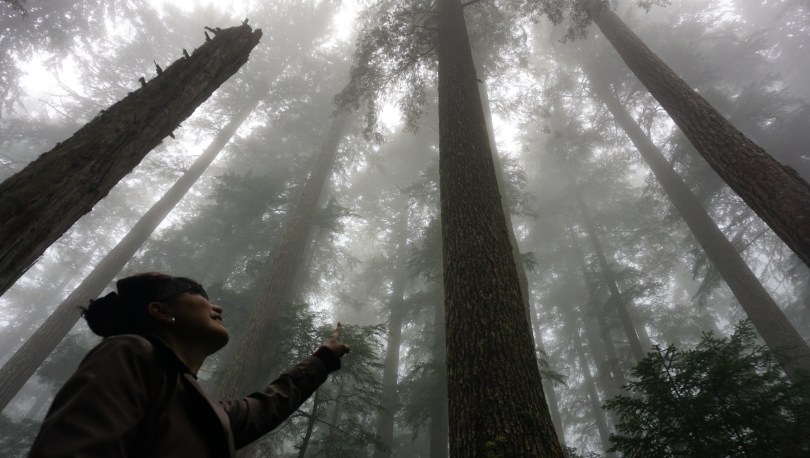
The land is certainly different from the eastern forests that we are used to in Virginia and Ontario, the ground is lush with vegetation and water seemed to be present in all nooks of the forest. Small streams seemed to course their way through the entire forest. The evergreens, towered above us and created a canopy unlike any that I’ve seen. As with most things, our time here was much too short. Magical park.
One of the first places we visited in Seattle was the Pike Place Market. Open since 1907, it is one of America’s oldest public farmers’ markets. It attracts more than 10 million visitors annually, earning it the rank of 33rd most visited tourist attraction in the world. Certainly a place to overwhelm the senses; the smell of fresh cod in the air, vendors bargaining, the fresh, salty air from the Elliot Bay and of course tastes of all different sorts. I was able to pick up a cool book on canoeing in British Columbia, serving as a little incentive to return one day.







 It was a particularly hot summer weekend in Charlottesville, with highs greater than 100 degrees F. We were on a getaway from Richmond and despite the heat, we somehow wanted to squeeze in a quick hike in Shenandoah National Park. During this time of year, the popular watering holes like











 WAY NORTH