Virgin Islands National Park ( St. John, USVI )

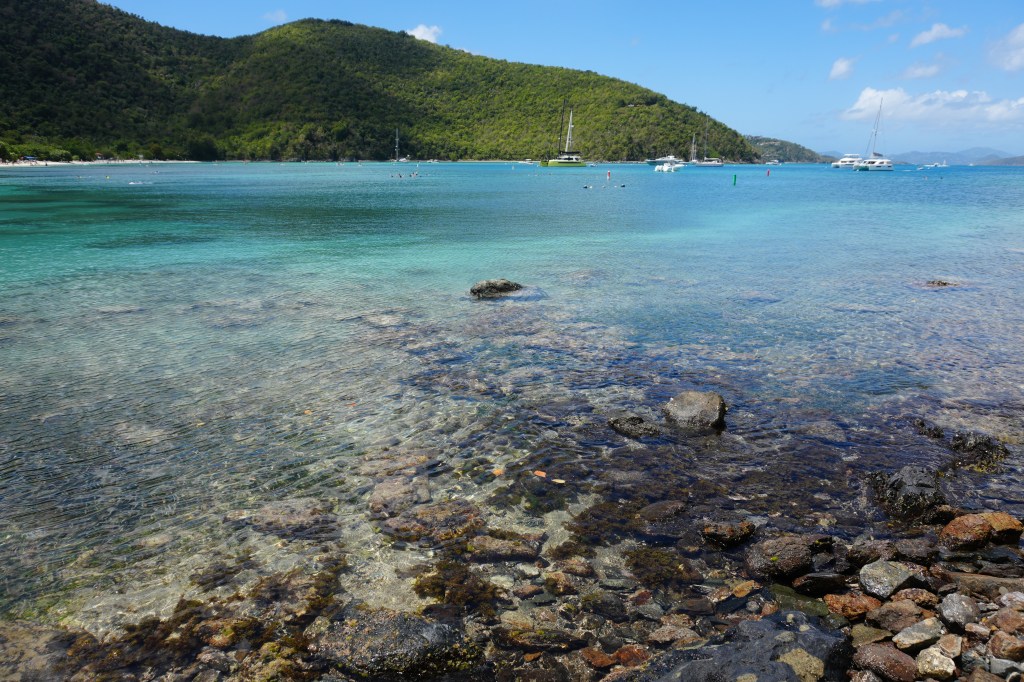
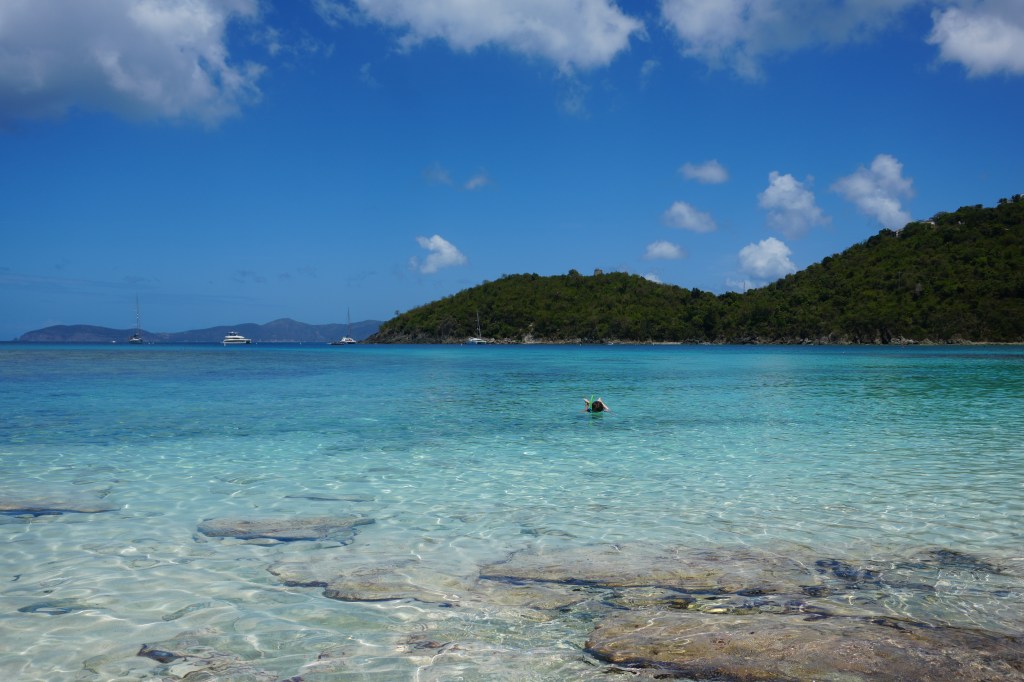
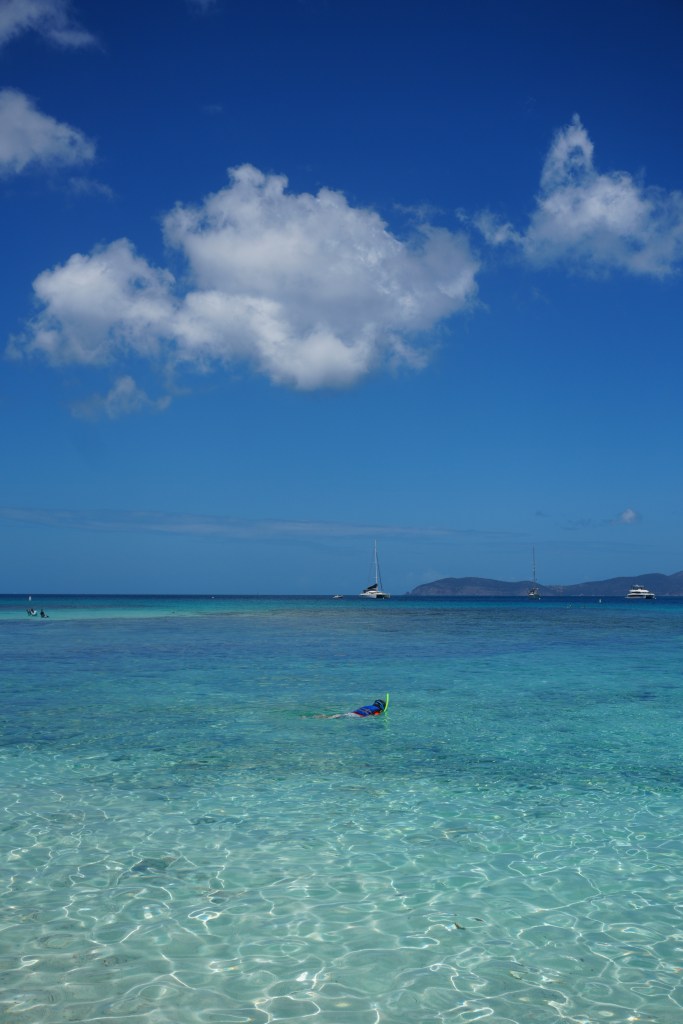
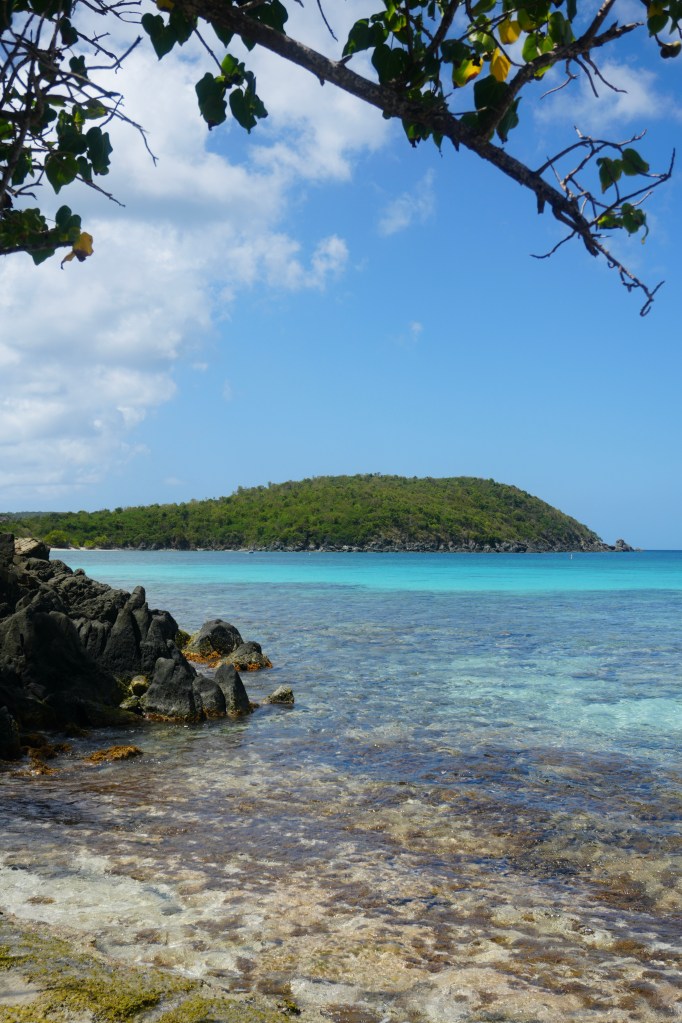
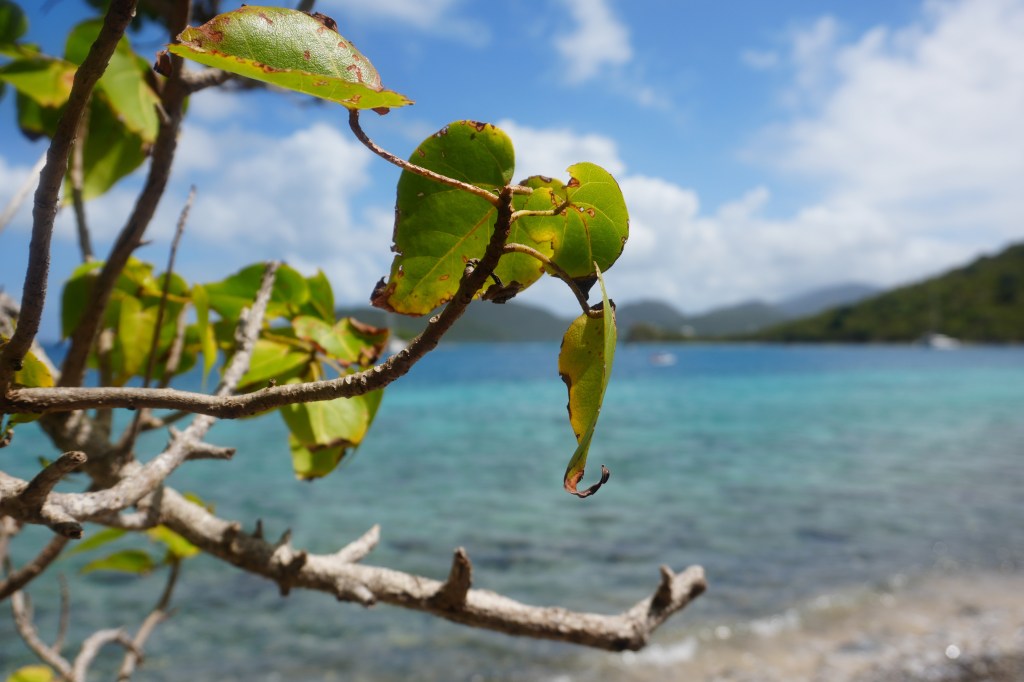
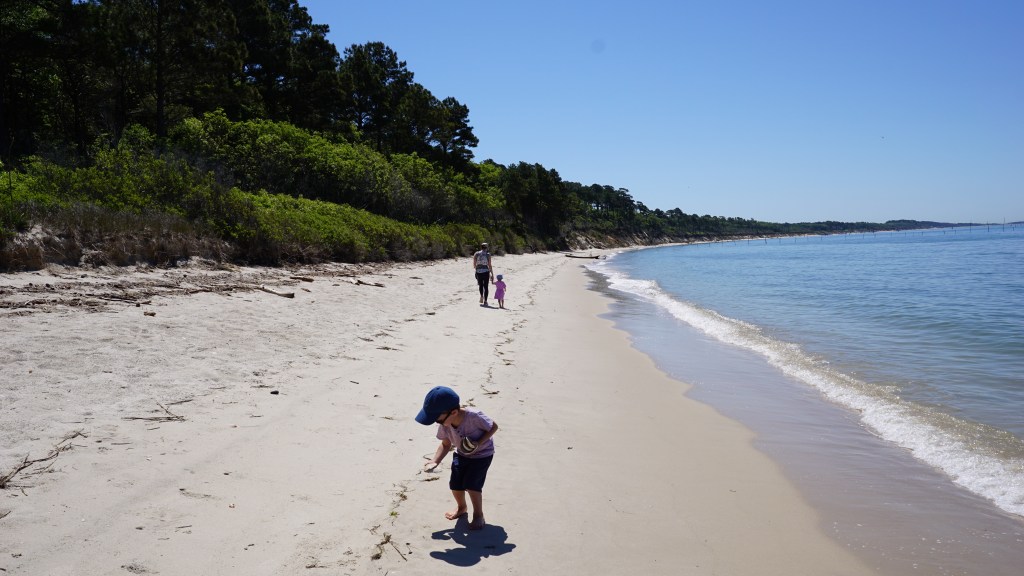
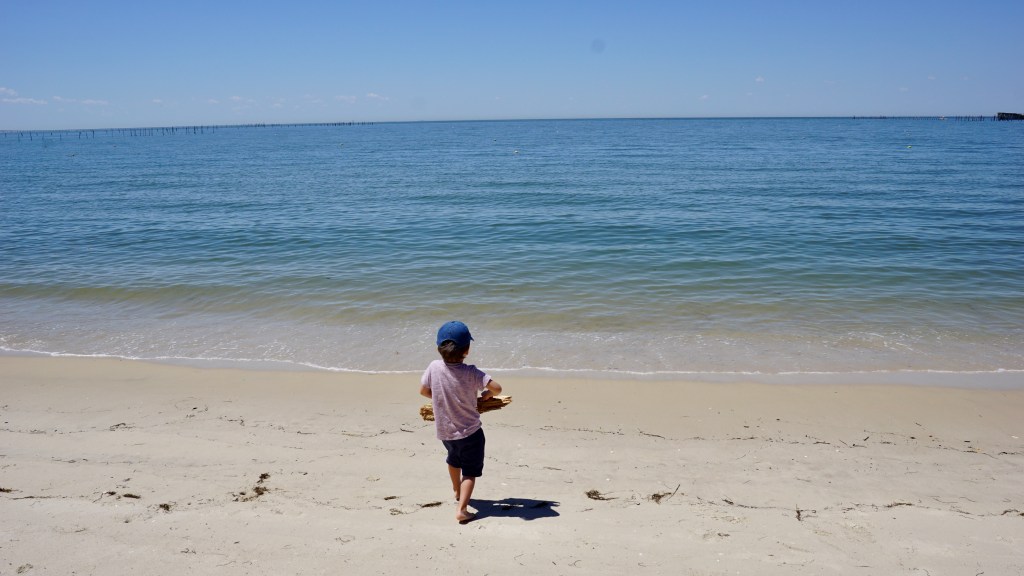
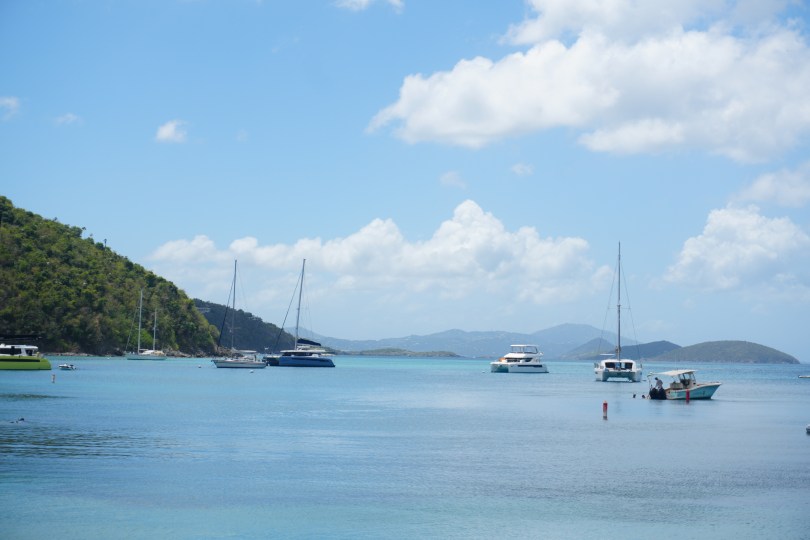
Of all 63 national parks of the United States, Virgin Islands National Park is one of the most remote. Located on Saint John, an island in the Caribbean Sea, Virgin Islands National Park covers nearly 15,000 acres of lush tropical forests, white sand beaches, mesmorizing snorkeling and a thriving wildlife scene. The national park covers approximately 60% of the island of Saint John and is protected under the national parks system.
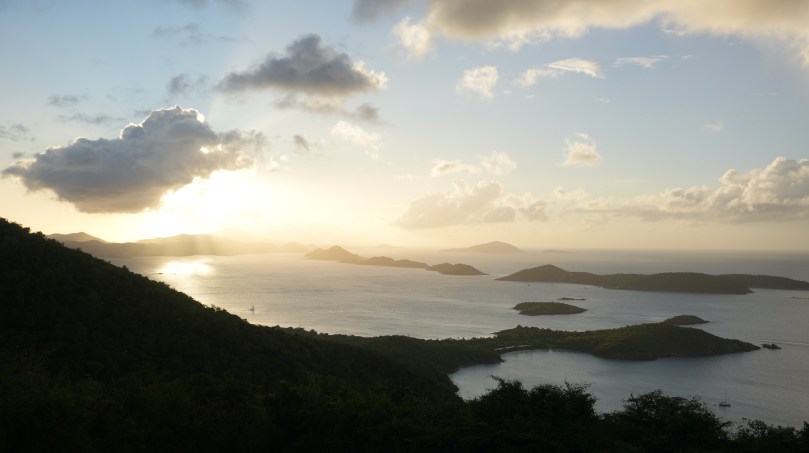
Our last big trip to a national park was years ago when we took on Utah’s Mighty 5 National Parks. Six years and two more kids later, we felt like we finally had the gumption to go on another big adventure.

In the last week of March we embarked on two flights and arrived in Charlotte Amalie, the capital of the Virgin Islands on St. Thomas Island.
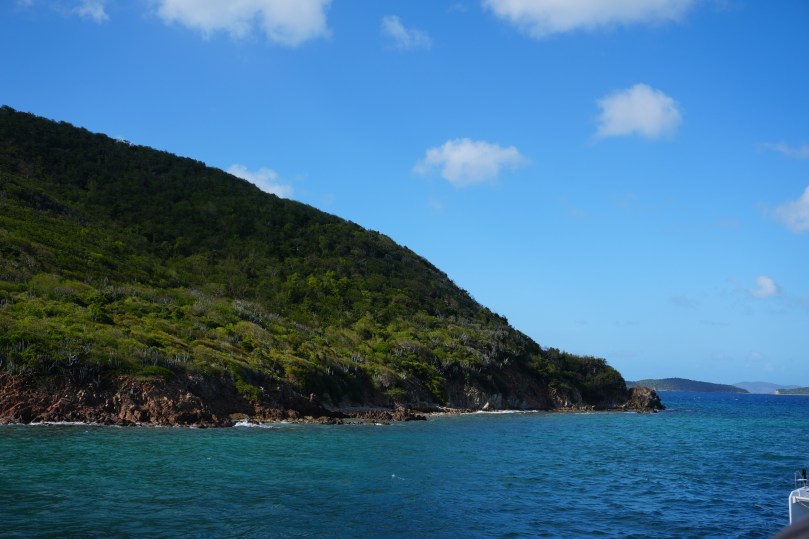
From here we took a ferry across the Pillsbury Sound to reach St. John. Upon arrival, the warm and humid air hits you in a pleasant way after a long winter. Colorful homes are situated in all layers of the island, giving you a sense of the mountainous terrain to be traveled ahead. Influenced by its Danish colonial background, the cars drive on the left hand side of the road. The people are nice and the bugs are out at night. We made it. We stayed in the Cruz Bay area, where several local markets, made it easy to get food and supplies for the week.
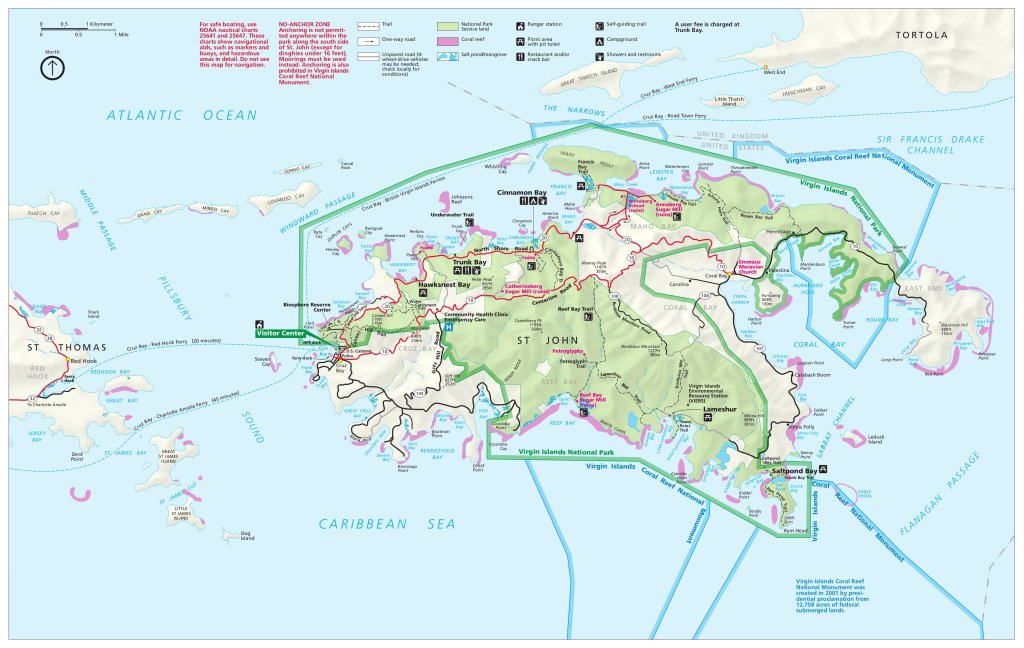
As beautiful as the islands are, the Virgin islands bear a dark history of Danish colonialism. In the 1600s, Denmark fought and cliamed St. Thomas and St. John for its West Indies colony. Their plan was to grow cotton and sugar, powered by a labor force of indentured Europeans. This proved to be not viable, based on supply and demand. Supplied by a Danish fort in Ghana, slaves were sold to the Virgin island colonies. Over the 200 years, 85,000 slaves were sent to the Virgin islands.

After years of rebellion and reckoning, the United States purchased the Danish West Indies after world war 1 in 1917. The Virgin Islands National Park was established in 1956.

In the last week of March, the weather in the Virgin Islands was sunny, with lows of 78 degrees high of 81 degrees. We explored mostly the northern end of Virgin Islands National Park.

Day 1 – Maho Bay – North Shore

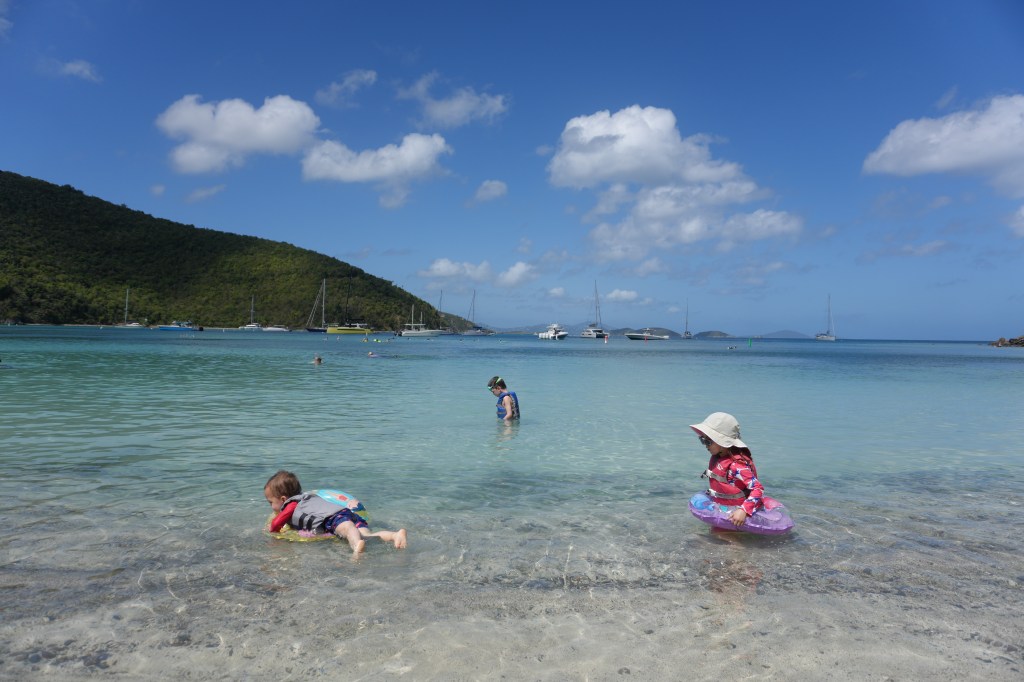
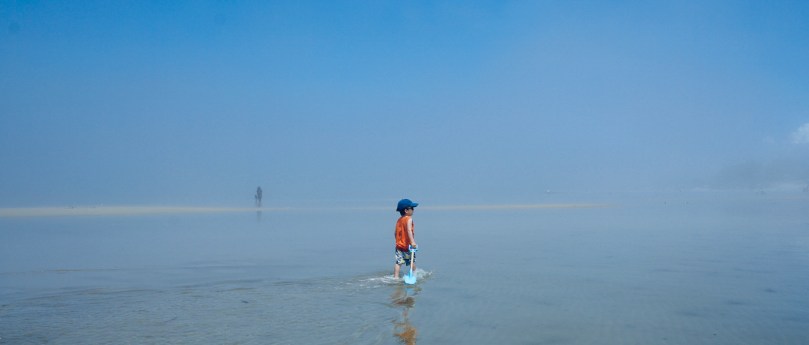
Maho beach features 0.3 miles of white sandy beach, and is known for its larger areas of seagrass, attracting sea turtles. The calmer waters of Maho bay make it a popular destination for families. There are several food and drink vendors across the street offering snorkel gear and kayaks. This spot was a good introduction to the national park, it showed us what was in store for the rest of the island.
Day 2 Hawks Nest Bay

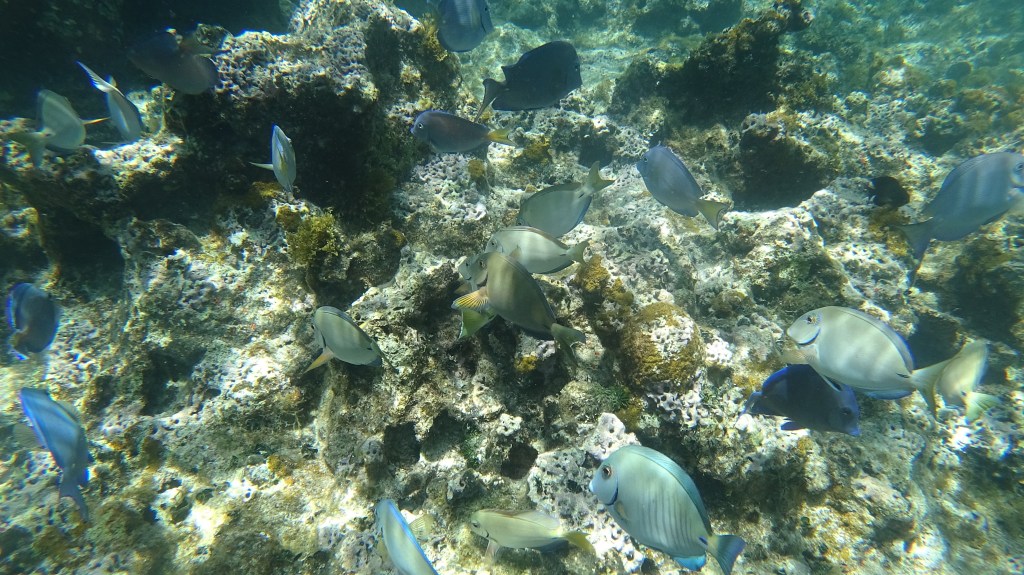
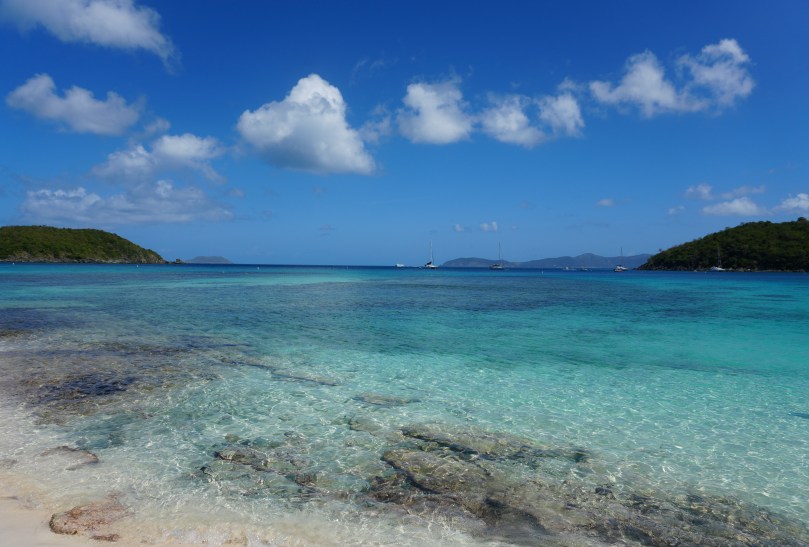
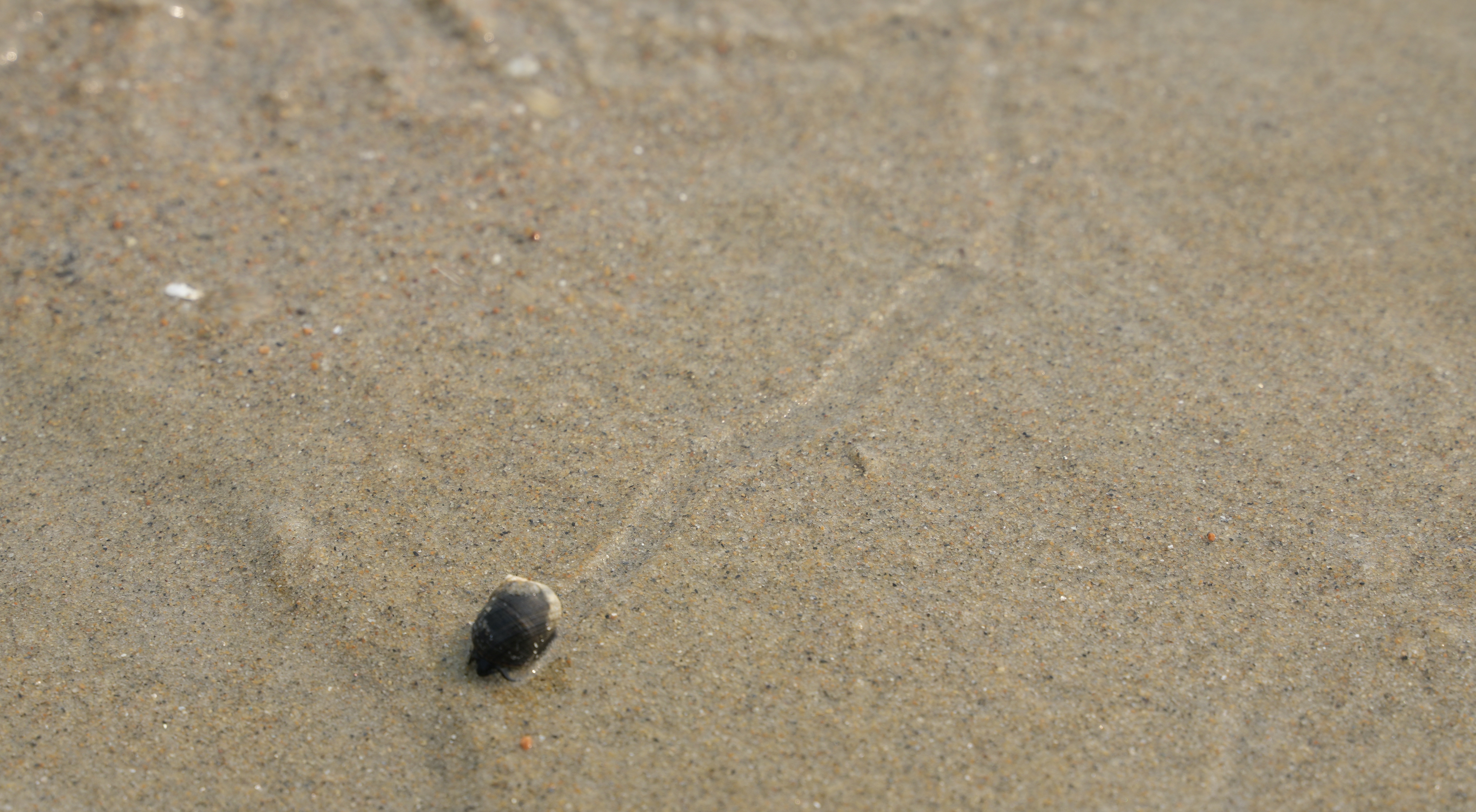
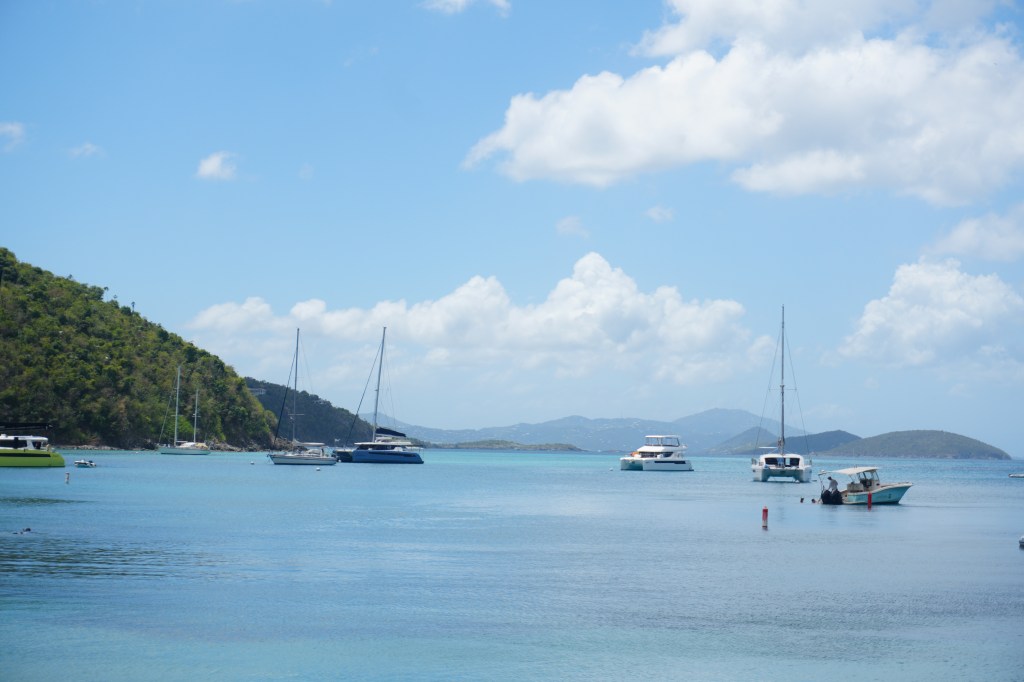
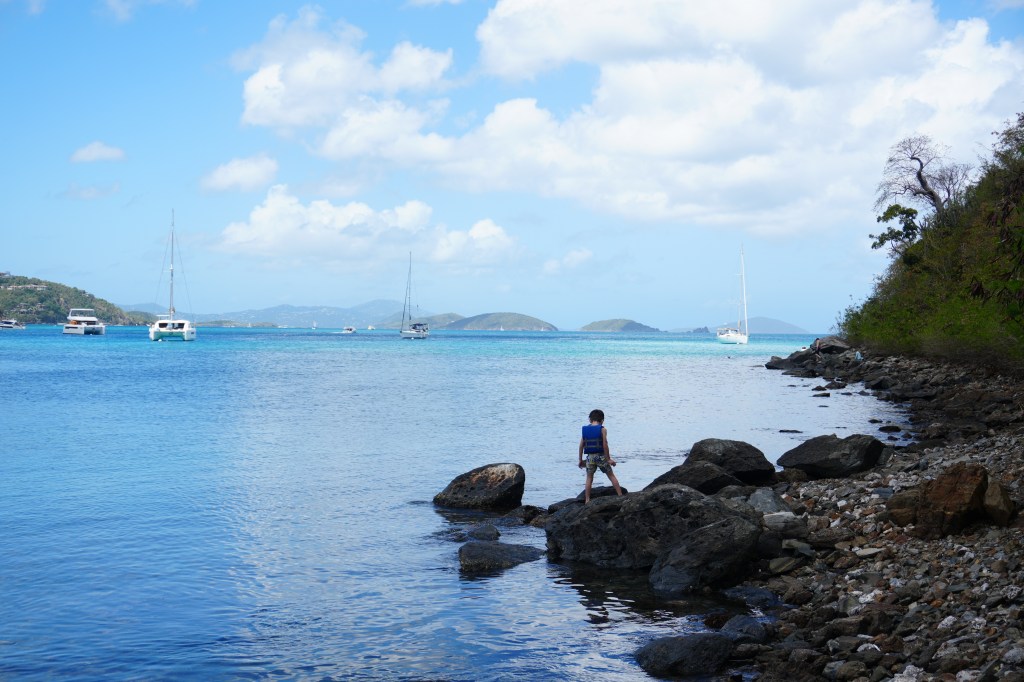
Hawks Nest Bay was one of our favorite spots. It is one of the closest access points to the entrance which led me to believe that it would be crowded. Surprisngly, it turned out to be a very peaceful spot with excellent snorkeling. The stretch of beach was also home to many small hermit crabs that scuttled around. Hawks nest was where I was able to first begin to understand the rich wildlife and amazing network of the coral reefs.
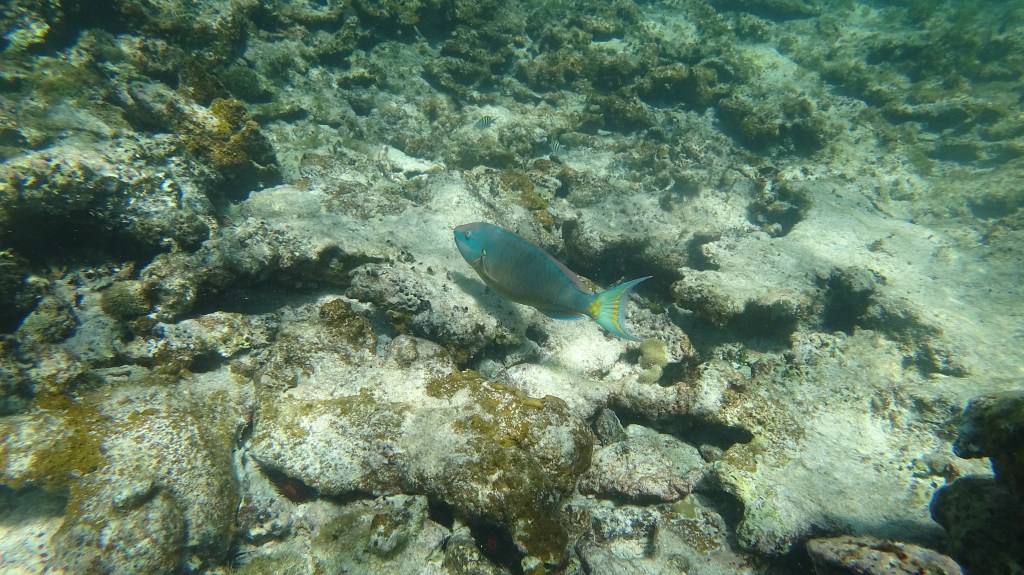
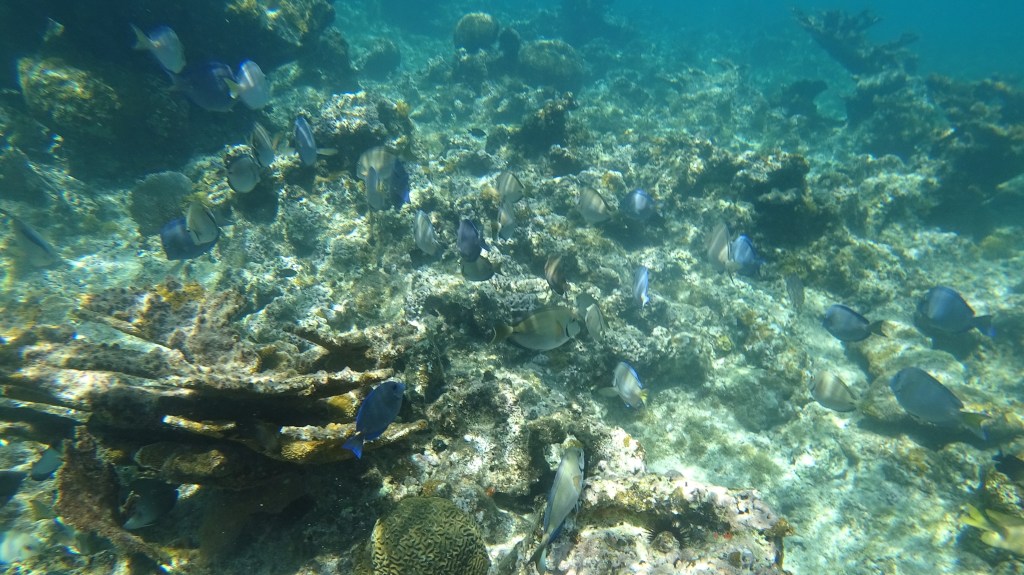
Day 3 Hike to Waterlemon Cay (Leinster Bat Trail) – high 82, low 77 occasional showers

With a forecast predicting heavy showers throughout the day, we decided to venture out to the waterlemon cay to bay hiked the Leinster Bay trail. This was an easy 0.8 mile flat hike along the coast. It is one of the few flat hikes in the national park and perfect for little kids as well. This hike takes you through some shady areas, with beautiful flowers, and wildlife along the way. The hike along the coast certainly makes you feel small as we gazed out to the vast sea. The pelicans, sea turtles and hermit crabs were all out to play. Most people hike the Leinster Bay Trail to get access to Waterlemon Cay (boasting some of the best snorkeling on St. John.)
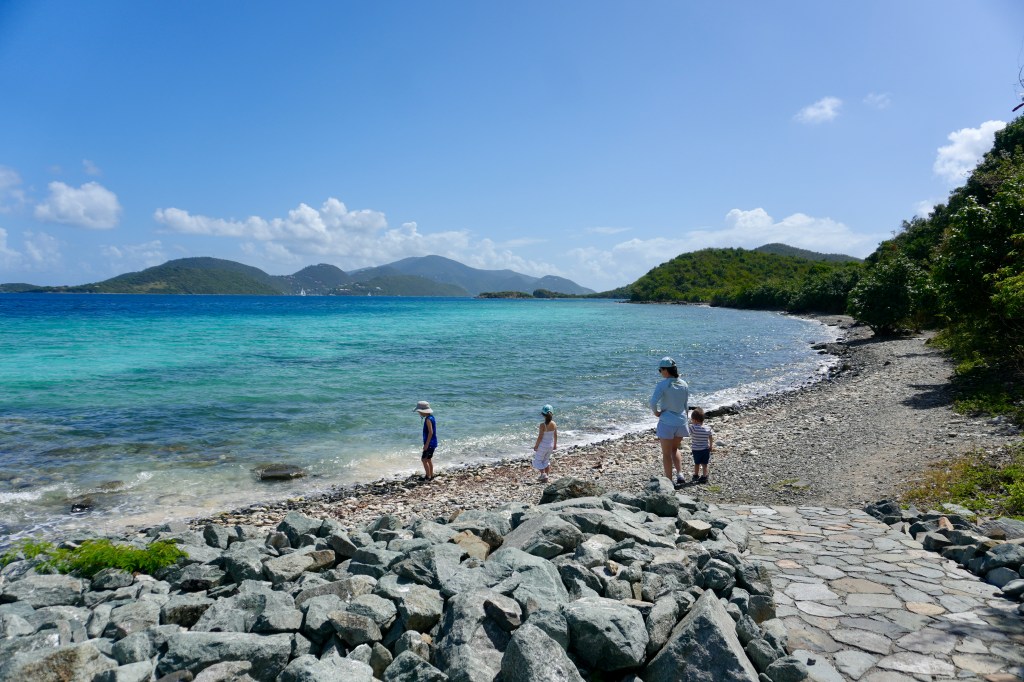
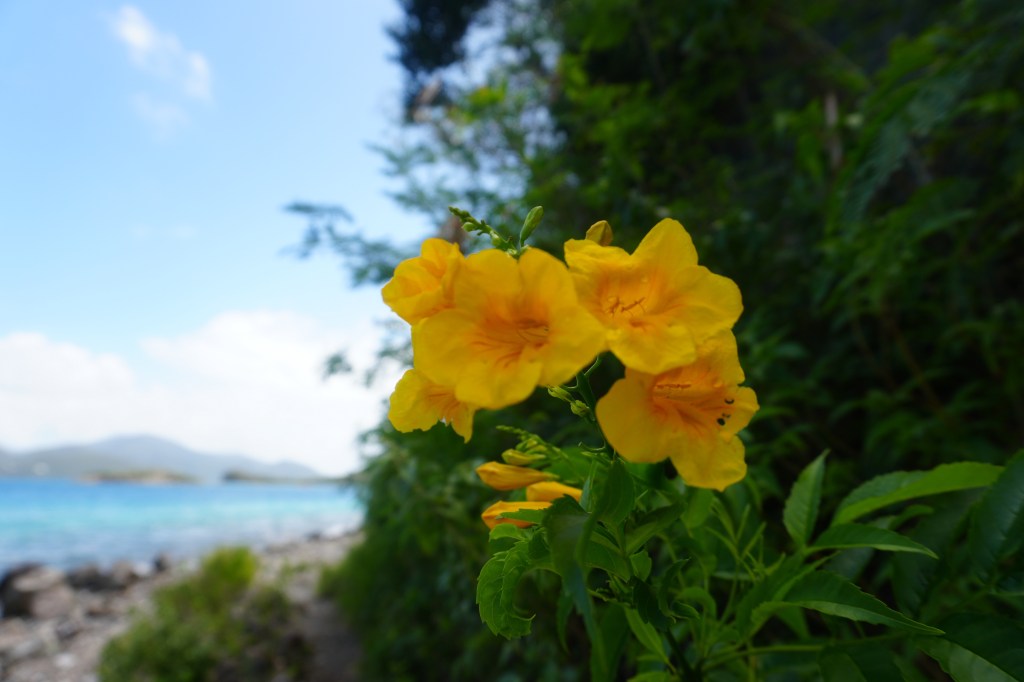
Pictured above: The yellow flower of Tecoma Stans (aka: Ginger Thomas, Yellow Elder) is the official flower of the US Virgin Islands. Interestingly, it is not a native flower, however the species has been highly successful in the caribbean.

Day 4 – Trunk Bay – High 81F, low 77F windy

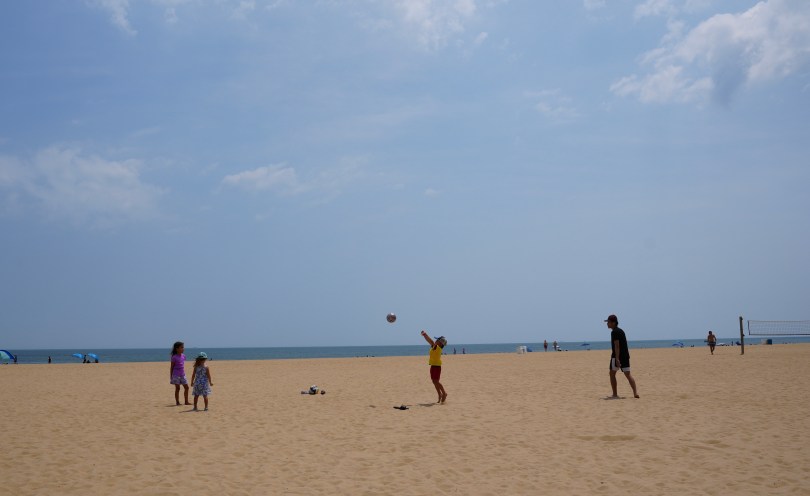
Probably one of the busiest beaches in the beach, Trunk Bay is known for it’s snorkeling and an underwater snorkel trail. With a larger opening to the sea, the water was choppier here and it looked like good generate enough swells for some surfers on certain days. This area of the park had plenty of food, drink, rentals chairs, and sports equipment for rent.
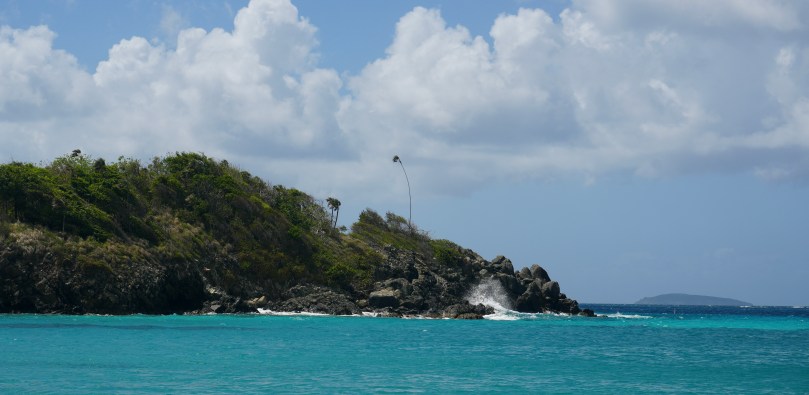
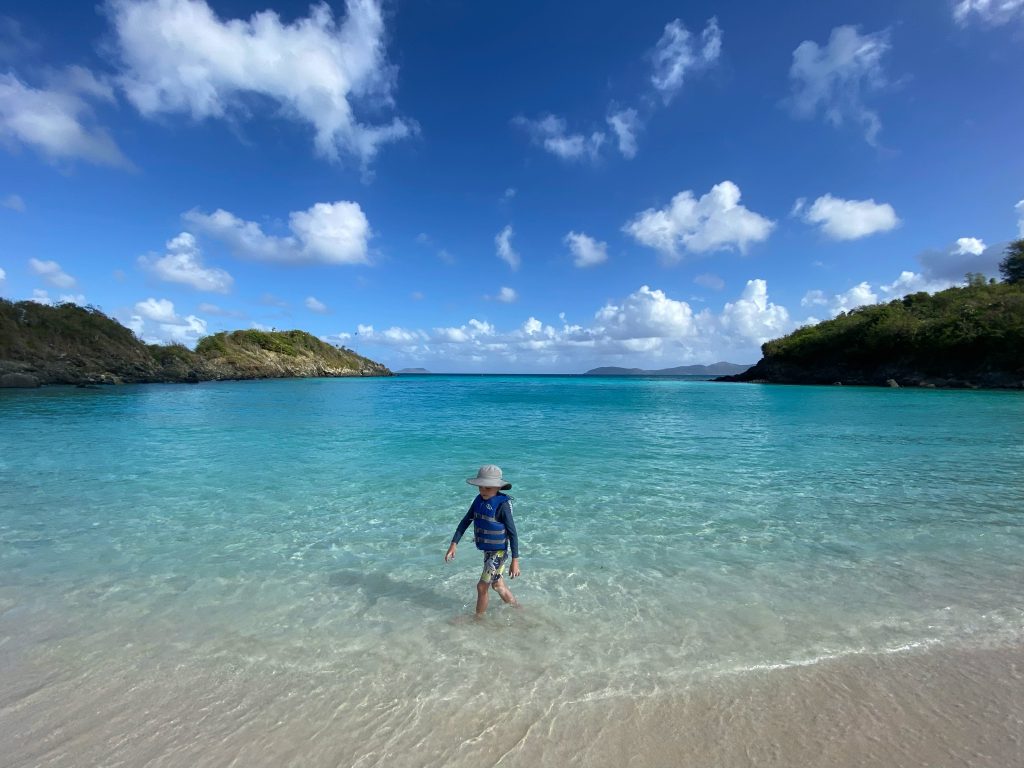
We live on such a beautiful planet, and Virgin Islands National Park is a prime example of that beauty. Please remember to respect the land, water and reefs when you pay a visit to this spectacular national park.
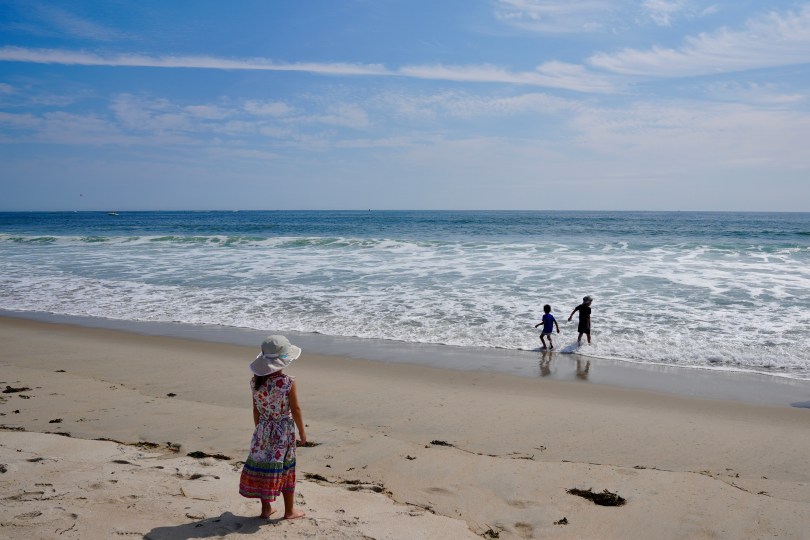
Seabrook Beach, New Hampshire

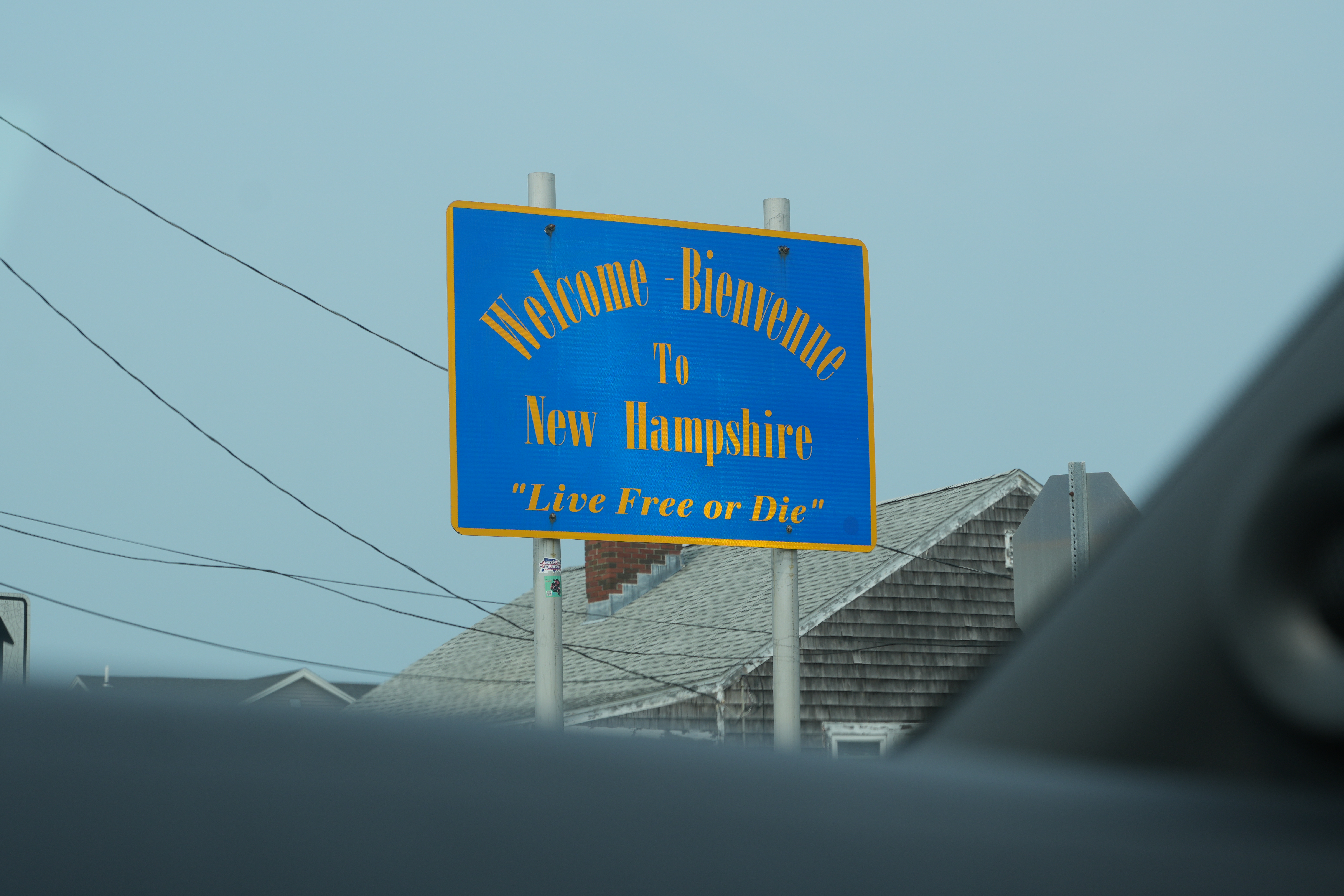
Our annual family beach trip typically has us driving to the Outerbanks of North Carolina, however we took a detour from our usual plans. Instead, we went to visit my sister up north and hit the New England beach scene. We were going to Seabrook Beach in southern, New Hampshire. Situated between two very busy beaches (Hampton beach to the north and Salisbury beach to the South), Seabrook Beach spans only a few miles of a sandy, peaceful and residential beach. The drive up there would be around 10.5 hours. Even with our mini-van packed up with surfboard and all, it was a comfortable and easy drive. Leaving early in the morning helps to beat the D.C. traffic out of Richmond.

A road trip through New England would not be complete with stopping in the pizza capital of the U.S. We stopped in New Haven, to enjoy some classic New Haven “apizza”. With the thin crust and minimal amounts of cheese, the kids were big fans. We went to “Modern Apizza”, one of the “Big Three” apizza establishments in New Haven. (Frank Pepe Pizzeria, Modern Apizza and Sally’s Apizza”).

No beach trip is complete without a trip to the local beach store. Catalano’s Market (Seabrook, New Hampshire)

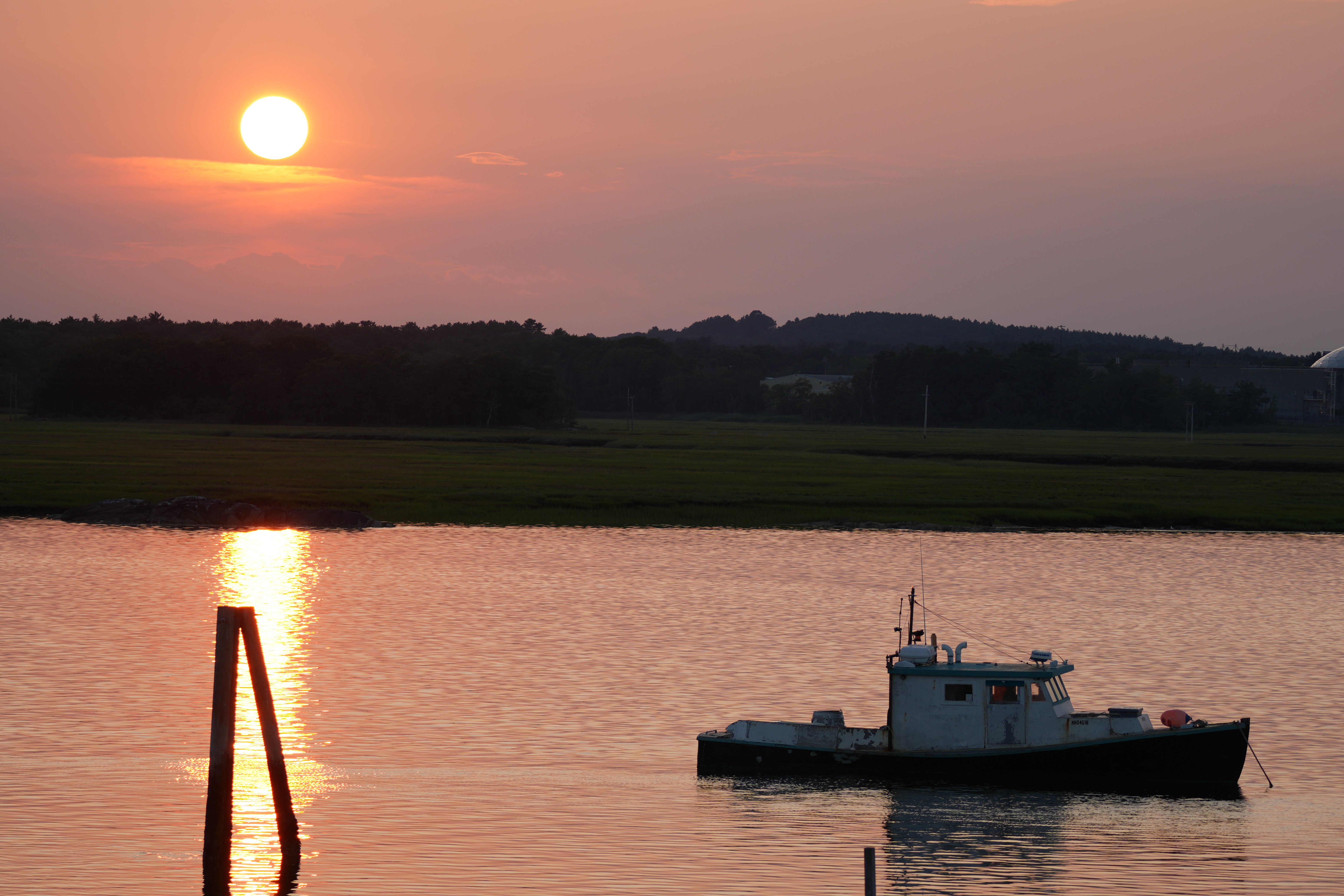
The kids were road warriors. We spent 5 days there soaking in Vitamin D, relaxing, breathing in the salty air, and swimming in the clear, chilly waters. During this time of year (early August), Seabrook waters have reach their peak temperatures which is still a chilly 68 degrees. We went for the full New England coastal experience, diving into local lobster roll excursions and visiting the town of Portsmouth, where the kids enjoyed the boat town vibes, food, sea shell shops, art and of course ice cream.

Far from the beach, rocky shoals created a calming view of white caps and gulls

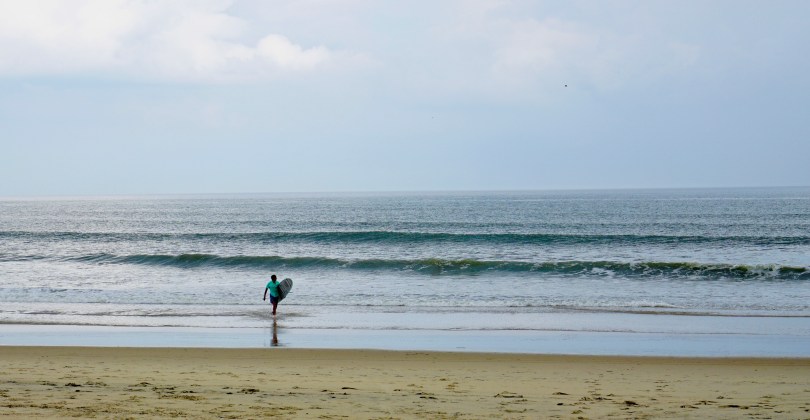
I really loved the vibes at Seabrook, what you see is what it is. It is a residential area with a view cafes, markets and restaurants, that’s pretty much it. I remember asking a local if there was anything here to see. “The beach is pretty much it!”. Perfect for us, as we just wanted to relax and catch a few waves. The water was very glassy on our last day, and the waves rolled beautifully. The Seabrook beach scene was really what we needed. As much as we love the Outerbanks of North Carolina, it was getting a little hectic there for us, and in some areas, way too overdeveloped.

As with all time near the water, it passed by too quickly. It felt like one beautiful wave of memories. The kids noted it as one of their favorite vacations, so mission accomplished. We hope to come back one day.

I hope everyone had a safe and happy summer.

Beach Safety & Trip Planning

When school lets out, summer has officially begun! For many families, this means more trips to the beach! The ocean is a magical and fun place for all ages and attracts thousands of visitors each year. After countless trips to the beaches of the east coast, I’ve become more attuned to the safety precautions that everyone should be aware of prior to going to the beach, especially with their children. It is estimated that over 4000 people drown each year in the United States. It is estimated that 100 people drown each year due to rip currents along the beaches of the United States. Here are some of the things I’ve learned over the years and I hope they are helpful to anyone beach tripping on the east coast.

Tropical Storm Ernesto brought swells to Virginia Beach, Virginia. August 2024.
Swell from Hurricane Franklin 2023

CONDITIONS AND TIME OF YEAR

Simply being aware of the time of year and the weather conditions can greatly improve safety. Hurricane season on the east coast runs from June 1 – November 30. During this time, it is important to pay attention to weather updates, as systems and storms can bring significant swells to your beach. if you are considering a water outing and wish to avoid waves altogether, you could always find beaches or water ways that do not face the ocean. (Ex. bays, rivers). In these areas, you could have almost wave-less conditions. Perfect for children to play and explore.

Cape Charles is a beach town in Virginia’s Eastern Shore. It faces the Chesapeake Bay and hence has very calm waters. A good beach spot if you have little ones.
There’s also plenty to see and do in the town of Cape Charles.
Kiptopeke State Park is located on the Chesapeake Bay in Virginia’s Eastern shore. The water is much calmer than the ocean front.
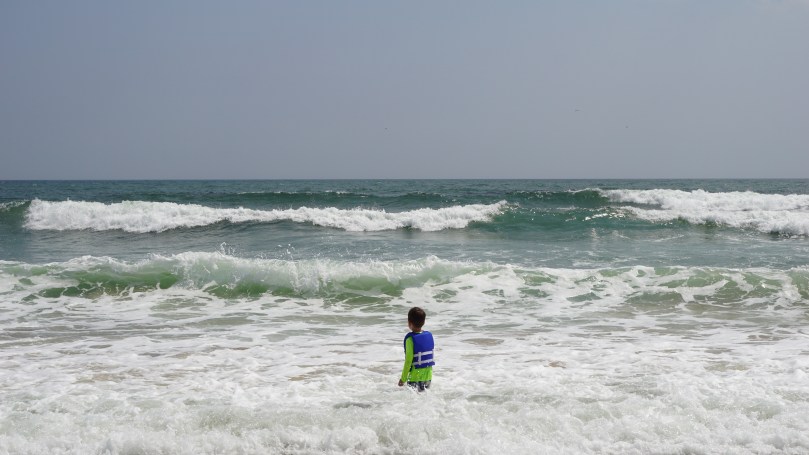
Nagshead, Outerbanks. The barrier islands of the Outerbanks in North Carolina, face the ocean so the surf and waves here can be strong, so beware.
The surf can be rough but beautiful to watch in the Outerbanks of North Carolina.

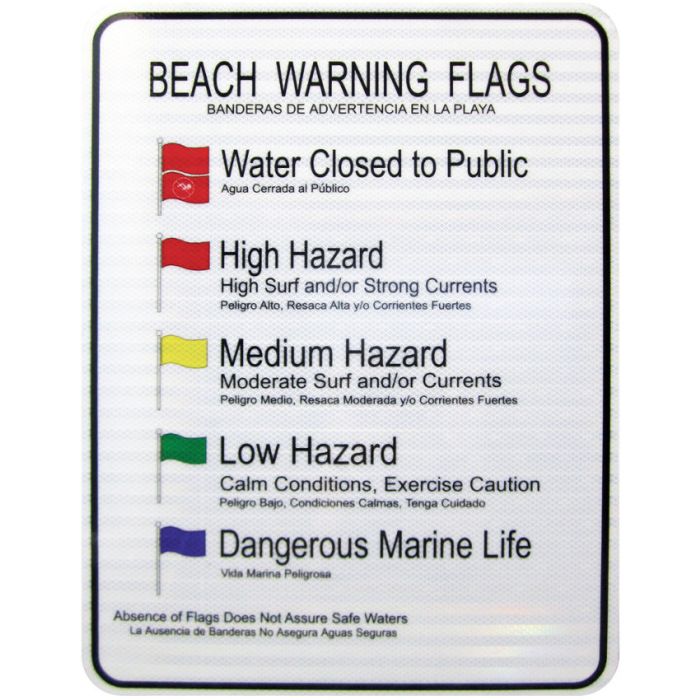
BEACH FLAGS

**If you venture to the beach, you should KNOW the beach flags and what they mean.**

RIP CURRENTS

“Rip currents are powerful, narrow channels of fast-moving water that are prevalent along the East, Gulf, and West coasts of the U.S., as well as along the shores of the Great Lakes.” – National Ocean Service

Unless you know what you are looking for, rip currents are almost invisible.

It is estimated that approximately 100 people are killed each year in the United States by rip currents. So if you’re heading to the beach, just take the next few minutes to learn about them, to protect yourself and your family. The video below provides a great summary of rip currents are.

BEACH SAFETY TIPS

1. Communication and Supervision: For little toddlers and kids that have not yet learn to swim, it is critical that they are supervised closely by an adult. When multiple adults are present, it is easy to assume that the kids are being watched by someone. Practice closed loop communication and assign an adult to a child. You can switch on and off as needed.

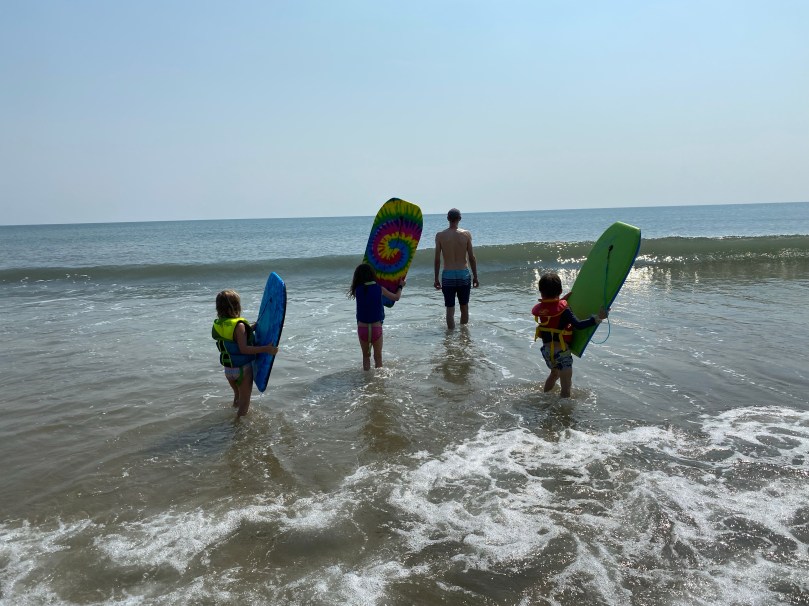
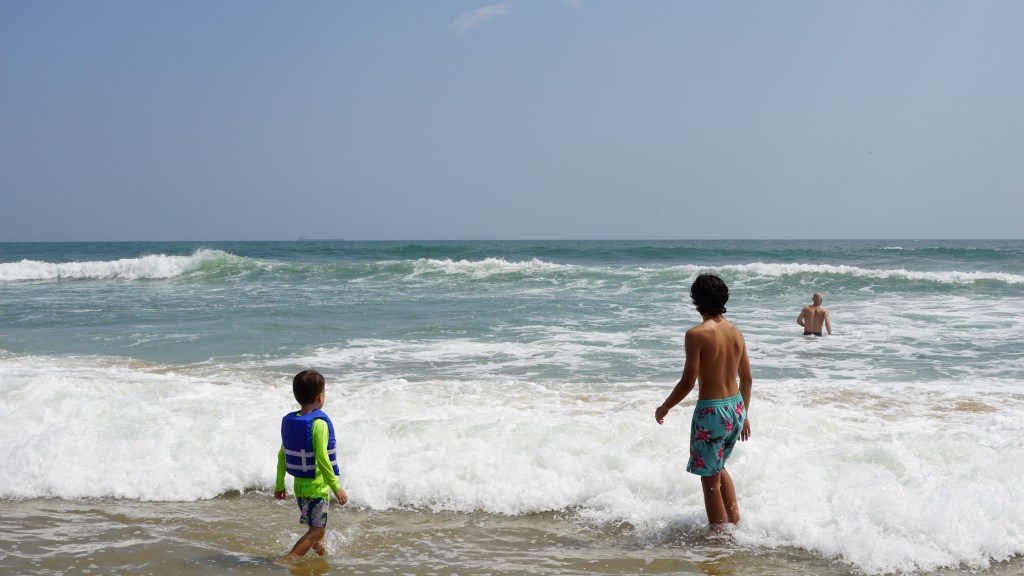
2. Life Jackets/Personal Floatation Devices (PFDs): We don’t go near the water without them. Make sure that the life jacket is the appropriate size for the child. Also, you should also see if the life jacket works properly. Ideally, the jacket should keep the child afloat with their face upward, out of the water. Some jackets, are not balanced well, and could dangerously leave the child facing downward. Test it out prior to use.

Personal Floatation Devices (PFD)s for kids are a must.

3. Bring the water to them:

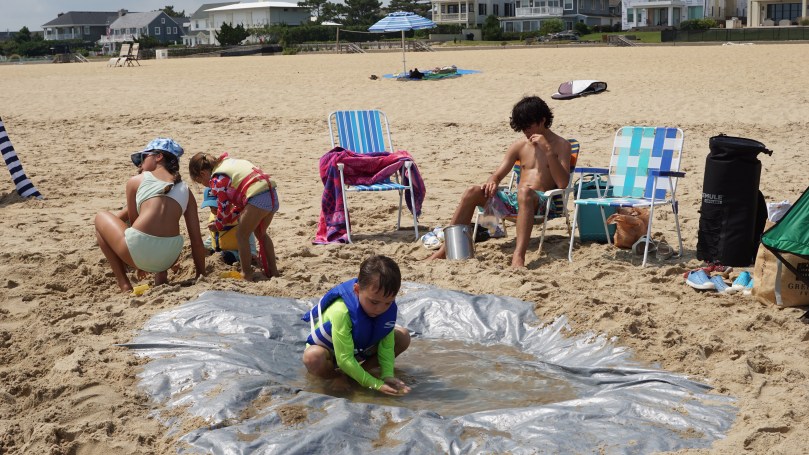
For my toddlers that are not yet ocean worthy, I’ll bring the water to them. Using a simple tarp, you can dig a shallow pool in the sand and fill it with ocean water.

You can make a mini pool in the sand using a tarp.

4. Staying comfortable and hydrated

When the body is comfortable, hydrated and fed, the brain is perfused, and this allows you to think clearly and stay alert. Hydration is important, especially when you are active, sweating and losing a lot of water from the heat. It can be particularly difficult to keep kids hydrated, especially when they are having so much fun. I find that low sugar, flavored drinks can keep them drinking without the need for encouragement. Popsicles are also a good way to keep them hydrated.

A shady base camp on a hot summer day is invaluable. Not only will it keep occupants cooled, but it will also provide shade for your food, drinks and equipment. Over the years we’ve tried all different forms of shelters. From beach umbrellas to cabanas, but so far my favorite has to be the Neso tents for shade. They provide an ample area and are pretty sturdy. Another popular brand is the Shibumi beach shades which have taken all beaches by storm. The Neso can run around $150 and the Shibumis are around $250. Totally worth it, if you’re a frequent beach goer.

The Neso tents provide a large area of shade. They just require a bit of time to set up.

SUMMARY

The beach is one of my favorite places in the world. It is a great way to connect with nature, unwind and engage in countless, fun activities. I hope this helps you to plan your next beach trip, so it can be a safe and enjoyable time for everyone.

Body surfing in swells from Ernesto

North End Virginia Beach

As summer comes to a close, we head out to the North End of Virginia Beach to spend an easy weekend. This is my preferred beach spot away from the busier boardwalk section of Virginia Beach. There’s not much else up north, other than residential housing and then First Landing State Park at the very northern tip. The weather was very pleasant and we made a lot of good memories. It’s been a hot summer but a grand one nonetheless. I hope everyone is soaking up the vitamin D for as long as we can. It also sounds like the rates of covid are also back up, so stay healthy, be safe and have fun.

A chill weekend get away to the North End of Virginia beach. Filmed on Sony a6700

Nagshead, the Outer Banks, North Carolina

On the last week of Spring we head to our annual refuge on the barrier islands of North Carolina known as the Outerbanks. This time, we stayed in the town of Nagshead, and got to enjoy a week of perfect weather, upper 70s F with sunshine. I always wondered what was so particularly rejuvenating about going to the beach and the ocean. Is it the sight of water? Is it the cadence of the waves crashing? The tactile and sensory stimulation from walking on the sand and into the cold water? It turns out it could be all of those things. A friend of mine recently recommended a book called “Blue Mind” written by marine biologist Wallace J. Nichols. In this book he explores “… the Surprising Science That Shows How Being Near, In, On, or Under Water Can Make You Happier, Healthier, More Connected, and Better at What You Do”. It’s a pretty interesting read. I hope everyone stays cool out there, stay hydrated, get your rest and have fun.

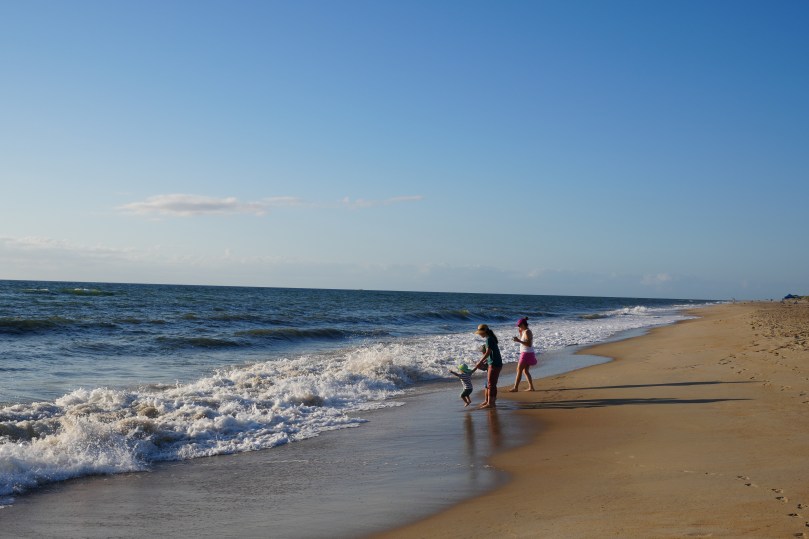
Our toddler enjoying the surf at sunrise
Playing in a tidal pool
The beach at Nagshead
Yellow flag (indicates medium hazard, light surf and or currents). The Outerbanks is known for its strong surf and riptides, so always keep an eye out for your kids!
Watching the surf

Hurricane Franklin 2023 – Virginia Beach, Virginia

I was tracking Hurricane Franklin for a few days and it arrived to Virginia Beach on August 29-30 of 2023. I booked it out on a wednesday to catch the swell with my brother. The waves were about 3-4 feet with an offshore wind, made for a few dreamy waves.

Shot on sony a6000 with sony 35mm North End Beach, Virginia Beach, Virginia.

Horizons of the Outer Banks, North Carolina

The Outer banks, a string of barrier islands off the mainland from North Carolina is a slice of heaven. We come here every year. I was lucky enough to be able to spend two weeks here this past summer. Here are some of my favorite shots of the horizons of the Outerbanks. Shot on Sony a6000.

Beach in Nagshead
Nagshead
6:00am, Nagshead
Finished for the day
Sunset
Crimson
Storm approaches
Town of Nagshead

Cape Charles – Eastern Shore, Virginia

The Eastern Shore of Virginia is separated from the mainland of Virginia by the Chesapeake Bay. This 70-mile long stretch of sandy and deep soil terrain is a peninsula with over 78,000 acres of protected parks, refuges and preserves and a national seashore. The region’s tourism affirms “You’ll Love Our Nature”.

Many travel by golf carts in Cape Charles. Several of the houses even have parking spots
for them.
Admiring the local art
This town loves Yellow Roses, for good reason too

Cape Charles is a small town, at the southern tip of the eastern shore, with a population of 1009 (2010 census) yet it boasts a vibrant, historic downtown, beaches, restaurants and a quaint and charming scene. I love communities by the ocean. There is something carefree about being able to here’s something about being able to smell the ocean while walking through neighborhoods that puts you in a carefree mood. The slow pace of the town, follows the cadence of the gentle waves that roll in from the bay – the beaches are very kid-friendly for this reason. The beach faces west toward the Chesapeake Bay and hence has very flat water, it is protected from the Atlantic Ocean.

Between the reflection of the water, the clouds and the parallels…..sometimes it’s hard to figure out where you are!
Virginia is for lovers.
Lots to discover at the beach

With a newborn in tow, we couldn’t ride the golf carts. But bicycling was even better for the kids. The quiet town had plenty of sidewalks for the kids to zip through safely. There were lots to see, ice cream shops, gift stores, restaurants and history. Central Park in the heart of the historic district was a place that we frequented for its large field and playground area.

Our last full day was spent exploring Kiptopeke State Park, located at the southern tip of The Eastern Shore. It was an easy 15 minute drive to the park entrance. This state park is known for it’s migratory bird watching, beaches and The Concrete Fleet, several concrete ships that were partially sunk to create the Kiptopeke Breakwater. During World War II, 24 concrete ships were contracted by the U.S. Maritime Commission, in 1948, 9 of these ships were brought to Kiptopeke to protect the ferry terminal during severe thunderstorms. The Chesapeake Bay Bridge Tunnel was open in 1964 and the terminal was no longer needed. The concrete ships are still in place to serve as a break water for the beaches.

Balancing on shone driftwood in kiptopeke state park. In the distance the concrete fleet stands guard.
The shaded boardwalk leading to the beach is a pleasant hike.
Board walk to the beach.

A 0.3 mile board walk through the shaded beach forest takes you to the beach. We arrived in the early morning, and had the beach to ourselves. We spotted a nice shaded area along the tree line some ways away. It was a bit of a hike to get to, but was pleasant and the kids collected shells along the way. The water was clear and the views were great.

Heading to the shade
Testing the buoyancy of some driftwood
A shell paradise

Before we knew it, our 5 days were up. There was much to still see of the eastern shore. Alas, Tangier and Chincoteague Islands will have to wait for another trip. We explored only the southern tip of the eastern shore, and it was pretty awesome.

Jockey’s Ridge State Park – Nagshead, North Carolina

In the middle of the Outer Banks in North Carolina, you would never expect to find the tallest active sand dune on the east coast. At Jockey’s Ridge State Park, you can explore these sand dunes and more. The park covers an area of 427 acres and is the most visited park in the North Carolina park system.

The temperatures can apparently be truly desert-like in the hot summer months. Reaching 110 degrees F and the sand can be up to 30 degrees hotter. Our visit was in late September so there was virtually no one when we arrived. For our son, this was the largest sandbox he’d ever seen and he was thrilled.

* Make sure to bring plenty of water on those hot days. Sunglasses help too even if it’s not sunny, especially on windy days