

When school lets out, summer has officially begun! For many families, this means more trips to the beach! The ocean is a magical and fun place for all ages and attracts thousands of visitors each year. After countless trips to the beaches of the east coast, I’ve become more attuned to the safety precautions that everyone should be aware of prior to going to the beach, especially with their children. It is estimated that over 4000 people drown each year in the United States. It is estimated that 100 people drown each year due to rip currents along the beaches of the United States. Here are some of the things I’ve learned over the years and I hope they are helpful to anyone beach tripping on the east coast.


CONDITIONS AND TIME OF YEAR
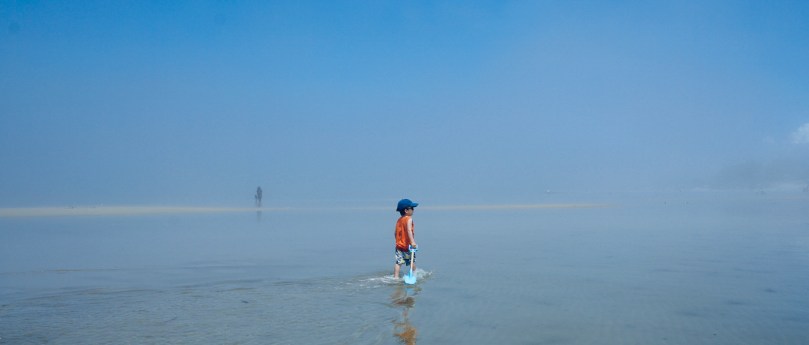
Simply being aware of the time of year and the weather conditions can greatly improve safety. Hurricane season on the east coast runs from June 1 – November 30. During this time, it is important to pay attention to weather updates, as systems and storms can bring significant swells to your beach. if you are considering a water outing and wish to avoid waves altogether, you could always find beaches or water ways that do not face the ocean. (Ex. bays, rivers). In these areas, you could have almost wave-less conditions. Perfect for children to play and explore.


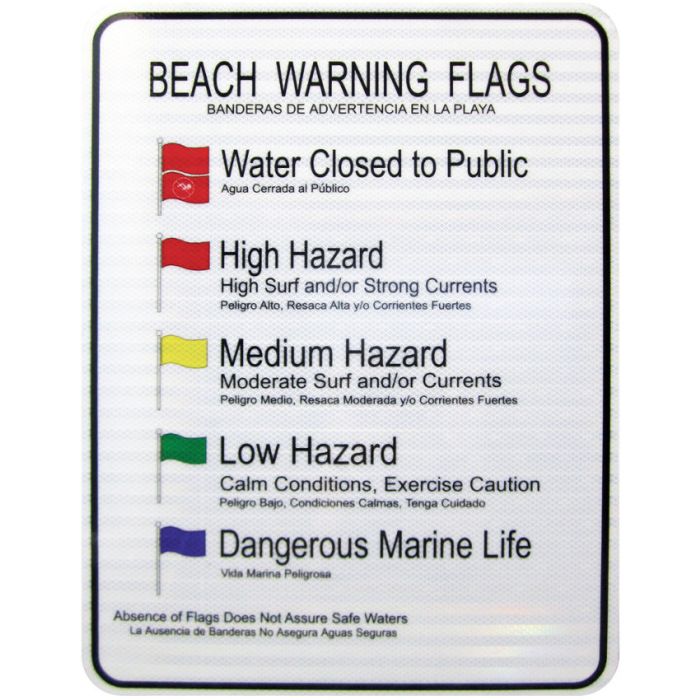
BEACH FLAGS
**If you venture to the beach, you should KNOW the beach flags and what they mean.**
RIP CURRENTS
“Rip currents are powerful, narrow channels of fast-moving water that are prevalent along the East, Gulf, and West coasts of the U.S., as well as along the shores of the Great Lakes.” – National Ocean Service
Unless you know what you are looking for, rip currents are almost invisible.
It is estimated that approximately 100 people are killed each year in the United States by rip currents. So if you’re heading to the beach, just take the next few minutes to learn about them, to protect yourself and your family. The video below provides a great summary of rip currents are.
BEACH SAFETY TIPS
1. Communication and Supervision: For little toddlers and kids that have not yet learn to swim, it is critical that they are supervised closely by an adult. When multiple adults are present, it is easy to assume that the kids are being watched by someone. Practice closed loop communication and assign an adult to a child. You can switch on and off as needed.
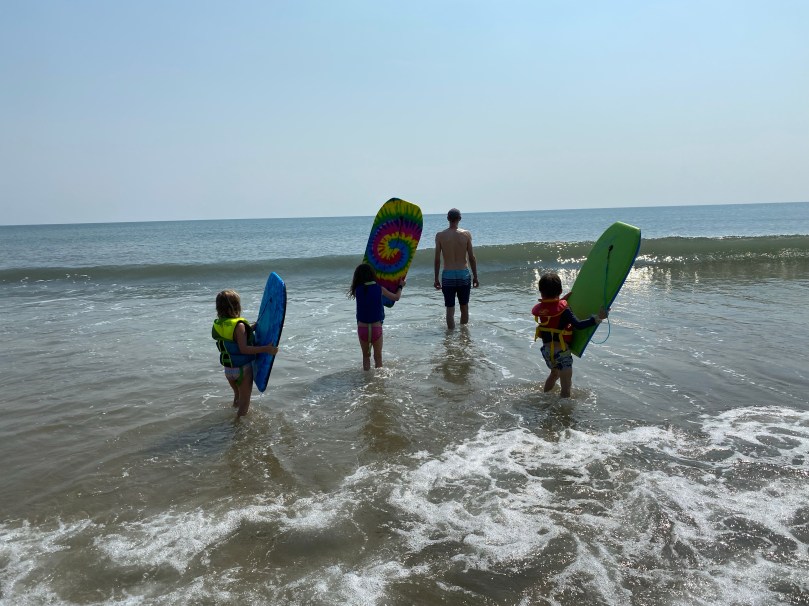
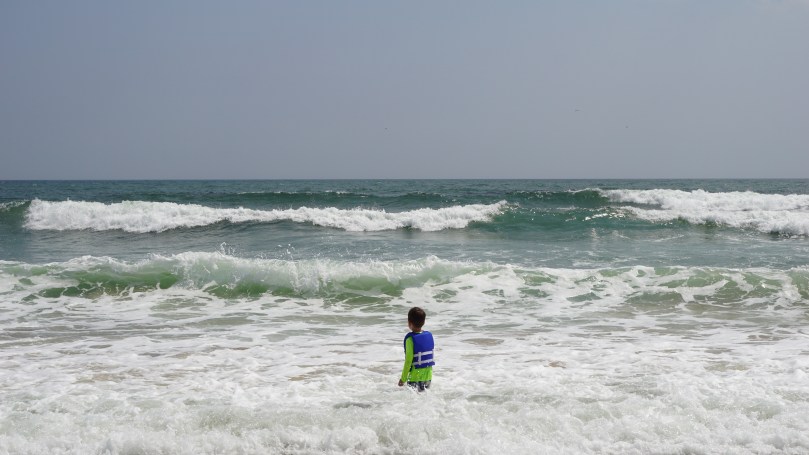
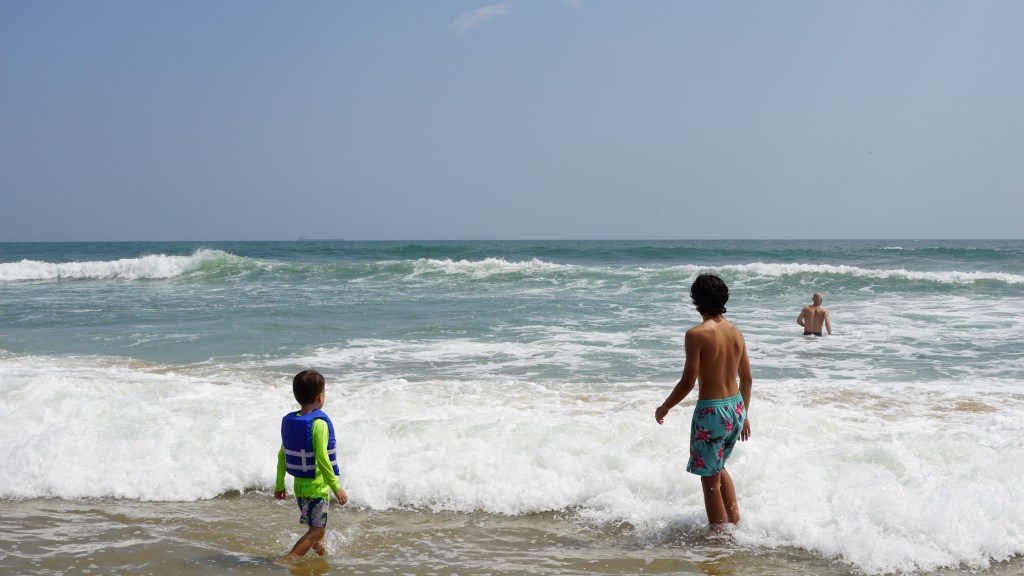
2. Life Jackets/Personal Floatation Devices (PFDs): We don’t go near the water without them. Make sure that the life jacket is the appropriate size for the child. Also, you should also see if the life jacket works properly. Ideally, the jacket should keep the child afloat with their face upward, out of the water. Some jackets, are not balanced well, and could dangerously leave the child facing downward. Test it out prior to use.

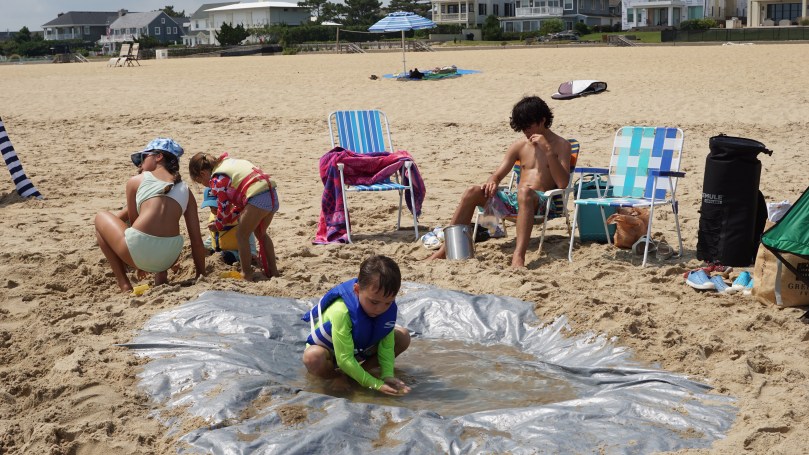
3. Bring the water to them:
For my toddlers that are not yet ocean worthy, I’ll bring the water to them. Using a simple tarp, you can dig a shallow pool in the sand and fill it with ocean water.
4. Staying comfortable and hydrated
When the body is comfortable, hydrated and fed, the brain is perfused, and this allows you to think clearly and stay alert. Hydration is important, especially when you are active, sweating and losing a lot of water from the heat. It can be particularly difficult to keep kids hydrated, especially when they are having so much fun. I find that low sugar, flavored drinks can keep them drinking without the need for encouragement. Popsicles are also a good way to keep them hydrated.
A shady base camp on a hot summer day is invaluable. Not only will it keep occupants cooled, but it will also provide shade for your food, drinks and equipment. Over the years we’ve tried all different forms of shelters. From beach umbrellas to cabanas, but so far my favorite has to be the Neso tents for shade. They provide an ample area and are pretty sturdy. Another popular brand is the Shibumi beach shades which have taken all beaches by storm. The Neso can run around $150 and the Shibumis are around $250. Totally worth it, if you’re a frequent beach goer.

SUMMARY
The beach is one of my favorite places in the world. It is a great way to connect with nature, unwind and engage in countless, fun activities. I hope this helps you to plan your next beach trip, so it can be a safe and enjoyable time for everyone.


 WAY NORTH