Return to White Oak Canyon – Shenandoah National Park, VA

TRAIL MAP OF THE WHITE OAK CANYON AREA

During the hot, summer months in Virginia, the watering holes of Shenandoah National Park are natural sanctuaries for those looking to escape the heat. No trail is better for this than the popular White Oak Canyon Trail. It is the second busiest trail in the park and for good reason – this hike is packed with picturesque pools, natural water slides and waterfalls flowing with pristine, mountain water.

The entire circuit, however, is no easy, feat. For those looking to complete the entire Cedar Run / White Oak Trail circuit, be prepared for a strenuous 8.2 mile hike that covers a steep elevation climb of over 2000ft in rocky terrain.

At the beginning of the circuit, is the Whiteout Canyon parking lot (which can fill up quickly during peak seasons). From here, as you start the trail, you will come to a fork in the road. On the left, will be the Cedar Run trail, and to the right is the White Oak Canyon trail. The entire circuit can be completed in any direction, however it is strongly recommended, to start up the cedar run trail. Completing the circuit in this direction has many advantages. The ascent up cedar run trail is a much more gradual climb with softer terrain. Once you reach the top, the horse trail and white oak fire road will connect you to the top of the white oak canyon trail where you can begin your descent towards the parking lot. Now you can relax and take in the numerous beautiful falls on this side of the trail (you will also have breath to enjoy them).
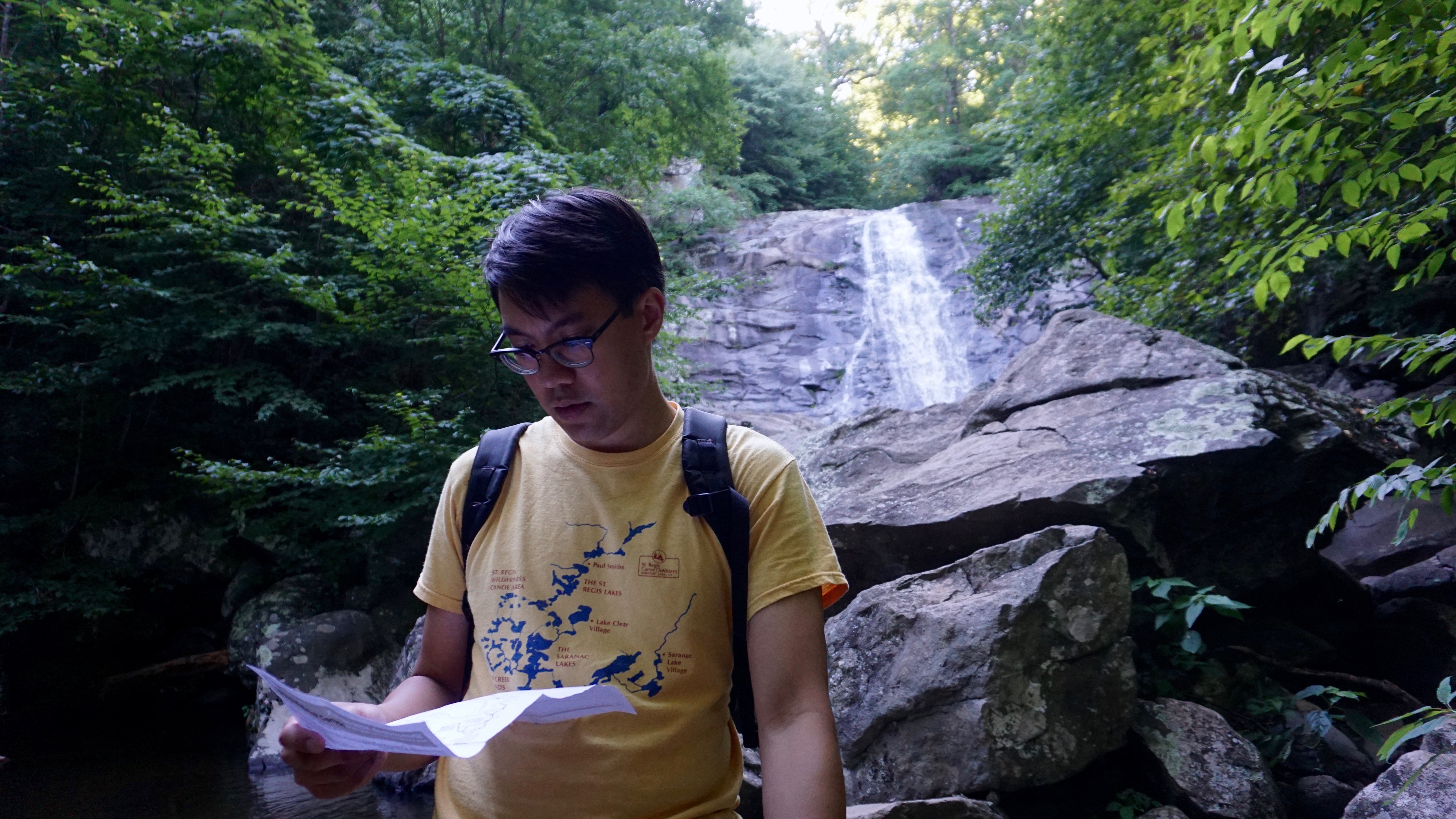
scouting the falls

Obviously, one does not have to hike the entire circuit to enjoy a good swim. From the parking lot, it is a short 2 mile hike to get to the white oak lower falls. This is probably the most spectacular of all of them. If you’re looking for natural water slides, head to the cedar run falls on the east part of the circuit, where you can check out two awesome water slides. There are also several areas here where you can jump into the pools. Please be careful as this can be dangerous if you have not established the depth of the pools. I bring along a pair of swimming goggles to scout the water for depth and debris before jumping.
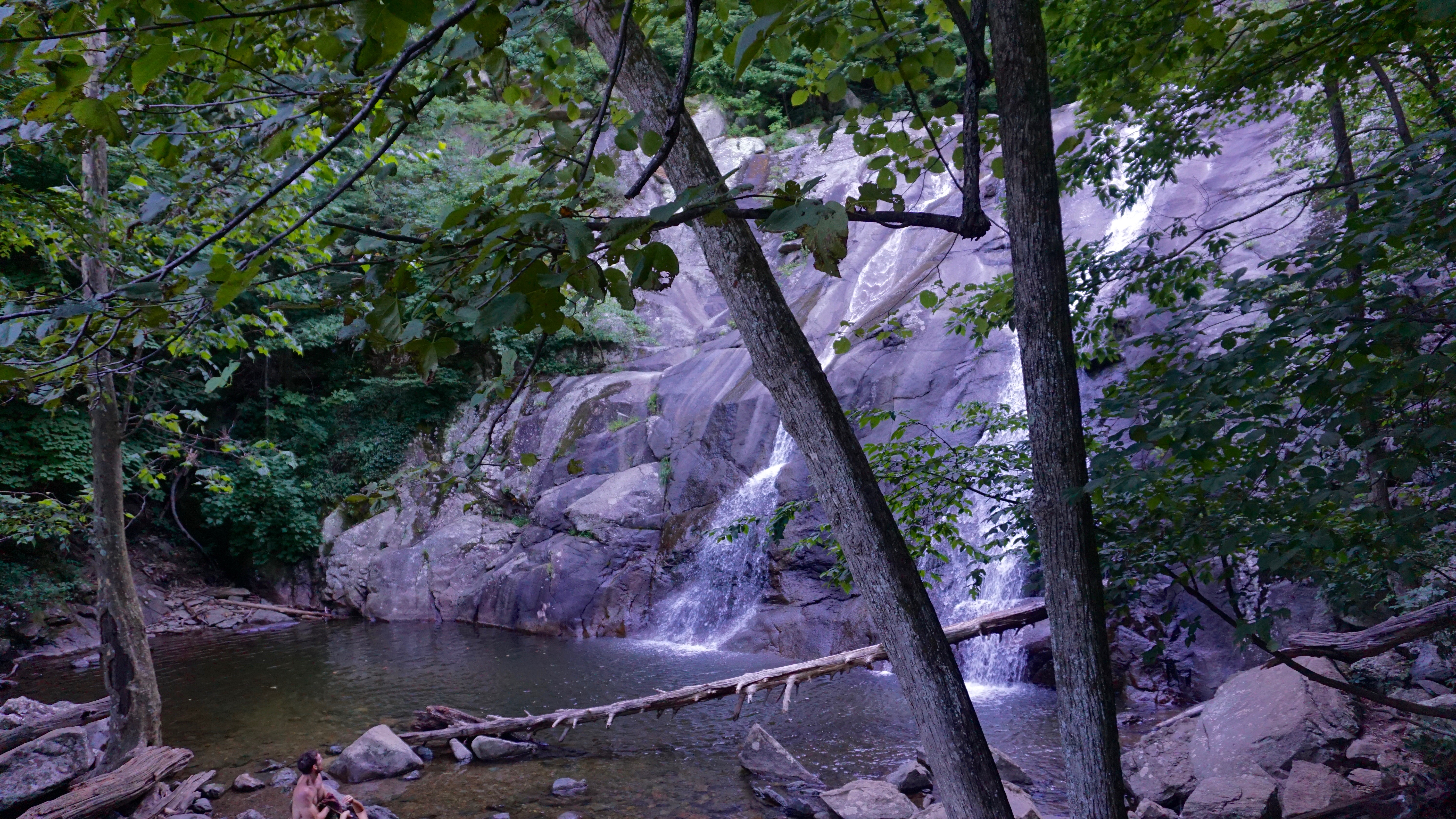
Lower White Oak Canyon Falls, the biggest swimming pool on the circuit

There are many other surprises on this circuit. The pools have healthy populations of native brook trout so bring your fly fishing rod. Consider a tenkara rod for these tight spaces up in the mountains. Wildlife here is also abundant and black bear sightings are common, but don’t worry, they tend to keep to themselves. The trail is so busy that the human voices will keep them away. But as always, just be smart and don’t agitate the wildlife, we are visiting their home after all.

On a hot summer day, there’s not a better place to be in Virginia. Be safe, and have fun.

Bring your tenkara rod, to fish for native rookies
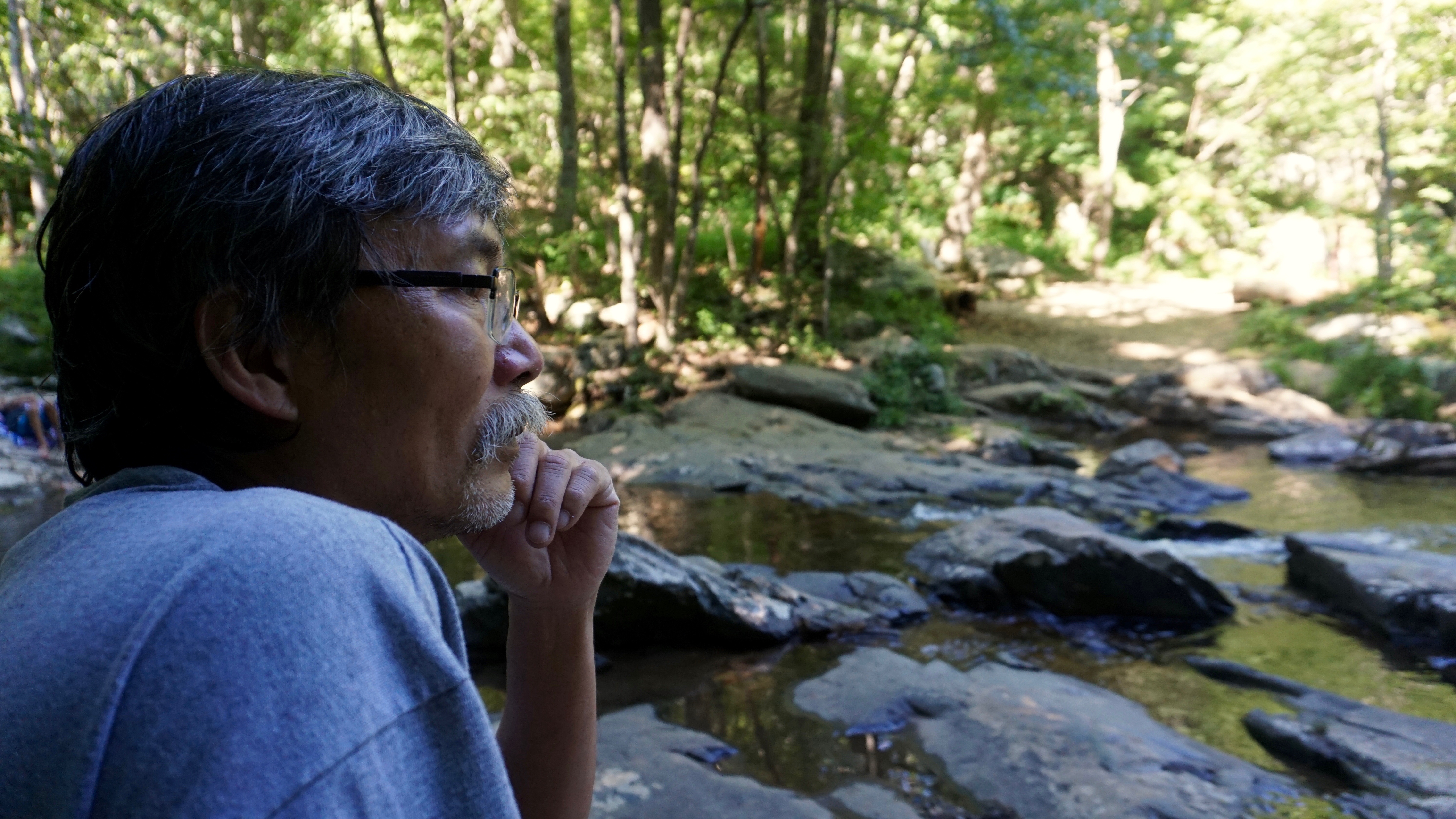
resting at the top of white oak canyon

What to bring:

  1. hiking boots
  2. lunch
  3. water shoes (for swimming)
  4. swimsuit and towel
  5. swimming goggles (optional)
  6. plenty of water
  7. water filter (optional)
  8. map
  9. bug spray (especially around the ankles)
  10. fly fishing rod (optional)


*As always, please help keep our parks clean. Take nothing but photos, and leave only footprints!
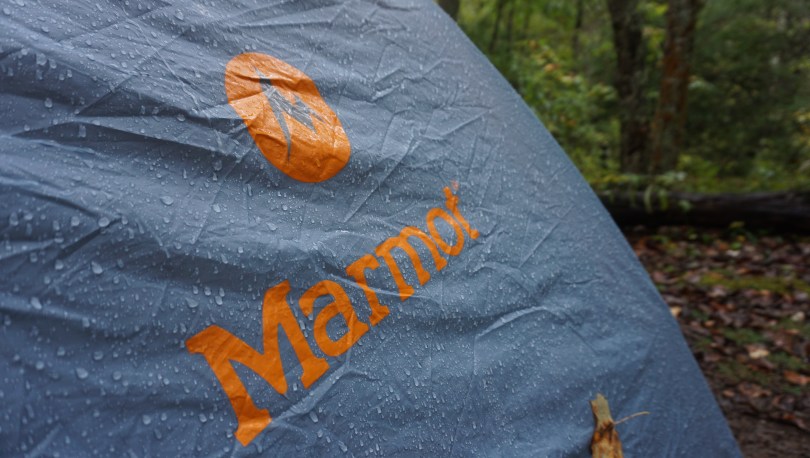
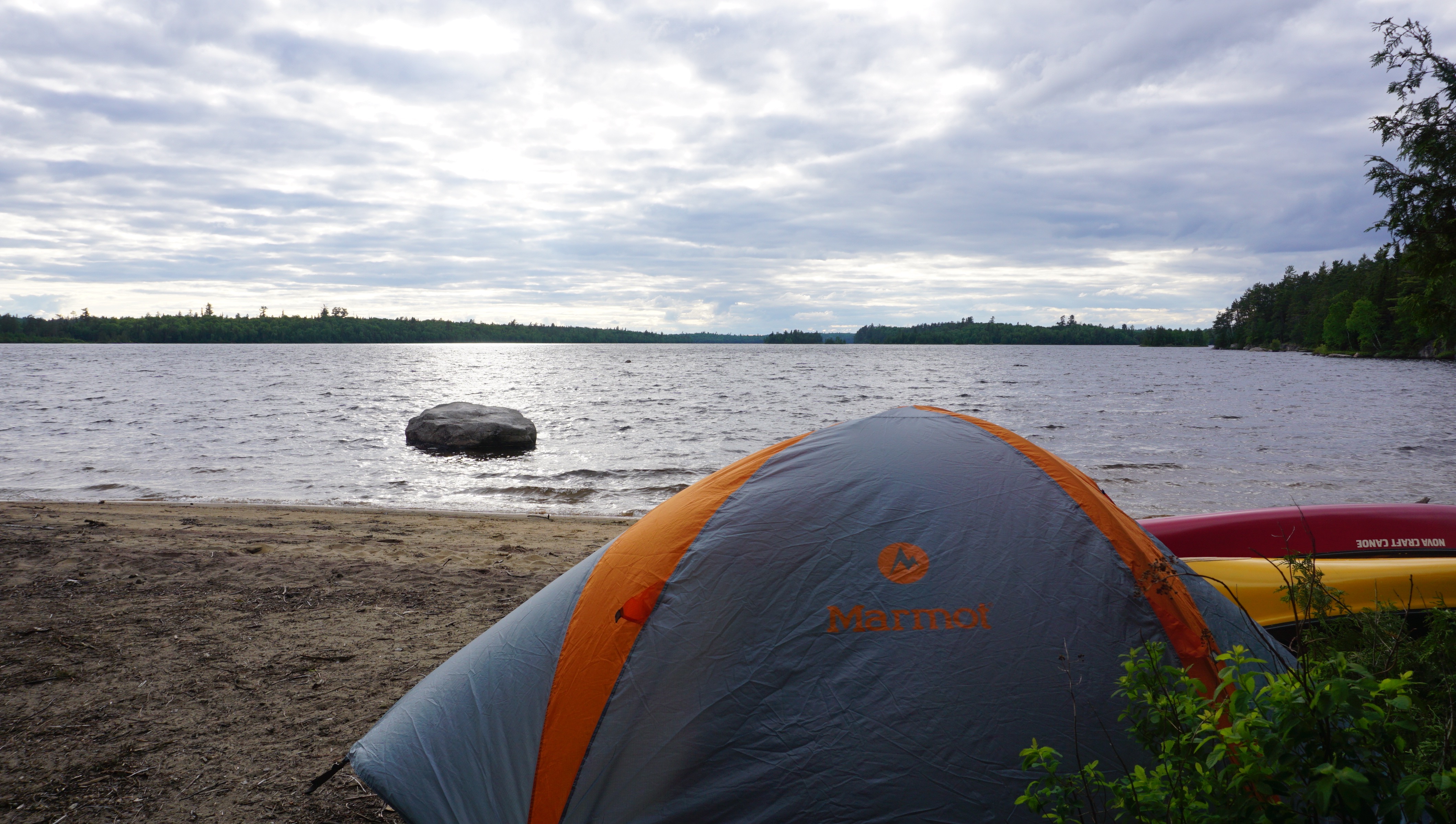
Marmot Limelight 3P Tent – Review after 11 years, 31 nights

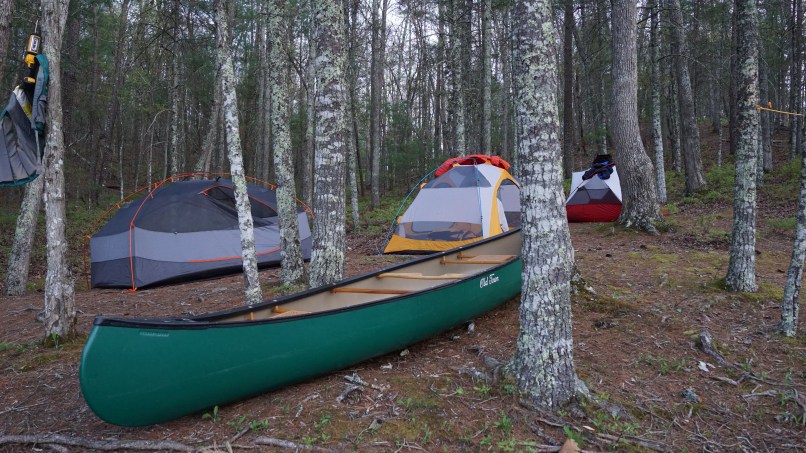
Once in a while, you come across camping gear that is so good, you can’t imagine tripping without it. This has been my experience with the Marmot Limelight 3 person tent. I bought this tent at REI for a trip out to the Grayson Highlands (southwest Virginia) in the spring of 2013. Over the past 11 years, it has been with me on several canoe and backcountry trips; from torrential downpour in the boreal forests of Ontario, to the frosty snows of West Virginia, this tent has held up to the elements and more.

Design: For the amount of space and durability that this tent provides, the limelight is fairly light, weighing in at a packed weight of 6lbs, 11 oz.  There are certainly lighter tents out there for backpacking, but the ruggedness of this tent makes it ideal for canoe tripping. It is designed as a three person tent, although I would say it comfortable fits two adults. It provides 42.6 square feet of space with dual doors for easy access. The vestibules on the rainfly add another 10 square feet of covered space at both entrance points. Mesh panels, allow for good air circulation to prevent condensation. A footprint is included to protect the tent against, rocks, sticks, etc.  The aluminum poles are light and durable and snap together with no fuss. Over the years, they have taken on a slightly different shape, but this does not hinder its performance.

Setup: One of my main draws to this tent was the set up. It can be set up in less than 5 minutes. Enough said.

Maintenance: As with any piece of camp gear, taking care of your equipment will allow it to last for much longer and serve you when you need it most. As with most synthetics, your main enemies are moisture and UV light. Airing out your tent to completely dry before storing it back into its bag will add years to its life by preventing mold which can rapidly break down the tent’s fibers. Many campers will actually keep their tents and sleeping bags outside of their storage bags when they are not using it in order to prevent moisture accumulation.

SPECS

Best Use Backpacking, Camping
Average Min Weight 5 lbs 15 oz; 2692 g
Average Packed Weight 6 lbs 11 oz; 3032 g
Warranty Lifetime
Vestibule Area 10 sq ft
Sleeping Capacity 3
Seasons 3
Seam Sealed Taped Seams
Pole Type DAC Press-Fit
Packed Size 22″ x 8″
Number of Poles 3
Other Stuff Sack, Gear Loft and Footprint Included
Material Walls: 68D 100% Polyester Ripstop
Floor:70D 100% Nylon PU 3000mm
Fly:68D 100% Polyester Ripstop 1800mm
Interior Storage Gear Loft and Interior Pockets
Interior Height 46″ (at highest point)
Freestanding Yes
Floor Dimension 93″ x 66″
Floor Area 42.6 sq ft
Doors 2
Clips or Sleeves Clips

Excursions with the limelight.

Algonquin Park (2014) – 6 nights

The limelight on an island in Big Trout Lake, Algonquin Park 2014

Killarney Provincial Park, Ontario, Canada. (2015) – 2 nights

Setting up camp, on an island in O.S.A Lake, in Killarney Provincial Park, Ontario (2015)

Temagami, Ontario 2015 (2015) – 3 nights

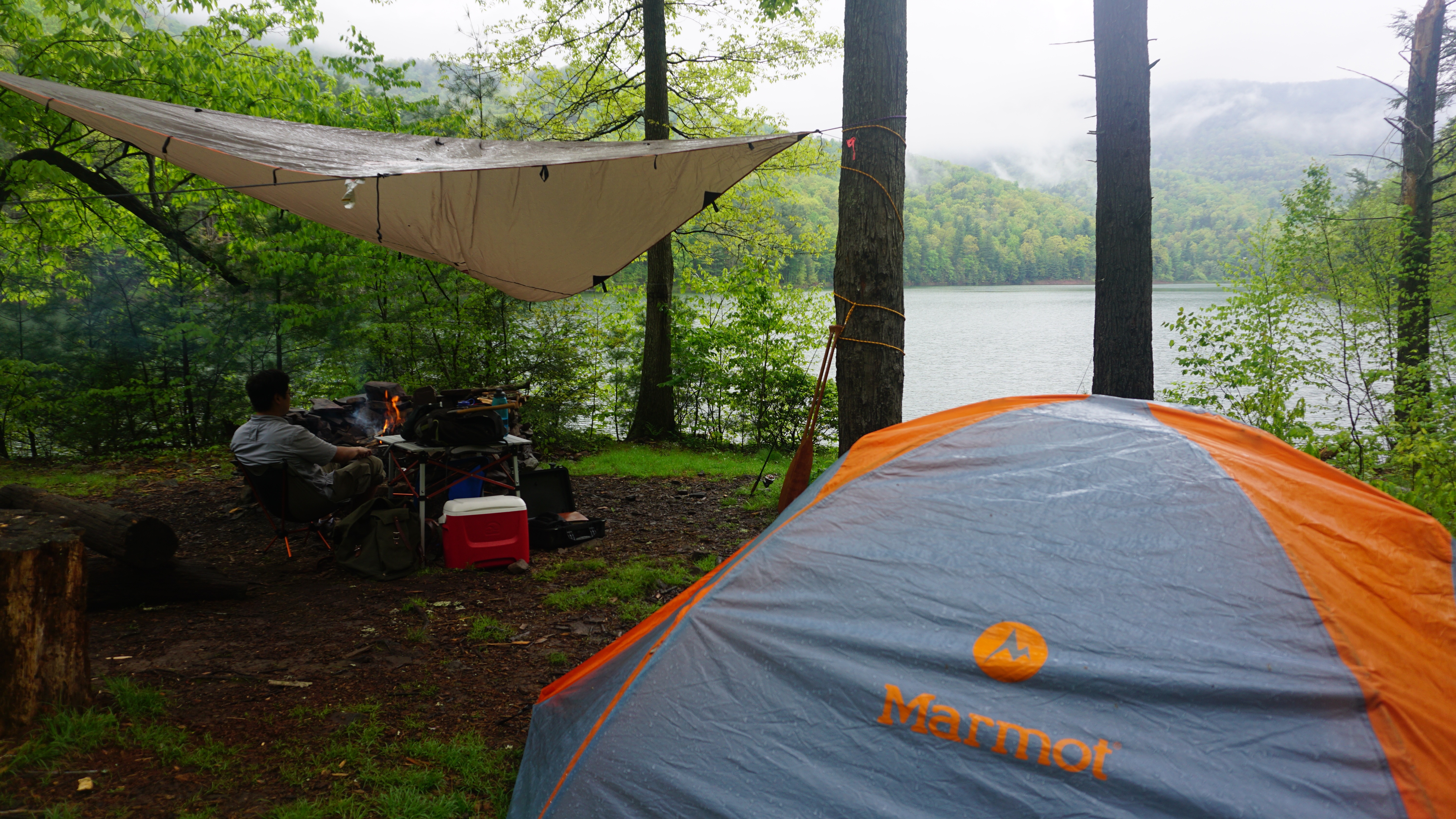
We encountered lots of rain on our trip to the Temagami wilderness area in Ontario. The limelight kept us dry during 3 days of rain.

La Verendrye – Quebec, Canada (2016) – 4 nights

Our camp, atop La Verendrye wilderness area in Quebec, Canada (2016)

Dolly Sods Wilderness Area, West Virginia –  (2015) – 2 nights

The unpredictable weather at high altitudes brought us snow in the Spring time in Dolly Sods, West Virginia.

Lake Moomaw – George Washington National Forest, Virginia (2014, 2015, 2016, 2024) -5 nights

Morning autumn mist at lake moomaw

DSC09106

Grayson Highlands, Virginia (2013) – 1 night

The maiden voyage with the limelight in 2013

Dan River, North Carolina (2014) – 1 night

Beach camping on the Dan River in North Carolina

Switzer Lake, George Washington National Forest – Virginia (2017) – 1 night

The morning after the rain on switzer lake, george washington national forest

St. Mary’s Wilderness Area, George Washington National Forest – Virginia (2016) – 1 night

Drying the dishes after dinner in St. Mary’s Wilderness Area, George Washington National Forest.

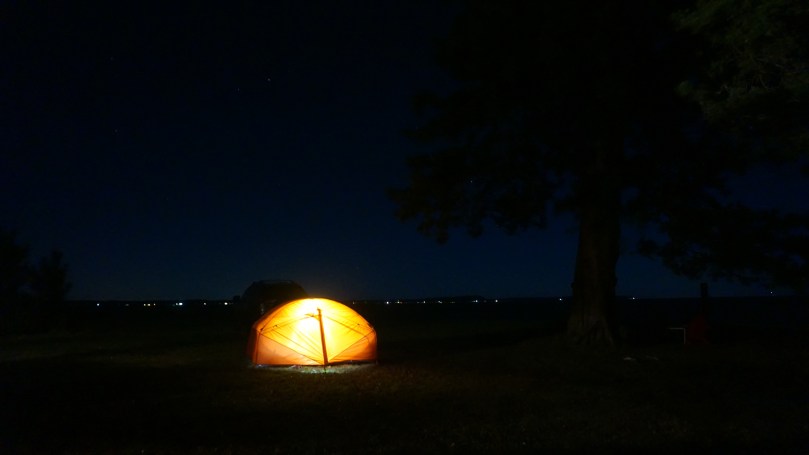
Chesapeake Bay, Gloucester – Virginia (2020, 2021) – 2 Nights

dsc02133

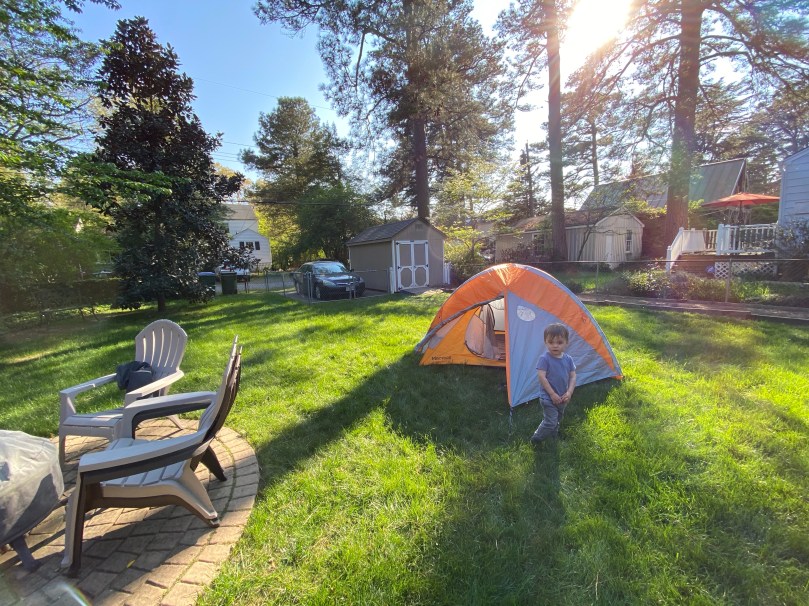
Home – 1 night

img_0020

CONCLUSION: Overall, this tent simply works. It has survived rough, canoe trips in Ontario, the scorching heat of Virginia summers and the freezing snow of West Virginia. It does what a tent is suppose to do – allow you to spend as much time outdoors without worrying about your gear. It provides me with reliable shelter and a place to sleep so that I can focus my energy elsewhere.  It is light, sturdy, rainproof, and easy to assemble. Over the past 11 years, the limelight 3P has undergone some updates but until this one fails me, I’ll be tripping with it for years to come.